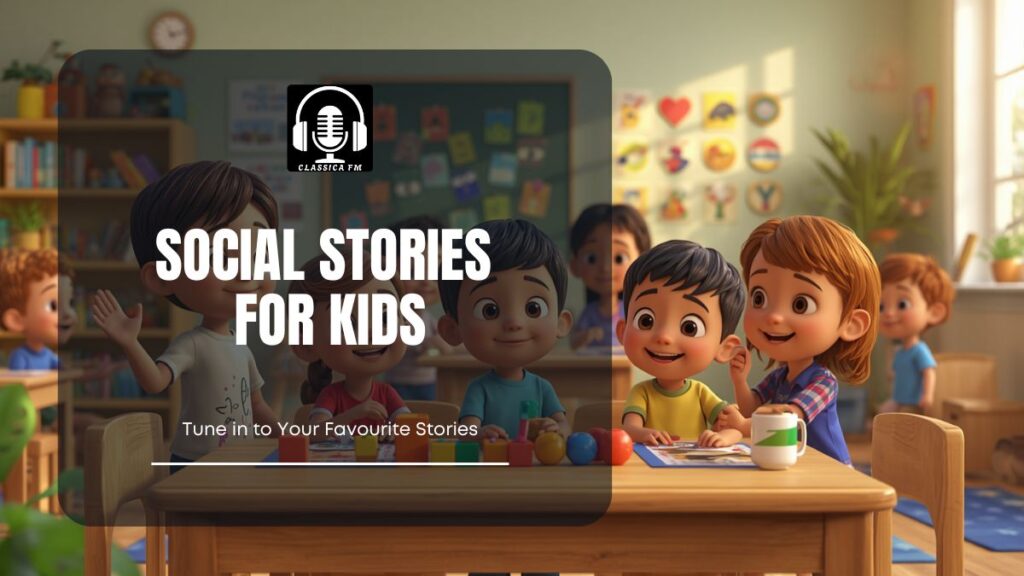
Social Stories for Kids are one of the most effective tools for helping children understand everyday situations, emotions, and appropriate social behaviors. Whether a child is learning how to make friends, cope with big feelings, or navigate unfamiliar experiences, these engaging stories provide simple, structured guidance that builds confidence and reduces anxiety.
Originally developed to support children with autism, Social Stories for Kids have become valuable for many children, including those with ADHD, Oppositional Defiant Disorder (ODD), anxiety, speech delays, and other developmental differences. They are also beneficial for typically developing children who learn best through clear expectations, positive examples, and relatable real-life situations.
In this comprehensive guide, you’ll discover what Social Stories for Kids are, how they work, their many benefits, practical tips for creating effective stories, and examples that help children navigate a wide range of everyday situations with confidence.
Why Social Stories Work
Children often struggle with situations that adults consider simple or routine. While adults rely on past experiences and social cues, young children are still learning how to understand expectations, communicate effectively, and respond appropriately in different environments.
For many children, especially those with autism, ADHD, anxiety, or other developmental differences, unfamiliar social situations can feel confusing or overwhelming. Without clear guidance, they may not know what is expected or how to react.
Common situations where children may need extra support include:
- Sharing toys
- Greeting classmates
- Taking turns
- Following classroom routines
- Visiting the doctor or dentist
- Going to birthday parties
- Starting a new school
- Losing a game
- Handling disappointment
- Managing strong emotions
- Asking for help
- Working in groups
- Trying new activities
Social stories remove much of this uncertainty by explaining situations before they happen. They break complex social interactions into simple, easy-to-understand steps, helping children know what to expect and how they can respond.
By reading a social story ahead of time, children can mentally prepare for an upcoming event instead of reacting to it without understanding. This preparation often reduces anxiety, increases confidence, and helps children feel more in control.
Social stories also encourage empathy by helping children understand how their actions may affect others. They explain not only what to do but also why certain behaviors are helpful and how they contribute to positive relationships.
Repeated reading reinforces these lessons over time. As children become familiar with the story, the appropriate responses become easier to remember and use in real-life situations. With consistent practice, many children begin applying these social skills naturally, leading to greater independence and confidence in everyday interactions.
Social Stories for Kids

Noah Discovers the Power of Listening
Noah was an energetic eight-year-old who loved talking. From the moment he woke up in…
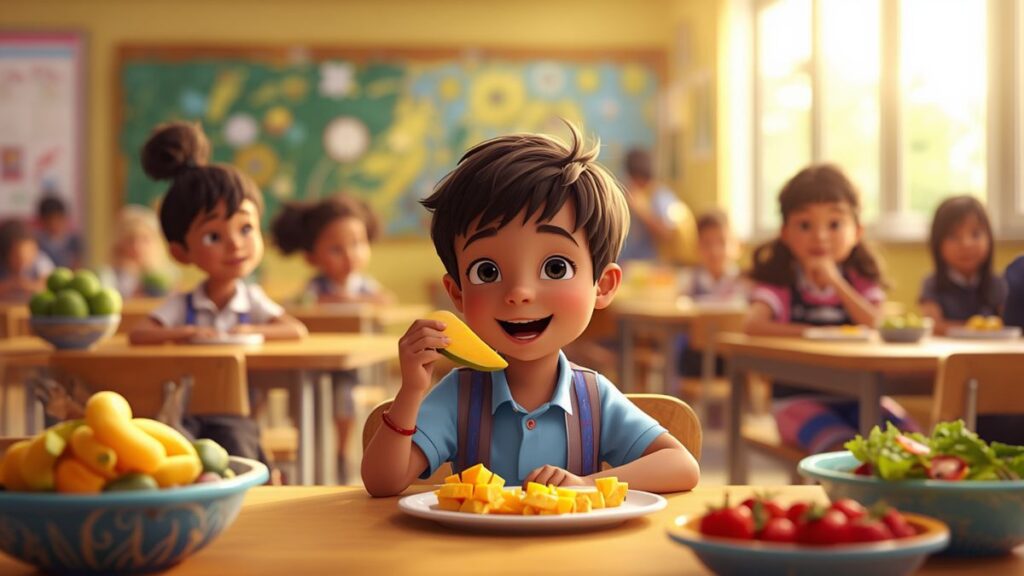
Ethan Tries Something New at Lunch
Ethan was a cheerful eight-year-old who enjoyed almost everything about school. He liked math because…
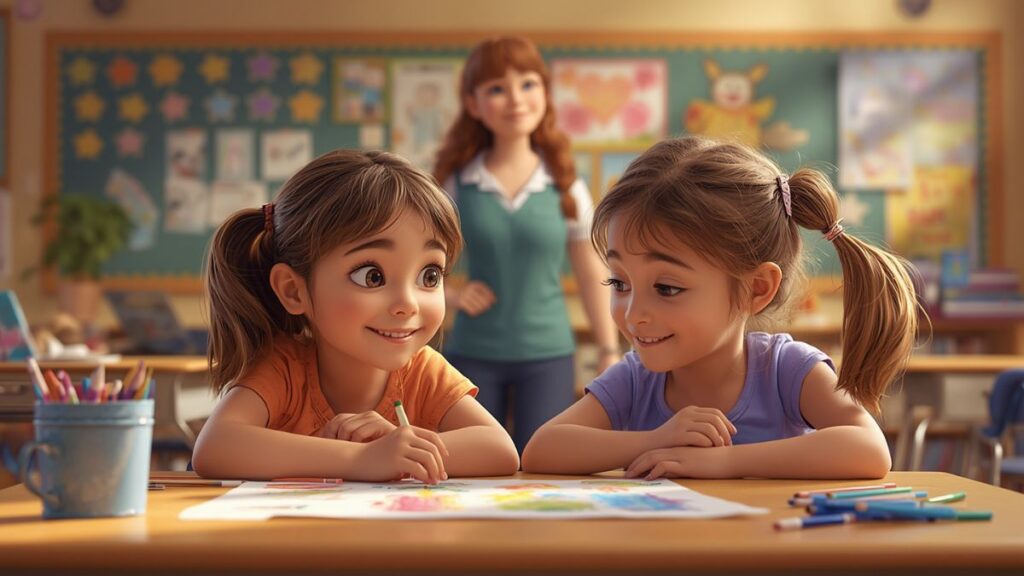
Lily Uses Kind Words During a Disagreement
Lily was a bright and friendly seven-year-old who loved spending time with her classmates. She…

Oliver Learns It’s Okay to Make Mistakes
Oliver was an eight-year-old boy who always wanted to do everything perfectly. He carefully colored…

Sophia’s First Day in the School Library
Sophia was a curious seven-year-old who loved books. Every evening before bed, she curled up…

The Day Emma Learned to Ask Before Borrowing
Emma was a cheerful seven-year-old who loved spending time with her friends at school. She…
Why Social Stories Work
Children often struggle with situations that adults consider obvious or routine. While adults naturally understand many social rules through experience, children are still learning how to communicate, interpret emotions, and respond appropriately in different situations.
For some children, especially those with autism, ADHD, anxiety, or other developmental differences, everyday interactions can feel confusing or overwhelming. They may not understand what is expected of them or why certain behaviors are important. This uncertainty can lead to frustration, anxiety, or challenging behaviors.
Examples of situations that children commonly find difficult include:
- Sharing toys
- Greeting classmates
- Following classroom routines
- Visiting the doctor or dentist
- Losing a game
- Handling disappointment
- Understanding emotions
- Asking for help
- Taking turns
- Making new friends
- Joining group activities
- Coping with changes in routine
Social stories help remove this uncertainty by providing clear, predictable explanations before these situations occur. Instead of learning through trial and error, children are given a simple guide that explains what will happen, why it is happening, and how they can respond in a positive way.
This preparation helps children feel more confident because they know what to expect. It also reduces anxiety by making unfamiliar situations seem more predictable and manageable.
Another reason social stories are so effective is that they encourage empathy. They help children understand that other people have thoughts, feelings, and expectations too. Learning how their actions affect others can improve communication, cooperation, and relationships with family members, teachers, and peers.
Repeated reading further strengthens these lessons. As children hear the same story multiple times, the positive behaviors become familiar and easier to remember. Over time, many children begin using these skills naturally in everyday life, leading to greater independence, improved social interactions, and increased self-confidence.
Benefits of Social Stories
Social stories offer numerous benefits for children of different ages and abilities. By presenting social situations in a simple, structured, and reassuring way, they help children build essential life skills while reducing confusion and anxiety. Whether used at home, in school, or during therapy sessions, social stories can support a child’s emotional, social, and behavioral development.
Improve Social Skills
One of the biggest benefits of social stories is that they help children develop appropriate social skills. They teach children how to interact with others respectfully and confidently while understanding common social expectations.
Children learn how to:
- Start conversations
- Take turns
- Share toys and materials
- Listen when others are speaking
- Make and keep friends
- Respect personal space
- Use polite manners
- Work together in groups
- Resolve minor conflicts peacefully
As children become familiar with these behaviors through repeated reading, they are more likely to apply them in real-life situations.
Reduce Anxiety
Many children become anxious when they face unfamiliar situations or unexpected changes. Social stories prepare them by explaining what will happen before the event takes place, making new experiences feel more predictable and less intimidating.
Knowing what to expect helps children feel calmer during situations such as:
- School transitions
- Doctor or dentist visits
- Haircuts
- Birthday parties
- Family events
- Holidays
- Traveling
- Meeting new people
- Starting a new classroom
- Participating in school activities
By reducing uncertainty, social stories help children approach these experiences with greater confidence.
Encourage Independence
As children repeatedly read and practice social stories, they begin remembering routines and expectations without needing frequent reminders from adults. This encourages independence and builds confidence in completing everyday tasks on their own.
Examples include:
- Getting dressed
- Brushing teeth
- Packing a backpack
- Cleaning up toys
- Washing hands
- Following bedtime routines
- Completing homework
- Preparing for school
Over time, these routines become habits, helping children become more self-reliant.
Build Emotional Awareness
Understanding emotions is an important part of healthy social and emotional development. Social stories help children recognize both their own feelings and the emotions of others, making it easier to respond appropriately.
Children learn to identify emotions such as:
- Happiness
- Sadness
- Frustration
- Anger
- Fear
- Excitement
- Pride
- Nervousness
- Disappointment
- Jealousy
By learning that all emotions are normal and discovering healthy ways to express them, children improve their emotional regulation and coping skills.
Improve Communication
Social stories also strengthen communication skills by giving children simple words and phrases they can use in everyday situations. Instead of becoming frustrated or withdrawn, children learn appropriate ways to express their thoughts, feelings, and needs.
They may learn how to:
- Ask for help politely
- Express their feelings
- Tell someone when they are uncomfortable
- Say “please” and “thank you”
- Solve problems with words instead of actions
- Explain what they need
- Talk to teachers, parents, and friends with confidence
Better communication often leads to stronger relationships, fewer misunderstandings, and greater self-confidence in social settings.
Overall, social stories provide children with practical tools they can use every day. By improving social skills, reducing anxiety, encouraging independence, building emotional awareness, and strengthening communication, these simple stories help children feel more confident and prepared for the challenges of everyday life.
Who Can Benefit from Social Stories?
Although social stories were originally created to support children with autism spectrum disorder (ASD), they can benefit many children who need help understanding social situations, managing emotions, or adapting to new experiences. Their simple language and positive approach make them useful for children with different learning styles and developmental needs.
Social stories are especially helpful for:
Preschoolers
Young children are learning important skills like sharing, taking turns, following directions, and expressing their feelings. Social stories introduce these concepts in a simple and engaging way.
Kindergarten Students
Starting kindergarten often brings new routines, classmates, and expectations. Social stories help children feel more prepared and confident as they adjust to their new environment.
Elementary School Children
As children grow, they encounter more complex social situations. Social stories can help them develop communication skills, solve problems, and build healthy friendships.
Children with Autism
Children with autism often benefit from clear, predictable explanations. Social stories help them understand social cues, routines, and expected behaviors while reducing anxiety in unfamiliar situations.
Children with ADHD
Children with ADHD may find it difficult to stay focused, follow instructions, or manage impulsive behavior. Social stories provide simple reminders and positive strategies that encourage better self-control.
Children with ODD
For children with Oppositional Defiant Disorder (ODD), social stories offer a calm and supportive way to teach cooperation, respectful communication, and healthy ways to handle frustration.
Children with Anxiety
Children who worry about new experiences can benefit from social stories because they explain what to expect and provide reassurance before the situation occurs.
Children with Speech or Developmental Delays
Social stories use simple language and repetition, making it easier for children with speech or developmental delays to understand everyday social interactions and routines.
Children Experiencing Major Life Changes
Social stories can also help children prepare for significant life events, such as moving to a new home, starting a new school, welcoming a new sibling, or adjusting to changes within the family.
Because social stories can be personalized to fit a child’s age, interests, and specific needs, they are a valuable resource for parents, teachers, therapists, and caregivers. With regular practice, they help children build confidence, improve social understanding, and develop skills they can use in everyday life.
Common Topics for Social Stories
Parents and teachers create stories for almost any situation.
Popular topics include:
- Going to school
- Making friends
- Taking turns
- Using kind words
- Listening to teachers
- Going to the dentist
- Visiting the doctor
- Haircuts
- Birthday parties
- Fire drills
- Riding the bus
- Bedtime routines
- Washing hands
- Potty training
- Staying calm
- Sharing
- Playing nicely
- Losing gracefully
- Cleaning up
- Asking for help
How to Create an Effective Social Story
A well-written social story should be easy for a child to understand, engaging to read, and relevant to their daily life. The best stories use simple language, focus on positive behaviors, and help children feel confident about handling different situations.
Here are the key elements of an effective social story:
Keep It Short
Young children have limited attention spans, so social stories should be brief and easy to follow. Focus on one situation or skill at a time instead of covering multiple topics in a single story.
As a general guideline:
- Preschoolers: 1 to 2 pages
- Older children: 3 to 6 pages
Keeping the story concise makes it easier for children to stay engaged and remember the main message.
Use Positive Language
Focus on what children can do instead of what they should avoid. Positive wording encourages learning without making the child feel criticized or discouraged.
Instead of writing:
“I don’t yell.”
Try:
“I can use a calm voice when I feel upset.”
This approach teaches the desired behavior while building confidence.
Keep It Simple
Use age-appropriate vocabulary and short, clear sentences. Avoid complicated words or long explanations that may confuse younger readers.
Simple language helps children understand the message quickly and makes the story easier to remember.
Make It Personal
Social stories are most effective when they relate directly to the child’s life. Personalizing the story makes it more meaningful and easier for the child to connect with the situation.
Include details such as the child’s:
- Name
- School or classroom
- Teacher
- Favorite toy or activity
- Family members
- Friends or classmates
Using familiar people and places helps children imagine themselves successfully handling the situation.
Add Visuals
Many children learn best through pictures. Adding visuals makes social stories more engaging and improves comprehension, especially for younger children and visual learners.
You can include:
- Photographs
- Simple drawings
- Icons or symbols
- Cartoon illustrations
Pairing each page with a relevant image helps children better understand the story and remember the desired behavior.
By keeping social stories short, positive, simple, personalized, and visual, parents, teachers, and caregivers can create meaningful learning experiences that help children develop confidence, social skills, and emotional understanding.
Tips for Using Social Stories
Social stories are most effective when they are used consistently and presented in a calm, supportive way. The goal is to help children feel prepared and confident, not pressured to respond perfectly right away.
For the best results:
Read the story before the event happens
Introduce the story ahead of time so the child knows what to expect. Reading it before a doctor’s visit, school activity, or social event can reduce anxiety and make the situation feel more predictable.
Practice regularly
Children learn best through repetition. Reading the same story several times helps reinforce the message and makes the desired behavior easier to remember.
Stay calm while reading
Use a gentle, reassuring tone. A calm reading experience helps children feel safe and encourages them to focus on the story.
Allow questions
Give children time to ask questions or share their thoughts. This can help clarify misunderstandings and make the story more meaningful.
Repeat the story often
Revisiting the story before similar situations helps children remember the steps and apply them more confidently.
Praise positive behavior
When the child uses a skill from the story, offer specific praise. For example, “You waited patiently just like in your social story. Great job!”
Update the story as the child grows
Children’s needs and experiences change over time. Adjust the language, examples, and expectations so the story continues to match their age and abilities.
Remember: Consistency is more important than perfection. Even a simple social story can be very effective when it is used regularly and paired with patience, encouragement, and positive support.
Social Stories for Kids About Emotions
Helping children recognize and manage emotions is one of the most valuable uses of social stories.
Young children often experience strong feelings but lack the vocabulary to describe them. Social stories provide simple explanations and practical strategies for expressing emotions in healthy ways.
Stories about emotions can focus on:
- Feeling happy
- Feeling sad
- Feeling angry
- Feeling frustrated
- Feeling nervous
- Feeling scared
- Feeling excited
- Feeling disappointed
- Feeling jealous
- Feeling proud
For example, a story about anger might explain that everyone feels angry sometimes and that taking deep breaths, counting to ten, or asking an adult for help are safe ways to calm down.
A story about sadness may reassure children that it is okay to cry and that talking to someone they trust can help them feel better.
Reading these stories regularly helps children identify emotions earlier, understand that feelings are normal, and develop healthy coping skills they can use at home and at school.
Social Stories for Kids with Autism
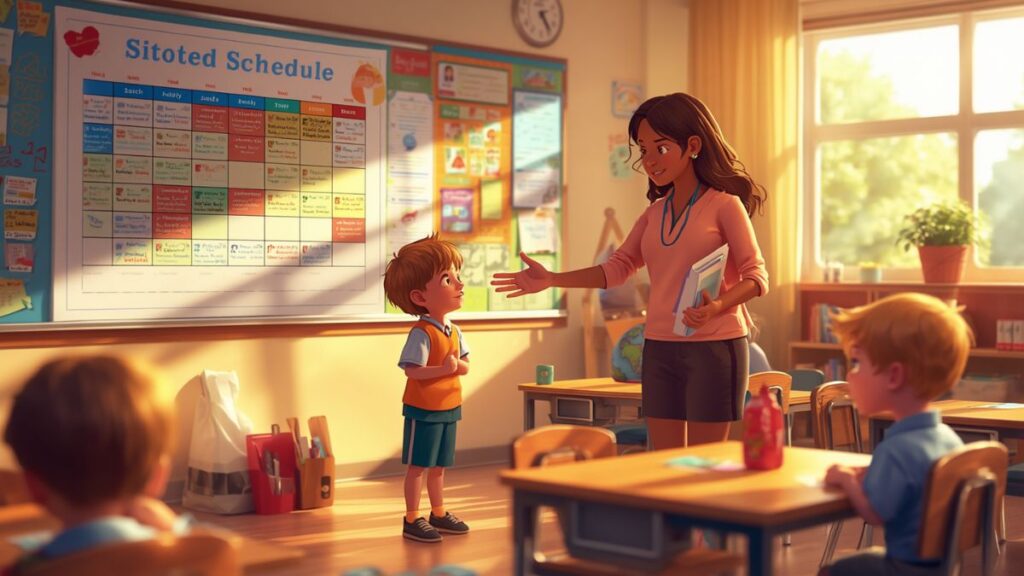
Jacob Learns to Handle Changes in His Daily Routine
Jacob was an eight-year-old boy who liked knowing exactly what his day would look like….

Ava Finds a Quiet Space When Things Feel Too Loud
Ava was a kind and creative eight-year-old who loved drawing, reading, and solving puzzles. She…
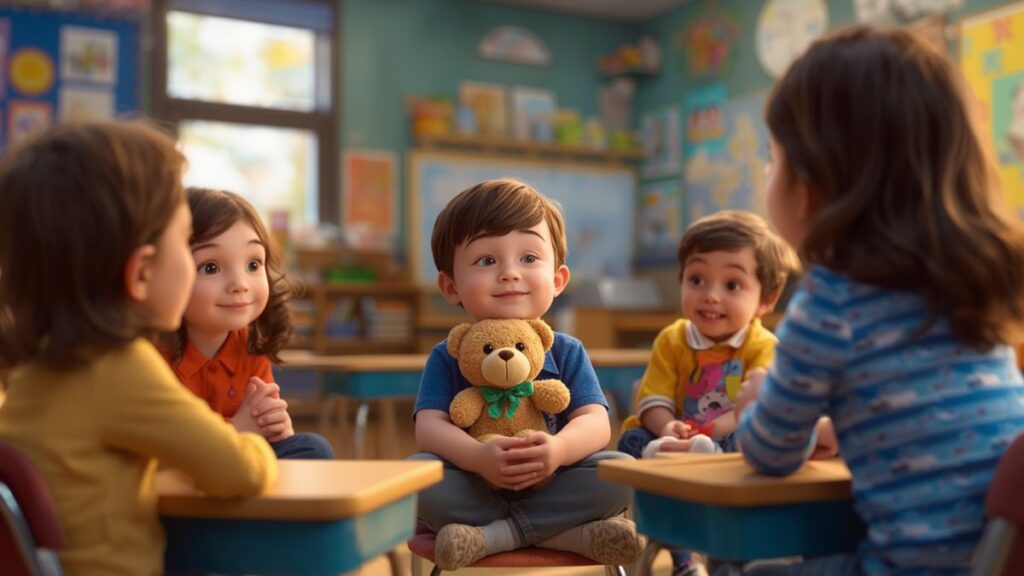
Ben Practices Waiting for His Turn to Speak
Ben was a happy and curious eight-year-old who loved talking with everyone he met. He…
Social Stories for Kids with ODD

Mason Learns That Following Directions Can Be a Team Effort
Mason was an energetic eight-year-old who loved building things, exploring outdoors, and asking questions. He…

Harper Finds Calm Choices When Anger Feels Big
Harper was a bright and energetic eight-year-old who loved soccer, drawing colorful pictures, and spending…
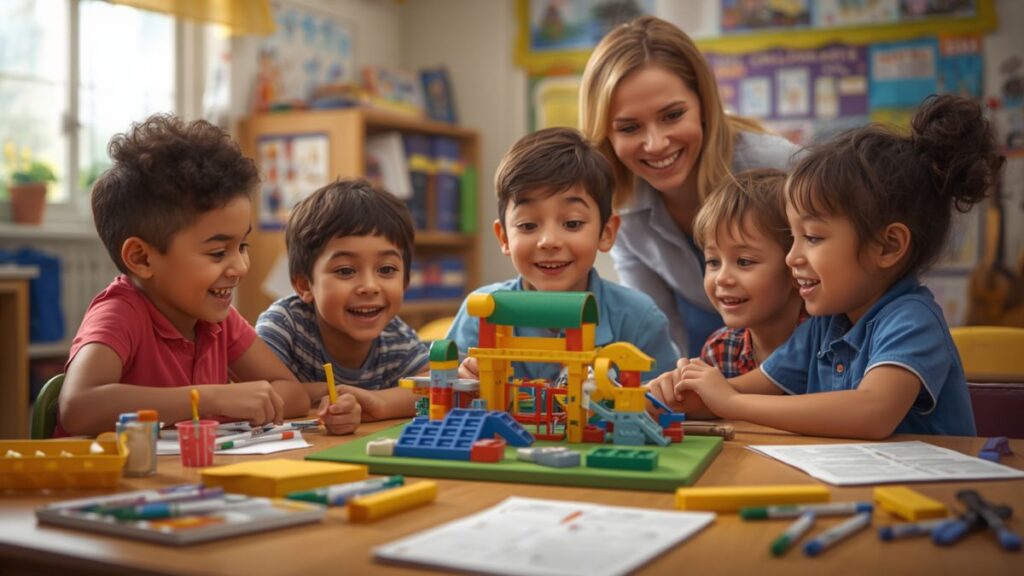
Lucas Learns That Compromise Helps Everyone Win
Lucas was an energetic eight-year-old who loved building amazing things. Whether he was stacking blocks…
Social Stories in the Classroom
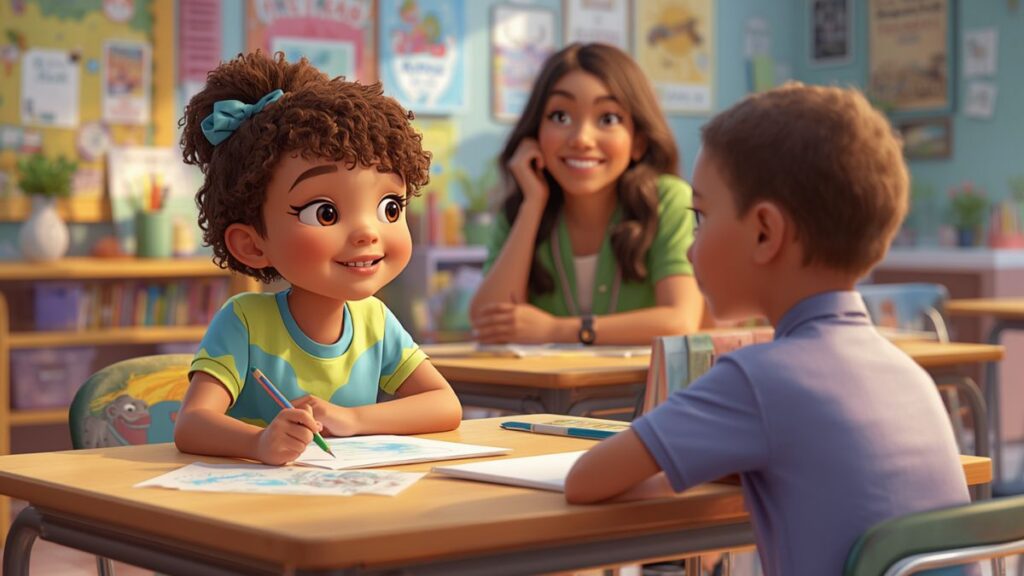
Chloe Learns to Respect Personal Space in the Classroom
Chloe was a friendly and caring seven-year-old who loved spending time with her classmates. She…

Owen Stays Focused During Independent Work Time
Owen was an energetic seven-year-old who loved coming to school each day. He enjoyed science…
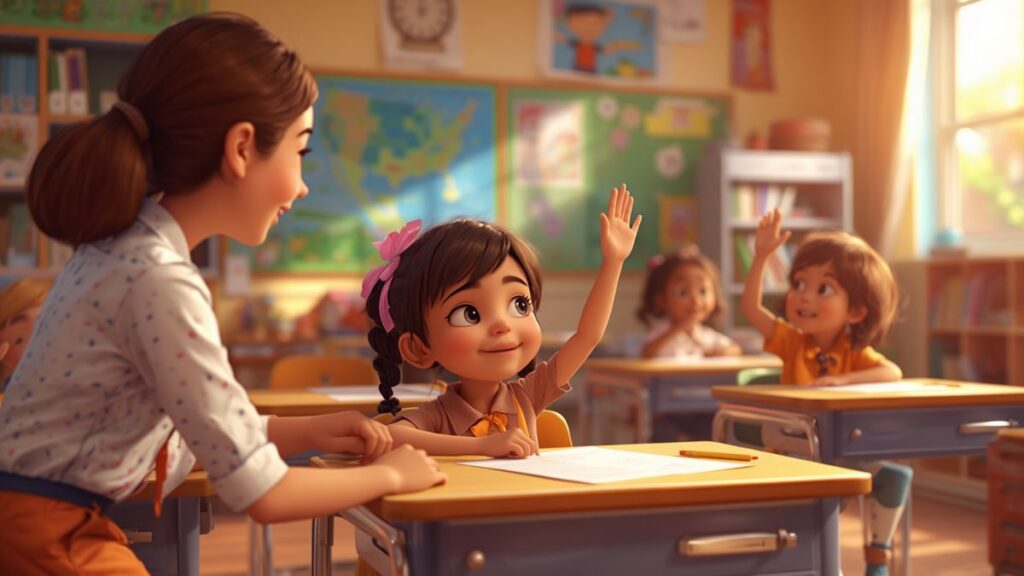
Ella Learns to Raise Her Hand Before Speaking
Ella was a cheerful seven-year-old who loved school. Every day she walked into her classroom…
Social Stories at Home

Grace Learns to Use a Calm Voice During Family Discussions
Grace was a thoughtful eight-year-old who loved reading bedtime stories, baking cookies with her grandmother,…
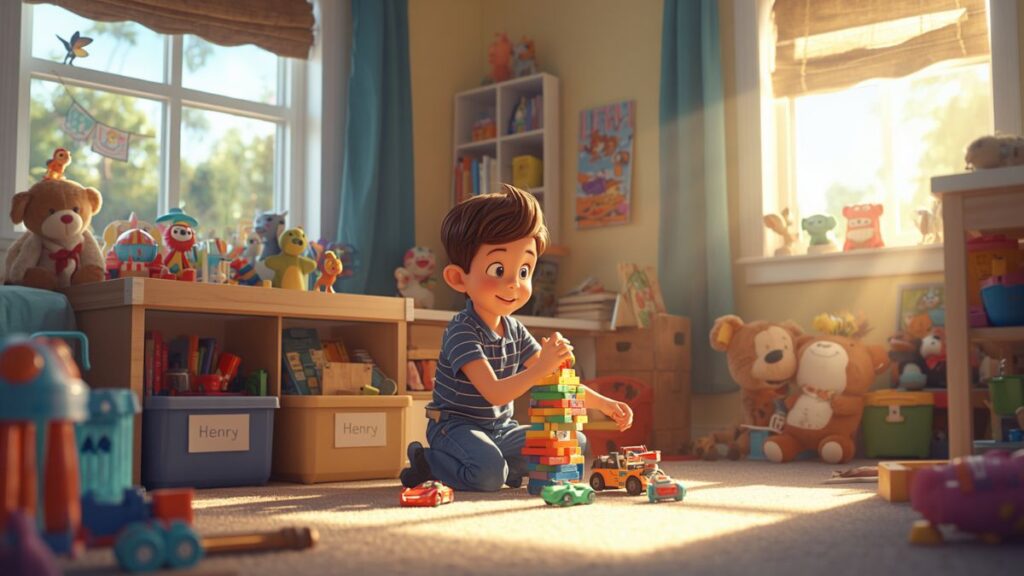
Henry Learns to Put Away His Toys Before Starting Something New
Henry was a cheerful eight-year-old who loved adventures. Every day after school, he found something…

Daniel Learns Why Helping with Chores Makes Home Happier
Daniel was a cheerful eight-year-old who loved building tall block towers, riding his bicycle, and…
Printable and Digital Social Stories
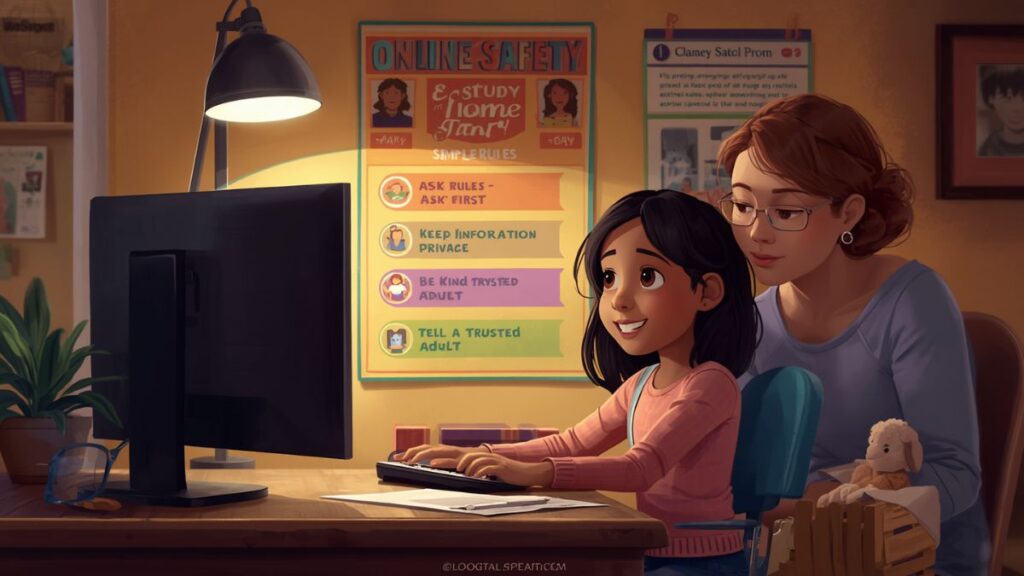
Maya Learns to Make Safe Choices Online
Maya was an eight-year-old who loved learning new things. She enjoyed reading interactive books, solving…

Ethan Learns to Follow a Visual Morning Routine
Ethan was a bright seven-year-old who loved dinosaurs, drawing colorful pictures, and riding his scooter…
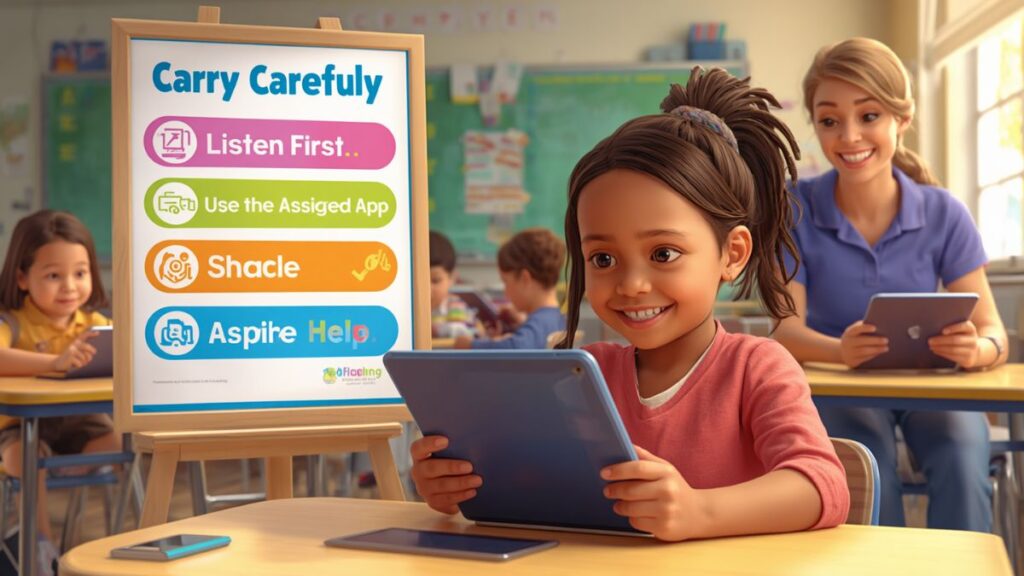
Sophie Learns How to Use a Tablet Responsibly
Sophie was an enthusiastic eight-year-old who loved learning new things. She enjoyed reading stories, solving…
Mistakes to Avoid
Social stories are most effective when they are simple, positive, and tailored to a child’s needs. However, certain mistakes can reduce their impact and make them harder for children to understand or relate to.
To make social stories as effective as possible, avoid these common mistakes:
Using Long Paragraphs
Children can become overwhelmed by large blocks of text. Keep sentences short and divide the story into small, easy-to-read sections.
Including Too Much Information
Focus on one situation or skill at a time. Trying to teach multiple lessons in a single story may confuse the child and make the main message less clear.
Focusing on Punishment
Social stories should encourage positive behavior rather than emphasize consequences or punishment. Explain what the child can do instead of highlighting what they should not do.
Using Negative Language
Choose encouraging and supportive wording. For example, instead of saying, “I don’t interrupt,” write, “I wait until someone finishes speaking before I talk.”
Reading the Story Only Once
Children learn through repetition. Reading the story regularly before the relevant situation helps reinforce the lesson and builds confidence over time.
Ignoring the Child’s Questions
Encourage children to ask questions and discuss the story. Their questions can help you identify areas that need further explanation and make the learning experience more meaningful.
Expecting Immediate Results
Behavioral and social skills take time to develop. Don’t expect instant changes after reading a story once or twice. Celebrate small improvements and continue using the story consistently.
Patience, consistency, and repetition are the keys to success. When social stories are used regularly in a positive and supportive environment, children are more likely to understand, remember, and apply the skills they learn in everyday situations.
Final Thoughts
Social stories are a practical and compassionate way to help children understand the world around them. By breaking everyday situations into simple, reassuring steps, they teach important social skills, emotional awareness, and problem-solving strategies without overwhelming the child.
Whether you’re supporting a preschooler learning to share, a student adjusting to a new classroom, a child with autism preparing for a doctor’s visit, or a child with ODD working on respectful communication, social stories provide consistent guidance that builds confidence over time.
With patience, repetition, and personalization, these simple stories can make everyday challenges feel more manageable and help children develop the skills they need to thrive at home, at school, and in their communities.