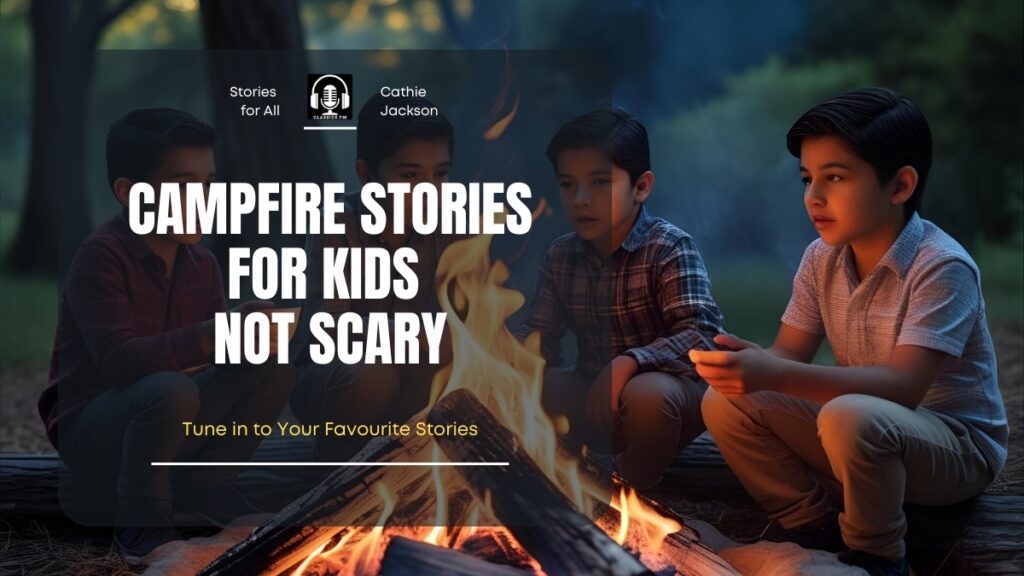
Few childhood memories are as special as sitting around a glowing campfire with family and friends. The crackling flames, cool evening air, and sparkling stars create the perfect setting for sharing stories that capture a child’s imagination.
Whether you’re camping in the woods, relaxing in your backyard, or hosting a family gathering, campfire stories for kids can transform an ordinary evening into an unforgettable adventure filled with laughter, wonder, and lasting memories.
While some campfire tales are spooky, many families prefer stories that are lighthearted, imaginative, and suitable for younger listeners. Adventures featuring friendly animals, magical forests, brave young heroes, and heartwarming lessons can keep children entertained without causing bedtime worries. These gentle stories encourage creativity, strengthen family bonds, and make the camping experience even more meaningful.
In this guide, you’ll discover why campfire stories for kids remain a favorite family tradition, learn practical tips for becoming a better storyteller, explore story ideas for different age groups, and find campfire stories for kids not scary that everyone can enjoy around the fire before settling in for a peaceful night’s sleep.
Why Campfire Stories Are Great for Kids
Campfire storytelling is much more than a fun camping activity. It brings families and friends together, encourages meaningful conversations, and gives children a chance to explore their imagination in a relaxed outdoor setting. Without the distractions of screens and busy schedules, kids can fully immerse themselves in the adventure of a well-told story while creating special memories with the people around them.
Some of the biggest benefits include:
- Encourages creativity and imagination
- Builds listening and communication skills
- Strengthens family bonding
- Creates lasting memories
- Inspires curiosity about nature
- Reduces screen time
- Helps children develop confidence through storytelling
- Makes camping trips more exciting
In addition to entertaining children, campfire stories often teach valuable lessons about kindness, courage, friendship, honesty, and teamwork. They also inspire children to create and share their own stories, helping them build confidence and express their creativity. Even a short story shared around the fire can become a cherished family tradition that children remember for years to come.
What Makes a Good Campfire Story?
The best campfire stories for children are simple, engaging, and easy to follow. They capture young listeners’ attention from the very beginning without becoming overly complicated or frightening. A well-told story sparks curiosity, encourages imagination, and keeps everyone excited to hear what happens next.
A great campfire story often includes:
- Memorable characters
- A fun adventure
- A clear beginning, middle, and ending
- Gentle humor
- Positive messages
- A satisfying conclusion
- Plenty of imagination
Children especially enjoy stories featuring talking animals, magical objects, hidden treasures, mysterious forests, friendly creatures, or exciting discoveries. Stories with relatable characters and small challenges also help children connect with the adventure while learning valuable lessons about kindness, courage, friendship, and teamwork.
Above all, a good campfire story should leave children feeling entertained, inspired, and eager for the next adventure around the fire.
Campfire Stories for Kids
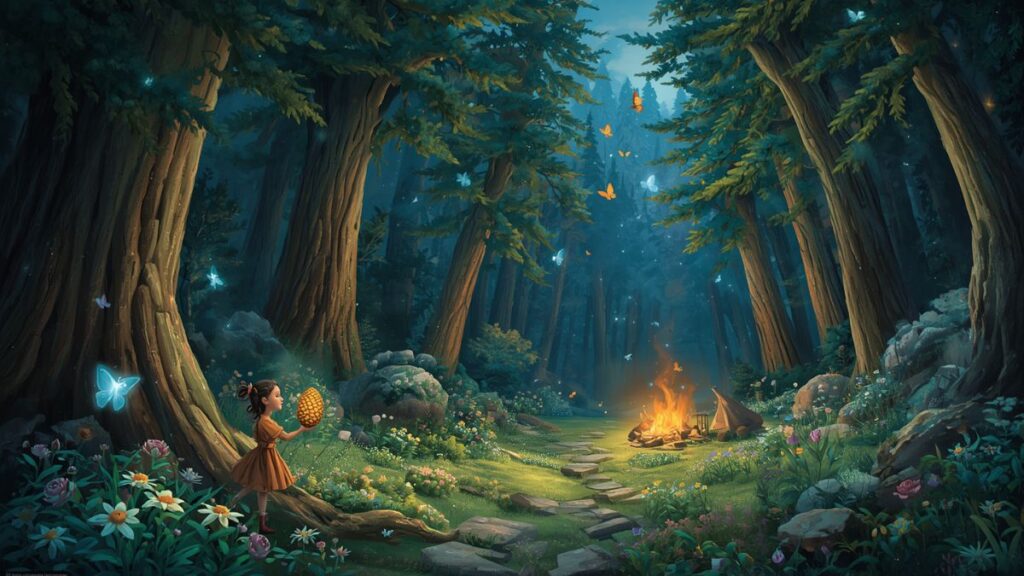
The Pinecone That Grew Into a Forest of Dreams
The first evening of summer camp always felt magical, but this year was different. As…
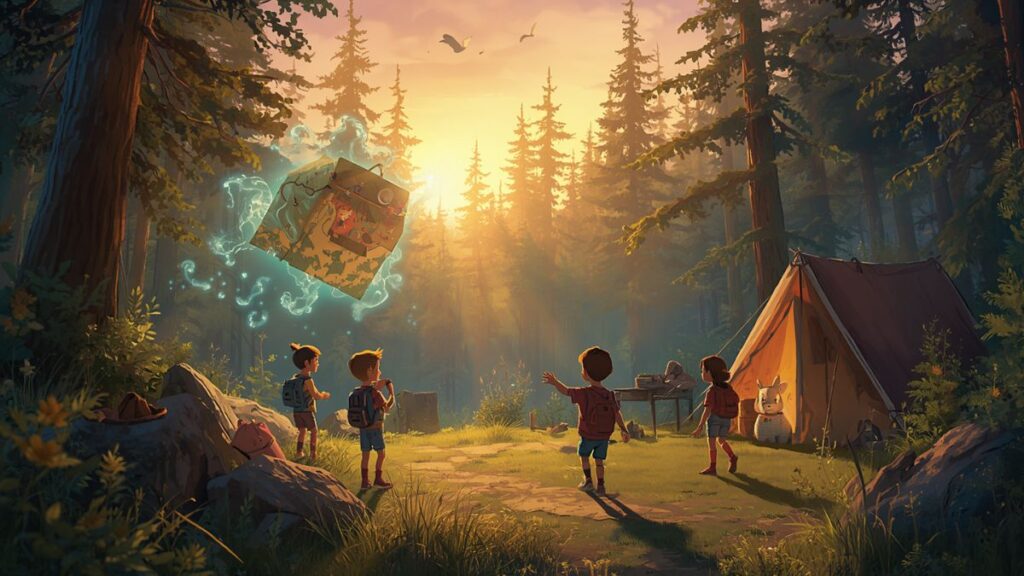
The Backpack That Packed Tomorrow’s Adventures
Every summer, children from different towns gathered at Pine Ridge Camp, a peaceful campsite surrounded…

The Fox Who Borrowed the Northern Lights
On the far edge of the world, where snowy mountains touched the sky and pine…

The Singing Pebbles of Echo Lake
On the edge of a peaceful forest, surrounded by tall pine trees and rolling hills,…
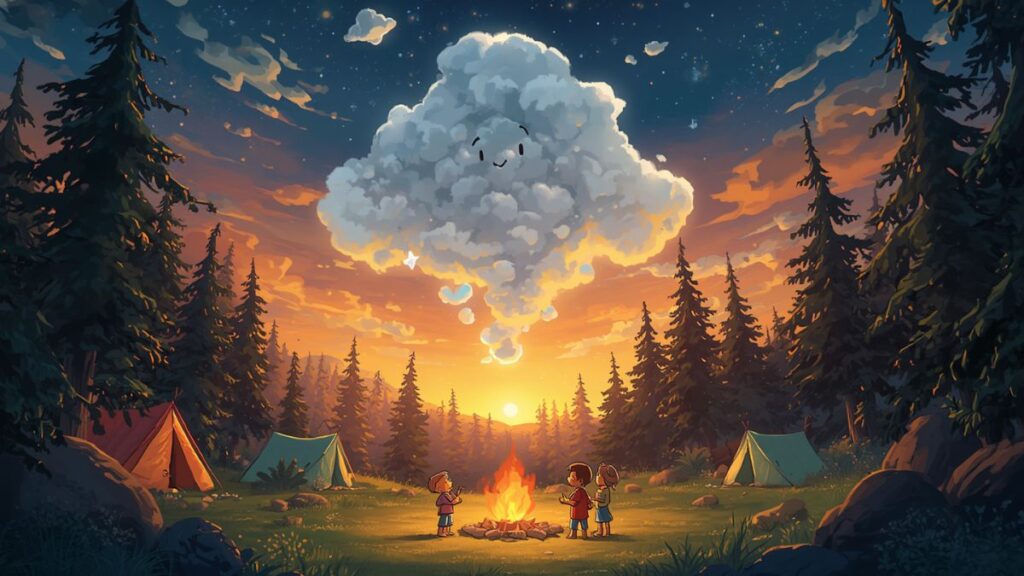
The Cloud That Came Camping Every Summer
Every summer, when the days grew long and the evenings filled with the songs of…
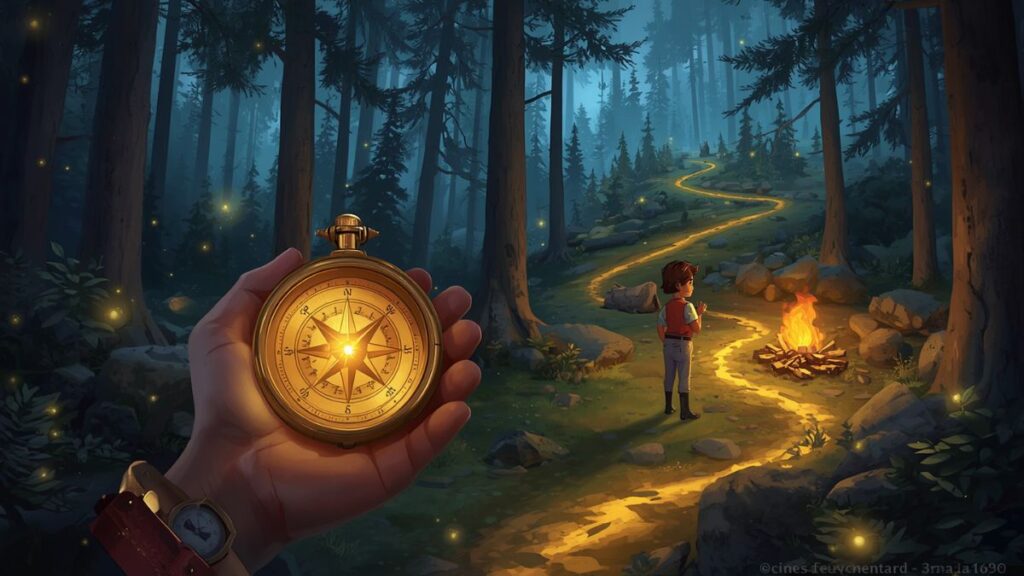
The Compass That Always Pointed to Kindness
The oldest building at Willow Creek Camp was a tiny wooden cabin tucked beneath a…
Choosing Stories Based on Age
NNot every campfire story is suitable for every child. Choosing age-appropriate stories helps keep young listeners engaged, entertained, and comfortable throughout the storytelling experience. As children grow, their interests, attention spans, and ability to understand more complex plots naturally change, so selecting stories that match their age makes the experience more enjoyable for everyone.
Ages 4 to 6
Young children enjoy simple stories with colorful characters, gentle adventures, and happy endings. Their favorite stories often include:
- Talking animals
- Friendly dragons
- Magical forests
- Colorful fairies
- Funny adventures
- Simple life lessons
Stories for this age group should be easy to follow, filled with imagination, and avoid anything that might feel too frightening.
Ages 7 to 10
Children in this age range are ready for slightly longer adventures with exciting challenges and creative problem-solving. They often enjoy:
- Treasure hunts
- Mystery adventures
- Brave heroes
- Magical creatures
- Forest explorations
- Clever problem-solving
Stories can include a bit more suspense while still ending on a positive and reassuring note.
Ages 11 and Older
Older children typically enjoy more detailed stories with richer characters and meaningful themes. Popular choices include:
- Longer adventures
- Fantasy quests
- Historical legends
- Survival stories
- Teamwork challenges
- Character-driven adventures
These stories can explore themes such as courage, responsibility, perseverance, and friendship while maintaining an adventurous and family-friendly atmosphere.
Matching the story to your audience keeps everyone interested from beginning to end and helps create a campfire experience that children of all ages will remember fondly.
Tips for Telling Better Campfire Stories
You don’t need to be a professional storyteller to keep children entertained around a campfire. A calm voice, a little enthusiasm, and a vivid imagination are often all it takes to bring a story to life. The way you tell the story can make it just as enjoyable as the story itself, helping children feel like they are part of the adventure.
Try these simple techniques:
- Speak slowly and clearly.
- Use different voices for characters.
- Pause before exciting moments to build suspense.
- Encourage children to imagine the setting.
- Ask simple questions during the story.
- Let children predict what happens next.
- Use hand gestures and facial expressions to add excitement.
- Finish with a satisfying and memorable ending.
Don’t worry about making every detail perfect. Children are often more interested in your enthusiasm than flawless storytelling. A fun, engaging delivery can transform even a simple story into an unforgettable campfire experience that everyone looks forward to sharing again.
Campfire Stories for Kids Not Scary
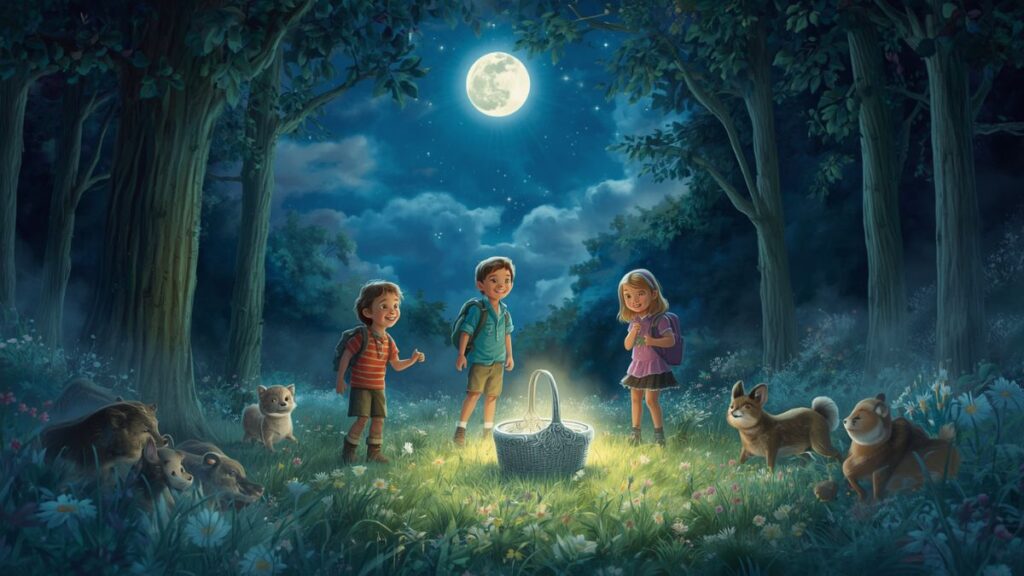
The Moon’s Lost Picnic Basket
On the edge of Whispering Pines Campground stood a wide, grassy meadow where families gathered…
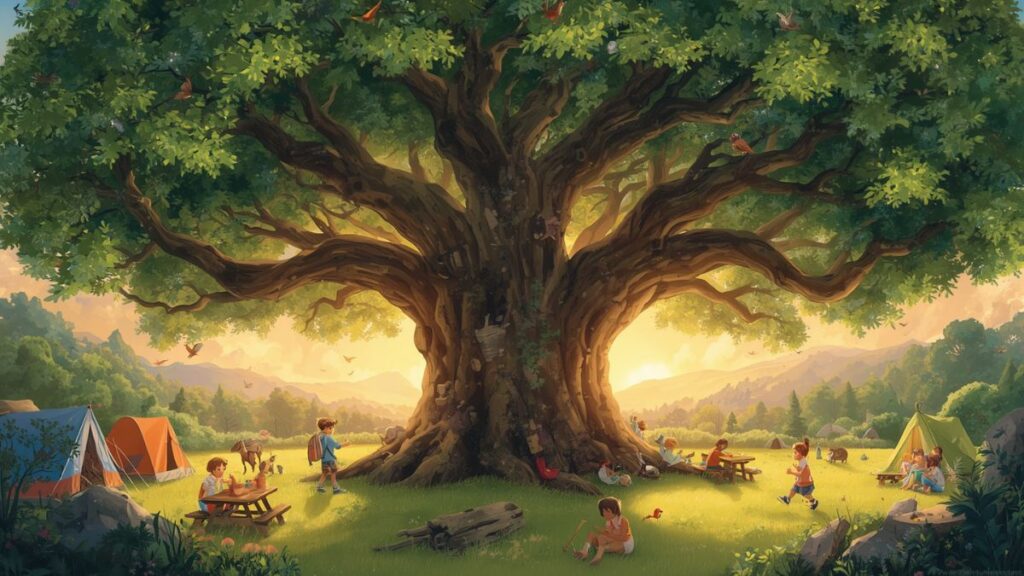
The Little Acorn Who Wanted to Become a Campsite Tree
Long before there were picnic tables, hiking trails, or cozy tents, the valley where Pine…
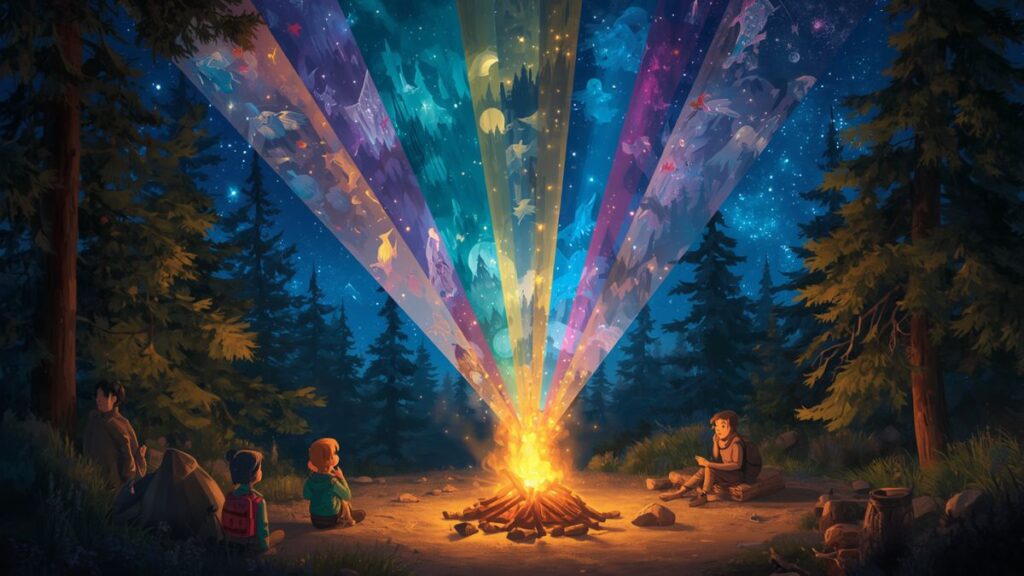
The Campfire That Painted the Night Sky
Every summer, families from all over the country gathered at Maple Ridge Campground, a peaceful…
Educational Benefits of Campfire Storytelling
Campfire storytelling is not only entertaining but also an excellent way to support a child’s learning and development. As children listen to stories, they naturally build language skills, strengthen their imagination, and learn valuable life lessons in a fun and engaging way. Unlike formal lessons, storytelling encourages learning through curiosity, creativity, and conversation.
Regular storytelling helps improve:
- Vocabulary
- Listening skills
- Memory
- Creativity
- Problem-solving
- Emotional understanding
- Communication
- Reading interest
In addition to these skills, campfire stories encourage children to think critically, ask questions, and imagine different possibilities. They also help develop empathy by allowing young listeners to understand the thoughts and feelings of different characters. Many children remember the lessons and adventures from a favorite campfire story long after the camping trip ends, making storytelling both enjoyable and educational.
Creating Your Own Campfire Story
You don’t need a published book or years of storytelling experience to tell a memorable campfire story. Some of the most enjoyable stories are the ones you create yourself, inspired by the outdoors, your imagination, or even suggestions from the children listening. A simple idea can quickly grow into an exciting adventure that everyone remembers.
To create your own campfire story, start with three simple ingredients:
A Memorable Character
Choose a character that children will enjoy following throughout the adventure. Giving the character a unique personality makes the story more engaging.
Examples include:
- A curious fox
- A brave rabbit
- A tiny dragon
- A clever raccoon
- A talking tree
An Interesting Goal
Every great story needs a mission or challenge that keeps the adventure moving forward.
Perhaps the character wants to:
- Find hidden treasure
- Rescue a friend
- Discover a magical waterfall
- Solve a mystery
- Help another animal
Adding a few obstacles along the way makes the journey more exciting while encouraging problem-solving and teamwork.
A Happy Ending
Children usually enjoy stories that end with hope, friendship, or a lesson learned. Whether the character completes their mission, makes a new friend, or discovers something valuable about themselves, a positive ending leaves young listeners feeling happy, inspired, and ready for the next campfire adventure.
Making Campfire Stories Interactive
Children love being part of the story instead of simply listening to it. Interactive storytelling keeps them engaged, encourages creativity, and makes the experience more memorable. By inviting children to share ideas or make decisions for the characters, you turn a simple story into a fun group adventure.
You can involve them by asking questions like:
- What do you think happens next?
- Which path should the fox choose?
- How would you solve this problem?
- What magical creature should appear now?
- What would you do if you were the hero?
You can also encourage children to create character names, invent magical objects, or describe what the setting looks like. Letting them contribute small details helps spark their imagination and makes them feel like co-authors of the adventure.
Interactive storytelling keeps everyone engaged from beginning to end, creating laughter, excitement, and unforgettable campfire memories that children will be eager to recreate on future camping trips.
Campfire Story Safety Tips
A successful campfire experience includes both fun and safety. Before the storytelling begins, take a few simple precautions to ensure everyone can relax and enjoy the evening. Creating a safe environment allows children to focus on the adventure while giving parents and caregivers peace of mind.
Remember to:
- Keep children a safe distance from the fire.
- Always supervise young campers.
- Have water or a fire extinguisher nearby.
- Avoid running or playing around the campfire.
- Extinguish the fire completely before leaving the area.
- Choose stories that are appropriate for the children’s ages and comfort levels.
It’s also helpful to establish a few basic campfire rules before gathering around the flames, such as staying seated unless given permission to move and avoiding throwing objects into the fire. With a little preparation, everyone can enjoy a fun, memorable, and safe evening filled with laughter, storytelling, and quality time together.
Common Mistakes to Avoid
Even the most imaginative campfire story can lose its magic if it isn’t told in a way that keeps children engaged. Fortunately, a few small adjustments can make storytelling much more enjoyable and memorable for everyone gathered around the fire.
Try to avoid:
- Making the story too long
- Using overly complicated plots
- Speaking too quickly
- Including frightening scenes for young children
- Interrupting the story too often
- Ending without resolving the adventure
It’s also helpful to avoid introducing too many characters or changing the storyline too often, as this can make it difficult for younger children to follow along. Instead, keep the story simple, exciting, and age-appropriate, with a clear beginning, middle, and satisfying ending.
The best campfire stories leave children feeling entertained, inspired, and eager to hear another adventure the next time everyone gathers around the fire.
How Campfire Stories Build Family Traditions
Some of the most meaningful family traditions begin with the simplest activities, and campfire storytelling is a perfect example. Gathering around the fire at the end of the day to share stories creates a sense of togetherness that children often remember long after the camping trip is over. These special moments become part of a family’s unique traditions and give everyone something to look forward to on future adventures.
Families often create traditions such as:
- Taking turns telling stories
- Inventing stories together
- Choosing a “Storyteller of the Night”
- Ending the evening with hot chocolate and marshmallows
- Sharing favorite stories from previous camping trips
Over time, children may begin creating their own stories or passing down favorite tales to younger siblings. These shared experiences strengthen family bonds, encourage creativity, and create lasting memories that can be enjoyed for generations. What starts as a single bedtime story around the campfire can easily become a cherished tradition that brings the whole family together year after year.
Final Thoughts
Sharing campfire stories for kids is one of the simplest and most enjoyable ways to make time outdoors more meaningful. Whether you’re camping in the wilderness or gathering around a backyard fire pit, storytelling brings families together, encourages creativity, and turns an ordinary evening into a memorable adventure. A well-told story can spark imagination, inspire laughter, strengthen family connections, and create cherished memories that children will carry with them for years.
If you’re looking for campfire stories for kids not scary, choose tales filled with friendly animals, magical discoveries, brave heroes, acts of kindness, and happy endings. These gentle adventures capture children’s attention without causing bedtime fears, making them perfect for ending the day on a calm and positive note.
Most importantly, remember that the best campfire stories aren’t necessarily the longest or most elaborate. They’re the ones shared with warmth, enthusiasm, and togetherness. Every story told beneath the stars has the power to inspire young imaginations, build lasting family traditions, and create moments that children will fondly remember long after the campfire has gone out.