Teachers have the unique ability to shape lives in ways that extend far beyond the classroom. While textbooks teach facts and figures, great educators teach confidence, resilience, kindness, and curiosity. A single encouraging word from a teacher can inspire a student to overcome challenges, pursue ambitious goals, or believe in themselves for the first time.
This is why inspirational stories have remained valuable teaching tools for generations. They encourage reflection, spark meaningful discussions, and remind educators that even the smallest acts of kindness can leave a lasting impression.
Whether you are looking for motivational stories about the power of education, heartwarming short stories for educators, or short classroom fables with a moral, these stories and lessons can inspire both teachers and students to appreciate the true purpose of education.
Why Inspirational Stories Matter for Teachers
Every classroom is unique. While some students are eager to participate and learn, others may face personal challenges that affect their confidence and academic performance. Inspirational stories help teachers reconnect with the purpose of education and remind them that their influence reaches far beyond textbooks and exams.
They Reinforce the True Purpose of Teaching
Teaching is about more than delivering lessons or preparing students for tests. Great educators help students develop confidence, resilience, empathy, and curiosity. Inspirational stories remind teachers that even small acts of encouragement can leave a lasting impact on a student’s life.
They Encourage Emotional Connections
Stories connect with readers in ways that facts and statistics often cannot. By following relatable characters through challenges and successes, students become emotionally invested in the lessons being taught. This makes important values such as honesty, perseverance, kindness, and responsibility easier to understand and remember.
They Renew Teachers’ Motivation
Teaching comes with busy schedules, classroom management, lesson planning, grading, and countless responsibilities. During demanding periods, inspirational stories can help teachers reflect on the meaningful difference they make every day. They serve as gentle reminders that patience, compassion, and encouragement often have a greater impact than teachers realize.
They Promote Meaningful Classroom Discussions
Stories naturally encourage conversation. After reading an inspiring story, students often feel more comfortable sharing their own experiences, opinions, and ideas. These discussions strengthen communication skills, develop empathy, and create a classroom environment where students feel respected and heard.
They Support Character Development
Inspirational stories teach valuable life lessons through memorable situations rather than simple instructions. Instead of telling students to be respectful or responsible, stories demonstrate these qualities through relatable characters and realistic experiences. This approach helps students understand how positive values apply in everyday life.
Inspirational Short Stories for Teacher

The Empty Desk That Changed an Entire Classroom
The first thing anyone noticed when they walked into Room 12 wasn’t the colorful bulletin…
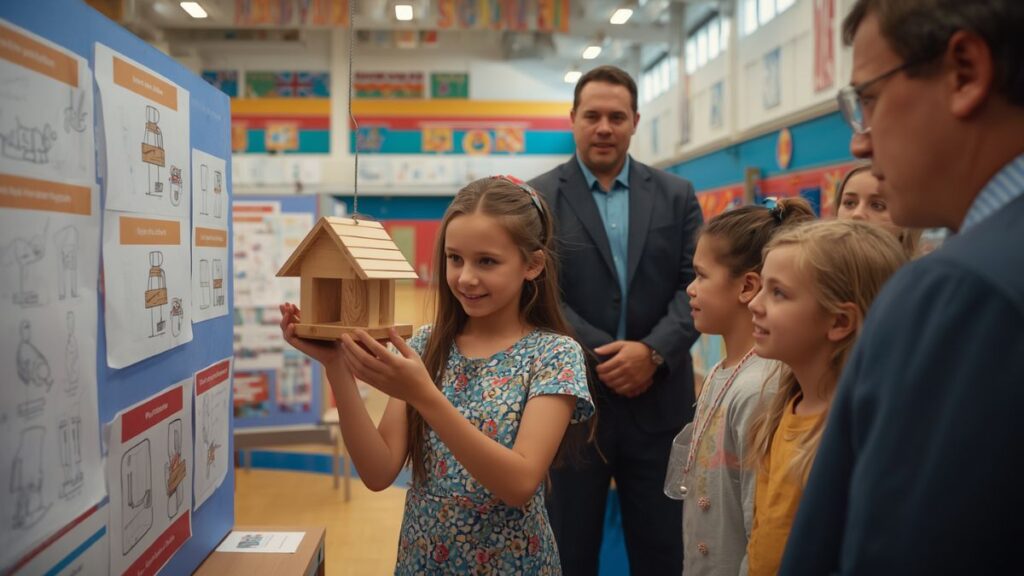
The Science Fair Project No One Believed In
The annual science fair was the biggest event of the school year at Oakwood Elementary….

The Morning Greeting That Saved a Dream
Every school day at Pine Grove Elementary began the same way. At exactly 7:45 each…

The Report Card with One Blank Space
The final week of school was always one of the busiest times at Meadowbrook Elementary….

The Classroom Clock That Always Ran Five Minutes Slow
Every classroom at Riverside Elementary followed the same schedule. The first bell rang at 8:00….

The Pencil That Never Stayed Sharp
Every Monday morning, Mrs. Bennett welcomed her fourth-grade students with the same cheerful smile. “Good…
Why Stories Are Powerful Teaching Tools
Stories have been used to teach important lessons for centuries because they engage both the mind and the emotions. From classic fables to modern classroom narratives, storytelling helps students understand concepts in a way that feels natural, memorable, and meaningful.
Unlike lectures or lists of rules, stories help students connect with characters, understand consequences, and reflect on their own choices. They encourage imagination while reinforcing values such as honesty, perseverance, responsibility, compassion, and teamwork. Because stories create emotional connections, students are more likely to remember both the lesson and the message behind it.
They Make Learning More Engaging
A good story captures students’ attention from the beginning. Interesting characters, relatable situations, and meaningful challenges keep learners interested while making lessons more enjoyable. This increased engagement often leads to better participation and improved understanding.
They Build Reading and Thinking Skills
Stories help students strengthen vocabulary, reading comprehension, and analytical thinking. As they follow a storyline, they learn to identify themes, understand cause-and-effect relationships, and draw conclusions based on the actions of different characters.
They Encourage Empathy and Character Development
By experiencing situations through another person’s perspective, students develop empathy and emotional awareness. Stories naturally demonstrate important values such as kindness, respect, honesty, patience, and perseverance, helping students understand how these qualities influence everyday life.
They Simplify Complex Ideas
Some life lessons can be difficult to explain through direct instruction alone. Stories present these concepts through relatable situations, making topics like teamwork, responsibility, resilience, and problem-solving easier for students to understand and apply.
They Inspire Classroom Discussions
Teachers often use stories as conversation starters because they encourage students to express their opinions, ask thoughtful questions, and share personal experiences. These discussions strengthen communication skills while creating a more inclusive and supportive classroom environment.
Teachers often use stories to:
- Introduce classroom discussions.
- Build reading comprehension skills.
- Encourage empathy and critical thinking.
- Explain complex ideas through relatable situations.
- Inspire positive behavior and personal growth.
A well-told story can remain in a student’s memory long after individual lessons have been forgotten. Whether shared during a morning meeting, a language arts lesson, or a character education activity, stories continue to be one of the most effective teaching tools for inspiring lifelong learning and personal growth.
Qualities Every Inspiring Teacher Shares
Every teacher has a unique teaching style, but many inspiring educators share common qualities that make a lasting difference. These qualities go beyond subject knowledge and help create classrooms where students feel respected, motivated, and encouraged to learn. While no teacher is perfect, developing these characteristics can have a positive impact on both academic success and personal growth.
Patience
Learning happens at different speeds. Patient teachers understand that mistakes are part of the learning process and encourage students to keep trying rather than giving up. Instead of focusing on setbacks, they celebrate progress and help students build confidence one step at a time.
Empathy
Students perform their best when they feel understood. Teachers who listen carefully and show compassion create classrooms built on trust and respect. By recognizing that every student has different experiences and challenges, empathetic educators make learning more supportive and inclusive.
Curiosity
The best educators never stop learning themselves. Their enthusiasm for discovering new ideas, teaching methods, and classroom activities encourages students to become lifelong learners. A curious teacher inspires students to ask questions, think creatively, and enjoy the learning process.
Consistency
Fair expectations and reliable routines help students feel secure. Consistent teachers create positive learning environments where students know what is expected of them. This stability encourages responsibility, discipline, and mutual respect within the classroom.
Encouragement
A few sincere words of encouragement can completely change a student’s confidence. Great teachers recognize effort as well as achievement, motivating students to keep improving even when they face challenges. Many successful people remember a teacher who simply believed in them before anyone else did.
These qualities are often what students remember most about their favorite teachers. Long after lessons and exams are forgotten, the patience, kindness, and encouragement shown by a caring educator continue to influence students throughout their lives.
Motivational Stories About the Power of Education

The Old School Bell That Never Stopped Ringing
At the edge of a quiet mountain village stood the oldest building anyone could remember….

The Girl Who Studied Under a Streetlight
Every evening, just as the sun disappeared behind the hills, the lights in the small…

The Library Card That Opened Every Door
On the edge of a small town stood a tiny brick library that many people…
Heartwarming Short Stories for Educators

The Tree That Grew with Every Graduation
On the first morning of her teaching career, Emily Foster stood quietly outside Cedar Hill…

The Pair of Shoes by the Classroom Door
Every Monday morning, before the first students arrived at Willow Creek Elementary, Room 7 looked…

The Thank-You Note Hidden Inside a Textbook
The final bell of the school year had rung only three days earlier, and Maple…
Short Classroom Fables with a Moral

The Eraser That Loved Mistakes
On the first day of school, a shiny pink eraser sat proudly inside a brand-new…

The Little Paper Airplane That Never Won the Race
In a bright fifth-grade classroom, excitement filled the air long before the afternoon lesson began….

The Chalk That Refused to Break
On the corner of a wooden classroom desk sat a brand-new box of white chalk….
Benefits of Sharing Inspirational Stories in the Classroom
Adding inspirational stories to daily lessons offers numerous educational and personal benefits. Beyond making lessons more engaging, stories help students connect with important values, understand different perspectives, and apply meaningful life lessons to real-world situations. They also create opportunities for thoughtful discussions that strengthen the overall classroom experience.
Builds Confidence
Many inspirational stories feature characters who overcome obstacles through determination and perseverance. These examples encourage students to believe in their own abilities and understand that mistakes are part of learning and personal growth.
Strengthens Communication Skills
Discussing stories in the classroom encourages students to express their opinions, ask questions, and listen respectfully to others. These conversations improve speaking, listening, and critical thinking skills while helping students become more confident communicators.
Develops Empathy
Stories allow students to experience situations through the eyes of different characters. This helps them understand emotions, appreciate diverse perspectives, and develop compassion for others, both inside and outside the classroom.
Encourages Problem-Solving
Many stories present challenges that require thoughtful decisions. By analyzing how characters respond to difficult situations, students learn to think critically, evaluate possible solutions, and make responsible choices.
Increases Motivation to Learn
Inspirational stories often highlight the importance of persistence, hard work, and self-belief. These positive messages motivate students to face challenges with confidence and remain committed to achieving their goals.
Creates a Positive Learning Environment
Stories naturally encourage meaningful conversations between teachers and students, helping build stronger classroom relationships based on trust and mutual respect. They also promote teamwork, kindness, and a sense of belonging, making the classroom a more welcoming place for everyone.
When used regularly, inspirational stories become more than just reading activities. They help students develop valuable life skills while making learning more enjoyable, memorable, and meaningful.
Choosing Stories for Different Age Groups
Selecting age-appropriate stories helps students connect more naturally with the lessons being taught. When stories match a student’s level of understanding and interests, they become more engaging, meaningful, and effective. Choosing the right story for each age group also makes it easier for teachers to reinforce important values and encourage meaningful discussions.
Elementary School Students
Younger children respond best to simple stories with relatable characters, clear language, and easy-to-understand morals. Stories about kindness, honesty, sharing, friendship, and responsibility help introduce positive values while keeping students engaged through imaginative and enjoyable storytelling.
Middle School Students
As students grow older, they begin exploring their own identities and relationships. Stories about friendship, perseverance, teamwork, overcoming self-doubt, and making responsible choices often resonate with this age group. These stories encourage students to reflect on challenges they may face both inside and outside the classroom.
High School Students
Older students often appreciate stories that explore leadership, resilience, ethical decision-making, goal setting, and preparing for future careers. Inspirational stories featuring real-life challenges and personal growth can motivate them to think critically, build confidence, and prepare for the responsibilities of adulthood.
Choosing stories that align with students’ maturity levels helps maximize engagement while reinforcing valuable life lessons. When students see themselves reflected in the characters and situations, they are more likely to connect with the message and remember it long after the lesson has ended.
Lessons Every Teacher Can Remember
Teaching is one of the few professions where the full impact of today’s work may not be visible until many years later. A lesson taught today or a few encouraging words shared with a student can continue to make a difference long after the school year has ended.
Students may not remember every assignment or examination, but they often remember the teacher who listened patiently, encouraged them during difficult moments, or celebrated their progress. These everyday interactions often leave a lasting impression and help shape a student’s confidence and attitude toward learning.
Some of the most valuable lessons every teacher can remember include:
Every Student Deserves Patience and Respect
Every learner grows at their own pace. Showing patience and treating students with kindness and respect creates a supportive environment where they feel comfortable learning from their mistakes.
Small Acts of Kindness Matter
Simple gestures, such as offering encouragement, recognizing improvement, or taking extra time to help a struggling student, can create memories that last a lifetime. Teachers often underestimate the impact of these everyday moments.
Encouragement Builds Confidence
Positive words can inspire students to believe in themselves and continue working toward their goals. Many successful people remember a teacher who encouraged them when they needed it most.
Education Shapes More Than Knowledge
Teaching is not only about academic achievement. It also helps students develop important qualities such as responsibility, honesty, perseverance, and empathy that will guide them throughout life.
Every Teacher Leaves a Lasting Legacy
Teachers influence future generations through the students they inspire. The lessons, values, and confidence they help build today can continue to benefit families, communities, and workplaces for years to come.
Remembering these lessons helps educators stay focused on what truly matters: making a positive difference in the lives of their students, one classroom and one learner at a time.
Final Thoughts
Inspirational stories remind us that teaching is about much more than delivering lessons. It is about helping students discover their strengths, overcome obstacles, and believe in their potential.
Whether through motivational stories about the power of education, heartwarming short stories for educators, or short classroom fables with a moral, these narratives encourage both teachers and students to appreciate the lifelong value of learning.
Every classroom presents an opportunity to inspire curiosity, encourage kindness, and build confidence. A lesson may last for an hour, but the encouragement behind it can remain with a student for decades.
The stories that follow celebrate the extraordinary difference teachers make every day and serve as a reminder that education has the power to transform lives, one student at a time.