World Environment Day often brings conversations about climate change, pollution, conservation, and sustainability. While these topics are undeniably important, they can sometimes feel overwhelming or repetitive.
That is exactly why Best Environment Day Stories for Adults Funny continue to attract readers year after year.
Humor offers a refreshing alternative. A well-crafted environmental story can make readers laugh while encouraging them to think about their relationship with nature. In many cases, a funny story delivers a stronger message than a lengthy report because readers remember the characters, situations, and lessons long after they’ve finished reading.
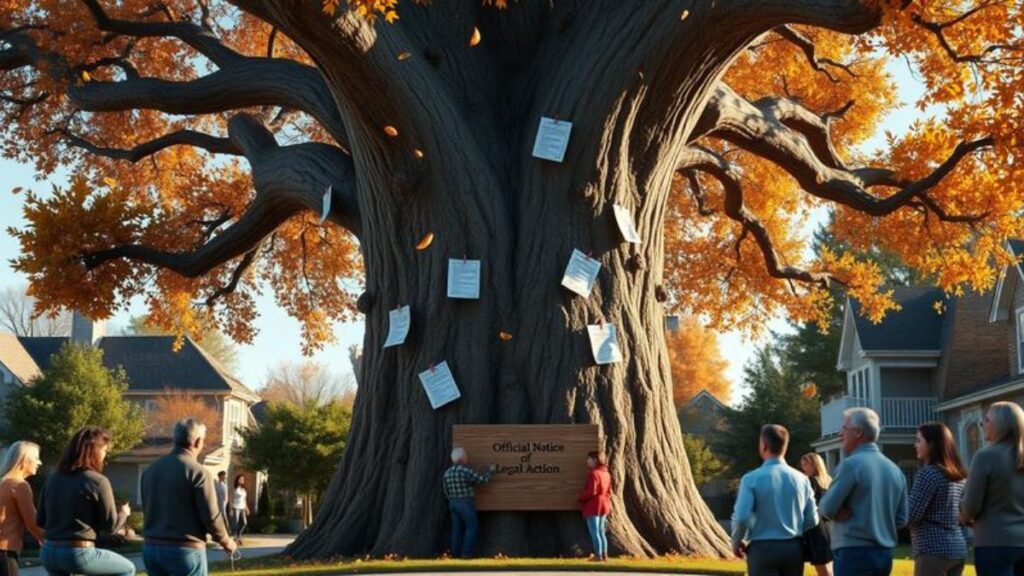
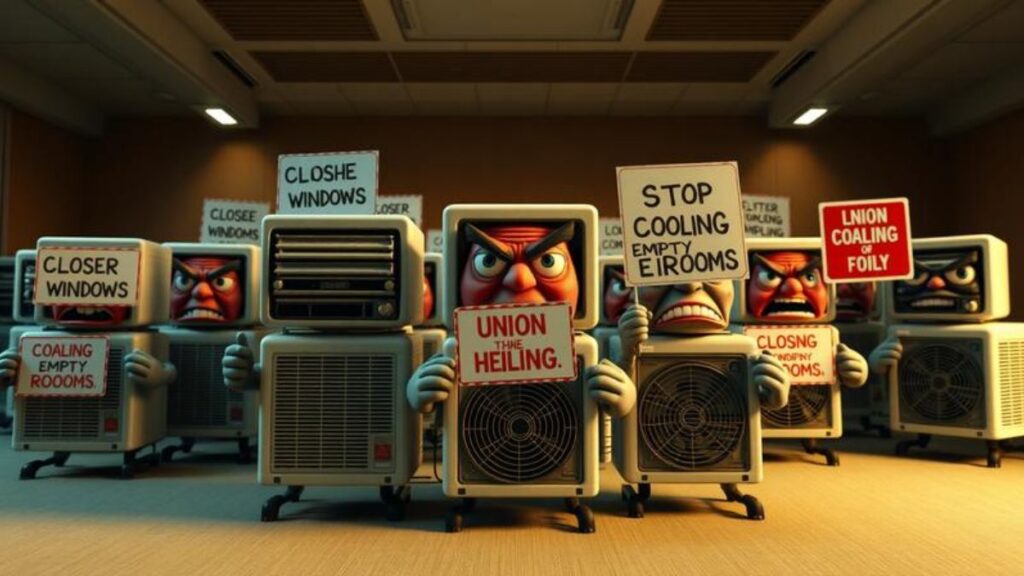
The popularity of the Best Environment Day Stories for Adults Funny demonstrates how comedy can transform serious environmental topics into engaging and memorable experiences. Whether it’s a talking tree suing its neighbors, a supervillain accidentally becoming an environmental hero, or a group of air conditioners organizing a strike against wasteful energy habits, these stories make sustainability more relatable and entertaining.
This growing interest in environmental humor has also contributed to the rise of funny short stories about the environment, satirical eco fiction for adults, and humorous sustainability stories that blend comedy with meaningful environmental messages.
In this collection of Best Environment Day Stories for Adults Funny, you’ll discover a featured environmental story, several entertaining eco adventures, and insights into why humorous environmental fiction continues to resonate with adult readers. These stories prove that protecting the planet doesn’t always require lectures and statistics. Sometimes, a good laugh is the most effective way to inspire change.
Why Humor Is Becoming a Powerful Environmental Tool
Environmental organizations and educators increasingly use humor because it makes difficult topics easier to discuss.
Consider these facts:
- More than 2 billion tonnes of municipal waste are generated worldwide every year.
- Roughly one million plastic bottles are purchased globally every minute.
- Nearly one-third of food produced around the world is wasted.
- A mature tree can absorb approximately 22 kilograms of carbon dioxide annually.
These statistics are important, but numbers alone rarely inspire action.
Stories, on the other hand, help readers connect emotionally with environmental issues. Humor makes those stories even more memorable.
Rather than focusing solely on problems, funny environmental fiction encourages reflection through entertainment.
Funny Short Stories About the Environment
Many readers search for funny short stories about the environment because they provide a lighthearted way to explore serious topics.
These stories often use role reversals, absurd situations, and imaginative characters to highlight real-world environmental issues. The result is a reading experience that entertains while subtly encouraging sustainable thinking.
One of the best examples is a story about a tree that finally decides it has had enough of human complaints.
The Environmental Support Group
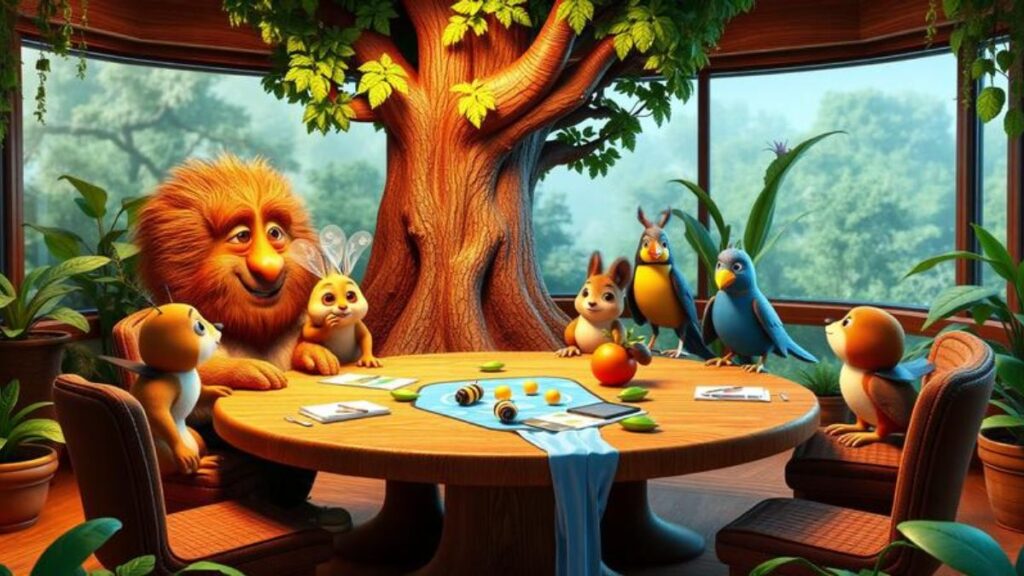
Every Wednesday evening, long after the humans of Greenfield had gone home, a peculiar meeting took place beneath the town’s community center.
The gathering was not listed on any public calendar.
No invitations were mailed.
No advertisements were posted.
Yet attendance was always excellent.
The reason was simple.
The members all had something important in common.
They were tired of humans.
The Environmental Support Group had been meeting for years.
Its purpose was to provide a safe space where representatives from nature could discuss the confusing, contradictory, and occasionally hilarious behavior of the human species.
The group consisted of a surprisingly diverse membership.
Trees attended regularly.
Bees rarely missed a meeting.
The local river held a permanent seat on the council.
Squirrels occupied three chairs despite only being assigned one.
Several earthworms participated remotely from a compost pile.
Even the wind occasionally joined the discussions, although nobody could ever determine exactly where it was sitting.
The group’s founder was an elderly oak tree named Margaret.
At nearly two hundred years old, Margaret had witnessed enough human behavior to fill multiple encyclopedias.
Every Wednesday, she opened the meeting with the same statement.
“Good evening, everyone. Remember, this is a judgment-free environment.”
The room always nodded politely.
Then the complaints began.
One particularly memorable meeting started with the bees.
Barry the Bumblebee stood and adjusted his tiny reading glasses.
“I’d like to report another incident.”
The group sighed.
Bee-related reports rarely ended well.
Barry opened a notebook.
“Last month, a homeowner planted a beautiful pollinator garden.”
The room nodded approvingly.
“So far, so good.”
Barry continued.
“The garden contained native flowers, flowering herbs, and several species specifically designed to support pollinators.”
The audience looked impressed.
“Then what happened?” Margaret asked.
Barry took a deep breath.
“Two weeks later, the homeowner removed all the flowers because they attracted too many bees.”
The room fell silent.
A river somewhere in the back muttered something inappropriate.
Margaret slowly rubbed her bark.
“To summarize, the human planted flowers to attract bees.”
“Correct.”
“The flowers attracted bees.”
“Correct.”
“And this upset the human.”
“Exactly.”
The room collectively wrote down another entry for the annual list of Human Mysteries.
Next came the squirrels.
The squirrel delegation was represented by Harold, who considered himself an expert on human behavior.
Nobody else agreed.
“I have a report,” Harold announced dramatically.
Margaret nodded.
“Proceed.”
Harold climbed onto the table.
“A local resident spent four hundred dollars installing bird feeders.”
Several members smiled.
“Wonderful.”
Harold pointed dramatically.
“Then he spent six hundred dollars attempting to stop squirrels from reaching the bird feeders.”
The room froze.
Margaret blinked.
The river blinked.
Even the wind paused briefly.
“Let me understand this,” said Margaret.
“The human spent money attracting wildlife.”
“Yes.”
“And then spent even more money preventing wildlife from accessing the food.”
“Correct.”
The earthworms immediately nominated the case for Most Confusing Human Behavior of the Month.
The river spoke next.
River reports were often depressing.
This one was merely confusing.
“A resident organized a community cleanup along my banks.”
The group applauded.
The river smiled.
“It was very successful.”
“That’s wonderful,” Margaret said.
“Unfortunately, after the cleanup ended, the same organizers held a celebration.”
The room waited.
“They left all their trash behind.”
Silence filled the basement.
Finally, one earthworm raised a question.
“Did they understand the purpose of the cleanup?”
“We honestly don’t know.”
The river sat down.
The room added another note to the growing file.
As the meetings continued, the stories became stranger.
A maple tree described a homeowner who complained about summer heat while demanding the removal of shade trees.
A robin reported a family that built decorative birdhouses too small for actual birds.
The wind described watching people drive around parking lots searching for spaces closer to the gym entrance.
That story received a standing ovation.
One evening, the Environmental Support Group decided to create a new tradition.
Every meeting would end with an award.
The title was simple.
Most Confusing Human of the Week.
Competition was fierce.
The first winner was a man who purchased bottled water while standing beside a public drinking fountain.
The second winner bought expensive compost while throwing food scraps into the trash.
The third winner installed solar-powered garden lights and then complained that they stopped working when stored in a dark garage.
His victory was unanimous.
Months passed.
The collection of stories grew.
The group eventually needed additional storage for meeting records.
A filing cabinet was installed.
Then a second.
Then a third.
By the end of the year, the archives contained hundreds of examples.
One report described a neighborhood that removed trees to create additional parking.
The following summer, residents complained about excessive heat.
Another report detailed a family that purchased reusable shopping bags every month because they kept forgetting the reusable shopping bags they already owned.
The reusable bag case became legendary.
One particularly dramatic meeting centered around lawn care.
Margaret opened the floor.
Immediately, several insects requested speaking privileges.
A butterfly went first.
“A homeowner planted flowers.”
The room smiled.
“Then removed them because they attracted insects.”
The smile disappeared.
A ladybug spoke next.
“A resident sprayed chemicals to eliminate insects.”
The audience frowned.
“What happened?”
“He then complained that his garden wasn’t attracting butterflies.”
The room collectively groaned.
The story earned immediate nomination for Human of the Week.
As years passed, the Environmental Support Group developed a surprising reputation.
Whenever something especially baffling occurred, members couldn’t wait until Wednesday.
Emergency meetings became increasingly common.
One emergency session occurred after a man purchased an electric leaf blower to move leaves from one side of his yard to the other.
The trees required several minutes to recover from laughter.
Eventually, Margaret decided the group needed to do more than simply complain.
“Perhaps we’re approaching this incorrectly,” she said during one meeting.
The room grew quiet.
“What do you mean?” asked Barry.
Margaret considered the question.
“Maybe humans aren’t intentionally confusing.”
The audience looked skeptical.
Harold nearly fell off his chair.
Margaret continued.
“Perhaps they simply don’t see the contradictions we see.”
The room remained silent.
It was an uncomfortable idea.
Mostly because it sounded reasonable.
The group decided to conduct an experiment.
Instead of criticizing human behavior, they would observe moments when people got things right.
At first, the project seemed difficult.
Then the reports began arriving.
The river observed volunteers removing litter from waterways.
The bees reported growing numbers of pollinator gardens.
Trees documented community planting projects.
Earthworms noticed increased composting efforts.
Birds described new wildlife habitats appearing throughout town.
The stories kept coming.
For every confusing decision, there seemed to be another example of someone trying to help.
The realization surprised everyone.
During the annual meeting, Margaret reviewed the findings.
The basement was packed.
Attendance reached record levels.
Even the wind arrived on time.
Margaret stepped forward.
“For years, we’ve discussed humanity’s mistakes.”
The room nodded.
“We’ve laughed at their contradictions.”
More nodding.
“We’ve struggled to understand their behavior.”
Harold raised his hand.
“We still do.”
The room laughed.
Margaret smiled.
“That’s true.”
She continued.
“But we’ve discovered something important.”
The audience listened carefully.
“Humans are confusing.”
Thunderous applause erupted.
Margaret waited for silence.
“They are inconsistent.”
More applause.
“They often create problems they could easily avoid.”
The crowd cheered.
Harold stood and saluted.
Margaret raised a branch.
“However, they are also capable of learning.”
The room quieted.
“They make mistakes.”
Heads nodded.
“They repeat mistakes.”
More nodding.
“They occasionally invent entirely new mistakes.”
The audience laughed.
“But they also improve.”
The room fell silent.
The river smiled.
The bees smiled.
Even the squirrels appeared thoughtful.
At the end of the meeting, the Environmental Support Group voted on a new official slogan.
Suggestions included:
Humans: Frequently Confusing Since Forever.
And:
Please Explain Your Logic.
The winning entry, however, came from an earthworm.
It simply read:
Progress, Not Perfection.
The room approved unanimously.
Today, the Environmental Support Group still meets every Wednesday evening.
The stories continue.
The mysteries continue.
Humanity continues providing enough material to keep discussions active for centuries.
Yet the members no longer focus solely on the problems.
They also celebrate the solutions.
Because while humans remain one of nature’s greatest puzzles, they are also one of its greatest opportunities.
And according to Margaret, that’s what makes them worth watching.
Even if nobody can fully explain why someone would drive to the gym to walk on a treadmill.
Some mysteries may never be solved.
The Lesson Behind the Story
Like many funny short stories about the environment, this tale uses humor to highlight everyday contradictions in human behavior.
People often care deeply about nature while simultaneously making choices that work against their goals. The good news is that environmental progress doesn’t require perfection. It simply requires awareness, learning, and a willingness to improve.
Sometimes the best way to recognize those contradictions is to imagine how nature might see them.
And if nature held a support group, humans would almost certainly be the main topic of discussion.
Best Environment Day Stories for Adults Funny
The following story ideas continue the tradition of environmental humor while exploring a variety of sustainability themes.
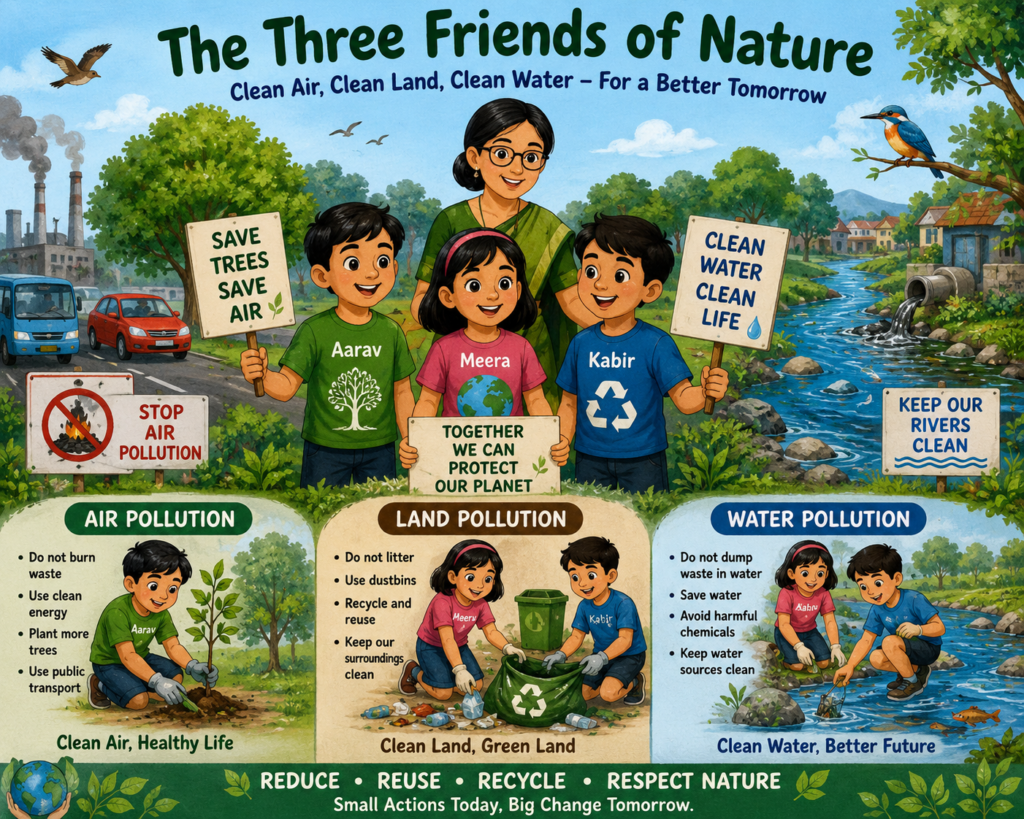
The Three Friends of Nature
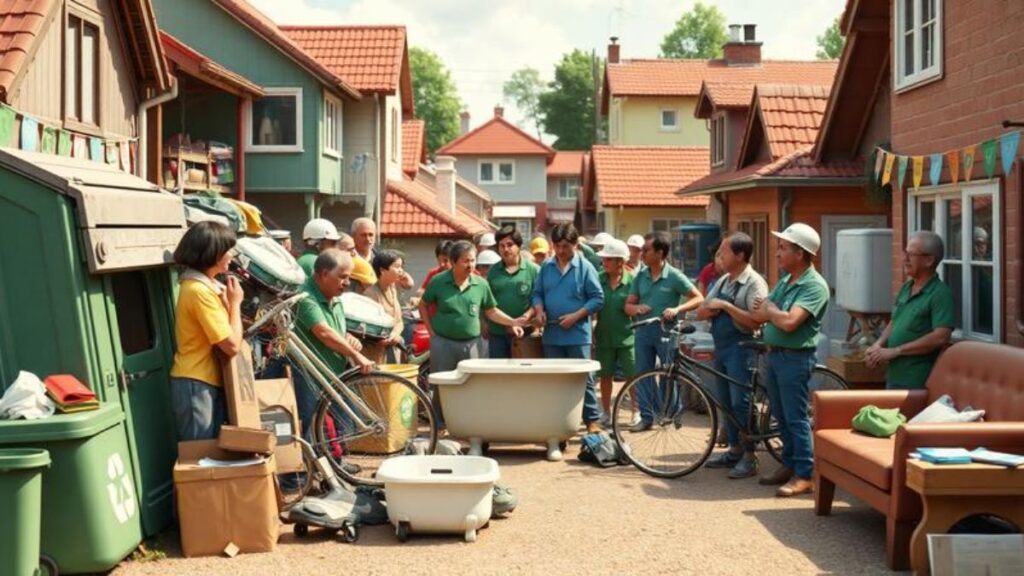
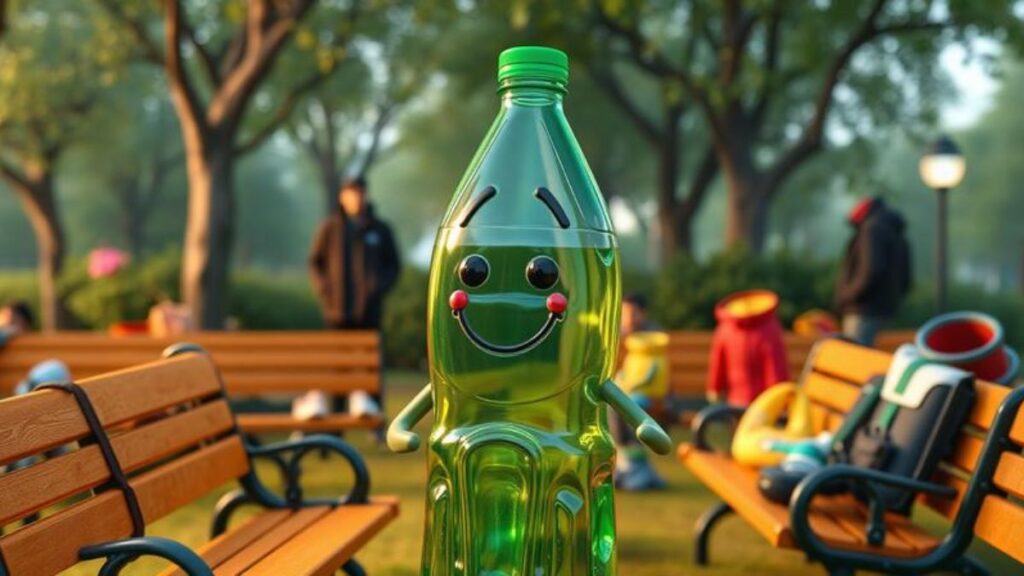
The Recycling Competition Disaster
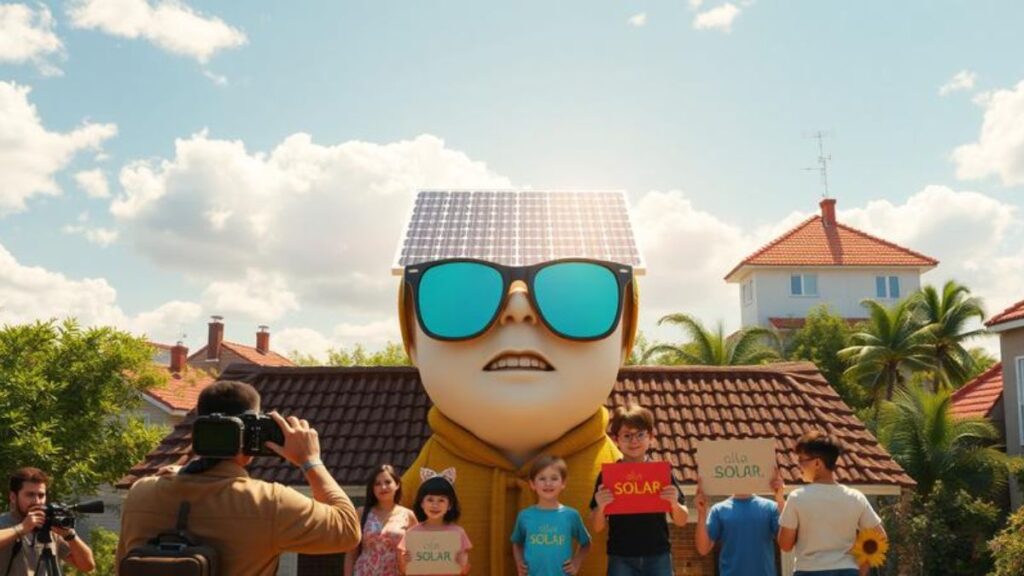
The Solar Panel Celebrity

The Reusable Bag Revolution

Earth’s Annual Employee Review

The Eco-Friendly Supervillain
Humorous Sustainability Stories
While environmental humor often focuses on nature and conservation, some of the most entertaining tales revolve around everyday sustainable habits.
These humorous sustainability stories transform ordinary activities such as recycling, composting, energy conservation, and waste reduction into memorable adventures. They show that sustainability doesn’t always have to be explained through reports and statistics. Sometimes, a funny fictional scenario can make the lesson stick.

Why These Stories Matter
Humorous sustainability stories do far more than provide a few laughs. They make environmental topics easier to understand, more relatable, and far less intimidating for everyday readers.
Many people associate sustainability with complex scientific discussions, alarming climate statistics, or strict lifestyle changes. While these topics are important, they can sometimes feel overwhelming. Humor helps break down these barriers by presenting environmental challenges through familiar situations, unexpected mishaps, and entertaining characters.
A story about someone accidentally creating a compost pile so successful that it attracts half the neighborhood’s wildlife may be exaggerated, but it also introduces readers to the concept of composting. Likewise, a tale about a family competing to reduce electricity usage can demonstrate practical energy-saving techniques without sounding like a lecture.
The most effective humorous sustainability stories share a common goal: they transform environmental lessons into memorable experiences. Readers are more likely to remember a funny recycling disaster or an amusing zero-waste challenge than a list of instructions.
Their messages are often simple and practical:
- Recycle whenever possible.
- Reduce unnecessary waste.
- Save energy at home and work.
- Reuse products before replacing them.
- Choose sustainable alternatives when available.
- Think carefully about everyday consumption habits.
What makes these stories especially valuable is their accessibility. People of different ages, backgrounds, and levels of environmental awareness can enjoy them. Readers may initially be drawn in by the comedy, but they often leave with useful ideas that can be applied in daily life.
In this way, humor becomes more than entertainment. It becomes a powerful educational tool that encourages positive action without relying on guilt, fear, or criticism.
Why Satirical Eco Fiction for Adults Is Growing in Popularity
As environmental storytelling continues to evolve, one genre has experienced remarkable growth in recent years: satirical eco fiction for adults.
Unlike traditional environmental literature, which often focuses on education, advocacy, or serious reflection, satire approaches environmental issues from a different angle. It uses irony, exaggeration, absurd situations, and clever humor to expose contradictions in human behavior and society.
Modern readers are increasingly drawn to satire because it reflects the complexities of real life. Environmental problems are rarely simple, and people’s actions often conflict with their beliefs.
Why These Stories Matter
Humorous sustainability stories are more than lighthearted entertainment. They serve as an engaging bridge between environmental awareness and everyday action.
Environmental topics can sometimes feel overwhelming. Discussions about climate change, pollution, waste management, and conservation are often filled with statistics, technical terms, and serious warnings. While these conversations are important, they do not always capture the attention of casual readers.
Humor changes that.
By turning ordinary situations into amusing adventures, sustainability stories make environmental lessons easier to understand and remember. A recycling mix-up, a composting experiment gone wrong, or a family’s attempt to live waste-free can become memorable experiences that subtly introduce practical eco-friendly habits.
What Makes These Stories Effective?
Instead of telling readers what they should do, humorous stories show environmental concepts in action through relatable characters and entertaining situations.
As a result, readers naturally absorb valuable lessons such as:
✔ Recycling correctly whenever possible
✔ Reducing unnecessary waste
✔ Conserving energy at home and work
✔ Reusing items before replacing them
✔ Choosing sustainable alternatives when practical
✔ Becoming more mindful of everyday consumption habits
Entertainment With a Purpose
The greatest strength of humorous sustainability stories is their ability to educate without feeling educational.
Readers may begin a story expecting a few laughs, but along the way they discover simple ways to make more environmentally conscious choices. Because the lessons are woven into entertaining narratives, they often leave a stronger impression than traditional advice or informational content.
In many ways, humor transforms sustainability from a serious obligation into an approachable and achievable part of daily life.
Why Satirical Eco Fiction for Adults Is Growing in Popularity
As environmental storytelling continues to evolve, one genre has gained significant attention among modern readers: satirical eco fiction for adults.
Rather than presenting environmental issues through straightforward education or activism, satirical eco fiction uses humor, irony, exaggeration, and absurd scenarios to explore society’s relationship with the environment.
Why Readers Connect With Environmental Satire
One reason for the genre’s growing popularity is its ability to highlight contradictions that people encounter every day.
Modern society often sends mixed messages about sustainability:
- People support environmental protection but hesitate to change familiar habits.
- Businesses promote green initiatives while generating excessive waste.
- Consumers seek eco-friendly products while maintaining high levels of consumption.
- Governments announce ambitious environmental targets while struggling to achieve them.
These inconsistencies provide the perfect foundation for satire.
Using Absurdity to Reveal Reality
Satirical eco fiction often exaggerates real-world situations to reveal deeper truths.
Readers might encounter:
- Trees filing class-action lawsuits against humanity.
- Recycling bins organizing labor strikes over improper sorting.
- Smart appliances refusing to operate until homeowners reduce their energy consumption.
- Villains attempting to save the planet through hilariously misguided schemes.
While these concepts are intentionally ridiculous, they encourage readers to examine behaviors and assumptions that exist in the real world.
A Fresh Approach to Serious Topics
Environmental issues are often presented through alarming headlines and worst-case scenarios. Over time, this can lead to fatigue, anxiety, or disengagement.
Satire offers an alternative.
By combining comedy with social commentary, satirical eco fiction allows readers to engage with important issues without feeling overwhelmed. The humor creates distance from the problem while still encouraging reflection.
This balance makes the genre particularly appealing to adult audiences who appreciate both entertainment and thoughtful critique.
More Than Just Comedy
The best satirical environmental stories operate on two levels.
On the surface, they provide clever jokes, absurd situations, and memorable characters.
Beneath the humor, they explore deeper questions:
- How sustainable are our lifestyles?
- Why do good intentions often fail to produce meaningful change?
- What role should individuals, businesses, and governments play in protecting the environment?
- Are society’s priorities aligned with its environmental goals?
These questions linger long after the story ends.
The Lasting Appeal of Eco Satire
At its core, satirical eco fiction succeeds because it follows one of storytelling’s most effective principles:
People rarely enjoy being lectured, but they enjoy being entertained.
A well-crafted satirical story can make readers laugh at an absurd situation, only to realize moments later that the joke reflects something surprisingly true about the world around them.
That combination of humor, insight, and social commentary is precisely why satirical eco fiction continues to grow in popularity and why it remains one of the most creative forms of modern environmental storytelling.
Environmental Quotes Worth Remembering
“The Earth is what we all have in common.”
— Wendell Berry
“Look deep into nature, and then you will understand everything better.”
— Albert Einstein
“We won’t have a society if we destroy the environment.”
— Margaret Mead
These quotes remind us that caring for the environment is not simply a modern trend. It is a responsibility shared across generations.
Conclusion
The best Environment Day stories do more than entertain.
They transform environmental awareness into something engaging, memorable, and accessible.
Whether you’re reading funny short stories about the environment, exploring humorous sustainability stories, or enjoying the clever observations found in satirical eco fiction for adults, these tales demonstrate the power of humor to inspire reflection and conversation.
After all, protecting the planet is serious work.
Talking about it doesn’t always have to be.