Walk through REO Town on any quiet afternoon, and you’ll notice a small shop with spooky displays, warm lights, and shelves full of strange, curious stories. That shop is Deadtime Stories Lansing. It stands out from other bookstores in the city with its focus on true crime, horror, paranormal tales, and Michigan dark history.
This article explores Deadtime Stories Lansing—how it started, what it feels like inside, what it offers, how it supports the community, and why it has become a special spot for many visitors.
Located on Washington Avenue in the heart of REO Town, Deadtime Stories Lansing sits in a neighborhood known for art, small businesses, and creative energy.
What Is Deadtime Stories
Deadtime Stories is a bookstore with a very clear theme. It focuses on true crime, horror, paranormal stories, and Michigan’s darker history. It does not try to cover every genre. Instead, it keeps a tight collection of books that fit these topics.
The store sits at 1132 S. Washington Ave in REO Town.
It is owned and run by Jenn Carpenter. Her interest in true crime, haunted history, and local stories shapes the shop completely. The books she selects, the events she hosts, and even the feel of the space all reflect her love for these themes.
Deadtime Stories Lansing
A one-of-a-kind bookstore in REO Town, focusing on true crime, horror, paranormal stories, and Michigan legends, with a playful Screamatorium gift shop next door. Here we have covered horror stories:
1. Turner-Dodge House (Dodge Mansion) – Bearded man apparition, strange lights
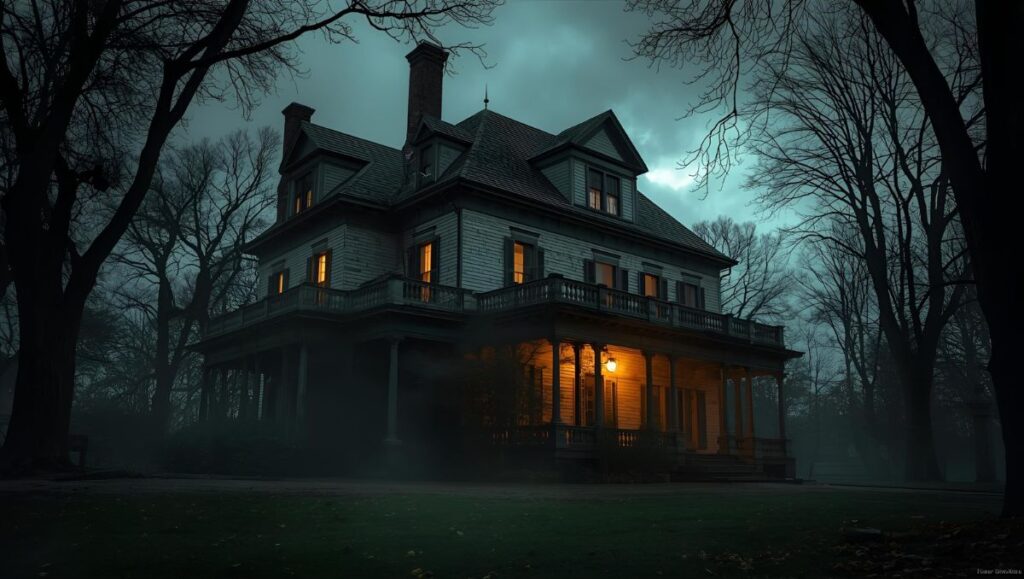
The Turner-Dodge House, often called the Dodge Mansion, sits quietly in Lansing. Built in the mid-1800s, it is a grand example of Victorian architecture. The mansion’s sprawling gardens and towering trees give it an air of old elegance.
Despite its beauty, locals whisper of strange occurrences. Many visitors have reported seeing a figure roaming the hallways at night. This figure is described as a bearded man in old-fashioned clothing.
Some claim the man appears near the main staircase. Others see him pacing the halls silently, as if lost in thought. His presence is often accompanied by a sudden chill in the air.
Strange lights are another frequent report. Guests have seen flickering lamps that have no power source. Some lights appear in rooms that are always locked.
People visiting for historical tours sometimes feel watched. Cameras and phones occasionally malfunction in these areas. Objects have been reported moving on their own, though subtly.
The mansion’s history may hold clues. The Dodge family was influential in Lansing’s early days. They were known for hosting grand social gatherings.
One story tells of a dispute over the estate after the family’s main line passed. Some believe the bearded figure is a former family member. Perhaps a caretaker, some suggest.
Paranormal investigators have visited the mansion repeatedly. They report cold spots in hallways and rooms. EMF detectors often spike unexpectedly.
Many claim to have heard footsteps in empty rooms. Others describe whispers, almost like faint conversations in the distance.
A caretaker once described seeing shadows in the windows at night. The shadows seemed to move independently of anyone inside.
Visitors often report a feeling of unease in certain rooms. It is subtle at first, a prickle on the back of the neck. Then, it intensifies, compelling some to leave quickly.
The mansion has been featured on local ghost tours. Guides share tales of the bearded man and strange lights. Some tourists say these stories are mere theatrics.
Yet, several guests insist on experiencing the phenomena themselves. Cameras sometimes capture orbs or unexplained blurs.
One famous account involves a family staying overnight. The father awoke to see a tall figure at the foot of his bed. The man wore clothing reminiscent of the 1800s.
The mother and children reported hearing faint footsteps upstairs. The next morning, nothing appeared out of place, yet the family was deeply shaken.
Researchers note the mansion’s age. Built during a time when spiritualism was popular, many homes were designed with secret rooms and hidden passages.
Some paranormal enthusiasts believe these hidden spaces could trap energy. It may explain the recurring sightings and apparitions.
The mansion is also surrounded by gardens with stone pathways. At night, fog often rolls in, adding to the eerie atmosphere.
Lights that appear in the mansion are often described as “moving on their own.” They flicker, dim, or vanish suddenly.
In some accounts, the bearded man seems unaware of observers. He does not speak or acknowledge people. He simply appears and disappears.
Others believe the apparition tries to communicate. Guests have reported objects subtly shifting in rooms where he was seen.
The mansion was once a hub for social and political events. Some speculate the spirit may be tied to these historical moments.
Local historians recount letters and diaries from the Dodge family. Many mention strange sounds in the mansion, long before modern paranormal interest.
One diary entry describes a “watchful presence” in the hall at night. Another mentions footsteps echoing in empty corridors.
Some researchers think the spirit is protective. Guests often feel more startled than threatened. The figure seems to observe rather than attack.
Yet, fear is common. Many claim to feel a pressure on their chest in certain rooms. Others describe hearing a low sigh when no one is near.
The mansion underwent renovations in the 20th century. Workers sometimes reported tools disappearing or moving. Electrical problems often coincided with unusual sightings.
One notable investigator recorded cold spots with thermal cameras. The temperature would drop dramatically, often near the main staircase.
Many visitors describe the mansion as beautiful but oppressive at night. The grandeur is undeniable, but the air carries tension.
Stories of strange lights are widespread. Some suggest they are reflections or electrical glitches. Others insist they are paranormal.
One account involves a young woman photographing the staircase. In the photo, a faint figure with a beard is visible, though no one else was present.
Security staff confirm occasional disturbances. Doors that should be locked are sometimes found ajar. Items are misplaced without explanation.
The mansion is now occasionally open for public events. Guests are warned that the house has a history.
Despite the warnings, many are intrigued. They wish to witness the bearded man themselves. The thrill of the unknown draws visitors.
The house’s layout may contribute to its eerie reputation. High ceilings, long hallways, and numerous rooms create natural echoes.
Some researchers argue the mansion is a hotbed for residual energy. Past emotions, especially intense ones, could imprint on the building.
Guests often describe a mix of curiosity and fear. They admire the architecture while sensing a presence.
Many claim the bearded man appears mostly at night. Daytime tours rarely report sightings, though odd occurrences are still noted.
Some believe the lights and apparition are connected. The figure may manifest in areas where the energy is strongest.
Over the years, paranormal enthusiasts have documented dozens of encounters. Video, audio, and photographs are collected regularly.
Many local legends tie the mansion to ghost stories. Residents recount tales passed down through generations.
One common story is of a man who died in the house unexpectedly. Some believe his spirit never left.
Others suggest the apparition could be a former caretaker. He may be bound to the home due to loyalty or unfinished business.
Visitors often feel sudden temperature changes. Cold drafts are common, even in summer.
Whispers are another hallmark. They are faint but distinct, often in hallways where no one else is present.
Researchers have attempted to communicate using EVP (Electronic Voice Phenomena) devices. Faint voices have been recorded.
The mansion has an aura of mystery. Its elegance contrasts with the eerie experiences reported.
Many ghost hunters return multiple times. They hope to capture new evidence. Some are convinced the bearded man is real.
Others argue skepticism is healthy. Optical illusions, creaking wood, and imagination may explain some sightings.
Yet, repeated reports from different sources give the stories weight. Consistency in descriptions adds credibility.
The mansion remains a topic of fascination in Lansing. It bridges history, architecture, and the paranormal.
Some visitors report an odd sense of time. Hours can feel like minutes, and sounds are amplified.
Many people experience the feeling of being watched. The presence is subtle but unmistakable.
Children are often the first to notice the apparition. They point to empty spaces or speak of a man they see.
Even pets seem uneasy. Dogs may bark at corners or refuse to enter certain rooms.
Staff have tried logical explanations. Wiring issues, drafts, and lighting are tested. Still, some phenomena defy explanation.
The Dodge Mansion’s story is part of Lansing’s identity. Tours and events keep the legend alive.
For those interested, a visit offers history, beauty, and possibly a glimpse into the unknown.
The mansion embodies the tension between past and present. It holds memories, both ordinary and strange.
Visitors leave with stories. Some report nothing unusual. Others swear they saw the bearded man.
The legend continues to grow. Each sighting adds a new layer to Lansing’s haunted history.
The Turner-Dodge House remains a place where history and the supernatural intertwine.
It is a testament to human fascination with the unknown. Generations have marveled at its elegance.
Now, they also marvel at its mysteries. The bearded man and the strange lights ensure the mansion’s legacy endures.
Whether skeptic or believer, a visit is unforgettable. The mansion is a reminder that some places retain echoes of the past.
For many, the Dodge Mansion is more than a building. It is a living story, waiting to be witnessed.
2. Old Lansing City Cemetery / Oak Park – Ghosts of 1800s-era clothing, whispering voices
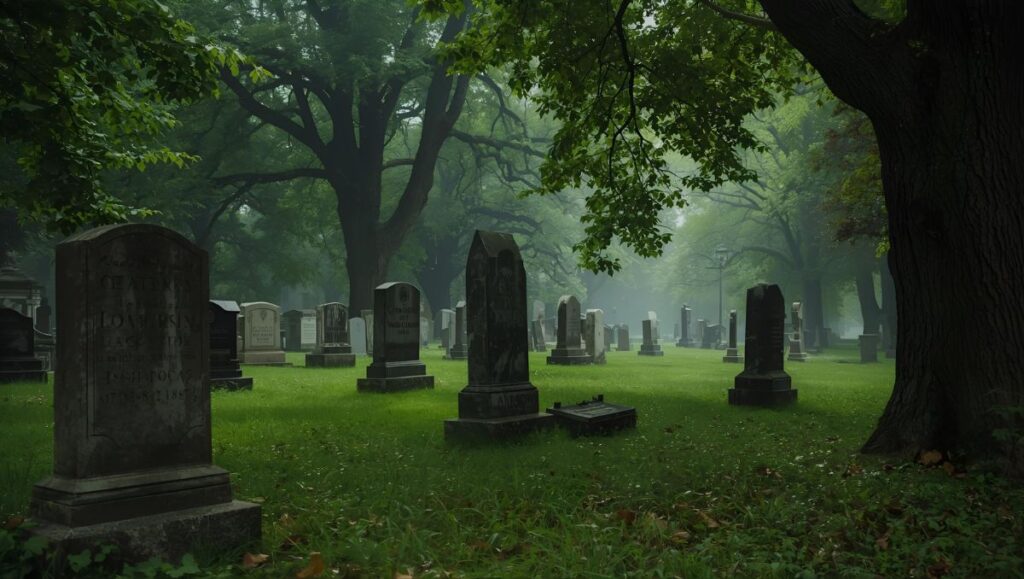
Old Lansing City Cemetery, also known as Oak Park Cemetery, is one of the oldest burial grounds in Lansing. Established in the 1800s, it holds the graves of early settlers, soldiers, and city founders.
Walking through its iron gates, visitors notice the weathered tombstones. Many are tilted or broken, their inscriptions faded by time. Moss covers some, giving them a greenish-gray hue.
Even during the day, there is a quiet stillness. The cemetery feels like a place outside of time. Birds perch silently on stone crosses. The wind whispers through the trees.
Locals claim the cemetery is haunted. There are frequent reports of ghostly figures dressed in 1800s-era clothing. Women in long dresses, men in coats and top hats, often appear fleetingly between the graves.
Witnesses describe seeing them mostly in the evening or at dusk. The figures walk slowly, almost gliding over the ground. They seem unaware of the living observers nearby.
Some visitors say the ghosts appear in clusters. A man and woman might stand near a grave, as if in conversation, only to vanish moments later.
Whispering voices are another common report. People walking the paths alone sometimes hear faint murmurs. They cannot identify words, only tones of sadness or urgency.
The cemetery was a central part of Lansing’s early community. Many of the dead were prominent citizens. Their stories are often tragic, reflecting the hardships of 19th-century life.
Deaths from disease, accidents, and war were common. Some believe these tragic deaths may explain the lingering spirits.
Oak Park Cemetery also has large, old oak trees. Their twisted branches form shadows over the paths. At twilight, these shadows can appear almost human.
Visitors report that even cameras sometimes fail. Photos can show strange mist or figures that were not seen with the naked eye.
One famous story involves a young couple visiting at dusk. They noticed a man in old-fashioned clothing walking among the graves. When they approached, he vanished.
Others describe seeing children playing near the stones. The children wear dresses and suits from a century ago. They smile briefly, then disappear behind the tombstones.
Some locals advise caution. People alone in the cemetery at night often feel watched. The air can turn cold suddenly, and shadows seem to move independently.
Ghost tours sometimes pass through Oak Park Cemetery. Guides share these tales, including stories of unmarked graves and tragic deaths.
Several graves are particularly noted for activity. Families visiting report feeling a presence nearby, especially near the oldest stones.
Researchers report strange sounds. Low moans, whispers, and even faint laughter have been captured on audio equipment.
One investigator described hearing a clear whisper calling his name, though no one else was present.
The cemetery is also said to affect animals. Dogs may bark at nothing or refuse to enter certain sections.
Some people feel an overwhelming sadness when walking near older graves. It is almost as if the emotions of the dead linger in the air.
Visitors often notice an unusual stillness. Wind may blow in other areas, but around certain graves, the air feels heavy and motionless.
Lights at night are sometimes reported. Flickering glows appear near tombstones, even when no lanterns or torches are present.
Some believe these lights are spirits trying to signal their presence. Others argue they are reflections or distant city lights.
A common report is of figures standing silently by family plots. They do not move, but their presence is felt.
Sometimes, apparitions appear in historical clothing. Long skirts, bonnets, waistcoats, and top hats are common.
These figures often repeat certain actions. Some look like they are tending graves, others walking along familiar paths.
Ghost hunters consider Oak Park Cemetery a hotspot for residual energy. The repeated activity may be tied to emotional or traumatic events from the past.
One tale describes a man visiting his ancestor’s grave. He saw a woman in a long dress kneeling at a nearby tomb. She vanished as he approached.
Many stories involve soldiers from the Civil War era. Figures in uniform have been reported pacing silently or standing at attention.
Some witnesses describe feeling a presence behind them, only to turn and see nothing. Others feel hands brush their shoulders lightly, without explanation.
The cemetery contains unmarked graves. Some believe these are linked to heightened paranormal activity. Spirits of those forgotten by history may linger longer.
Oak Park Cemetery is also connected to local legends. Children are warned not to wander after dark. Stories of figures appearing along paths are shared around campfires.
Investigators use various tools to study the activity. Thermal cameras, EMF detectors, and audio recorders are common.
One notable EVP (Electronic Voice Phenomena) recording captured a voice whispering, “Go home,” repeatedly.
Visitors often describe disorientation. Paths that should be clear sometimes feel longer or winding unexpectedly.
Fog is frequent in the cemetery. It rolls in from nearby fields in the morning and evening, creating an ethereal atmosphere.
Some believe the fog enhances the visibility of spirits, making figures appear more solid. Others see it as a natural effect of temperature and moisture.
Despite eerie reports, the cemetery remains a public space. Families still visit graves, joggers use the paths, and history enthusiasts explore the grounds.
Some locals have had repeated encounters. One woman reported seeing the same child ghost in the same spot over several years.
Others hear consistent footsteps in areas with no paths. The sounds are often paced, as if someone is walking in circles.
Even staff report odd experiences. Groundskeepers sometimes feel watched or notice objects out of place.
In winter, snow can highlight footprints that appear and disappear mysteriously. Ghost hunters consider this an unusual but fascinating phenomenon.
Visitors often describe mixed emotions. Awe at the cemetery’s history, sorrow at the loss it represents, and fear from the supernatural experiences.
One researcher concluded that Oak Park Cemetery offers a rare combination of beauty, history, and paranormal intrigue.
The 1800s-era clothing sightings are particularly consistent. Multiple independent witnesses describe similar attire.
Some theories suggest these are residual echoes, replaying moments from long ago. Others believe intelligent spirits interact selectively with the living.
The whispers reported are usually soft, almost melodic. They often sound like fragmented sentences or single words.
Tour guides sometimes encourage respectful silence. Loud talking or running may disturb these phenomena, according to local lore.
Visitors often leave with photos, but many are disappointed to see nothing unusual. Yet, those who experience apparitions rarely forget them.
Children seem particularly sensitive. Some point out figures adults do not notice, often with startling accuracy.
The cemetery has a layered history. Civil War veterans, early settlers, and children who died young are all buried here.
This tragic mixture may amplify paranormal activity. Emotional energy from these lives is believed to linger.
Some witnesses describe fleeting touches. A cold hand on the shoulder, a brush of air across the face, nothing permanent but unmistakable.
Others report seeing shadows pass between the tombstones. These shadows often take humanoid shapes.
Even during daylight, some people feel uneasy. Certain corners feel heavier or darker than the surrounding areas.
Fog, shadows, whispers, and apparitions combine to make Oak Park Cemetery a focal point for Lansing’s haunted history.
Researchers continue to return. Each visit adds more stories, more photographs, and more recordings.
The site is both public and private. Respect for the dead is emphasized, but curiosity about the unknown drives exploration.
Some visitors feel drawn to particular graves. A sense of connection or curiosity leads them to pause, sometimes prompting unexplained experiences.
There are accounts of orbs of light captured in photographs. They appear above graves or along pathways.
Witnesses sometimes feel sudden emotional shifts. Sadness, nostalgia, or fear can hit unexpectedly and intensely.
The consistent presence of figures in historical clothing suggests that the cemetery preserves echoes of its past inhabitants.
Locals pass down stories about certain tombstones that are “active.” Visitors report repeated experiences in these spots.
Despite fears, many find Oak Park Cemetery compelling. The combination of history, architecture, and the unknown is irresistible.
Ghost tours and historical walks keep these stories alive. Guides often include personal experiences alongside historical facts.
Some paranormal experts argue that emotional energy from death, combined with historical events, creates a unique environment.
Visitors may sense this as sudden cold, whispers, or a feeling of being followed. These phenomena are reported in many different areas of the cemetery.
Oak Park Cemetery is not just a place of death. It is a repository of history and memory. For some, it is also a place where the veil between past and present feels thin.
Many leave the cemetery changed. Some are more aware of history. Others carry memories of experiences they cannot explain.
Sightings of the 1800s-era figures are among the most compelling evidence of the supernatural here. Multiple accounts over decades reinforce the stories.
Whispering voices, cold spots, and fleeting apparitions make the cemetery a hub for paranormal interest.
Despite the eerie reputation, Oak Park Cemetery remains accessible. It is a place for reflection, history, and, for the daring, encounters with the unexplained.
The spirits, if real, seem tied to the lives they once lived. Visitors sense the connection immediately.
Many researchers believe Oak Park Cemetery preserves a layer of Lansing’s history that is both tangible and spectral.
Walking among the graves, one cannot escape a feeling of time bending. The past seems present. The living feel the presence of those long gone.
The cemetery continues to fascinate both historians and paranormal enthusiasts. Each visit, each story, adds to its rich tapestry of legend.
For some, Oak Park Cemetery is a place to learn about Lansing’s history. For others, it is a doorway to encounters with spirits of the past.
Whether skeptic or believer, a walk through the cemetery leaves a lasting impression. The whispers, shadows, and figures remind visitors of the lives that shaped the city.
Oak Park Cemetery is a living story. The ghosts, the lights, and the whispers ensure that the past is never truly silent.
It is a place where memory and mystery coexist. Visitors leave with both respect and a touch of wonder.
3. Michigan State Capitol Building – Spirit of a painter, cold spots
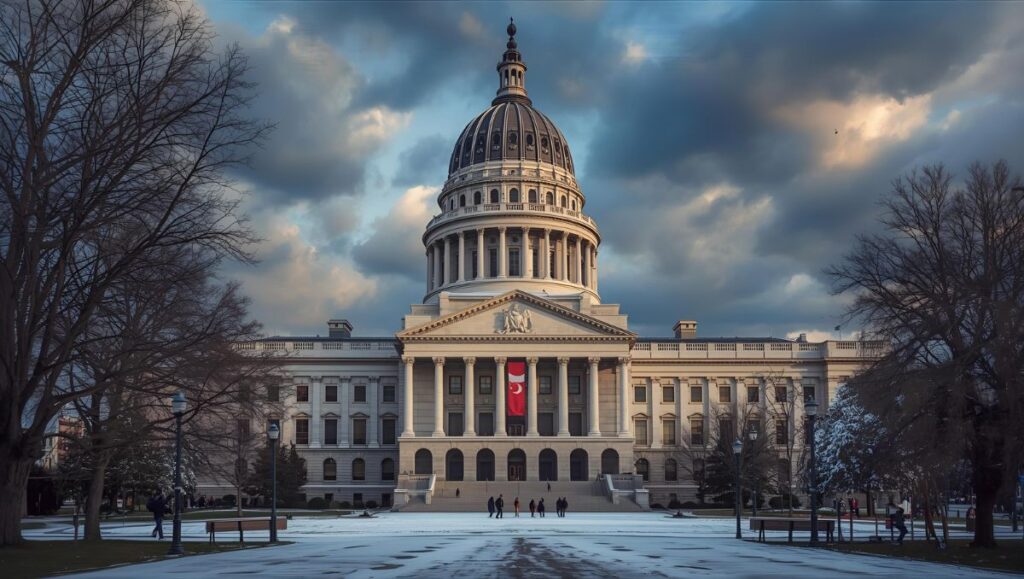
The Michigan State Capitol building stands proudly in Lansing. Completed in 1879, it is a symbol of the state’s government. Its distinctive red dome and classical architecture attract visitors daily.
Inside, the Capitol is impressive. Marble floors, stained glass windows, and ornate murals create a sense of grandeur. The air feels historic, carrying echoes of politics and decisions made over more than a century.
Yet, many claim it is haunted. Reports of cold spots, strange noises, and a ghostly painter have circulated for decades.
The painter’s story begins in the 19th century. During construction and decoration, artists worked to complete murals and interior designs. One painter reportedly died before finishing his work.
Witnesses believe his spirit remained, tied to the building and the art he left behind. He is often seen in areas where murals are prominent.
Staff and visitors describe seeing a figure near the ceilings. It appears briefly, usually as a shadow or misty outline.
The figure seems to move with purpose. Some think he is returning to finish his work. Others see him merely observing the building.
Cold spots are frequent in the Capitol. Rooms can be warm, then suddenly drop several degrees without explanation.
These chills are reported near the murals, in hallways, and sometimes near offices where few people are present.
The building’s age may contribute. Original materials, hidden passageways, and thick walls create conditions for drafts. Yet many believe this alone does not explain the sudden temperature drops.
Visitors sometimes hear footsteps in empty corridors. They echo as if someone is pacing. Yet, when the area is checked, no one is there.
Security staff have reported doors opening and closing on their own. These are often rooms not in regular use.
The painter is described as a man in 1800s clothing. His presence is subtle, not threatening. Observers often notice a feeling of being watched rather than fear.
Some visitors claim to see paintbrushes or tools subtly displaced. Objects appear slightly out of place as if someone used them and left.
The building also has high ceilings and long hallways. These can create natural echoes, amplifying ordinary sounds. Still, many accounts describe sounds too specific to be accidental.
One popular story involves a night guard. He reported walking past a mural and noticing a figure with a paintbrush standing nearby. When he approached, it vanished.
Other witnesses describe hearing soft humming or low chanting near mural areas. These sounds vanish when closely inspected.
Some think the ghost is residual energy. A painter so dedicated to his work that he remains tied to the walls he adorned.
Tours often include the Capitol’s history but rarely mention the hauntings officially. Locals, however, share stories quietly.
Some visitors carry cameras or phones to capture evidence. Occasional photos reveal shadows or blurs where no person was seen.
Cold spots are especially pronounced in the Senate chamber. Staff report a sudden drop in temperature in certain corners.
Some feel a brush against their arm or shoulder when alone. Others hear whispers that cannot be traced.
The Capitol has undergone renovations. Workers sometimes report tools or paintbrushes moving or disappearing briefly.
One story involves a painter working during restoration. He claimed to see a man in period clothing inspecting a mural. The figure vanished without warning.
Security cameras occasionally capture anomalies. Shadows or misty figures appear and disappear quickly.
The building has a layered history. Governors, legislators, and visitors have passed through its halls for decades. Some think spirits of the living and dead coexist here.
Researchers often note a particular energy near the murals. Visitors feel the air “thick” or “charged” with presence.
Witnesses describe a mix of awe and unease. The beauty of the murals is undeniable, but the subtle presence adds tension.
The painter’s ghost is reported most often in the early morning or late evening. During busy hours, the activity is less noticeable.
Some claim to have smelled old paint or varnish when no painting work was being done. Others notice drafts that seem to come from nowhere.
Footsteps on staircases are commonly reported. Echoes sound precise, as if someone is walking deliberately.
Staff sometimes hear knocking or tapping near office doors. The sounds are rhythmic, unlike natural building noises.
The ghost is rarely seen clearly. Most encounters involve shadows, fleeting glimpses, or a feeling of presence.
Some historians suggest the painter might have been a union worker or artisan particularly devoted to his craft.
His attachment to the building seems strong. Visitors report that respect and quiet help in experiencing phenomena. Loud, disrespectful behavior often seems to suppress it.
Tours occasionally mention mysterious events in the building’s past. Stories of strange lights, sudden noises, and apparitions are shared orally among staff.
Some reports involve flickering lights. Bulbs can dim or flicker near mural areas without electrical cause.
The Capitol’s large windows and domed ceilings create natural acoustics. Yet many sounds are localized, suggesting intentional origin.
One popular tale involves a visitor photographing the murals. A faint shadow appeared in the corner of the frame, shaped like a painter with a hat.
Others report feeling a weight in the chest when standing under certain murals. The sensation is described as a presence pressing gently but noticeably.
Some staff describe a “watchful” feeling. It is not frightening, but persistent, as if the painter observes work or visitors.
Thermal cameras sometimes show unusual cold spots or energy fluctuations in empty rooms.
Ghost hunters are drawn to the Capitol for this reason. They set up equipment in the Senate, Hall of Governors, and near the murals.
Footsteps, whispers, and shadow figures are the most common phenomena recorded.
Some believe these experiences are residual, replaying past moments of the painter at work. Others believe the ghost interacts consciously.
Many visitors sense a temporal dissonance. The building’s history is palpable, and the ghost adds to the sensation of time blending.
Reports of cold spots are consistent year-round. Winter, spring, or summer, the sudden chills appear in the same areas.
Some claim that objects like chairs or pens move subtly in rooms where the painter is seen.
The Capitol is not just a haunted site. It is an operational government building. The ghostly activity is subtle enough to coexist with daily routines.
Staff and visitors learn to acknowledge it quietly. Respect and awareness are emphasized.
The murals themselves are remarkable. They depict Michigan’s history and early leaders. The painter’s ghost seems tied to these depictions.
Some believe he appears to “protect” his work. Others see him as a lingering spirit unable to move on.
The building’s age and architecture contribute to the atmosphere. Long corridors, echoing chambers, and domed ceilings make sounds carry unusually.
Yet, many encounters cannot be explained by architecture alone. Sudden temperature changes, localized cold spots, and shadows defy normal explanation.
The Capitol’s history is intertwined with Lansing’s development. The building itself is a living record of the past.
For some, the ghost adds depth to the experience. It is not malevolent. It is subtle, persistent, and mysterious.
Reports over decades reinforce the narrative. Many independent witnesses describe similar phenomena.
Some visitors experience nothing. Others report sightings that leave them uneasy or fascinated.
The painter’s figure is often described as focused on the murals. He does not interact aggressively, merely exists in the space.
Witnesses sometimes feel a sense of purpose or determination. It is as if the spirit is still finishing unfinished work.
Cold spots, shadow figures, and occasional flickering lights create a sense of activity. Yet, the ghost is elusive, appearing only briefly.
Researchers continue to study the Capitol. Each visit adds more data, photos, and audio recordings.
The ghost of the painter is part of Lansing’s rich paranormal history. It combines art, architecture, and lingering presence.
Visitors leave with stories. Some capture photos or video evidence. Others carry the memory of a subtle presence felt in the air.
The Michigan State Capitol building is not just a symbol of governance. It is a repository of history and spectral memory.
The painter’s ghost reminds people that dedication and passion can leave a lasting imprint, sometimes beyond life.
Walking through the Capitol, one feels the weight of history. Then, perhaps, a brush of cold air or a fleeting shadow hints that some stories continue.
The building stands as both a monument to Michigan and a living story of its past inhabitants.
Skeptics may doubt, but consistent reports and personal experiences keep the legend alive.
The Capitol is a space where history and the supernatural intersect. Respect, observation, and curiosity bring visitors closer to both.
Even after decades, the painter’s ghost continues to inspire fascination. He is a silent observer of a building that has witnessed generations.
For historians, tourists, and paranormal enthusiasts, the Capitol is a place of discovery. The murals, the architecture, and the ghost together create a memorable experience.
The Michigan State Capitol building endures as a hub of power, history, and mystery.
It is a place where the past lingers, not just in books and records, but perhaps in the air itself.
Masonic Temple Building – Reported haunted, part of ghost tours.
4. Masonic Temple Building – Reported haunted, part of ghost tours
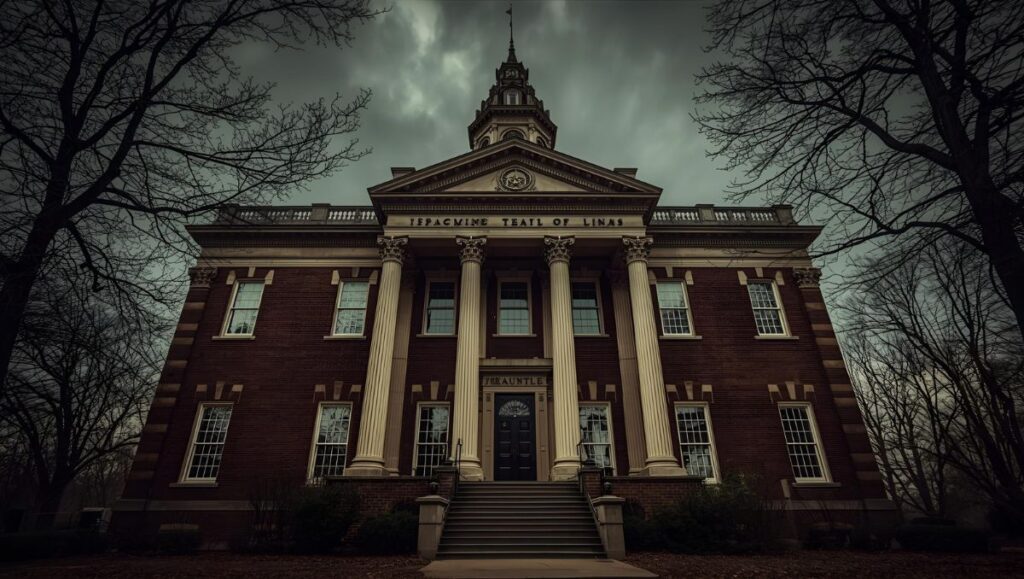
The Masonic Temple Building in Lansing is a striking structure. Built in the early 1900s, it served as a meeting place for the Freemasons. Its stone façade, tall windows, and intricate carvings make it stand out in the city.
Inside, the building is expansive. Grand halls, ceremonial rooms, and narrow stairways give it a sense of history and secrecy. The architecture itself feels imposing.
Stories of hauntings have circulated for decades. Visitors and staff report seeing shadows, hearing unexplained footsteps, and experiencing sudden cold spots.
Some believe the building’s secretive past contributes to its paranormal activity. Freemasons often held private ceremonies and meetings, adding layers of energy to the place.
The first reports of ghostly activity came from janitorial staff. They described hearing voices when alone, doors opening or closing, and objects shifting inexplicably.
Many visitors report a feeling of being watched. It is subtle at first—a prickling on the back of the neck. Then, the sensation grows stronger in certain rooms.
Shadowy figures are among the most common phenomena. People describe shapes moving at the edge of vision, often disappearing when directly observed.
Some report seeing full apparitions in ceremonial halls. Men in old-fashioned suits, possibly former Freemasons, have been seen pacing or standing silently.
Cold spots are frequently reported. Rooms that are normally warm suddenly drop in temperature without explanation.
The building has long hallways with creaking floors. Some of the footsteps described in reports match the natural acoustics. Yet many instances are too precise to be coincidental.
Visitors sometimes hear whispers. They are faint, often fragmented. Names, short phrases, or murmurs are common, though the words are rarely clear.
One account involves a group of tourists on a ghost tour. They heard footsteps echoing behind them in an empty hall. Turning around revealed no one.
Some claim the spirits are protective. Objects are rarely moved violently. Instead, subtle interactions—shifts of chairs or light taps—are reported.
Certain rooms are considered hotspots. Ceremonial halls, stairwells, and storage areas see the most activity.
During the 20th century, several accidents occurred in the building. Injuries and sudden deaths may have contributed to lingering energy.
Staff have reported doors opening by themselves. In some cases, office items appear displaced after being left untouched.
Electrical anomalies are occasionally reported. Lights flicker or dim without apparent cause, especially in the evening.
The building has narrow staircases. Some visitors report phantom footsteps ascending or descending them when no one is present.
Reports also include feelings of pressure in the chest. This sensation is often described as a weight or presence in the room.
Shadow figures are frequently described as male, wearing suits or formal attire. This matches the style of early Freemason members.
Paranormal investigators have visited regularly. EMF readings often spike in rooms considered active. Thermal cameras sometimes show cold spots or faint, unexplained shapes.
The building’s layout contributes to its eerie atmosphere. High ceilings, long corridors, and multiple floors create echoes and strange sound effects.
Some believe the building hosts residual energy from past ceremonies. Events repeated over decades may imprint upon the structure.
One ghost tour guide recalled a visitor seeing a man in a black suit near a ceremonial room. When approached, he vanished.
Many stories involve unexplained noises. Doors slam, floors creak, and taps or knocks occur even in unoccupied rooms.
The Masonic Temple is open for events and tours. Guests sometimes experience paranormal phenomena during evening tours.
Certain rooms are avoided by staff alone at night. They describe strong feelings of unease or sudden chills.
Some researchers suggest the building retains emotional energy from past members. Dedication, secrecy, and ritual may amplify the effect.
One account involves a janitor seeing a shadow on the stairwell. The figure paused, then disappeared before he could reach it.
Visitors sometimes feel they are not alone. The sensation of being watched is particularly strong in ceremonial halls.
Whispering is often reported near stairwells or smaller meeting rooms. Some believe spirits communicate faintly with the living.
Several ghost tours feature the building prominently. Guides share historical context alongside paranormal reports.
Many people report seeing figures in early 1900s attire. Men in formal suits and ties, sometimes carrying objects, appear briefly before vanishing.
Electrical disturbances often coincide with sightings. Lights flicker or electronic devices malfunction during experiences.
Some visitors have captured anomalies in photos. Shadows, misty shapes, or unexplained blurs appear near hallways or ceremonial rooms.
Staff report feeling sudden cold when no ventilation or open windows explain it. This often happens near known hotspots.
The building’s age contributes. Worn floors, old walls, and thick stone create natural acoustics, but many experiences defy explanation.
Some believe the spirits remain due to strong ties to the building. Former Freemasons may linger to continue their rituals in spirit.
Others argue residual energy from repeated ceremonies creates echoes of movement, sound, and presence.
Footsteps on upper floors are common. Some report distinct pacing, as if someone is walking purposefully.
One story describes a visitor hearing doors open in a locked room. They approached, but found no one inside.
Shadow figures are described as formal and deliberate. Movements are slow, controlled, and sometimes directional.
Cold spots and whispers often occur together. Guests report hearing a faint sound while simultaneously feeling a chill.
Some believe spirits interact selectively. They appear to some and not others. Sensitivity, timing, and observation may influence sightings.
Visitors often describe a mixture of curiosity and fear. The building’s beauty and history contrast with the unease felt inside.
Ghost tours capitalize on this. Visitors enjoy the thrill of hearing stories while exploring an authentic historical site.
Some witnesses report fleeting touches. A brush against the arm or shoulder, a subtle sensation that disappears instantly.
Many accounts are consistent. Independent witnesses report similar sightings, sounds, and feelings in the same locations.
The building is not considered dangerous. Encounters are subtle, rarely aggressive. The spirits seem to exist alongside the living quietly.
Some researchers suggest the activity is stronger in the evenings. Daytime activity is less noticeable, perhaps masked by daily noise.
Shadow figures, footsteps, cold spots, and whispers create an environment that is both historical and mysterious.
Visitors often leave with stories. Some are skeptical. Others swear to have experienced something unexplainable.
The Masonic Temple Building stands as a hub of history, ceremony, and paranormal intrigue.
Its architecture, past rituals, and mysterious energy make it one of Lansing’s most reported haunted locations.
Respect, observation, and curiosity are encouraged. The building rewards those who approach it thoughtfully.
Some visitors describe an indescribable presence. It is neither threatening nor warm. It simply exists, tied to the past.
The combination of historical importance and reported hauntings makes the building unique.
Over the decades, numerous reports have reinforced its reputation. Each story adds to its legacy of mystery.
Visitors and researchers continue to explore its halls, hoping to witness or capture evidence.
The building’s grandeur, history, and subtle paranormal activity intertwine. It is both a place of reverence and fascination.
Ghost tours ensure that stories of shadows, footsteps, and whispers remain part of Lansing’s cultural memory.
Even skeptics often acknowledge a strange atmosphere. The building’s energy is undeniable.
The Masonic Temple Building is a living story. The past remains present in subtle ways for those who notice.
Its reported hauntings remind visitors that history is not only recorded in books, but sometimes in the air around us.
Respectful exploration allows visitors to experience the building’s beauty, history, and mysteries firsthand.
The Masonic Temple continues to inspire curiosity and awe. Its walls hold secrets that may never be fully understood.
It is a landmark of Lansing’s history, and for many, a place where the line between the living and the past feels thin.
Shadow figures, cold spots, and unexplained sounds ensure that the building remains a cornerstone of Lansing’s haunted history.
The Masonic Temple Building endures as a place where the past is alive, quietly observing all who enter.
Boji Tower – Uneasy feelings, part of haunted-history walking tours.
5. Boji Tower – Uneasy feelings, part of haunted-history walking tours
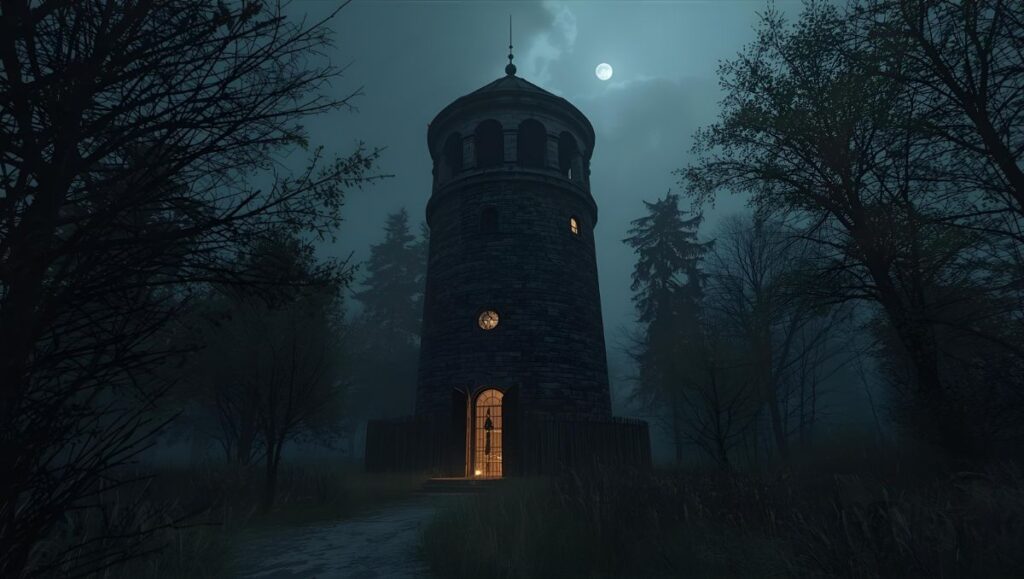
Boji Tower is one of Lansing’s most iconic buildings. Standing tall in the heart of the city, its unique architecture draws attention from locals and visitors alike.
Built in the early 20th century, the tower has served as a center for offices, banks, and city administration. Its gothic-style elements give it a striking presence.
Despite its impressive design, the building has an unsettling reputation. Many people report uneasy feelings when inside.
Walking the halls, visitors sometimes sense a presence that cannot be explained. A chill, a sudden pressure, or an inexplicable tension often accompanies these sensations.
The uneasy feeling is most noticeable on upper floors and near certain corners of the building. The sensation can be subtle, almost a whisper in the mind, or more intense, prompting people to leave.
Boji Tower is part of Lansing’s haunted-history walking tours. Guides recount stories of strange occurrences, building history, and reported paranormal activity.
Some visitors feel watched as they explore. The sensation is not always frightening, but it is persistent, as if something unseen follows their movements.
Footsteps are frequently reported. They echo in hallways or staircases, often when no one else is present.
Many claim to hear faint whispers. Words are rarely clear, but the tone often conveys warning or urgency.
Boji Tower’s history may explain some of the phenomena. Over the decades, the building has seen countless events: celebrations, administrative decisions, and personal tragedies.
Some of the reported unease may stem from emotional energy left behind. Researchers often call this residual energy—echoes of strong feelings attached to a place.
Visitors also report seeing shadows. These can appear in hallways, stairwells, or near elevators. The shapes are sometimes human-like, moving briefly before vanishing.
Cold spots are another common phenomenon. Certain areas drop several degrees unexpectedly. People report feeling a sudden chill that passes quickly.
Some locals believe the tower is haunted by former workers or tenants. People who spent significant time in the building may have left a spiritual imprint.
One story tells of a maintenance worker who heard tools clatter in an empty office. When he checked, nothing was out of place, yet the feeling of being observed remained.
Visitors often describe a sense of temporal disorientation. Time seems to stretch or compress in certain areas, creating an eerie atmosphere.
Boji Tower’s architecture contributes to its reputation. Long corridors, high ceilings, and narrow stairwells create natural echoes that amplify sounds.
Still, many experiences cannot be explained by acoustics alone. Footsteps, whispers, and sudden chills are reported repeatedly by independent witnesses.
Shadowy figures often appear at the edge of vision. They vanish when directly looked at, leaving behind only the sensation of presence.
Some people report objects moving subtly. Papers may shift on desks, or chairs appear slightly out of place. These events are rare but consistent enough to be noted by multiple visitors.
The haunted-history walking tours highlight these stories, sharing both historical context and reported experiences. Guides often warn visitors to remain respectful and quiet.
Guests are encouraged to listen carefully and observe the building. Many report noticing details they would otherwise overlook, sometimes coinciding with paranormal experiences.
Some witnesses describe a sense of weight on their shoulders or a sudden feeling of unease in elevators and stairwells.
Photographs occasionally capture anomalies. Blurs, shadows, or faint orbs appear in images taken in certain areas, though they remain unexplained.
The upper floors are particularly noted for activity. The combination of height, empty offices, and long corridors creates a unique atmosphere.
Visitors often feel a presence without seeing it. Some compare it to an invisible observer, following their steps quietly.
Others report hearing faint taps or knocks on walls and doors. The sounds are irregular, yet seem intentional.
Boji Tower’s haunted reputation has grown over decades. Stories passed down by tenants, maintenance staff, and locals have created a rich folklore.
Many walking-tour participants report experiencing something personally. The uneasy feeling is nearly universal among those who explore after dark.
Some researchers suggest the building accumulates emotional energy due to its long history of human activity. Decisions, stress, and personal experiences may leave residual imprints.
One frequent report involves elevators. Guests sometimes feel sudden chills or hear soft whispers while riding alone.
Stairwells are another hotspot. Footsteps, shadows, and unexplained movements are commonly noted here.
Despite the reports, no one has claimed harm. Encounters are subtle, more psychological or sensory than dangerous.
The combination of history, architecture, and paranormal reports makes Boji Tower a focal point for Lansing’s haunted tours.
Some visitors claim fleeting visions. A figure may appear at the end of a hallway or near a window before vanishing.
Cold air pockets are reported in offices and corridors, often accompanied by a sudden sense of unease.
The building’s reputation draws curiosity seekers. Ghost hunters, history enthusiasts, and tourists all visit to experience the stories firsthand.
Some report heightened sensitivity in certain areas. A corner, office, or stairwell may feel distinctly heavier or charged with presence.
Boji Tower has been studied for paranormal activity using EMF detectors, thermal cameras, and audio recording equipment.
Investigators report unexplained fluctuations in readings. EMF spikes, cold spots, and faint audio anomalies are common.
Many visitors describe the feeling of being “not alone,” a sensation that is difficult to quantify but widely reported.
The building’s history includes early administrative offices, bank operations, and private tenants, contributing to its layers of energy.
Some believe spirits of former occupants linger, replaying moments of their daily lives or maintaining an attachment to familiar spaces.
One account involves a tourist feeling a gentle brush against their arm while alone in a hallway. No one else was present.
Another story tells of a guide pausing mid-tour after a door suddenly closed on its own. The group reported a sense of unease for several minutes.
Shadow figures are most commonly described as faint and human-shaped. They rarely approach or interact directly.
Many describe hearing whispers near offices and stairwells. The words are unintelligible but carry an emotional tone.
Some researchers suggest Boji Tower represents a blend of residual and intelligent hauntings. Some phenomena may respond to observation, while others repeat historical echoes.
Visitors often feel the unease intensify during quiet periods. Busy activity seems to suppress sensations, while stillness enhances them.
Some report noticing subtle movements of objects: papers sliding, chairs shifting slightly, or doors appearing ajar.
Photographs sometimes reveal anomalies not visible to the naked eye. Faint orbs, mist, or shadows appear in long corridors and empty offices.
Tours often highlight the building’s history alongside the paranormal. The combination of facts and folklore adds to the intrigue.
Many walking-tour participants note a strong emotional reaction. Excitement, fear, and curiosity mix as they explore the upper floors.
Cold spots, shadows, whispers, and uneasy feelings contribute to a unique environment. Guests describe it as beautiful yet tense.
The haunted-history walking tours ensure that these stories remain part of Lansing’s cultural memory.
Respect is emphasized. Visitors are reminded that the building has a long human history, and the experiences reported may be tied to the lives of past occupants.
The upper floors, stairwells, and hallways remain the most active areas. They are often recommended for careful observation.
Some visitors report faint glimpses of figures moving along corridors or pausing near windows before disappearing.
Cold spots are often sudden, localized, and difficult to attribute to drafts or air conditioning.
The sense of being watched is pervasive. Many describe it as a quiet presence rather than an aggressive force.
Boji Tower’s unique combination of history, architecture, and reported activity makes it a compelling location for exploration.
Ghost tours, historical walks, and independent visits ensure that its reputation continues to grow.
Visitors leave with stories of chills, whispers, and fleeting shadows. Some are skeptical. Others are convinced they experienced something beyond explanation.
The uneasy feelings reported in Boji Tower are subtle but persistent. They linger in corridors, offices, and stairwells long after a visitor leaves.
The building’s legacy as a center of administration and commerce adds context to the paranormal activity. The energy of many lives may have imprinted on the space.
Researchers continue to document experiences. EMF readings, thermal imaging, and audio capture often reveal anomalies that defy explanation.
Walking the halls, one feels a connection to the building’s past. The sensation of presence, combined with shadows and cold spots, creates a memorable experience.
The tower is more than a building. It is a living story of Lansing’s history and lingering mystery.
Visitors are drawn not only by its architecture but also by the subtle paranormal experiences it offers.
The uneasy feelings, whispers, and occasional shadows ensure that Boji Tower remains a cornerstone of Lansing’s haunted history.
For those willing to explore, the building offers both beauty and a touch of the unknown.
Boji Tower continues to intrigue, inspire, and unsettle those who enter. Its history and haunting reputation intertwine seamlessly.
Abandoned Schoolhouse near 1855 cemetery – Dark history, unsettling atmosphere.
6. Abandoned Schoolhouse near 1855 Cemetery – Dark history, unsettling atmosphere
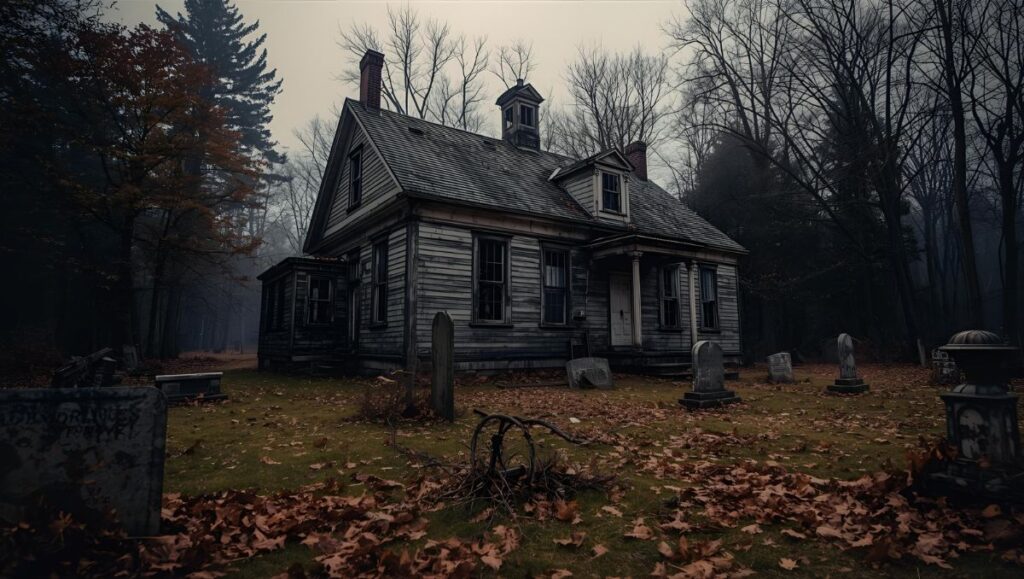
The abandoned schoolhouse near the 1855 cemetery is a haunting presence in Lansing. Its wooden frame is weathered and gray, with peeling paint and broken windows.
The schoolhouse has not been in use for decades. Grass and weeds creep through cracks in the foundation. Nature is slowly reclaiming the building.
Despite its state of decay, the structure retains a sense of history. Inside, old wooden desks sit scattered. Chalkboards are faded but still legible.
Visitors often feel an immediate unease upon approaching. The atmosphere is heavy, silent, and oppressive.
Local legends speak of the school’s dark history. It is said that tragedies occurred within its walls. Students fell ill, accidents happened, and some died under mysterious circumstances.
Some believe the building holds residual energy from these events. The weight of past suffering seems to linger.
Shadows are commonly reported. People walking past the schoolhouse see figures moving behind broken windows. Sometimes the shapes are fleeting, barely visible.
Others report hearing faint footsteps on the creaking floorboards inside. The sound echoes unnaturally, as if someone is pacing the empty halls.
Whispers are another phenomenon. They are faint, fragmented, and often unintelligible. Yet visitors describe a chilling sense that someone is communicating.
The schoolhouse is closely tied to the nearby 1855 cemetery. Some speculate that the proximity to so many graves amplifies the unsettling energy.
Strange cold spots are frequently reported. The air can shift suddenly from warm to icy without explanation.
Visitors sometimes describe a sense of being followed. Looking over a shoulder reveals nothing, yet the feeling persists.
The building itself is unstable. Boards creak, windows rattle, and doors swing on broken hinges. These sounds can be natural, yet many experiences go beyond typical structural noises.
Some witnesses report fleeting glimpses of children. Figures in old-fashioned clothing—dresses, suits, and hats from the 1800s—appear in hallways or near old desks.
Others see adult figures, perhaps teachers, silently moving through empty rooms. Their faces are rarely clear, but their presence is unmistakable.
Objects have been reported moving. Chairs shift, books fall, and chalk slides across the board. These occurrences are subtle but consistent in multiple accounts.
A few people claim to have felt touches or brushes against their arms while inside. Nothing is violent, yet it adds to the oppressive atmosphere.
The schoolhouse is often used in ghost tours of Lansing’s historic and haunted sites. Guides warn visitors about its unsettling energy and dark history.
One story involves a visitor who heard children laughing inside. Investigating revealed empty halls and dust-covered desks.
Another account describes seeing a shadow pause at the doorway before vanishing into the darkened hallway.
The building’s layout amplifies tension. Narrow hallways, small classrooms, and uneven floors create natural unease.
Yet, many experiences are reported in areas where structural sounds cannot explain them. Footsteps, whispers, and shadows are too precise to be accidental.
Cold spots often appear near the classrooms that once held the youngest children. Visitors describe sudden chills and goosebumps.
Some believe these are echoes of past students. The idea is that intense emotions—fear, sadness, or excitement—remain in the building.
Investigators sometimes capture EVP (Electronic Voice Phenomena) recordings. Faint voices, often calling out or murmuring, appear in audio despite empty rooms.
The proximity to the cemetery seems significant. Some suggest spirits of the deceased may linger and interact with the schoolhouse.
Photographs sometimes reveal anomalies. Orbs, blurs, and shadowy shapes are captured in long hallways and classrooms.
Visitors often describe a strong feeling of oppression. It is not always fear, but a weight that presses down, heavy and persistent.
The schoolhouse’s dark history is partially documented. Historical records note illnesses, accidents, and early closures. Many incidents were tragic.
One story speaks of a teacher who died suddenly during the late 1800s. Some believe her spirit remains, tending to the classrooms she once loved.
Children are often reported as apparitions. Small figures move quickly, sometimes disappearing as witnesses approach.
Visitors describe hearing footsteps that do not match their own or the natural acoustics of the building.
The abandoned schoolhouse is often empty, yet sounds and movements create a sensation of life that should not exist.
Whispers are sometimes described as warnings. Guests report feeling urged to leave, though no threat is present.
Shadowy figures are frequently human-shaped. They may stand near desks, peek from doorways, or vanish at the end of hallways.
The schoolhouse is not considered violent. Experiences are unsettling but rarely harmful.
Some researchers believe the building contains residual energy—impressions of intense past events repeating over time.
Others speculate intelligent spirits may exist, choosing to appear selectively. Sightings often vary by visitor sensitivity.
Visitors report mixed emotions. Awe at the history, sorrow for the tragedies, and fear from the unexplained all intertwine.
Photographs and videos often capture anomalies. Faint shadows, blurred figures, or unexplained lights are sometimes visible.
The classrooms are frequently cited as the most active areas. Desks, chalkboards, and floors all show activity.
Stairwells and hallways are also hotspots. Footsteps, cold spots, and shadows are regularly reported.
The feeling of being watched is common. Guests report eyes on them, or a presence moving behind them.
Some accounts describe fleeting touches. A hand on a shoulder, a brush against the arm, or a cold breeze is felt distinctly.
The abandoned schoolhouse has been the focus of multiple paranormal investigations. EMF readings, thermal cameras, and audio devices often record unexplained activity.
Many visitors experience time distortion. Minutes may feel longer, or footsteps echo in ways that seem impossible.
Some believe the schoolhouse holds sorrowful energy. Death, illness, and tragedy left lasting impressions.
Others think the proximity to the 1855 cemetery intensifies spiritual activity. Graves nearby may anchor lingering spirits.
The building remains mostly empty. Only occasional tours, investigators, or curious explorers enter.
Visitors report heightened awareness of their surroundings. Every creak, shadow, and flicker becomes significant.
Some claim repeated experiences. They return over weeks or months and encounter similar phenomena in the same locations.
Shadows, cold spots, whispers, and apparitions combine to create an environment that is both historic and haunting.
The schoolhouse represents a direct link to the past. Students, teachers, and tragedies from over a century ago leave an imprint on the space.
Even those skeptical of the paranormal feel the oppressive atmosphere. The building evokes respect and caution.
The dark history, combined with structural decay and reports of hauntings, makes it a compelling destination for those intrigued by the supernatural.
Some visitors feel emotional resonance. Sadness, fear, or nostalgia accompanies their experience.
The schoolhouse’s legends continue to grow. Each visitor adds a story to the building’s history of hauntings.
Cold spots, shadows, and whispers are nearly universal among those sensitive to the atmosphere.
Some researchers believe that the building’s energy is a combination of residual echoes and active spiritual presence.
The small classrooms and narrow hallways make encounters feel intimate. Visitors often describe direct interaction with apparitions.
Photographs reveal faint orbs, shadows, and other anomalies. Audio recordings sometimes capture voices or murmurs.
Visitors often feel compelled to leave after experiencing the intense atmosphere. Yet, many are drawn back by curiosity.
The schoolhouse’s proximity to the cemetery reinforces the connection to death and lingering spirits.
Reports consistently describe children and teachers as apparitions. Their presence is subtle, often observed in peripheral vision.
The abandoned schoolhouse is a striking example of how history and tragedy can leave a lasting impression.
Its unsettling atmosphere is a mix of architecture, decay, and reported paranormal phenomena.
Tours, investigators, and local legends continue to maintain its reputation as a haunted site.
The dark history, oppressive air, shadows, and whispers make it a location where the past feels alive.
Even today, the schoolhouse evokes respect, fear, and fascination from those who enter.
Visitors leave with stories, photographs, and memories of a building that refuses to be forgotten.
The abandoned schoolhouse near the 1855 cemetery remains one of Lansing’s most compelling haunted locations.
It is a place where history, tragedy, and the unexplained converge in a powerful and unsettling atmosphere.
Mary Mayo Hall at Michigan State University – Strange noises, flickering lights, reported ghost
7. Mary Mayo Hall at Michigan State University – Strange noises, flickering lights, reported ghost
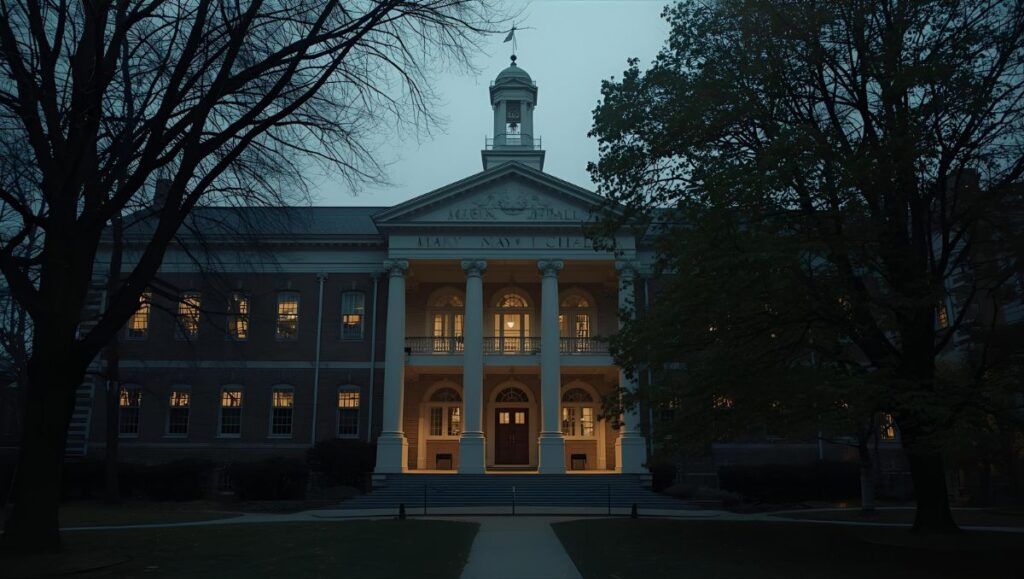
Mary Mayo Hall is one of the older residence halls at Michigan State University. Its brick exterior and long corridors give it a classic college appearance.
Students often describe it as lively during the day. The hallways echo with laughter, footsteps, and conversation.
At night, however, Mary Mayo Hall takes on a different character. Some say the building feels heavier, quieter, and charged with an unusual energy.
Reports of strange noises have circulated for decades. Footsteps, doors creaking, and faint whispers are common, often when no one else is present.
Many students describe flickering lights. In certain hallways or rooms, lights dim or pulse unexpectedly. The effect is intermittent and cannot be explained by electrical faults alone.
The most famous story involves a reported ghost. Witnesses describe seeing a figure in the hallways late at night. Its appearance is brief, often at the edge of vision.
The figure is usually described as female, sometimes in old-fashioned clothing. Observers say she appears near empty rooms or stairwells.
Strange noises often accompany the sightings. Soft footsteps may follow a student down a corridor. Doors may open or close slowly by themselves.
Flickering lights sometimes occur in conjunction with sounds or apparitions. Witnesses report the hallway glowing dimly, then returning to normal.
Mary Mayo Hall’s history may explain some phenomena. The building has been a residence for generations of students. Countless lives, events, and emotions have passed through its walls.
Some believe the ghost is tied to the building’s long history, a student or staff member who lingered after death.
Others think residual energy creates repeating phenomena. Strong emotions from the past—fear, sadness, excitement—may leave traces.
One account involves a late-night resident walking to the bathroom. She heard soft whispering behind her. Turning, she saw nothing, yet the sound persisted.
Another student reported hearing a chair scrape across the floor in an empty lounge. The sound seemed deliberate, not random.
Footsteps are among the most reported phenomena. They pace hallways, sometimes stopping abruptly, then continuing.
Doors opening or closing alone is also common. Residents report them swinging gently, without wind or drafts.
Some students claim to see shadows moving in rooms or along corridors. These are often human-shaped, fleeting, and difficult to focus on.
Cold spots have also been reported. Certain rooms or hallways feel suddenly icy, even on warm nights.
Electrical anomalies are frequent. Lights flicker, outlets spark, or devices fail without cause.
The reported ghost is rarely threatening. Witnesses often describe a sense of being watched rather than attacked.
Some believe the ghost is protective, observing the hall and its residents quietly.
Other stories involve whispers calling names. Students walking alone may hear their name softly spoken, though no one else is present.
The flickering lights seem to respond to presence. Multiple accounts describe lights dimming or pulsing as someone approaches.
Hallways are often described as feeling longer at night. Time and space seem distorted, adding to the eerie atmosphere.
One student claimed to see a shadow pause near the stairwell. When she returned the next night, the same shape appeared in the same spot.
Chairs, desks, and personal items occasionally move slightly. The changes are subtle but enough to cause unease.
Students report mixed emotions. Fear, curiosity, and wonder often combine during late-night encounters.
Some have tried to photograph or record the phenomena. Blurs, shadows, and faint lights occasionally appear in images.
The ghost is often linked to areas with the most activity. Hallways near lounges, stairwells, and older rooms seem most active.
Some believe Mary Mayo Hall preserves the memories of past students, replaying their presence in subtle ways.
Witnesses describe the sensation of being followed. A presence moves behind them, yet nothing is visible when they turn.
Whispers are sometimes accompanied by cold air or sudden light flickers. The combination is unsettling and memorable.
The ghost is sometimes described as sad or longing. Students feel an emotional weight, a sense of presence lingering quietly.
Electrical anomalies often coincide with sightings. Lights dim or flicker near a reported apparition.
Some visitors notice objects moving on their own. Chairs may shift, doors swing, or small items fall.
The hallways’ long design and echoing acoustics amplify noises. Yet many sounds reported are localized, precise, and unlikely to be accidental.
Some researchers consider Mary Mayo Hall a site of both residual and intelligent haunting. Some phenomena repeat historical events, while others respond to the living.
Many students report multiple encounters over time. Shadows, footsteps, and flickering lights seem to recur in certain areas.
Some describe emotional shifts during experiences. Sudden sadness, unease, or nostalgia is common.
The ghost is usually subtle, observed only briefly. Its presence is often more sensed than fully seen.
Students share stories, passing them on to newcomers. The lore continues, blending history and personal experiences.
The building’s long history makes it a repository for many lives. Emotional energy from decades of residence may influence the reported activity.
Witnesses describe feeling pressure in certain rooms, as if someone is standing nearby or leaning close.
Shadows sometimes appear near corners or doorways. They vanish when looked at directly, reinforcing the fleeting nature of the experiences.
The ghost is rarely malevolent. Encounters tend to leave students startled, reflective, or curious rather than frightened.
Some report seeing faint lights along corridors, unrelated to electrical sources.
Footsteps on stairwells are frequently reported. The sounds move rhythmically, pacing up and down.
Whispered words are often undecipherable but carry tone and intent. The voices sometimes seem aware of the listener.
Some visitors sense the ghost’s attention shifting with their movement. Turning a corner may coincide with a new sensation of being watched.
Flickering lights often occur near reported ghost locations. Hallways, stairwells, and lounges show the phenomenon most frequently.
Some students claim the ghost is tied to unfinished business—tasks, routines, or emotional ties from life.
Photographs sometimes capture anomalies. Shadows, blurs, or faint figures appear where nothing is visible to the eye.
The hallways’ length and acoustics can distort sounds, yet many reports are too precise to attribute solely to structure.
Cold spots are most often reported near stairwells or older sections of the hall. Sudden chills accompany many experiences.
Visitors report an overall sense of unease in the building at night. Even students familiar with the hall describe a different atmosphere after dark.
Some witnesses report multiple phenomena at once: shadows, whispers, flickering lights, and sudden cold simultaneously.
Researchers note consistent patterns. Hallways, stairwells, and lounges are hotspots. Sightings and sensations repeat over time.
The ghost seems to appear selectively. Some students never experience anything, while others report repeated encounters.
Many describe the experiences as subtle rather than frightening. A sense of presence is more common than active interaction.
Mary Mayo Hall is part of Michigan State University’s living history. The ghost adds a layer of mystery to the building’s long tenure.
Students often pass stories down. The lore blends documented history with personal encounters, creating a rich narrative.
Some researchers believe the energy is residual. Strong emotions, events, and daily life may leave traces that occasionally manifest.
Others think intelligent spirits may exist, interacting selectively with students and visitors.
Whispers, flickering lights, shadows, cold spots, and a feeling of being watched define the haunting experience.
Students report that the sensation of being observed is strongest in the late evening and early morning hours.
The ghost is rarely seen fully. Most encounters involve glimpses, shadows, or fleeting sensations.
The building’s history as a residence hall makes it a natural site for emotional imprints. Decades of human presence contribute to the reported activity.
Visitors often leave with stories, photographs, or personal memories of something unusual.
The reported ghost, strange noises, and flickering lights make Mary Mayo Hall a central location in Lansing’s haunted folklore.
Students, researchers, and visitors continue to explore and report experiences, keeping the stories alive.
Mary Mayo Hall represents a blend of history, daily life, and lingering mystery. Its atmosphere is both familiar and uncanny.
Cold spots, shadows, footsteps, and flickering lights ensure that the building continues to intrigue and unsettle those who enter.
Respectful exploration allows students to appreciate the building’s beauty, history, and unexplained phenomena.
Mary Mayo Hall endures as a site where past and present coexist. Its ghostly presence continues to captivate, leaving a lasting impression.
How the Store Started?
Deadtime Stories began as a tiny basement pop-up and grew into a REO Town bookstore with the playful Screamatorium next door.
Humble Origins
Deadtime Stories started during the pandemic in the basement of Thrift Witch in Old Town as a tiny pop-up with just a few shelves.
Early Interest
Even in that small space, visitors loved the concept and wanted more.
Expansion to REO Town
Jenn moved the store to a bigger location in REO Town, allowing for more books, better displays, and a stronger neighborhood presence.
The Screamatorium
The store grew to include the Screamatorium, an adjoining gift shop with spooky items, candies, oddities, and horror-themed products.
A Fun Experience
The combination of the bookstore and the Screamatorium creates a playful, immersive experience that visitors enjoy exploring.
What You’ll Find Inside
Step into Deadtime Stories, and you’ll immediately notice the warm, cozy vibe with a touch of eerie charm. It feels like part quiet reading room, part cabinet of curiosities.
Books
- True crime
- Horror fiction
- Paranormal stories
- Michigan dark history
- Works by regional authors covering local cases and legends
You’ll find both new and used books. Some are well-known, while others are rare or hard to track down—especially those about Michigan’s unusual past.
The Screamatorium
Next door, the Screamatorium adds a playful side. Here, you can browse spooky gifts, ghost-hunting kits, nostalgic candy, pins, stickers, shirts, and odd little items you won’t see in regular stores.
The Atmosphere
Relaxed yet full of personality, the store draws readers who enjoy darker themes, people curious about local stories, and anyone who loves independent shops with character.
How the Store Supports the Community
Deadtime Stories showcases local authors, hosts events, and brings together fans of true crime, horror, and Michigan history, creating a welcoming space for connection and conversation.
Spotlight for local authors
Deadtime Stories highlights books by Michigan writers, especially those covering true crime and haunted places.
Events and gatherings
The store hosts book signings, author meetups, local history talks, and community events that bring people together.
A place to learn and discuss
Events provide space for conversation, learning, and sharing interests.
Community hub
Fans of true crime, horror, ghost stories, and local history meet here and form connections.
Promotes local storytelling
By showcasing local work and hosting discussions, the store helps preserve and celebrate regional stories.
What Makes the Store Special (And What to Keep in Mind)
Deadtime Stories stands out for its focus on true crime, horror, and paranormal themes, rare Michigan titles, and a welcoming, character-filled atmosphere. Its niche style appeals to dedicated fans and supports local writers and events.
Strengths
- Deadtime Stories is truly unique, with a strong focus on true crime, horror, and paranormal themes.
- It carries carefully curated, hard-to-find titles, especially stories about Michigan.
- The atmosphere is immersive, full of character, and fun to explore.
- The store actively supports local writers and hosts events, helping build a sense of community.
Things to Consider
- The themes are darker than what some readers may prefer.
- It doesn’t focus on mainstream fiction or large categories like romance or fantasy.
- Its niche style appeals to a smaller, very dedicated audience.
These aren’t drawbacks—they simply show the store knows exactly what it wants to be and does it well.
Who Should Visit
Deadtime Stories is the perfect stop for anyone who:
- Loves true crime stories and mysteries
- Enjoys horror and spooky tales
- Is fascinated by ghosts, paranormal activity, or the unexplained
- Wants to learn about Michigan legends and unusual local history
- Enjoys browsing unique, quirky, or spooky gifts
- Appreciates independent bookstores with character and charm
- Is curious about the creative energy of REO Town
If you enjoy stories with mystery, tension, or a touch of fear, you will feel right at home here.
Practical Info
Address: 1132 S. Washington Ave, REO Town, Lansing.
Hours: Check current listings or the store’s page before visiting, since hours can vary by season or events.
What to expect?
A friendly staff who enjoy talking about books, local history, and dark themes. A mix of books and themed items. A relaxed space where you can browse slowly and make surprising discoveries.
Tips for visiting
- Explore both the bookstore and the Screamatorium.
- Look at the event calendar for signings or special gatherings.
- Ask staff for recommendations. They know local stories well.
- Plan for a slightly darker theme if you are bringing kids.
Conclusion
Deadtime Stories matter because it offers something fresh and real. It does not try to be a typical bookstore. It chooses a theme, embraces it fully, and builds a community around it.
From its pandemic start in a small basement to its present home in REO Town, the store has grown while keeping its heart the same.
If you are interested in true crime, horror, the paranormal, or Michigan’s hidden stories, this shop is worth a visit. Walk in with curiosity, take your time with the shelves, and explore both rooms.
You may leave with a book, a fun small item, or simply a new story you did not expect to find.