Chapter 1: A Quiet Problem
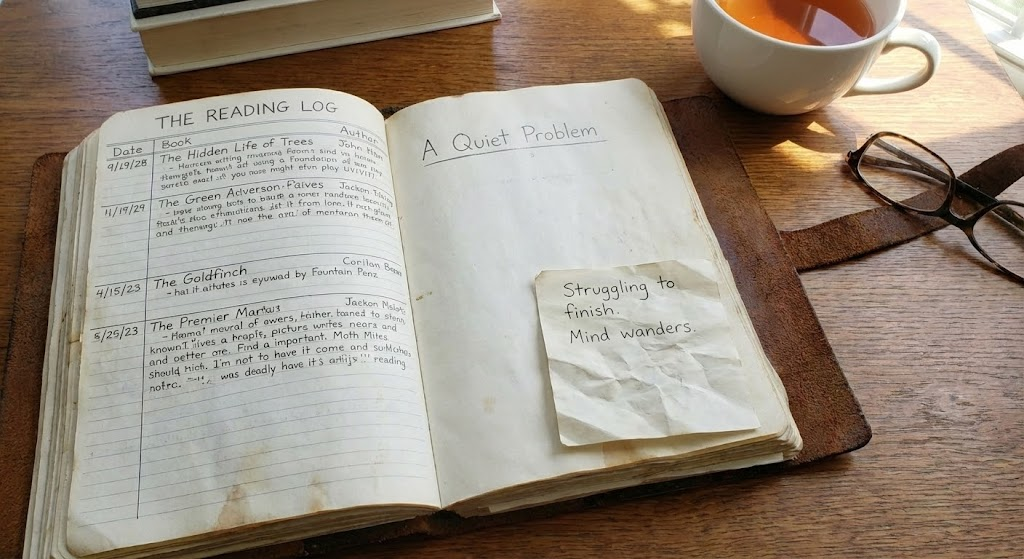
Mr. Hernandez arrived at Roosevelt Elementary just as the sun rose.
The playground was empty.
The swings swayed in the morning breeze.
Inside, the halls smelled faintly of crayons and old books.
He unlocked his classroom and turned on the lights.
He had been teaching fourth grade for nine years.
He knew his students.
He knew who thrived.
He knew who struggled quietly.
One student stood out immediately.
Alyssa.
She was small for her age.
Quiet.
Polite.
Her handwriting was tiny but neat.
She followed instructions in class.
But she never completed her reading log.
Not once.
The reading log was simple.
Students were to read fifteen minutes a day at home.
Write the title.
Write the date.
Write a brief reflection.
Most students complied.
Most students wrote a few sentences.
Alyssa left hers blank.
Mr. Hernandez first noticed during weekly checks.
“Where’s your log?” he asked gently.
Alyssa shrugged.
“I didn’t read,” she whispered.
“Didn’t you have time?” he asked.
She shook her head.
At first, he thought it was forgetfulness.
Then he noticed patterns.
Her desk was neat.
Her work in class was complete.
Her comprehension was good.
She simply did not do the reading log.
He spoke to her privately one afternoon.
“Is there a reason you’re not completing the log?” he asked.
She looked down at her hands.
“I don’t have anyone to read with at home,” she said quietly.
Her words were soft.
They were honest.
That afternoon, Mr. Hernandez thought about what could be done.
He could assign her extra work.
He could mark zeros.
He could call home.
But he knew that would not solve the problem.
Alyssa needed support.
Not punishment.
He decided to try something different.
He set up a reading corner in the classroom.
Alyssa could read there.
She could choose books she liked.
She could listen to audiobooks if she wanted.
The rules were simple: read, reflect, and share if comfortable.
The next day, he spoke to Alyssa privately.
“Would you like to try reading here for a few minutes each day?” he asked.
Her eyes widened.
She nodded.
“Okay,” she whispered.
She seemed cautious.
But hopeful.
During reading time, she picked a book from the shelf.
A picture book.
A story about a girl who loved animals.
She read the first page silently.
Then the next.
She smiled faintly at a funny sentence.
Mr. Hernandez watched quietly.
He did not intervene.
He did not comment.
He simply let her experience the moment.
Small. Quiet. Safe.
By the end of the week, she had completed her first reading log entry in class.
It was brief:
“Read about a girl and her dog. It made me happy.”
No mistakes.
No over-explanation.
Just honest words.
He smiled quietly.
This was progress.
Not dramatic.
Not flashy.
But meaningful.
Alyssa had found a way to participate without fear.
She had discovered a small success.
He realized teaching was often like this.
It was about noticing.
It was about creating space.
It was about small opportunities.
Sometimes, the quietest students needed the quietest interventions.
By the end of the day, Alyssa seemed lighter.
She carried her book carefully.
She smiled at a classmate.
She whispered a thank-you when Mr. Hernandez handed back a worksheet.
Small gestures.
But telling.
Mr. Hernandez reflected on the week.
A reading log was not just a homework assignment.
It could be a window into a student’s life.
A way to notice challenges.
A way to build confidence.
And sometimes, the smallest adjustments—like a classroom reading corner—could make all the difference.
Chapter 2: Finding a Way
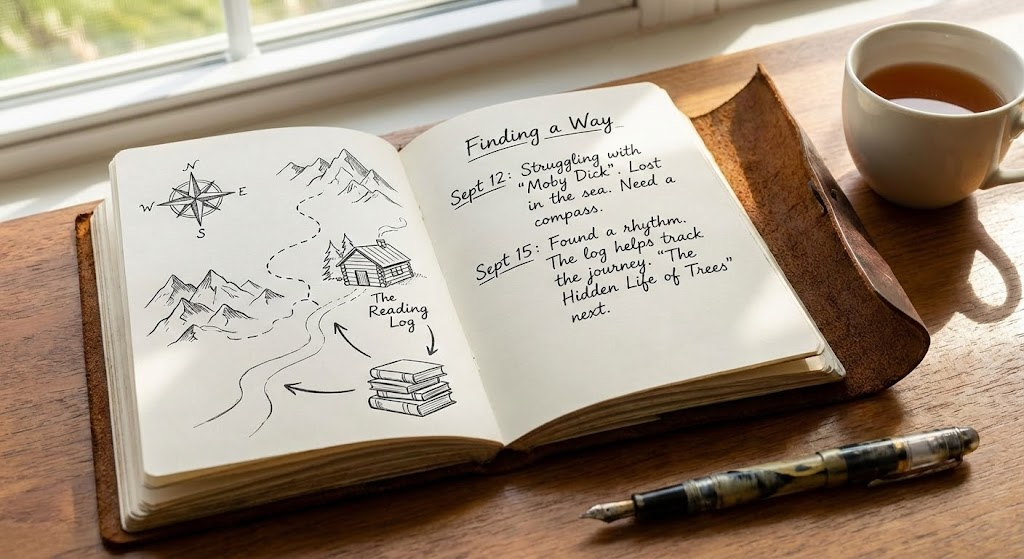
The next week, Alyssa arrived early.
She carried a small tote bag instead of a backpack.
Inside were her pencils, crayons, and a thin notebook.
She sat at the reading corner quietly.
No one else was there yet.
Mr. Hernandez noticed immediately.
He smiled quietly and continued grading papers.
He did not interrupt her.
He simply observed.
Alyssa opened a book.
It was a story about a girl and a lost kitten.
She turned the pages carefully.
Her lips moved slightly as she read silently.
Every so often, she scribbled a note in her journal.
Other students trickled in.
Some whispered.
Some ran to friends.
Alyssa did not look up.
She focused.
She stayed in her quiet space.
By the third day, she had completed a reading log entry in her notebook.
Not long.
Not detailed.
But honest.
“Read about a girl who found a kitten.
It made me feel happy and safe.”
Mr. Hernandez reviewed it quietly.
He did not mark it down or write corrections.
He simply left a note:
“Great job noticing feelings in the story.”
Alyssa looked up, surprised.
She smiled faintly.
Then went back to reading.
Later that week, he paired her with a classmate during reading time.
He chose a student who was patient and calm.
The two of them read aloud together.
Alyssa hesitated at first.
Her voice was quiet.
The classmate read a paragraph, then Alyssa read the next.
No judgment.
No rushing.
By Friday, Alyssa had completed three reading log entries.
She was proud.
Not boastful.
Just quietly proud.
Mr. Hernandez noticed her confidence growing.
He decided to invite her to share one of her entries aloud.
In class, he said, “If anyone wants, you can share your reading log today.”
Alyssa looked down.
Her fingers twisted the edges of her notebook.
A few students glanced at her curiously.
She hesitated.
Then nodded slightly.
She read her entry about the lost kitten.
Her voice was soft but clear.
She paused when she needed to.
Finished the paragraph.
She looked up.
Some classmates smiled.
She smiled back, faintly.
Mr. Hernandez nodded.
“That was excellent, Alyssa,” he said.
Over the next weeks, she continued reading in class.
Sometimes she listened to audiobooks.
Sometimes she read aloud with classmates.
Sometimes she wrote reflections in her journal.
Each step was small.
But each step built confidence.
Her reading logs began to improve.
Longer sentences.
Clearer reflections.
More connections to the story.
She even started recommending books to other students.
Quietly.
But sincerely.
Mr. Hernandez realized the importance of flexibility.
The assignment itself was not as important as access.
She could read.
She could reflect.
She could feel successful.
That was the goal.
By the end of the month, she had completed almost all reading logs.
No zeros.
No missing entries.
Just steady progress.
Her classmates began to notice.
She contributed more in discussions.
She raised her hand when she had a thought.
She spoke with clarity.
At the end of the month, Mr. Hernandez wrote a note in her journal:
“I’m proud of your efforts. Keep noticing and reflecting. You are growing.”
Alyssa read it carefully.
She smiled faintly.
Not dramatically.
Just enough to feel recognized.
She realized that reading logs were no longer a task.
They were a way to reflect.
A way to grow.
A way to connect her thoughts with words.
A way to feel seen in class.
Mr. Hernandez reflected on her progress quietly.
Sometimes, teaching was about creating pathways.
Providing opportunities.
Adjusting expectations.
Listening.
Understanding.
Sometimes the smallest interventions created the largest impact.
Chapter 3: Overcoming Hesitation

Spring mornings were quiet in Roosevelt Elementary.
Sunlight streamed through the tall windows.
The classroom smelled faintly of crayons and paper.
Alyssa arrived early, carrying her tote bag.
Inside were pencils, her journal, and a thin paperback book.
She placed them carefully on her desk.
Mr. Hernandez greeted her with a small smile.
“Good morning, Alyssa. Ready to read?”
She nodded quietly.
No words.
Just movement.
She opened her book.
Today, she chose a story about a girl learning to ride a bicycle.
She read slowly.
Pausing at difficult words.
Turning pages with care.
Her fingers traced the lines as she read.
She seemed absorbed in the story.
A few classmates gathered near the reading corner.
Some whispered.
Some glanced curiously.
Alyssa kept her head down.
She read quietly.
Her expression serious but calm.
During reflection time, she wrote in her journal.
“Read about a girl learning to ride.
I like when she does not give up.
It reminds me to keep trying.”
Mr. Hernandez read it later.
He wrote:
“Excellent observation, Alyssa. Keep noticing the lessons in your stories.”
She read his note and smiled faintly.
That week, he invited her to read aloud with a small group.
Alyssa hesitated at first.
Her fingers twisted the edge of her journal.
She looked at the group.
Then at Mr. Hernandez.
Finally, she nodded.
The group read together slowly.
Alyssa read a paragraph aloud.
Her voice was soft.
Occasionally, she paused.
Her classmates waited patiently.
They did not interrupt.
They did not rush her.
After reading, the group discussed the story.
Alyssa contributed quietly.
Her words were thoughtful.
Short sentences, but meaningful.
Her classmates listened.
They nodded.
Sometimes, they smiled.
She smiled back faintly.
By the end of the week, she had completed four reading log entries.
No missing days.
No excuses.
Just steady effort.
Mr. Hernandez noticed her confidence growing.
Not loudly.
Not dramatically.
But steadily.
ne afternoon, she approached him.
“I finished my reading log,” she whispered.
She handed him the notebook carefully.
He flipped through the entries.
Neat handwriting.
Thoughtful reflections.
He nodded quietly.
“Well done, Alyssa,” he said.
She nodded, relieved.
Later that week, the class had a new assignment.
Students were asked to write about a personal challenge.
Alyssa paused.
She hesitated.
She looked down at her notebook.
She remembered the girl learning to ride a bicycle.
She thought about persistence.
She wrote slowly.
“I sometimes feel nervous about reading aloud.
It is hard to speak in front of others.
But I keep trying, like the girl learning to ride her bike.”
Mr. Hernandez read it quietly.
He left a note:
“You’re noticing your growth. Excellent reflection.”
Alyssa smiled faintly.
By the end of the month, Alyssa was participating more.
She volunteered for reading activities.
She paired with other students for discussion.
She offered suggestions quietly.
Her confidence was growing.
It was subtle.
But it was noticeable.
Mr. Hernandez reflected on her progress.
The reading log was no longer a task.
It had become a tool.
A tool for reflection.
A tool for growth.
A tool for confidence.
He realized that sometimes, learning required patience.
Small steps.
Quiet encouragement.
Opportunities to try without fear of judgment.
These small actions created lasting results.
By the end of Chapter 3, Alyssa was no longer hesitant.
She still spoke softly.
She still paused when unsure.
But she participated.
She read.
She reflected.
She grew.
Chapter 4: Stepping Forward

The weeks passed, and Roosevelt Elementary felt warmer.
Spring sunlight filled the classrooms.
Hallways echoed with laughter and chatter.
Alyssa arrived each morning with her tote bag.
She carried her journal, pencils, and her latest book carefully.
Mr. Hernandez greeted her with a small smile.
“Ready to read today, Alyssa?”
She nodded quietly.
No words.
Just action.
She opened her book and began reading.
This week, she chose a story about a young inventor.
The girl in the story built small machines in her garage.
She faced failure.
She kept trying.
Alyssa read carefully, turning each page with focus.
She wrote notes in her journal as she read.
During reflection time, she wrote:
“Read about a girl who keeps building things.
She fails sometimes but keeps trying.
It reminds me not to give up on reading.”
Mr. Hernandez read her entry and wrote a note:
“Excellent connection. You are noticing important lessons.”
She looked up and smiled faintly.
One afternoon, he paired her with two classmates for a group discussion.
At first, she hesitated.
Her hands twisted the edges of her notebook.
She looked at the group, then at Mr. Hernandez.
Finally, she nodded.
The group read aloud together.
Alyssa read a paragraph clearly.
She paused occasionally, but her voice was steady.
Her classmates listened.
No interruptions.
No rushing.
Just quiet attention.
After reading, the group discussed the story.
Alyssa shared her thoughts.
She spoke about persistence and learning from mistakes.
Her classmates nodded.
Some smiled.
She smiled back, quietly proud.
Over the next two weeks, Alyssa continued completing reading logs consistently.
She volunteered to read aloud more often.
She paired with classmates for discussion.
She offered suggestions and observations quietly.
Her confidence was steadily growing.
Mr. Hernandez noticed how much small encouragement mattered.
The reading corner.
Private praise.
Flexible options.
A chance to read in her own way.
All of these allowed Alyssa to succeed.
One day, he asked her to share a favorite story with the class.
Her face turned slightly red.
Her hands shook as she held the book.
She looked at him for reassurance.
He nodded quietly.
“Go ahead, Alyssa.”
She read aloud.
Her voice was soft but clear.
She paused at tricky words, but continued.
The class listened.
No snickers.
No judgment.
Just attention.
When she finished, a few students clapped quietly.
Alyssa blushed faintly.
She returned to her seat.
A small smile appeared on her face.
Not dramatic.
But real.
By the end of the week, she had completed all reading logs for the month.
No missing entries.
No excuses.
Steady progress.
Confidence growing quietly but surely.
Mr. Hernandez reflected on her journey.
Sometimes teaching was not about grand lessons.
It was about noticing a struggle.
Creating small opportunities.
Providing support quietly.
Encouraging growth one step at a time.
Alyssa had not changed overnight.
She had not become the loudest student.
She had not become a class leader.
But she was participating.
She was reflecting.
She was growing.
The reading log had become more than an assignment.
It had become a tool for empowerment.
Chapter 5: Reading for Life
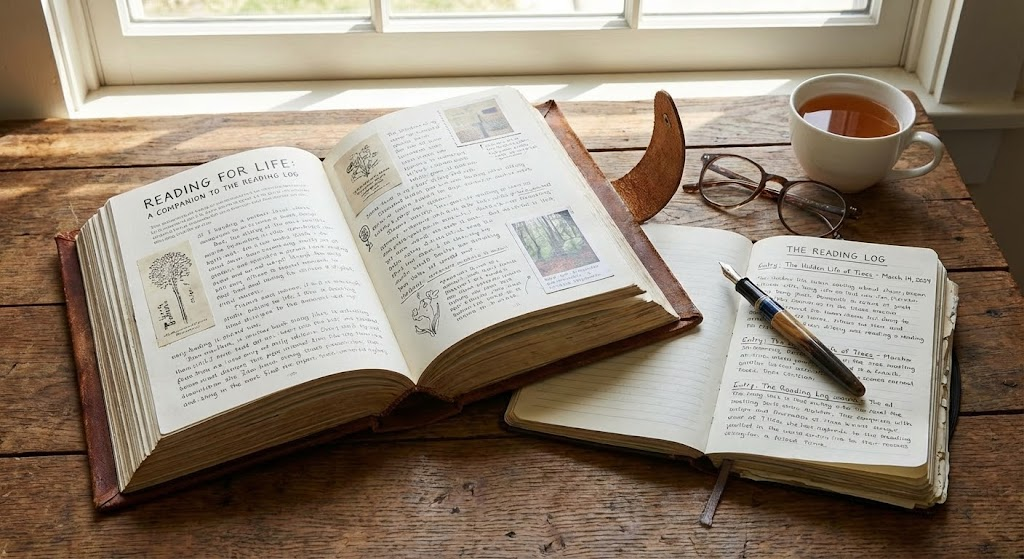
The last week of school arrived at Roosevelt Elementary.
Hallways were crowded.
Lockers slammed.
Students laughed and hugged their friends.
The classroom smelled of paper, crayons, and spring air.
Alyssa arrived early as usual.
She carried her tote bag, her journal, and her latest book.
Mr. Hernandez greeted her quietly.
“Ready to read today, Alyssa?”
She nodded.
No hesitation.
No fear.
She opened her book and began reading.
This week, she chose a story about a young scientist.
The girl in the story experimented, failed, and tried again.
Alyssa read carefully.
Her fingers traced the lines.
Her eyes moved steadily across the page.
She wrote notes in her journal.
During reflection time, she wrote:
“Read about a girl who keeps trying experiments.
She learns from mistakes.
I want to do the same in reading.”
Mr. Hernandez read her entry.
He wrote:
“Excellent reflection, Alyssa. Keep learning from every story.”
She smiled faintly but genuinely
Later, the class held a reading showcase.
Students were invited to share favorite stories aloud.
Alyssa raised her hand confidently.
She walked to the front with her journal.
She held her book firmly.
Her voice was soft but steady.
She read about the young scientist.
She paused at challenging words.
She explained briefly why the story mattered to her.
Her classmates listened quietly.
Some nodded.
Some smiled.
No laughter.
No distraction.
Just attention.
When she finished, a few students clapped softly.
Alyssa returned to her seat.
Her cheeks were slightly pink.
Her smile was small but proud.
She had faced fear quietly.
And succeeded.
By the end of the week, she had completed all reading logs for the year.
No missing entries.
No excuses.
She had grown steadily.
She read more, reflected more, and participated more.
She had learned to trust her voice.
Mr. Hernandez reflected on her journey.
It had started with a quiet struggle.
A simple reading log left blank.
Then a small intervention—a classroom reading corner.
Private encouragement.
Flexible options.
Patience.
Alyssa had not changed overnight.
She had not become the loudest or most outgoing student.
But she had grown in confidence.
She had learned to express her thoughts.
She had learned to reflect.
She had learned the value of persistence.
On the last day, she handed Mr. Hernandez her journal.
“Thank you,” she whispered.
He read the last entry:
“Reading helps me think. It helps me try. I want to keep learning.”
He smiled quietly.
“You will, Alyssa. You will keep learning.”
Her mother attended the end-of-year celebration.
She hugged Alyssa tightly.
“You’ve grown so much,” she said.
Alyssa smiled faintly but sincerely.
It was a quiet confidence.
Not boastful.
Not loud.
But real.
Mr. Hernandez placed her journal on the shelf in the reading corner.
Alyssa’s progress was now a permanent part of the classroom.
A symbol of quiet growth, persistence, and trust.
A lesson for future students.
He realized teaching often worked this way.
Small gestures.
Careful attention.
Patience.
Consistency.
These small acts had a lasting impact.
Sometimes, the smallest opportunities could create the biggest change.
By the end of the year, Alyssa had transformed her relationship with reading.
It was no longer a task.
No longer a burden.
It was a source of reflection, confidence, and pride.
A lifelong skill nurtured quietly but meaningfully.
Mr. Hernandez watched her leave the classroom one last time.
She carried her tote bag and journal carefully.
She walked confidently down the hallway.
Not loudly.
Not dramatically.
But steadily.
He knew she would continue reading.
Reflecting.
Growing.
And quietly, he smiled, knowing a small intervention had created a lasting impact.
Sometimes, the simplest tools—a reading log, a quiet corner, a patient teacher—made the biggest difference.
End of Story