Chapter 1: The Missing Piece
Ms. Rivera arrived at Lincoln Middle School early.
The hallways were quiet.
The faint smell of paint and paper lingered in the art room.
She turned on the lights.
Tables were neatly arranged.
Supplies organized.
Today was a big day: the students were presenting their final art projects.
One student caught her attention immediately.
Sophie.
She was creative and imaginative.
Her sketches were detailed.
Her color choices thoughtful.
But her final project was missing.
Ms. Rivera frowned.
She asked, “Sophie, where is your project?”
Sophie looked down.
Her hands twisted together.
“I… I think I lost it,” she whispered.
Ms. Rivera felt a pang of concern.
This was a student who cared deeply about her work.
She never missed deadlines.
She was responsible.
“Can you tell me what happened?” Ms. Rivera asked gently.
Sophie explained quietly.
“I worked on it at home.
I put it in my backpack.
I brought it to school… but now it’s gone.
I think it fell out.”
Ms. Rivera thought for a moment.
Punishment would not help.
Nor would scolding.
Sophie needed support.
Not blame.
She decided to give Sophie a chance.
“Let’s see what we can do together,” she said.
“Maybe we can recreate part of it here.”
Sophie’s eyes widened.
A spark of hope.
They began by gathering supplies.
Paints.
Brushes.
Colored pencils.
Paper.
Canvas.
Everything Sophie needed.
Ms. Rivera guided Sophie.
Not by doing the work for her.
Not by dictating.
But by asking questions.
“What were the main colors you used?”
“What was the focus of the composition?”
“What story were you telling?”
Sophie thought carefully.
She sketched lightly on a new sheet.
Colors began to fill in the paper.
Shapes emerged.
Her vision slowly returned.
Other students noticed Sophie working quietly.
Some whispered.
Some glanced curiously.
She did not notice them.
She was focused.
By the end of the first session, Sophie had recreated most of her project.
Not exactly the same.
But close enough.
It captured the essence.
Her creativity.
Her ideas.
Ms. Rivera smiled quietly.
Small steps mattered more than perfection.
Sophie had regained confidence.
The lost project had become a chance for problem-solving.
A chance for resilience.
After class, Sophie packed her recreated project carefully.
“I’ll take extra care this time,” she whispered.
Ms. Rivera nodded.
“I know you will,” she replied.
No judgment.
Just encouragement.
The next day, Sophie arrived with the recreated project.
She placed it on her table carefully.
Pride and relief showed in her posture.
Ms. Rivera reflected quietly.
Teaching was often about guiding students through challenges.
Helping them rebuild confidence after setbacks.
Creating opportunities for success, even when circumstances were not perfect.
By the end of Chapter 1, Sophie had learned something important.
Mistakes and accidents happen.
Loss occurs.
But resilience, effort, and guidance could turn a setback into growth.
Small victories mattered.
Chapter 2: Rebuilding Confidence
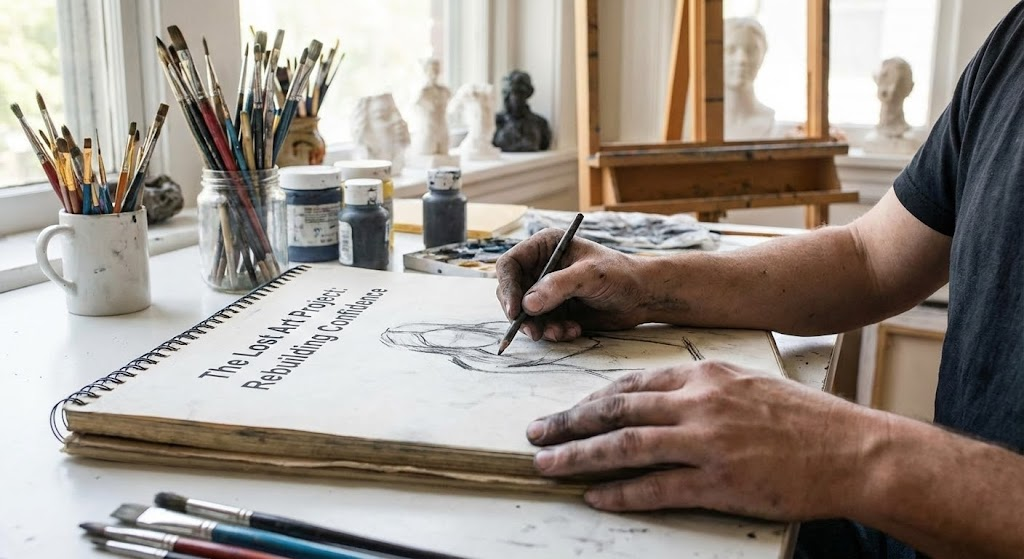
The next morning, Sophie arrived at Lincoln Middle School early.
Her tote bag was heavier than usual.
Inside was her recreated art project.
She placed it carefully on her desk.
Ms. Rivera greeted her quietly.
“Good morning, Sophie. Ready to work on it some more?”
Sophie nodded.
No hesitation.
Just quiet focus.
During class, Ms. Rivera encouraged students to share ideas about composition and color.
Sophie listened carefully.
She took notes in her sketchbook.
She added small details to her recreated project.
Her classmates noticed her determination.
Some whispered encouragement.
Some asked questions about her process.
She responded quietly.
Focused on her work.
Ms. Rivera paired Sophie with a student for a collaborative project.
At first, Sophie hesitated.
She was worried her work would be compared.
Her recreated project felt fragile.
But the partner was patient and encouraging.
They discussed ideas.
They sketched together.
Shared colors and techniques.
Sophie began to smile faintly.
Small trust forming.
After the collaborative session, Ms. Rivera asked Sophie to reflect in her journal.
“What did you learn from recreating your project?”
Sophie wrote:
“I learned that losing something is hard.
But I can rebuild it.
And it can even be better than before.”
Ms. Rivera read the journal entry quietly.
She wrote a note:
“Excellent reflection, Sophie. You are learning resilience and creativity.”
Sophie read it and smiled faintly.
Over the next week, Sophie worked steadily on her project.
She experimented with colors.
Tried different techniques.
Added textures and patterns she had not used before.
Her recreated project was evolving.
Other students began to notice the transformation.
They complimented her on her creativity.
Sophie listened quietly.
Acknowledged the praise with a small nod.
One day, a student asked if Sophie’s project had been lost originally.
She nodded quietly.
“It was,” she whispered.
The other student smiled.
“You rebuilt it really well,” they said.
Sophie smiled faintly.
Pride, small but real.
Ms. Rivera reflected on Sophie’s growth.
The lost project had become a lesson in problem-solving, perseverance, and creativity.
Small setbacks were opportunities for learning.
Patience and guidance mattered.
By the end of the week, Sophie had nearly completed her recreated project.
Her colors were bolder.
Her details more refined.
Her confidence had grown quietly but steadily.
During a class discussion, Ms. Rivera asked students to share lessons learned from their projects.
Sophie raised her hand.
She spoke softly.
“Even if something is lost, we can rebuild it.
We can make it our own.
We can learn from mistakes.”
Her classmates listened attentively.
Some nodded.
Some smiled.
No judgment.
Just acknowledgment.
By the end of Chapter 2, Sophie had not only rebuilt her lost art project.
She had gained confidence.
She had learned patience.
She had discovered that setbacks could lead to growth.
Small victories mattered.
Ms. Rivera smiled quietly.
Teaching was often about guiding students through challenges.
Helping them find solutions.
Encouraging persistence.
Even small gestures—notes, guidance, patience—could make a lasting impact.
Chapter 3: Creative Challenges
Spring sunlight filled the art room at Lincoln Middle School.
Tables were scattered with paint, brushes, and paper.
Sophie arrived early.
Her tote bag carried her recreated project and extra supplies.
She placed them carefully on her desk.
Ms. Rivera greeted her quietly.
“Ready to continue today, Sophie?”
She nodded.
No hesitation.
Just focus.
Today, the lesson focused on adding depth and texture to projects.
Sophie listened carefully.
She experimented with shading and layering colors.
She tried techniques she had never used before.
At first, the results were messy.
Colors blended unexpectedly.
Brush strokes uneven.
She frowned.
But she kept going.
Ms. Rivera walked around the room.
She stopped by Sophie’s desk.
“Remember, it doesn’t have to be perfect.
Focus on learning and experimenting,” she said quietly.
Sophie nodded and continued.
By mid-session, her recreated project had evolved.
Details became more refined.
Colors blended beautifully.
The piece reflected her creativity and persistence.
Other students noticed her progress.
They asked questions about her techniques.
Sophie responded quietly.
Step by step.
Sharing what she had learned.
During reflection time, Ms. Rivera asked students to journal.
“What did you discover while working on your project?”
Sophie wrote:
“I learned that mistakes can make a project better.
Trying new techniques helped me improve.
I am proud of what I created.”
Ms. Rivera read the journal entry and wrote a note:
“Excellent reflection, Sophie. You are learning patience, resilience, and creativity.”
Sophie read it and smiled faintly.
The next day, Sophie paired with a classmate for a collaborative painting.
At first, she hesitated.
She worried her work might be criticized.
Her recreated project still felt delicate.
Her partner was patient.
They discussed ideas.
Shared techniques.
Experimented with colors and textures.
Sophie grew more confident.
Her contributions were thoughtful and precise.
By the end of the week, Sophie’s recreated project was nearly complete.
She had added new layers, textures, and details.
Her work reflected not only the original idea but her own creative growth.
Ms. Rivera asked Sophie to present her work to the class.
She was nervous.
Her hands shook slightly as she held the project.
Her voice was soft.
But she explained the story behind the piece.
The creative choices she made.
The lessons she learned from losing and recreating it.
Her classmates listened quietly.
Some nodded.
Some smiled.
No judgment.
Just respect.
By the end of Chapter 3, Sophie had not only recreated her lost project.
She had grown creatively.
She had learned patience.
She had discovered that mistakes and setbacks could lead to new ideas.
She had built confidence in her skills.
Ms. Rivera reflected quietly.
The lost project had become a lesson in resilience, creativity, and persistence.
Small interventions, guidance, and patience had made a lasting impact.
Chapter 4: Final Touches
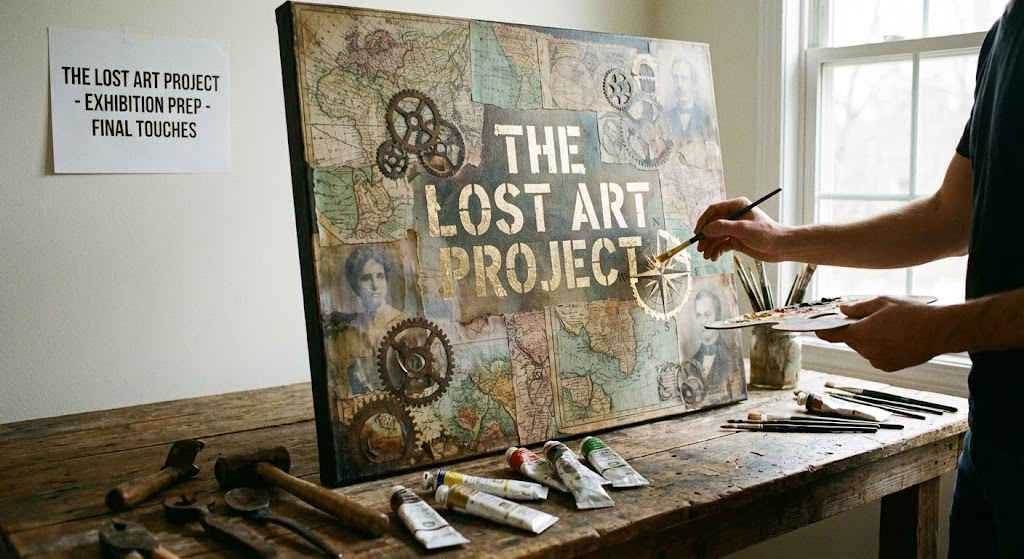
The art room at Lincoln Middle School was alive with color.
Sunlight streamed through the tall windows.
Students were putting finishing touches on their projects.
Sophie arrived early, carrying her recreated art piece carefully.
Ms. Rivera greeted her quietly.
“Ready to finalize your project, Sophie?”
Sophie nodded.
Her eyes focused.
Her hands steady.
Today, the lesson focused on finishing techniques.
Adding highlights.
Refining details.
Experimenting with texture.
Sophie listened carefully.
She studied her recreated project.
She decided to add small highlights to the focal area.
Soft strokes with a fine brush.
Shadows deepened.
Colors became richer.
The piece began to feel complete.
Her classmates noticed her work.
Some asked questions about her techniques.
Sophie responded quietly.
Step by step.
Calmly.
Ms. Rivera walked around the room.
She stopped by Sophie’s desk.
“Your project shows growth and creativity,” she said quietly.
Sophie smiled faintly.
Her confidence was steady now.
During reflection time, students wrote about their learning experiences.
Sophie wrote:
“Losing my project was hard.
Recreating it taught me patience and problem-solving.
I learned to try new things.
I am proud of my work.”
Ms. Rivera read the journal entry.
She wrote a note:
“Excellent reflection. You have learned resilience, creativity, and persistence. Well done, Sophie.”
Sophie read it and smiled quietly.
Later, Sophie offered help to a classmate struggling with color blending.
She demonstrated soft strokes.
Explained layering techniques.
The classmate nodded and followed her guidance.
Sophie felt a quiet satisfaction.
Over the next few days, she refined her project further.
She added textures and details.
Made small adjustments to improve composition.
Her recreated piece now reflected both her original vision and her creative growth.
Ms. Rivera noticed Sophie’s quiet leadership.
Her willingness to assist others.
Her confidence in presenting ideas.
The lost project had become a lesson in resilience and collaboration.
By the end of Chapter 4, Sophie’s recreated art project was complete.
It captured her creativity.
Her problem-solving skills.
Her patience and persistence.
She had transformed a setback into growth.
Ms. Rivera reflected quietly.
Sometimes, teaching was about creating opportunities for growth.
Helping students navigate challenges.
Encouraging effort, creativity, and confidence.
Even small interventions could have lasting impact.
Sophie’s classmates admired her work.
Some whispered compliments.
Some asked questions.
She responded calmly.
Sharing techniques.
Offering guidance.
Her confidence was subtle but real.
By the end of the week, students were preparing for the art showcase.
Sophie carefully packed her project.
She felt proud.
Not boastful.
Just quietly accomplished.
Chapter 5: The Art Showcase

The day of the art showcase arrived at Lincoln Middle School.
The hallways buzzed with excitement.
Students carried their finished projects carefully.
Parents, teachers, and classmates filled the gym.
Tables were lined with colorful artwork.
Sophie arrived early, carrying her recreated project with care.
Her hands trembled slightly.
Her heart raced.
She had worked hard to rebuild this piece.
Ms. Rivera greeted her quietly.
“You’re ready, Sophie. Your project looks wonderful,” she said.
Sophie nodded.
Her eyes scanned the room.
She felt a mix of nerves and pride.
Students displayed their projects on tables.
Parents walked around, admiring the work.
Some asked questions.
Some took pictures.
Sophie carefully placed her project on the display table.
When visitors approached, Sophie explained her process quietly.
She spoke about the original project she lost.
About recreating it.
About the new techniques she had tried.
Her classmates listened attentively.
Some whispered compliments.
Some asked questions about her methods.
Sophie responded calmly and confidently.
Ms. Rivera watched proudly.
Sophie had grown so much.
From a student devastated by losing her project.
To a student who rebuilt it, improved it, and shared it confidently.
After the showcase, students returned to the classroom.
Ms. Rivera asked Sophie to reflect in her journal one final time.
Sophie wrote:
“Losing my project was hard.
Recreating it taught me patience and persistence.
I tried new things.
I learned I can handle setbacks and still create something I’m proud of.
Ms. Rivera read the journal and wrote a note:
“Excellent reflection. You’ve shown resilience, creativity, and growth.
Your journey is an inspiration.”
Sophie read it and smiled faintly but proudly.
Her parents attended the showcase.
They hugged her tightly.
“You did an amazing job,” her mother said.
Sophie smiled.
Pride, quiet but genuine.
Over the next weeks, the art room felt different.
Sophie was more confident.
She offered guidance to classmates.
She experimented with new techniques without fear of mistakes.
The lost project had become a lesson she would carry forward.
Ms. Rivera reflected quietly.
Teaching often meant guiding students through challenges.
Helping them rebuild confidence.
Encouraging creativity and persistence.
Sometimes the smallest interventions—patience, guidance, and opportunity—made the biggest difference.
By the end of the school year, Sophie had transformed.
Not just in art skills.
But in confidence, resilience, and problem-solving.
The recreated project was more than a piece of art.
It was proof of growth.
Ms. Rivera smiled quietly as she looked around the room.
Students were learning not just skills, but lessons for life.
Effort.
Persistence.
Resilience.
And the quiet satisfaction of overcoming setbacks.
Sophie packed her project carefully one last time.
She walked down the hallway with confidence.
Not boastful.
Not loud.
Just steady.
Quietly proud.
The lost art project had become a story of growth.
A story of patience.
A story of creativity.
A story of resilience.
And it would remain with Sophie far beyond Lincoln Middle School.
End of Story