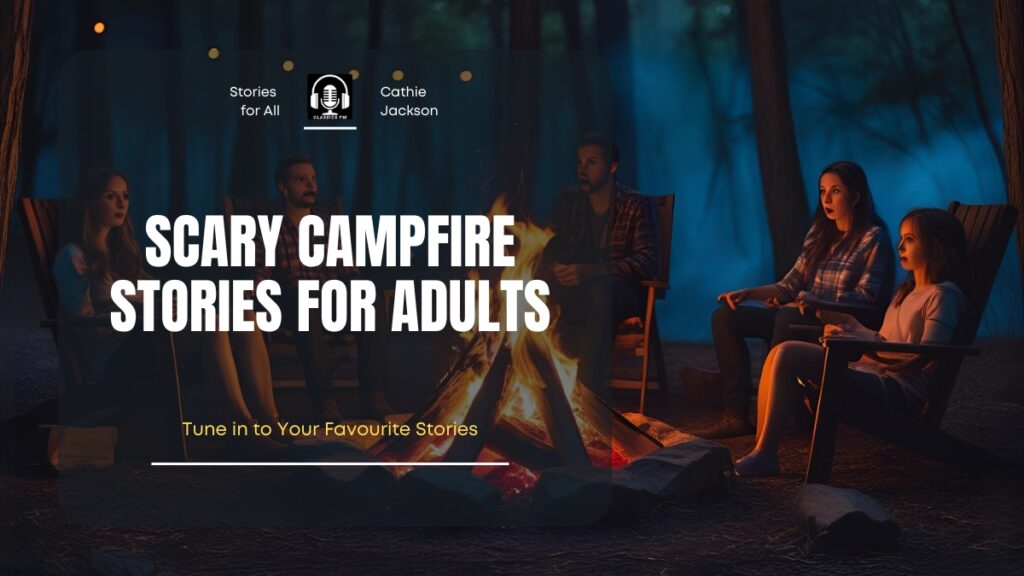
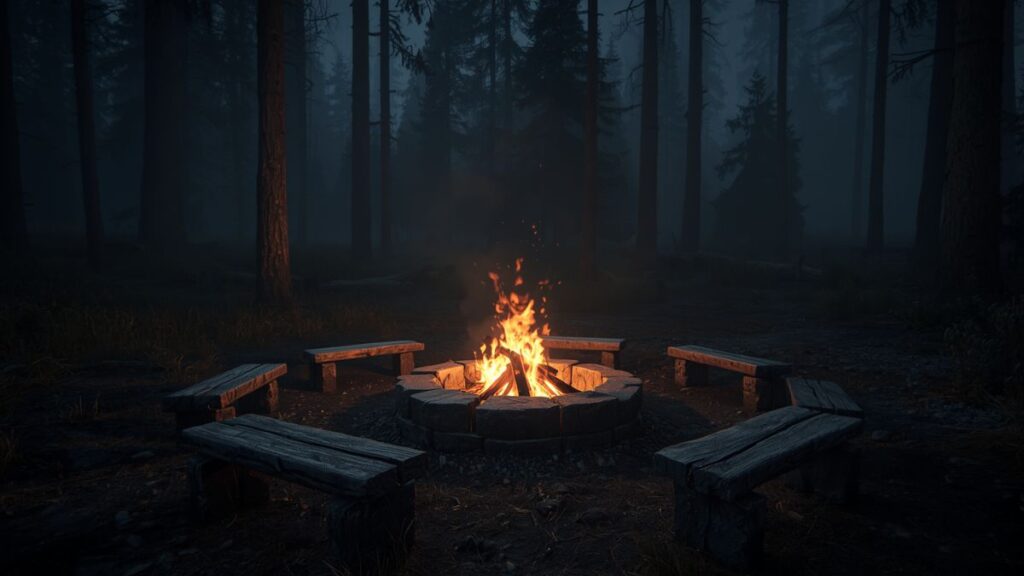
Few experiences match the feeling of sitting around a crackling campfire after dark. The flames flicker against nearby trees, shadows stretch into the woods, and every unexpected sound seems louder than it did during the day. In that setting, even the simplest story can become unforgettable.
Scary campfire stories for adults have been a camping tradition for generations. Unlike children’s campfire tales that focus on adventure and imagination, adult stories often explore suspense, mystery, psychological tension, and unexpected endings. They don’t always rely on monsters or gore. Sometimes the most memorable stories are the ones that leave listeners questioning what might be hiding just beyond the firelight.
Whether you’re planning a camping trip, hosting a backyard bonfire, or looking for inspiration for your next storytelling session, this guide explores what makes adult campfire stories so effective. You’ll also learn storytelling techniques, discover different styles of scary tales, and find ideas for creating stories that keep everyone thinking long after the fire burns out.
Why Adults Still Love Scary Campfire Stories
Many people associate campfire stories with childhood, but adults often enjoy them even more.
As we grow older, our taste in storytelling changes. Instead of simple ghost tales or quick jump scares, many adults appreciate stories that build suspense gradually, create mystery, and leave room for interpretation. A well-told scary campfire story can turn an ordinary evening around the fire into an unforgettable experience.
Unlike movies or television, campfire stories rely on imagination rather than special effects. Listeners picture the setting, characters, and mysterious events in their own minds, making the story feel more personal and immersive. Combined with the natural atmosphere of a campsite, every rustling leaf, distant owl call, or crackling fire can make the suspense feel surprisingly real.
Another reason adults enjoy campfire storytelling is the opportunity to connect with others. Sharing stories around a fire encourages conversation, laughter, and friendly competition as everyone tries to tell the most memorable tale of the night.
Some of the biggest reasons adults enjoy scary campfire stories include:
- Building stronger connections with friends and family
- Creating memorable camping traditions
- Taking a break from screens and daily distractions
- Experiencing suspense in a safe and entertaining setting
- Encouraging creativity through storytelling
- Sharing local legends and folklore
- Inspiring conversations that continue long after the story ends
Perhaps the greatest appeal is the mystery itself. The unknown often feels more unsettling than anything fully explained, which is why many of the best scary campfire stories leave listeners with unanswered questions. That lingering sense of curiosity is what keeps people coming back to these timeless stories generation after generation.
Scary Campfire Stories for Adults
The Campfire That Burned Without Wood
The sun had almost disappeared behind the towering pines when five friends reached Black Cedar…
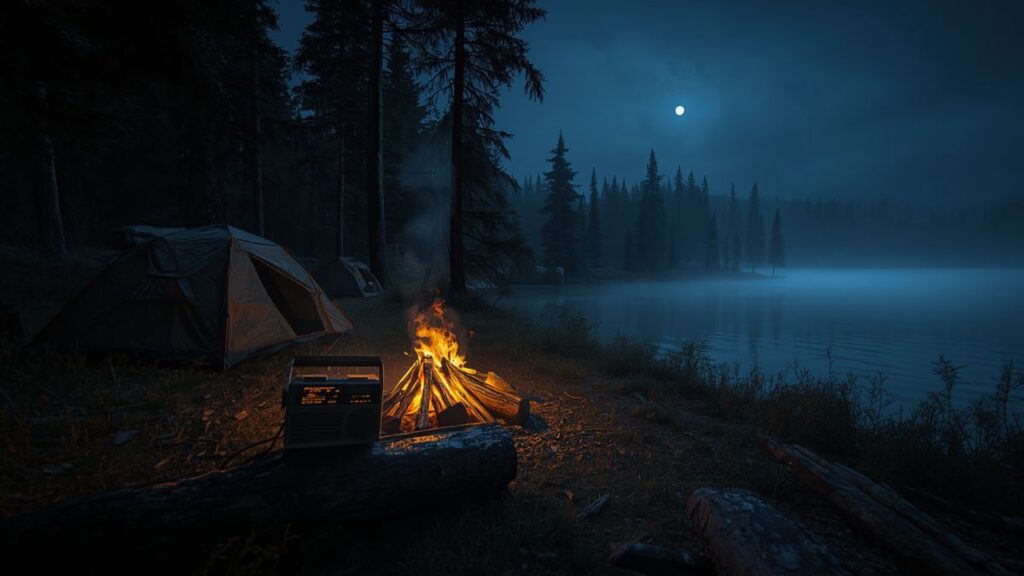
The Last Voice on Channel Nine
“Everybody bring your radios.” That was the first thing Noah said before the group left…
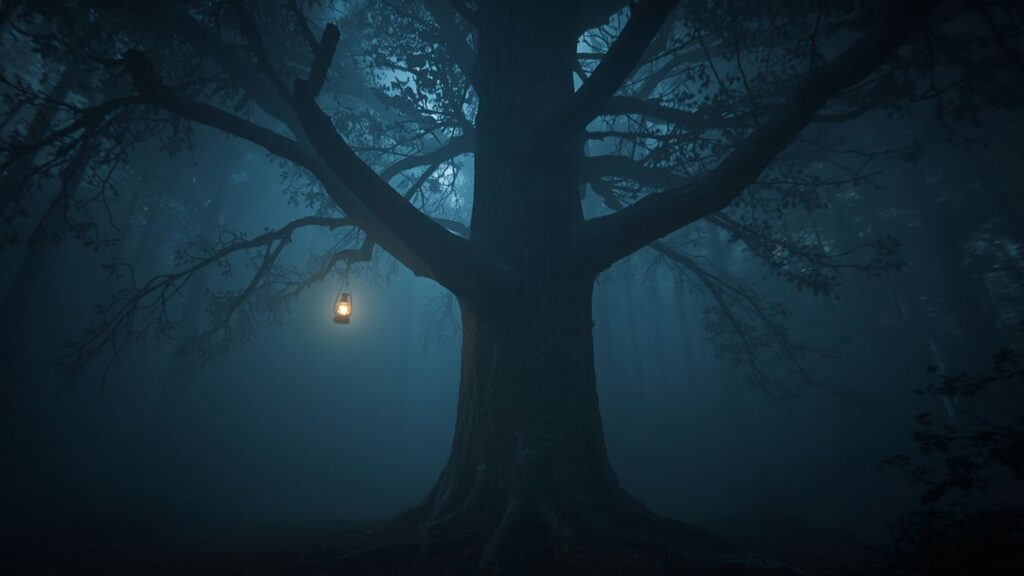
The Lantern Hanging From the Cedar Tree
By the time the rain stopped, the mountain trail had almost disappeared beneath a blanket…
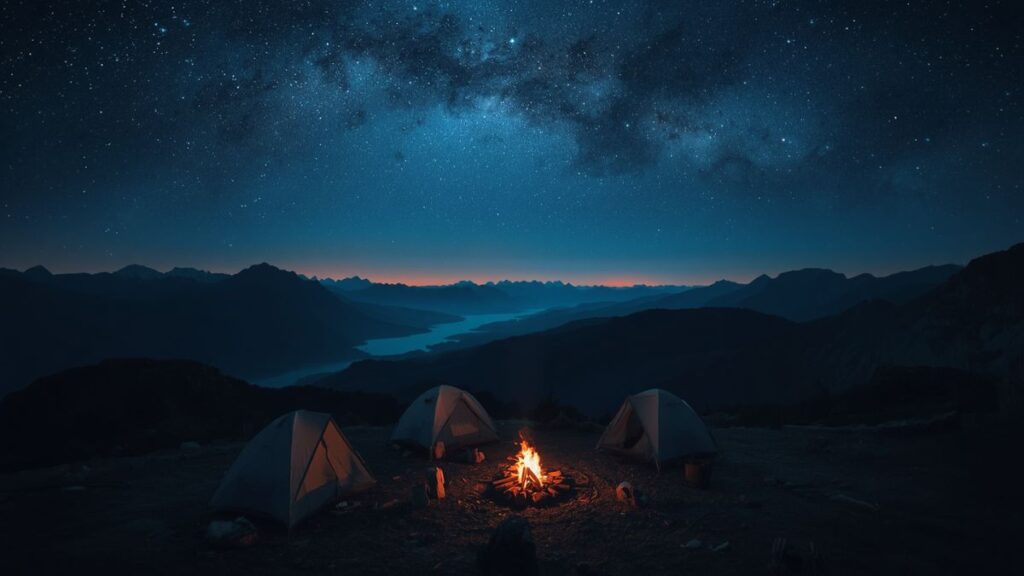
The Campsite With No Sunrise
The campground was known for one thing. Its sunrise. Every travel guide described Dawn Ridge…
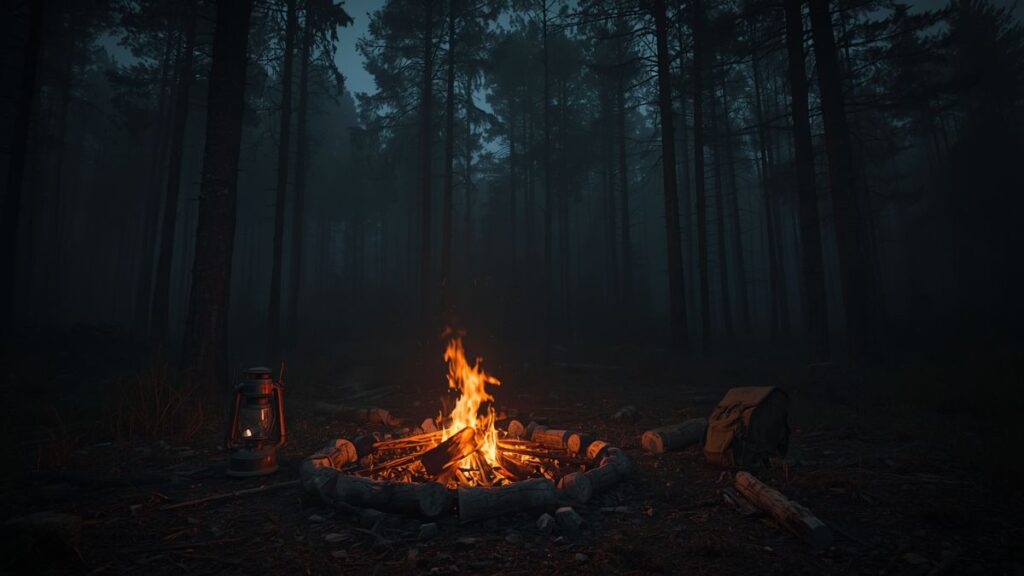
The Stranger Who Knew Tomorrow
The fire crackled softly as the last streaks of orange disappeared beyond the mountains. It…
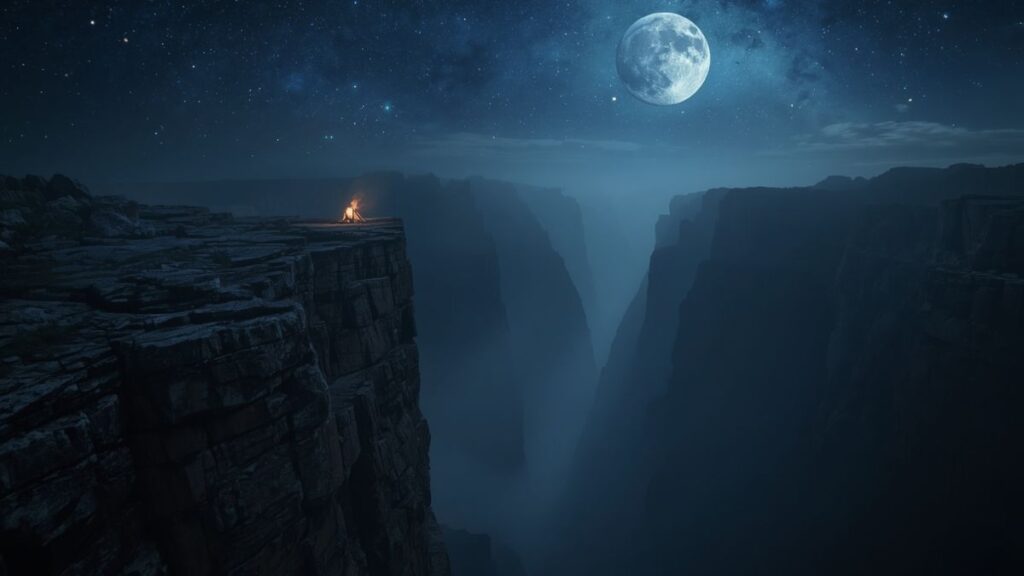
The Echo That Learned Their Names
The trail to Hollow Echo Canyon wasn’t marked on most maps. It wasn’t hidden, exactly….
What Makes a Great Scary Campfire Story?
The best scary campfire stories rarely begin with ghosts, monsters, or shocking moments. Instead, they start with ordinary situations that slowly become unsettling. This gradual buildup draws listeners into the story and allows the suspense to grow naturally.
Rather than relying on constant scares, great campfire stories create an atmosphere of mystery. As strange events begin to unfold, the audience becomes more invested, making every unexpected sound or unusual detail feel even more believable.
A memorable scary campfire story usually includes a few essential elements.
Relatable Characters
Listeners connect more deeply with characters who feel realistic. Everyday people make the story more believable because the audience can easily imagine themselves in the same situation.
Instead of fearless heroes or paranormal experts, consider using characters such as:
- Campers
- Hikers
- Travelers
- Park rangers
- Families on vacation
- Friends exploring the outdoors
- Backpackers
- Wildlife photographers
- Camp counselors
- Solo adventurers
The more relatable the characters are, the more suspenseful the story becomes.
A Familiar Setting
The setting is just as important as the characters. Familiar places that seem peaceful during the day can become mysterious after dark, especially when lit only by a campfire or flashlight.
Good locations include:
- Forest campgrounds
- Remote hiking trails
- Lakeside campsites
- Mountain cabins
- Abandoned fire lookout towers
- Quiet country roads
- National parks
- Dense pine forests
- Desert campsites
- Empty picnic areas
Because many people have visited places like these, listeners can easily picture themselves there, making the story feel more realistic.
Gradually Increasing Suspense
The most effective stories don’t reveal the mystery too early. Instead, they slowly build tension by introducing small clues that become more unsettling over time.
Examples include:
- Strange sounds in the distance
- Missing camping gear
- Unexplained footprints
- Flickering flashlights
- Mysterious whispers
- Sudden silence in the forest
- Unusual animal behavior
- Shadows moving between trees
Each clue should create more questions than answers, encouraging listeners to imagine what might happen next. Often, subtle mysteries are far more effective than dramatic scares.
A Memorable Ending
A strong ending is what transforms a good story into one people remember long after the campfire has gone out.
Many adult campfire stories leave part of the mystery unexplained, allowing listeners to decide for themselves what really happened. Others end with an unexpected twist that changes the audience’s understanding of the entire story.
Whether it’s a chilling final sentence or a clever twist, an ending that leaves room for imagination is often the most effective. That lingering uncertainty is what keeps people discussing the story long after the evening is over.
Scary Campfire Stories With a Twist
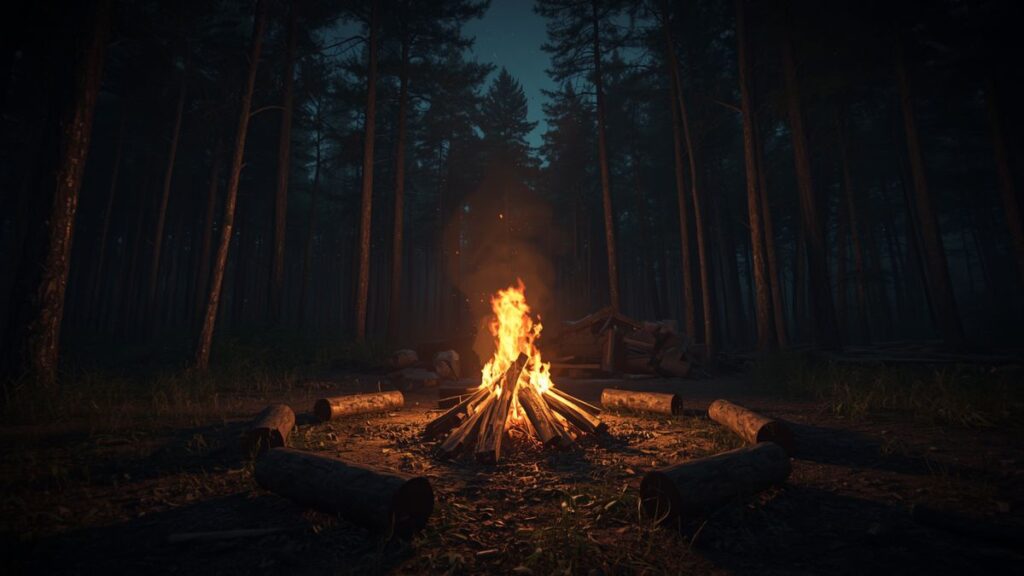
The Fire That Told the Truth
Every October, the members of the Ashwood Hiking Club disappeared into the mountains for one…
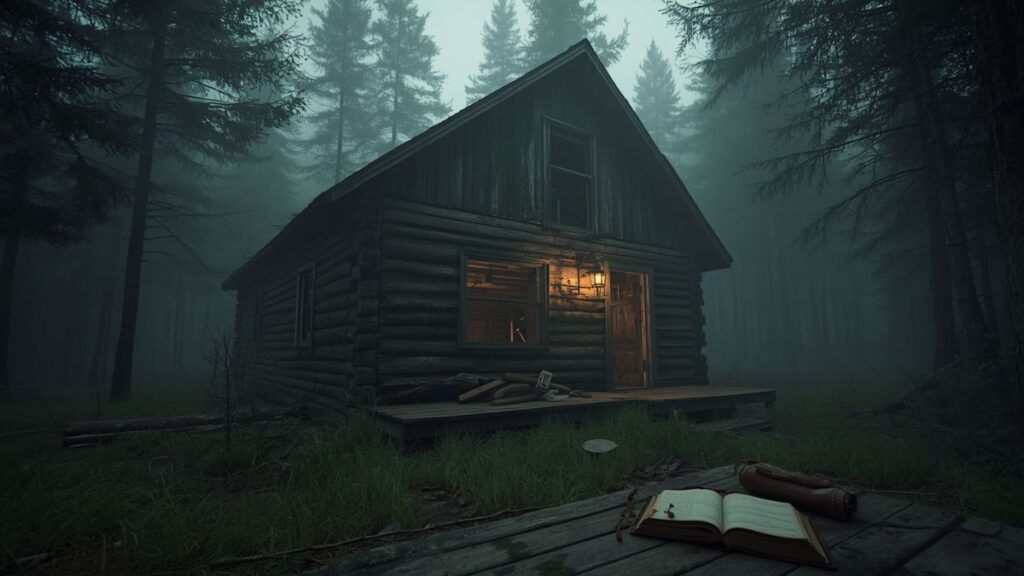
The Cabin That Remembered Every Visitor
The dirt road ended miles before the forest did. From there, the only way to…
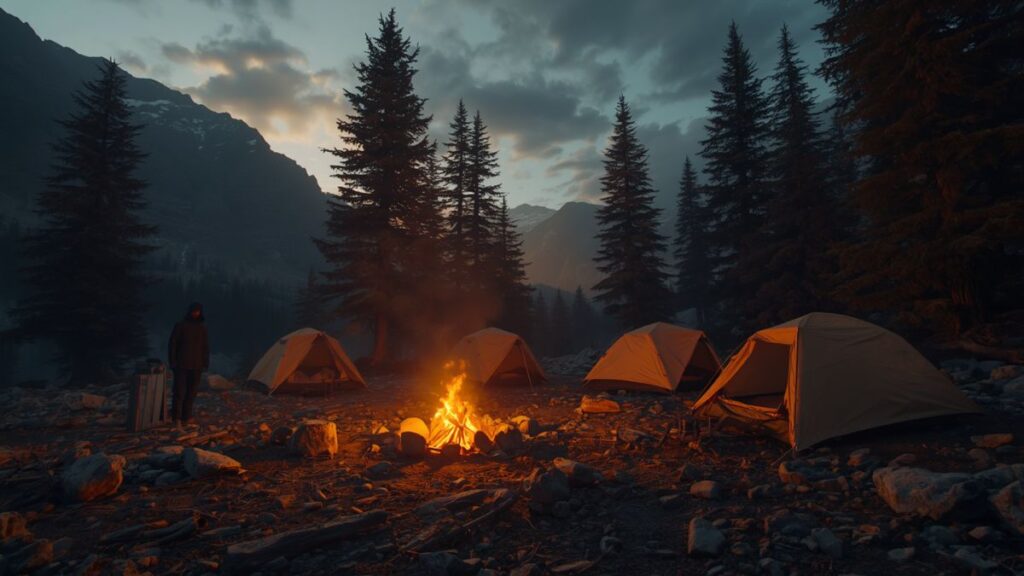
The Shadow That Arrived Before Them
“Hold still!” Claire raised her camera and waited for the last rays of sunlight to…
Short Scary Campfire Stories for Adults With a Twist
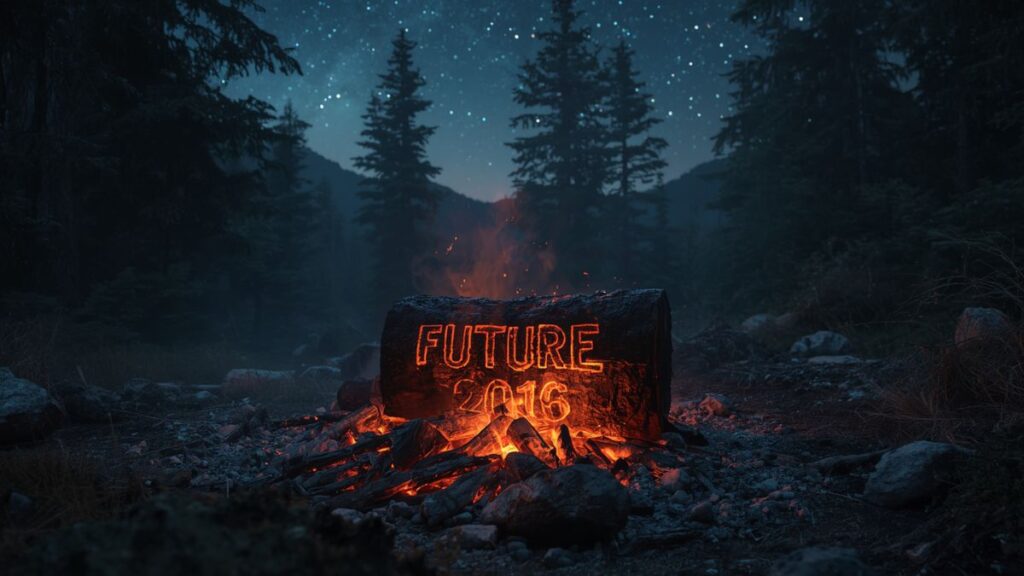
The Last Log
“There should only be twelve.” Marcus stacked the firewood into a neat pile beside the…
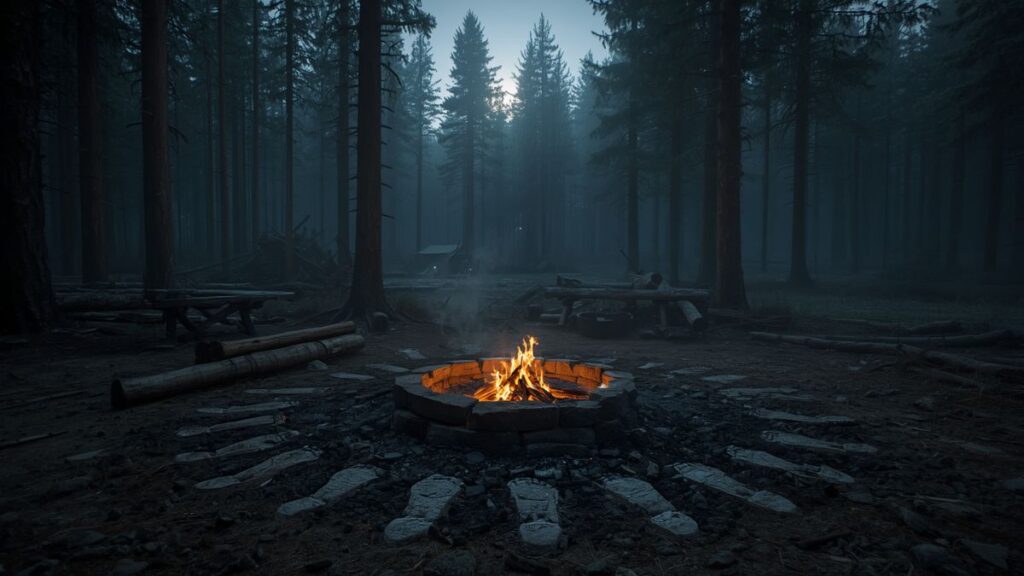
The Footsteps That Never Crossed the Fire
“You hear that?” Rachel stopped stacking firewood and looked into the darkness beyond the campsite….
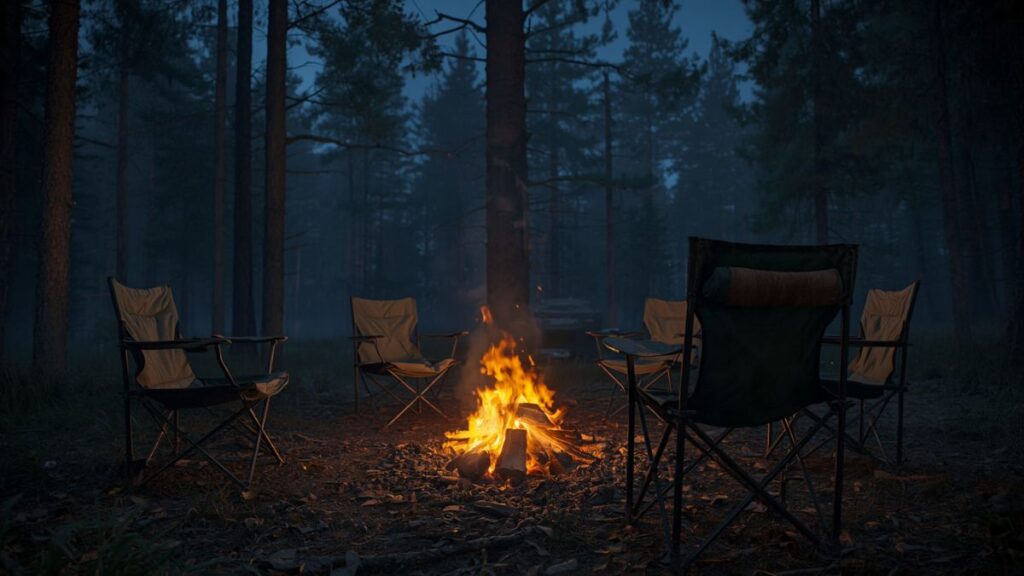
The Missing Chair
“Count the chairs.” Ethan looked up from the campfire and laughed. “Why?” Maya pointed around…
Creating the Perfect Campfire Atmosphere
The setting influences a scary campfire story almost as much as the words themselves. Even an average story can become unforgettable when it’s told in the right environment. The crackling fire, cool evening air, and natural sounds of the outdoors work together to create suspense in a way that no indoor setting can easily replicate.
Unlike watching a horror movie, campfire storytelling invites listeners to use their imagination. The less they can see beyond the circle of firelight, the more their minds begin filling in the unknown. This is one of the reasons campfire stories have remained popular for generations.
To create the best storytelling atmosphere, consider these simple techniques:
- Let the campfire provide most of the light instead of using bright lanterns or flashlights.
- Minimize phone use and other digital distractions so everyone stays focused on the story.
- Pause briefly before revealing important moments to build anticipation.
- Speak slowly and clearly, allowing suspense to develop naturally.
- Let the sounds of the forest become part of the experience rather than trying to block them out.
- Encourage listeners to picture the setting in their own minds instead of describing every tiny detail.
- Arrange everyone in a close circle around the fire so they can clearly hear the storyteller.
- Wait until it is fully dark before beginning the scariest stories for maximum effect.
Natural surroundings often make the experience even more immersive. A gentle breeze moving through the trees, leaves rustling in the distance, the hoot of an owl, or the snap of a twig can all blend seamlessly into the story, making it feel surprisingly real.
At the same time, avoid unnecessary interruptions. Constant conversation, bright lights, or people walking in and out of the storytelling circle can quickly break the tension you’ve worked to build.
Remember that suspense doesn’t come from shouting or trying to scare people with sudden surprises. It comes from creating an atmosphere where listeners become fully immersed in the story. When everyone is focused on the storyteller and the only light comes from the glowing campfire, even the smallest mystery can feel unforgettable.
Storytelling Techniques That Increase Suspense
Professional storytellers know that creating suspense doesn’t require complicated plots or constant jump scares. Instead, they use pacing, atmosphere, and carefully chosen details to keep listeners engaged from beginning to end. Around a campfire, these simple techniques can make even an ordinary story feel surprisingly realistic.
A great scary campfire story encourages listeners to use their imagination. The less you explain, the more their minds fill in the unknown, making the experience even more memorable.
Here are some proven techniques to increase suspense.
Speak Slowly
One of the simplest ways to build tension is by slowing down your pace.
Rushing through important moments gives listeners little time to picture the scene. Speaking slowly allows each detail to sink in while creating anticipation for what happens next. A calm, steady voice is often much more effective than speaking loudly or dramatically.
Use Silence
Silence is one of the most powerful storytelling tools.
A well-timed pause before revealing an important clue gives the audience a chance to anticipate what might happen next. During those quiet moments, the crackling fire and natural sounds around the campsite become part of the story, making the atmosphere even more immersive.
Describe the Senses
Instead of focusing only on what characters see, help your audience experience the setting through multiple senses.
Describe details such as:
- The smell of damp leaves
- The crackling fire
- The cool evening air
- Rustling branches
- Soft footsteps
- Flickering shadows
These sensory details make the story feel vivid and believable, allowing listeners to imagine themselves in the scene.
Build Suspense Gradually
Avoid revealing the mystery too quickly.
Introduce small clues that slowly increase the tension. A missing backpack, unusual footprints, strange noises, or a flickering flashlight can all raise questions before anything frightening is revealed. This gradual buildup keeps listeners engaged and wondering what will happen next.
Let the Audience Imagine the Fear
You don’t need to explain every mystery.
Leaving certain questions unanswered encourages listeners to create their own explanations, which are often more unsettling than anything described directly. Sometimes, what remains unseen is far scarier than what is revealed.
Finish With a Strong Final Line
The ending is what people usually remember most.
Whether it’s an unexpected twist, a chilling discovery, or one final unanswered question, your last few sentences should leave listeners thinking about the story long after the campfire has gone out. Many of the best scary campfire stories become memorable because they end with just enough mystery to spark conversation.
How to Write Your Own Scary Campfire Story
Creating an original scary campfire story is easier than many people expect. You don’t need an elaborate plot or a large cast of characters to keep people engaged. In fact, some of the most memorable campfire stories are built around a simple idea that slowly becomes more mysterious as the story unfolds.
A good story should make listeners feel like the events could actually happen. Focus on building suspense gradually, using believable characters and realistic settings before introducing something strange or unexplained.
A simple way to begin is by answering three questions: Who? Where? and What Changes? Once you have those answers, you can build your story one clue at a time until the final reveal.
Who?
Start by choosing believable characters.
The more ordinary your characters are, the easier it is for listeners to imagine themselves in the story. Everyday people often make suspense feel far more realistic than fearless heroes or paranormal investigators.
Some great character ideas include:
- Two friends camping alone
- A family exploring a national park
- Experienced hikers
- Wildlife photographers
- Camp counselors
- Backpackers on a weekend trip
- A group of college friends
- A solo traveler
- Amateur birdwatchers
- A retired couple enjoying a camping vacation
Give each character a simple personality, motivation, or goal. This helps the audience connect with them before the mystery begins.
Where?
Next, choose a setting that naturally creates mystery and isolation.
Remote locations work particularly well because they limit outside help and make unusual events feel more believable. The environment itself should become part of the story.
Some excellent settings include:
- Forest campsites
- Mountain trails
- Lakeside cabins
- Desert campgrounds
- Remote beaches
- Old fire lookout towers
- Abandoned picnic areas
- National parks
- Dense pine forests
- Forgotten logging roads
Bring the setting to life by describing the flickering campfire, towering trees, cool night air, rustling leaves, distant animal calls, or the silence that suddenly falls over the forest. These details help immerse listeners in the story.
What Changes?
Every memorable scary story begins with something ordinary before introducing one unusual event that changes everything.
The mystery doesn’t need to start with something dramatic. In fact, subtle changes often create stronger suspense because they leave listeners questioning what is really happening.
Consider ideas such as:
- Every clock stops at exactly the same time.
- Campfire smoke drifts against the wind.
- Footprints appear around the campsite overnight.
- A trail marker points in a different direction each morning.
- Voices echo through the forest even though no one is nearby.
- A flashlight repeatedly turns on by itself.
- A tent zipper opens during the night without explanation.
- Fresh footprints lead into the woods but never return.
- A map shows a trail that doesn’t exist.
- Every photograph taken after sunset contains the same mysterious figure in the background.
Introduce one clue at a time rather than revealing everything at once. Each new discovery should raise more questions and encourage listeners to imagine what might happen next.
Build Suspense Gradually
The best campfire stories don’t rush toward the frightening moment.
Begin with a normal camping trip or outdoor adventure before introducing small mysteries. As the story progresses, increase the tension by adding strange events, unexplained sounds, or unsettling discoveries. Every scene should move the mystery forward while keeping the audience guessing.
A slow, steady buildup often creates much more suspense than sudden scares.
End With a Memorable Twist
A strong ending is what people remember most.
You might reveal an unexpected truth, leave the mystery unresolved, or end with one final clue that changes the audience’s understanding of everything that came before.
Many of the best scary campfire stories with a twist are memorable because the ending is surprising yet believable. The final reveal should encourage listeners to replay the story in their minds and discuss different theories long after the campfire has burned out.
Remember, the goal isn’t simply to frighten your audience. It’s to create an engaging story filled with mystery, suspense, and imagination that keeps everyone wondering what was real and what wasn’t.
Mistakes to Avoid
Even the best story idea can lose its impact if it isn’t told effectively. Small storytelling mistakes can reduce suspense, confuse listeners, or make the ending less satisfying. The good news is that most of these issues are easy to avoid with a little planning.
The most effective scary campfire stories are simple, well-paced, and focused on building mystery rather than relying on constant shocks. Here are some common mistakes to watch out for.
Revealing the Ending Too Early
Giving away the mystery too soon removes much of the suspense. Instead, introduce clues gradually and let listeners piece together what might be happening. A slow reveal keeps the audience engaged and eager to hear what comes next.
Including Too Many Characters
A large cast of characters can be difficult to follow, especially in a spoken story. Stick to two to five main characters so listeners can easily remember who everyone is and stay focused on the mystery.
Overcomplicating the Plot
Your story doesn’t need multiple timelines or several mysteries happening at once. A straightforward plot with one central mystery is usually more engaging and easier for listeners to follow.
Using Excessive Graphic Violence
Scary stories don’t need graphic scenes to be effective. Suspense, atmosphere, and mystery often create a stronger impact than detailed descriptions of violence. Keeping the story imaginative also makes it enjoyable for a broader audience.
Relying Only on Jump Scares
Unexpected moments can be fun, but they shouldn’t be the only source of suspense. Build tension through strange events, eerie settings, and unanswered questions so the story remains engaging from start to finish.
Making Every Mystery Supernatural
Not every scary story needs ghosts or monsters. Realistic mysteries, unexplained sounds, abandoned places, or unusual events can be just as unsettling because they feel possible.
Explaining Every Detail
Avoid answering every question by the end of the story. Leaving a few mysteries unresolved encourages listeners to imagine their own explanations, making the story more memorable.
Forgetting the Atmosphere
The way you tell the story is just as important as the story itself. Speak at a steady pace, use pauses effectively, and let the sounds of the surrounding environment enhance the suspense.
By avoiding these common mistakes, you’ll create stories that feel more believable, maintain suspense throughout, and leave your audience thinking about the ending long after the campfire has gone out.
Safety and Respect Around the Campfire
Scary campfire stories are meant to entertain, build suspense, and bring people together, but they should always be shared responsibly. A great campfire experience is one where everyone enjoys the stories while feeling safe, comfortable, and included.
Whether you’re camping at a national park, a private campground, or enjoying a backyard fire pit, combining good storytelling with basic campfire safety helps create a memorable evening for everyone.
Keep these important tips in mind:
- Consider your audience before telling extremely frightening stories, and choose tales that match their comfort level.
- Respect campground quiet hours and avoid disturbing nearby campers.
- Keep the campfire safely contained within a designated fire ring or fire pit.
- Never leave the fire unattended, even for a short time.
- Keep water, sand, or a fire extinguisher nearby in case you need to put out the fire quickly.
- Stay a safe distance from the flames and avoid throwing unnecessary objects into the fire.
- Avoid stories that encourage dangerous behavior, trespassing, or exploring unsafe locations at night.
- If children or younger listeners are present, select age-appropriate stories that entertain without causing unnecessary fear.
- Before leaving the campsite or going to bed, make sure the fire is completely extinguished by soaking the embers with water and stirring the ashes until they are cool.
Remember that the purpose of scary storytelling is to create excitement and suspense, not genuine fear or risky situations. A respectful storyteller knows how to entertain the audience while maintaining a safe and enjoyable atmosphere.
By combining thoughtful storytelling with proper campfire safety and courtesy toward others, you can create unforgettable evenings that become lasting camping traditions for friends and family.
Building Your Own Campfire Story Tradition
One of the best things about campfire storytelling is that it can become a tradition people look forward to on every camping trip. Over time, these shared storytelling sessions often become some of the most memorable moments of a vacation, creating inside jokes, favorite stories, and unforgettable evenings around the fire.
You don’t need to be a professional storyteller to start a tradition. The goal is simply to encourage everyone to participate, use their imagination, and enjoy spending time together.
Here are some fun ways to make campfire storytelling a regular tradition:
- Let everyone contribute one original story during the evening, no matter how short it is.
- Choose a different storyteller each night so everyone has an opportunity to lead the group.
- Vote on the story with the most surprising twist or the most suspenseful ending.
- Use a random object, such as a flashlight, compass, old map, or camping mug, as the inspiration for the next story.
- Tell stories inspired by local history, nearby landmarks, or regional folklore to make the experience feel connected to your surroundings.
- Challenge each storyteller to include a specific word, location, or mysterious object somewhere in their tale.
- Create a continuing story where each person adds a new chapter, allowing the adventure to grow throughout the evening.
- End the night by discussing which story felt the most believable and why.
- Keep a camping journal where everyone writes down their favorite stories from each trip.
- Encourage children and adults alike to invent new characters or alternate endings for stories shared in previous years.
These traditions not only encourage creativity but also strengthen friendships and family bonds. They give everyone a chance to participate, whether they’re telling a story or simply listening around the fire.
As the years go by, you may find that certain stories become annual favorites, while new ones are added with each camping adventure. Some families even pass down original campfire tales from one generation to the next, turning simple stories into cherished traditions.
The beauty of campfire storytelling is that no two evenings are ever exactly the same. Every campsite, every audience, and every storyteller brings something unique to the experience. With a little imagination and a willingness to participate, your group can build a storytelling tradition that becomes just as memorable as the camping trips themselves.
Final Thoughts
Scary campfire stories continue to captivate adults because they combine suspense, imagination, and the natural atmosphere of the outdoors. The glow of the campfire, the surrounding darkness, and the sounds of the forest create the perfect setting for stories that keep listeners engaged from beginning to end. Whether you’re sharing a ghost tale, a psychological mystery, or scary campfire stories with a twist, the goal is to create an experience that lingers in the minds of your audience long after the story ends.
If you’re looking for short scary campfire stories for adults with a twist, remember that the most effective tales don’t need complicated plots or graphic horror. Believable characters, a familiar setting, gradual suspense, and a surprising ending are often all it takes to make a story unforgettable. With a little creativity and thoughtful storytelling, every campfire gathering can become an opportunity to create lasting memories and a tradition that friends and family look forward to on every camping trip.