Children love stories that spark their imagination, make them smile, and leave them with something meaningful to remember. Short moral stories for kids in English have been a favorite way to teach values for generations because they combine entertainment with important life lessons. Whether read before bedtime, shared in the classroom, or enjoyed during family time, these stories help children understand right from wrong through simple and engaging examples.
Unlike direct advice, stories allow children to learn naturally. As they follow the adventures of relatable characters, they begin to understand the importance of honesty, kindness, patience, courage, responsibility, and respect. The lessons stay with them because they are connected to memorable characters and situations.
This guide explores why moral stories are important, the values they teach, and how parents and teachers can use them to encourage positive character development.
What Are Short Moral Stories for Kids?
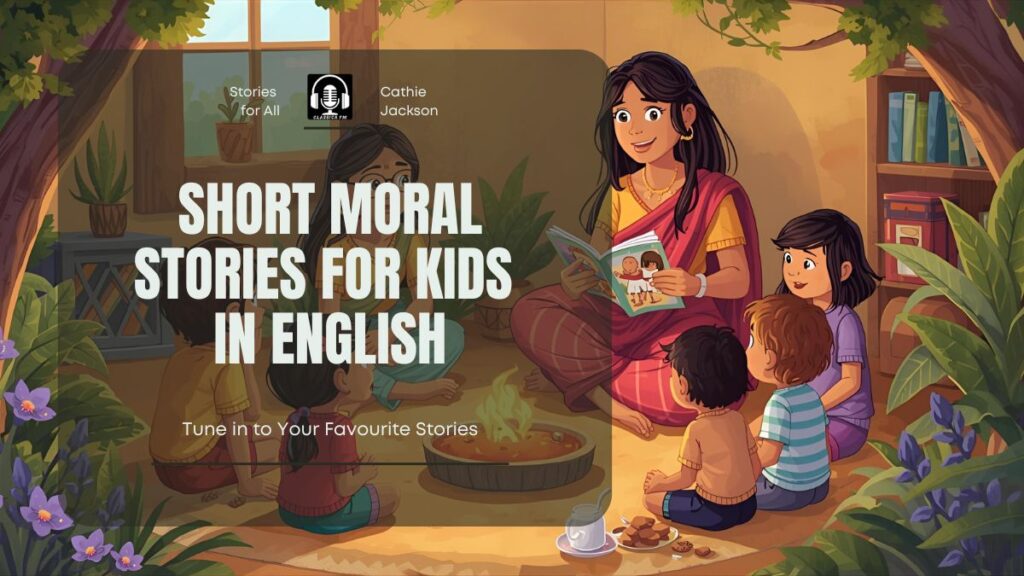
Short moral stories for kids are brief, easy-to-understand stories that end with an important life lesson or moral. They are written using simple language, engaging characters, and relatable situations that children can easily understand and enjoy. Because these stories are short, they are perfect for bedtime reading, classroom activities, or a quick learning session during the day.
The main purpose of these stories is not only to entertain but also to teach valuable life skills in a natural and memorable way. Instead of directly telling children what is right or wrong, moral stories allow them to discover important lessons by following the characters’ experiences, choices, and consequences. This approach helps children remember the message long after the story ends.
These stories may feature:
- Children learning valuable lessons
- Talking animals with human qualities
- Birds, insects, or forest creatures
- Magical adventures
- Family experiences
- Classroom situations
- Everyday acts of kindness
Each story usually focuses on one central value, such as honesty, kindness, courage, patience, responsibility, gratitude, or perseverance. As children read more stories, they gradually develop a better understanding of these values and learn how to apply them in their own lives.
Although each story is different, they all share one common purpose: helping children become kind, honest, confident, responsible, and compassionate individuals while making reading both enjoyable and meaningful.reading enjoyable.
Why Moral Stories Are Important for Children
Stories play a significant role in a child’s emotional and intellectual development. Long before children fully understand complex ideas, they learn through examples. Moral stories provide those examples in an entertaining way, making valuable life lessons easier to understand and remember.
They Build Good Character
Characters who demonstrate honesty, generosity, patience, and perseverance become positive role models. As children follow their journeys and see the positive results of good decisions, they naturally begin to adopt similar values in their own lives. These stories encourage habits such as kindness, responsibility, respect, and integrity from an early age.
They Make Learning Enjoyable
Rather than feeling like a lesson, stories make learning fun. Children often remember exciting adventures and emotional moments much longer than direct instructions. Engaging plots, relatable characters, and happy endings help keep young readers interested while teaching valuable lessons without making learning feel forced.
They Improve Language Skills
Reading stories introduces children to new vocabulary, sentence structures, and expressions. As they regularly read or listen to stories, they gradually improve their reading comprehension, speaking abilities, listening skills, and overall confidence in using the English language.
They Encourage Critical Thinking
Children often wonder why a character made a certain decision or how they would have acted differently. Asking these questions encourages them to analyze situations, think about consequences, and develop stronger reasoning and problem-solving skills that are useful in everyday life.
They Strengthen Emotional Intelligence
Stories expose children to emotions such as happiness, disappointment, fear, gratitude, and forgiveness. By understanding how different characters think and feel, children learn empathy, improve emotional awareness, and become better at understanding both their own emotions and the feelings of others.
Short Moral Stories for Kids in English
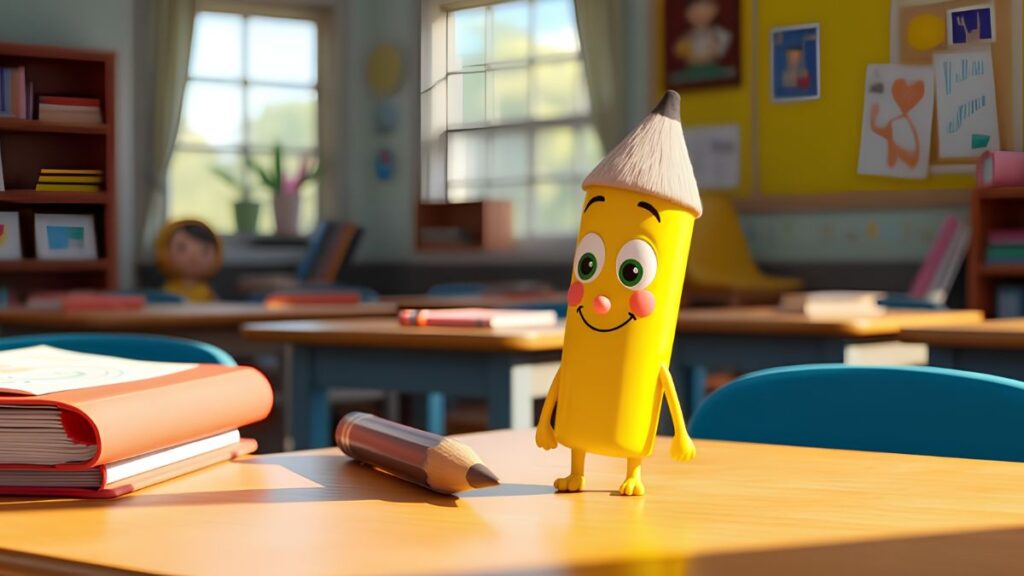
The Little Pencil That Refused to Give Up
On the corner of a bright wooden desk sat a brand-new yellow pencil. Its paint…

The Brave Umbrella on a Rainy Day
On the top shelf of a small neighborhood shop hung a bright red umbrella named…

The Sparrow Who Shared Her Last Seed
The first cool breeze of autumn swept across the Greenwood Forest, carrying golden leaves through…

The Little Clock That Never Rushed
Every classroom at Maple Grove Elementary School had something special. Some classrooms had colorful reading…

The Kite That Learned to Trust the Wind
Every spring, the town of Willow Creek celebrated the Festival of Colors. Families gathered in…
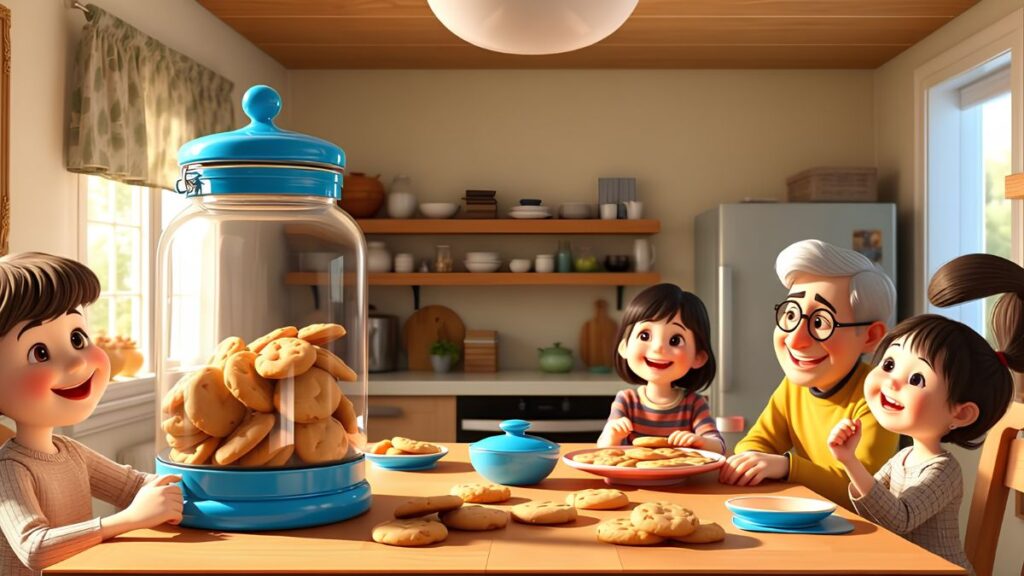
The Cookie Jar That Loved to Share
On the highest shelf of Grandma Rose’s cozy kitchen sat a large glass cookie jar…
Kids Stories With Moral Lesson

The Tiny Bridge Made of Sticks
Deep in the middle of Sunnybrook Forest flowed a clear little stream called Whisper Creek….

The Rabbit Who Learned to Listen
In the peaceful Green Valley Forest lived a young rabbit named Benny. Benny was known…

The Little Leaf That Wanted to Become a Flower
Deep inside the peaceful Whispering Woods stood a beautiful young tree named Willow. Willow was…
Types of Moral Stories Children Enjoy
Children enjoy different kinds of stories depending on their age, interests, and imagination. Some children love stories about talking animals, while others enjoy exciting adventures or classroom experiences. Offering a variety of moral stories keeps young readers engaged and helps them learn valuable lessons through different characters and situations.
Animal Stories
Talking animals make moral lessons entertaining and memorable while encouraging imagination. These stories often use animals with human qualities to teach values such as honesty, kindness, teamwork, patience, and perseverance in a fun and easy-to-understand way.
School Stories
Classroom adventures help children relate to friendships, teamwork, honesty, and responsibility. Because these stories reflect situations children experience every day, they make it easier to understand good behavior, respect for others, and the importance of learning.
Family Stories
Stories about parents, grandparents, siblings, and relatives strengthen family values while teaching love, gratitude, respect, and compassion. They also help children appreciate the importance of supporting one another through both happy and challenging moments.
Friendship Stories
These stories encourage empathy, cooperation, forgiveness, and understanding. By following characters who solve problems together, children learn how to build strong friendships, resolve conflicts peacefully, and treat others with kindness.
Adventure Stories
Exciting journeys teach courage, perseverance, problem-solving, and confidence. As characters overcome obstacles and face new challenges, children discover that determination and positive thinking can help them achieve their goals.
Fantasy Stories
Magical settings filled with imaginative characters capture children’s attention while still delivering meaningful life lessons. Whether the story features enchanted forests, magical creatures, or talking objects, the moral remains relevant and easy for young readers to apply in everyday life.
Benefits of Reading Moral Stories Every Day
Making moral stories part of a child’s daily routine offers many long-term benefits. Even reading one short story each day can help children develop positive habits, strengthen important values, and improve their learning skills. Over time, these small moments of reading contribute to a child’s overall emotional, intellectual, and social development.
Develops a Reading Habit
Short stories encourage children to enjoy reading from an early age, helping create a lifelong love for books. Because they are easy to finish in one sitting, children feel motivated to read regularly and gradually build confidence in their reading abilities.
Builds Strong Values
Daily exposure to positive messages reinforces honesty, kindness, compassion, responsibility, and respect. As children repeatedly encounter these values through different stories, they begin to understand how to apply them in their own everyday lives.
Encourages Family Bonding
Reading together creates opportunities for conversation, laughter, and meaningful discussions between parents and children. Storytime becomes a special routine that strengthens relationships while allowing families to talk about important life lessons in a relaxed and enjoyable way.
Improves Concentration
Listening to or reading stories helps children develop focus, attention, and memory. Following a storyline from beginning to end also improves their ability to stay engaged, understand sequences of events, and retain important information.
Boosts Creativity
Interesting characters, imaginative settings, and exciting adventures inspire children to think creatively and tell their own stories. Regular exposure to different ideas and situations encourages imagination, creative problem-solving, and a greater appreciation for storytelling.
How Parents Can Use Moral Stories
Parents can make story time more meaningful by turning it into a conversation instead of simply reading aloud. Discussing the story encourages children to think more deeply about the characters, their decisions, and the lessons they learned. These conversations also help improve communication skills and strengthen the bond between parents and children.
After finishing a story, ask questions like:
- What happened in the story?
- Who was your favorite character?
- What mistake did the character make?
- What did the character learn?
- What is the moral of the story?
- How would you handle the same situation?
- Have you ever experienced something similar?
There are no right or wrong answers to many of these questions. The goal is to encourage children to express their thoughts, understand different perspectives, and relate the story’s message to real-life situations. Over time, these simple discussions help children develop stronger values, better decision-making skills, and a deeper understanding of the lessons each story teaches.
How Teachers Can Use Moral Stories in the Classroom
Teachers often use moral stories to make learning both enjoyable and meaningful. A well-chosen story can capture students’ attention, encourage participation, and introduce important life lessons in a way that feels natural rather than instructional. Moral stories also create opportunities for meaningful discussions that help children connect classroom learning with everyday experiences.
Stories can be used to:
- Start classroom discussions
- Teach important values
- Improve reading comprehension
- Develop speaking skills
- Encourage creative writing
- Build empathy among students
- Introduce social and emotional learning
- Create role-playing activities
After reading a story, teachers can ask students to discuss the moral, share their opinions, write an alternative ending, or act out scenes with classmates. These activities improve communication, teamwork, critical thinking, and creativity while helping students better understand the lesson behind the story.
A five-minute story can sometimes leave a stronger impression than an entire lecture because children are more likely to remember the characters, emotions, and experiences that brought the moral lesson to life.
Choosing Age-Appropriate Moral Stories
Different age groups benefit from different types of stories. As children grow, their reading ability, attention span, and understanding of life lessons also develop. Choosing stories that match their age ensures they stay engaged while gaining the maximum educational and emotional benefits from each story.
Ages 3 to 5
Young children enjoy stories that are simple, colorful, and easy to follow. At this stage, they learn best through repetition and clear examples.
- Very short stories
- Repetition
- Bright illustrations
- Simple vocabulary
- One clear moral
Ages 6 to 8
Children in this age group are ready for slightly longer stories with relatable characters and engaging adventures. They enjoy stories that encourage curiosity while teaching positive values.
- Animal characters
- School adventures
- Friendship stories
- Easy-to-follow plots
Ages 9 to 12
Older children can understand more detailed plots and deeper moral lessons. Stories for this age group often include realistic challenges that encourage critical thinking and personal growth.
- More detailed characters
- Problem-solving adventures
- Teamwork
- Courage and responsibility
- Real-life situations
Selecting stories that match a child’s age helps maintain interest while ensuring the lessons are easy to understand. Age-appropriate stories also improve reading confidence, encourage meaningful discussions, and make it easier for children to apply the moral lessons to their own everyday experiences.
Why Original Moral Stories Matter
Original moral stories introduce children to fresh characters, creative adventures, and modern situations while continuing to teach timeless values. They provide a unique reading experience that keeps children engaged and encourages them to discover new lessons through original storytelling.
They Spark Curiosity and Imagination
Unlike familiar tales, original stories offer unexpected characters, exciting adventures, and surprising endings. This encourages children to stay curious, use their imagination, and look forward to discovering what happens next.
They Feel More Relatable
Original stories often reflect today’s classrooms, families, friendships, and communities. Because children recognize situations similar to their own lives, they can connect more easily with the characters and understand the moral lessons on a deeper level.
They Teach Timeless Values in New Ways
Although the characters and settings may be different, the lessons remain universal. Original stories continue to teach values such as honesty, kindness, courage, responsibility, perseverance, gratitude, and compassion through fresh and engaging experiences.
They Encourage Creativity
Reading original stories inspires children to imagine new worlds, create their own characters, and tell stories of their own. This helps develop creativity, confidence, and a lifelong appreciation for reading and storytelling.
Conclusion
Short moral stories for kids in English continue to be one of the most effective ways to teach important life lessons while encouraging a lifelong love of reading. Through simple language, engaging characters, and meaningful endings, these stories help children understand timeless values such as honesty, kindness, courage, perseverance, responsibility, respect, gratitude, and compassion in a way that is both enjoyable and easy to remember.
Whether you are a parent reading at bedtime, a teacher leading a classroom discussion, or a caregiver encouraging positive behavior, kids stories with moral lesson provide valuable opportunities to teach essential values while developing a child’s imagination, language skills, and critical thinking abilities. Even a short story can spark meaningful conversations that leave a lasting impression.
Most importantly, moral stories help children understand that every choice has consequences and that small acts of kindness, honesty, and determination can make a big difference. One meaningful story today can become a lifelong lesson, inspiring children to make thoughtful decisions, build strong character, and grow into kind, confident, and responsible individuals.