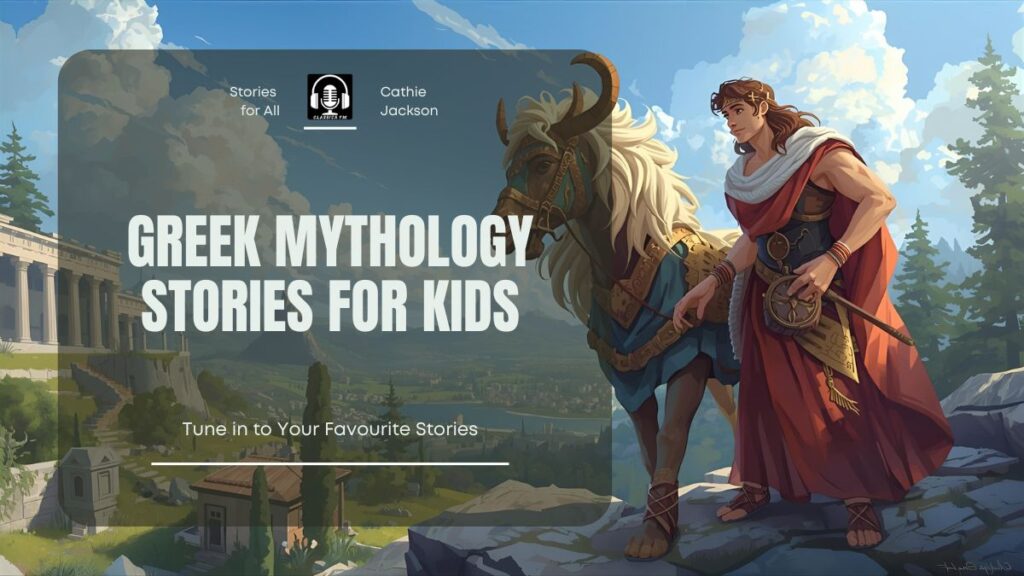
Greek Mythology Stories for Kids have fascinated children and adults for thousands of years. Filled with brave heroes, clever gods, magical creatures, and exciting adventures, these timeless tales continue to inspire books, movies, and classroom learning around the world.
Unlike ordinary fairy tales, Greek mythology stories were originally told to explain natural events, teach important values, and help people understand courage, kindness, wisdom, and responsibility. While many myths feature powerful gods, legendary heroes, and mythical creatures, they also share meaningful life lessons that children can easily understand and enjoy.
In this guide, you’ll discover some of the best Greek Mythology Stories for Kids with valuable moral lessons. You’ll also learn why these ancient tales remain popular across generations and how parents and teachers can introduce them to young readers in a fun, engaging, and age-appropriate way.
What Is Greek Mythology?
Greek mythology is a collection of ancient stories created by the people of Greece thousands of years ago. These stories explain how the world was believed to have been created, introduce powerful gods and goddesses, and tell exciting adventures of heroes who faced incredible challenges.
The myths feature famous characters such as Zeus, Athena, Hercules, Perseus, and many others. Along the way, children discover magical creatures like the Minotaur, Medusa, Pegasus, and the Cyclops.
Although these stories are fictional legends, they continue to teach valuable lessons about courage, honesty, wisdom, friendship, and perseverance.
Why Greek Mythology Stories Are Great for Kids
Children naturally enjoy stories filled with adventure, mystery, and imagination. Greek mythology offers all of these while introducing lessons that remain meaningful today. Although these tales were created thousands of years ago, they continue to entertain young readers while encouraging curiosity, creativity, and critical thinking.
Encourages Creativity and Imagination
Greek myths are filled with flying horses, powerful gods, mysterious creatures, enchanted weapons, and exciting adventures. These imaginative elements inspire children to think creatively and expand their own storytelling abilities.
Introduces Ancient History and Culture
Mythology provides a fun introduction to ancient Greece. Children learn about the beliefs, traditions, architecture, and daily life of one of history’s most influential civilizations without feeling like they’re reading a history textbook.
Teaches Courage and Perseverance
Many Greek heroes face enormous obstacles, dangerous monsters, and difficult choices. Their determination teaches children that challenges can be overcome through bravery, patience, and persistence.
Explores Kindness, Responsibility, and Wisdom
Behind every adventure is an important lesson. Many myths encourage children to be kind, make thoughtful decisions, accept responsibility for their actions, and learn from their mistakes.
Improves Reading and Critical Thinking Skills
Greek mythology often includes mysteries, clever solutions, and moral dilemmas. These stories encourage children to think about why characters make certain decisions and what they can learn from the outcomes.
Builds Problem-Solving Skills
Heroes rarely succeed through strength alone. Characters like Odysseus, Perseus, and Theseus often rely on clever thinking, careful planning, and wise advice, showing children that intelligence can be just as valuable as bravery.
Expands Vocabulary
Reading mythology introduces children to new words, fascinating character names, and historical places. This naturally helps improve vocabulary while making reading more engaging.
Sparks Curiosity About the World
Many myths explain natural events, constellations, seasons, and famous landmarks. These stories encourage children to ask questions and explore subjects like history, geography, astronomy, and literature.
Introduces Memorable Heroes and Villains
Children enjoy following courageous heroes who battle dragons, giants, and mythical creatures. These unforgettable characters make the stories exciting while reinforcing positive character traits such as honesty, determination, and compassion.
Encourages Meaningful Family Discussions
Greek mythology creates excellent opportunities for parents and teachers to discuss important topics like friendship, fairness, teamwork, humility, and making wise choices. Asking children what they would have done in a hero’s situation helps develop reasoning and communication skills.
Inspires a Lifelong Love of Reading
Because Greek myths combine action, mystery, fantasy, and adventure, they often capture children’s attention from the very first page. A child who enjoys mythology is often encouraged to explore more books and classic literature.
Many schools also introduce Greek mythology because it has influenced literature, art, science, architecture, theater, and even the names of planets, moons, and constellations. Learning these timeless stories helps children better understand countless books, movies, and cultural references they will encounter as they grow.
Greek Mythology Stories for Kids
Greek myths feature unforgettable adventures that have been passed down for generations. Some focus on brave heroes defeating monsters, while others teach important lessons about making wise choices, helping others, and never giving up.
Here are seven wonderful Greek mythology stories that children will enjoy.
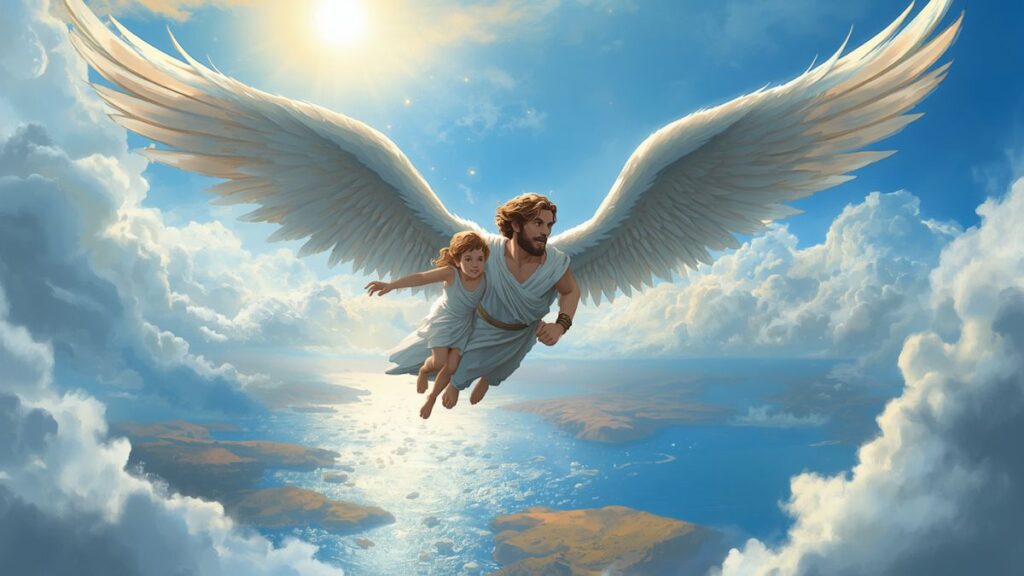
Daedalus and Icarus
Long ago in ancient Greece, stories were told of a remarkable treasure known as the…
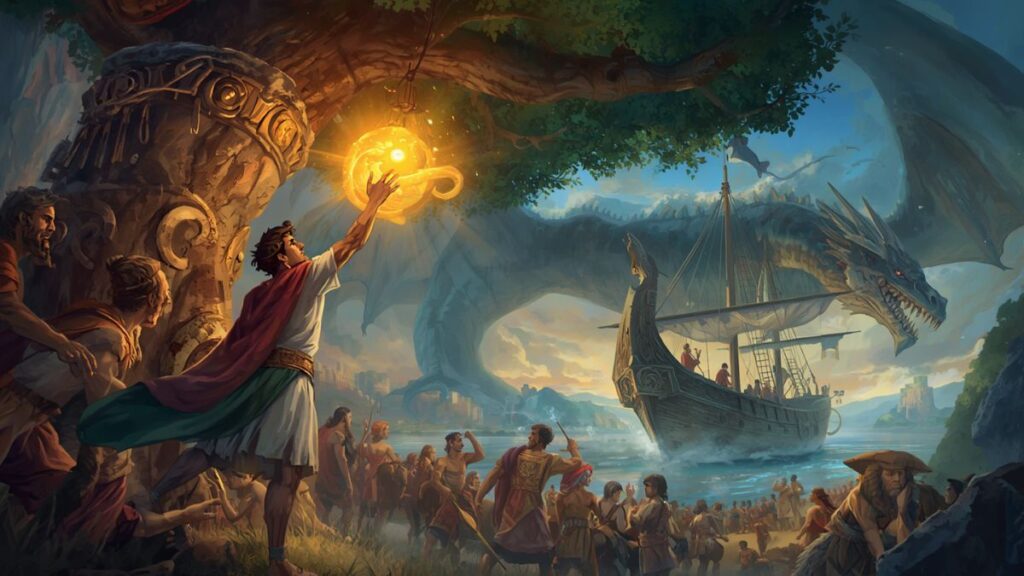
Jason and the Golden Fleece
Long ago in ancient Greece, stories were told of a remarkable treasure known as the…
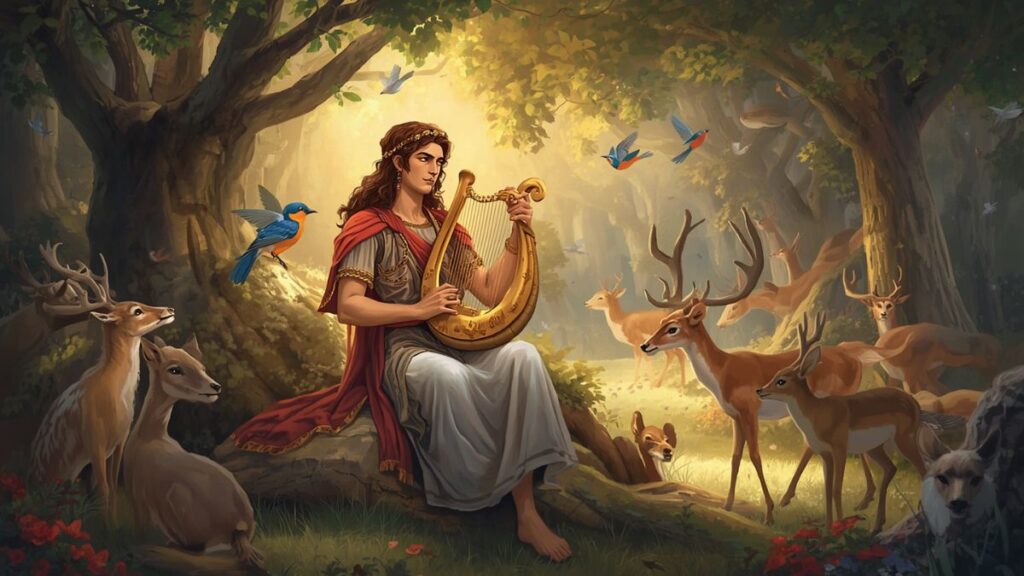
Orpheus and the Song of Hope
Long ago in ancient Greece, there lived a gifted musician named Orpheus. People believed that…
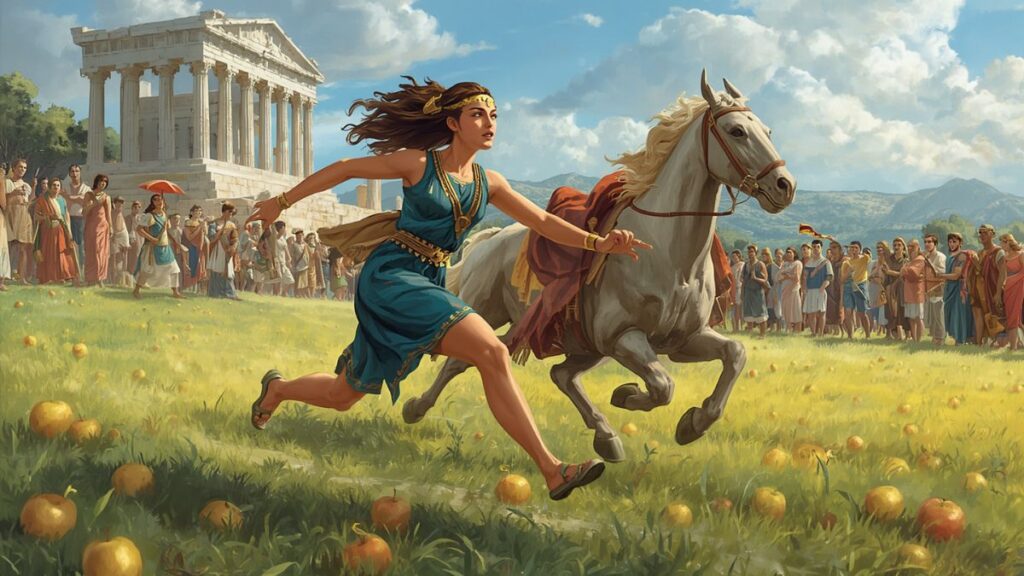
The Race of Atalanta
In the hills and forests of ancient Greece lived a young woman whose speed amazed…
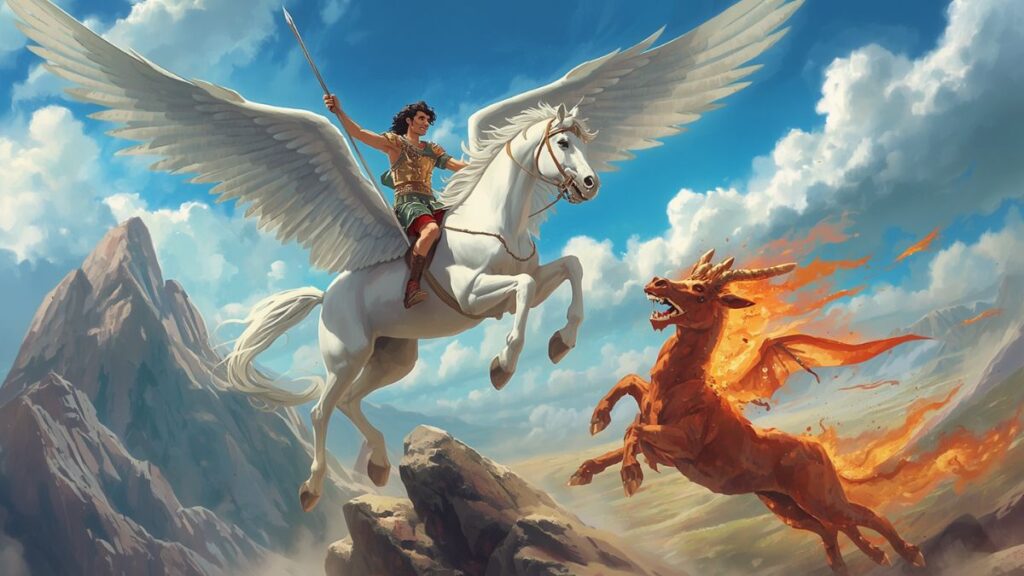
Bellerophon and Pegasus
Long ago, when heroes traveled across ancient Greece and the gods were believed to guide…
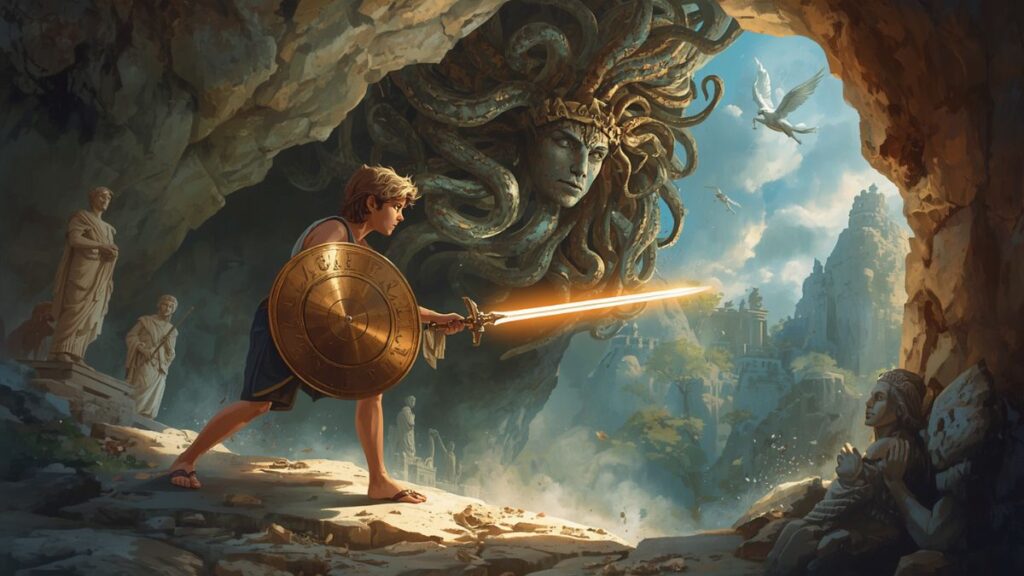
Perseus and the Gorgon’s Secret
Long ago in ancient Greece, when gods were believed to watch over mountains, seas, and…
Greek Mythology Stories with Moral Lessons
One reason these myths remain popular is that they entertain while teaching valuable life lessons.

The Shepherd Who Shared with the Stars
In the northern hills of ancient Greece, where emerald meadows stretched beneath towering mountains and…
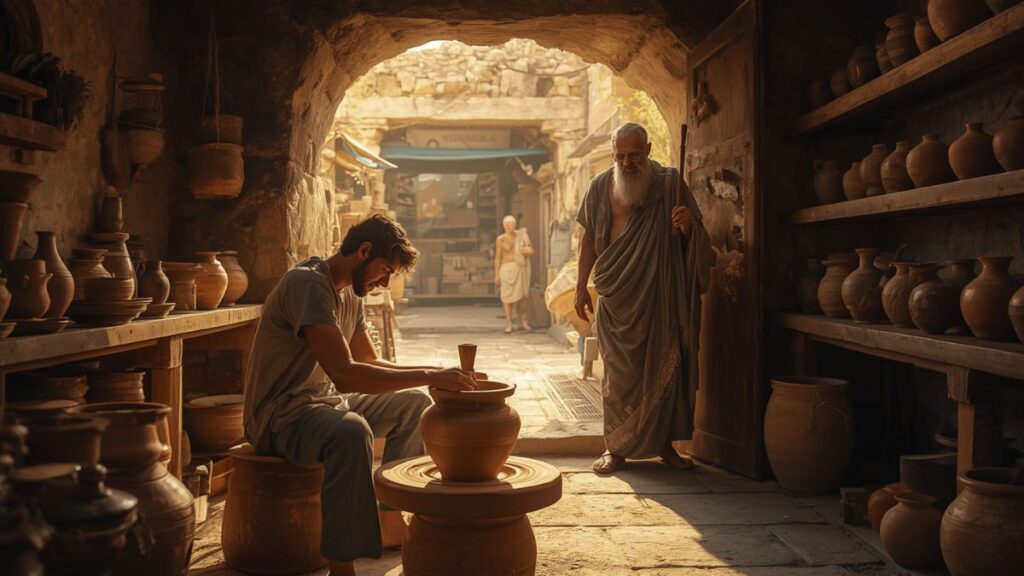
Hermes and the Honest Potter
In the bustling city of Corinth, where merchants from every corner of Greece gathered to…

The Olive Tree That Wouldn’t Bow
Long ago, in the sunlit lands of ancient Greece, there was a fertile valley nestled…
Famous Greek Gods Kids Should Know
Understanding a few major gods helps children enjoy Greek mythology even more.
Zeus
The king of the gods who ruled the sky and thunder.
Athena
The goddess of wisdom, learning, and courage.
Poseidon
The powerful god of the sea.
Hermes
The fast messenger of the gods known for cleverness and speed.
Apollo
The god associated with music, light, poetry, and healing.
Artemis
The goddess of nature, wildlife, and the moon.
These characters appear throughout many famous myths and adventures.
Magical Creatures in Greek Mythology
One of the reasons children enjoy Greek mythology is the incredible variety of magical creatures that appear throughout the stories. From flying horses and mighty giants to mysterious monsters and legendary beasts, these characters add excitement and wonder to every adventure.
While many of these creatures are powerful or frightening, they also help teach valuable lessons about bravery, wisdom, teamwork, and perseverance. Heroes often succeed not because they are the strongest, but because they think carefully and make wise decisions.
Pegasus
Pegasus is the famous winged horse born from Greek mythology. Known for his beauty, speed, and ability to fly, Pegasus often helped heroes during important quests. He represents freedom, hope, courage, and the power to rise above challenges.
Medusa
Medusa was one of the most well-known creatures in Greek mythology. She had snakes instead of hair, and anyone who looked directly into her eyes turned to stone. The hero Perseus defeated Medusa by using a polished shield as a mirror, showing that intelligence can be more effective than brute strength.
The Minotaur
The Minotaur was a fearsome creature with the body of a man and the head of a bull. It lived deep inside a massive labyrinth on the island of Crete. The hero Theseus entered the maze and defeated the Minotaur with the help of a ball of thread, teaching children the importance of courage, preparation, and careful planning.
The Cyclops
The Cyclops was a giant with a single eye in the center of its forehead. One of the most famous Cyclopes appeared in the adventures of Odysseus. Rather than relying on strength alone, Odysseus escaped using clever thinking, reminding readers that wisdom can overcome even the strongest opponent.
Cerberus
Cerberus was the enormous three-headed dog that guarded the entrance to the Underworld. His job was to prevent anyone from leaving once they had entered. Although he looked terrifying, Cerberus represented duty and loyalty by faithfully protecting his assigned post.
The Hydra
The Hydra was a giant water serpent with many heads. Whenever one head was cut off, two more would grow in its place. Hercules defeated the Hydra during one of his famous Twelve Labors by working carefully and refusing to give up. The story teaches perseverance and creative problem-solving.
The Chimera
The Chimera was a legendary fire-breathing monster with the body of a lion, a goat’s head rising from its back, and a serpent for a tail. It frightened entire kingdoms until the hero Bellerophon defeated it while riding Pegasus. This story highlights bravery, determination, and using one’s abilities wisely.
The Sirens
The Sirens were mysterious creatures whose beautiful singing lured sailors toward dangerous rocks. In the story of Odysseus, the crew avoided the trap by following a careful plan. The tale teaches children the importance of self-control, listening to wise advice, and resisting temptation.
The Griffin
The Griffin had the body of a lion and the head and wings of an eagle. In many ancient stories, Griffins guarded valuable treasures and symbolized strength, courage, and protection. They have remained popular in fantasy stories for centuries.
The Phoenix
The Phoenix was a magnificent bird said to burst into flames at the end of its life and rise again from its ashes. It became a symbol of hope, renewal, resilience, and new beginnings, teaching children that difficult times can lead to fresh opportunities.
Why These Creatures Matter
The magical creatures of Greek mythology do far more than make stories exciting. Each one presents heroes with unique challenges that require courage, wisdom, patience, teamwork, and determination to overcome.
These unforgettable creatures continue to capture children’s imaginations while helping them understand that true heroes succeed through good character, clever thinking, and perseverance rather than strength alone.
Why These Stories Still Matter Today
Although Greek myths were written thousands of years ago, the values they teach remain surprisingly relevant. While children today don’t battle mythical monsters or meet ancient gods, they do face everyday challenges that require courage, honesty, kindness, and good judgment.
The adventures of Greek heroes provide memorable examples of how people can overcome obstacles, learn from mistakes, and make wise choices. Because these lessons are woven into exciting stories, children often remember them far better than simple rules or lectures.
Teaching Good Decision-Making
Many Greek myths show characters making important choices, some wise and some unwise. Children learn that every decision has consequences and that thinking carefully before acting is always important.
Encouraging Honesty and Integrity
Several myths highlight the importance of telling the truth, keeping promises, and acting with honor. These stories remind children that honesty builds trust and strong relationships.
Promoting Kindness and Compassion
While many myths focus on adventure, they also include acts of generosity, friendship, and helping others. Children see that kindness is one of the greatest strengths a person can have.
Inspiring Courage During Difficult Times
Heroes often face frightening situations, dangerous creatures, and seemingly impossible tasks. Their determination teaches children that courage doesn’t mean never feeling afraid. It means doing the right thing despite fear.
Showing the Value of Hard Work
Many legendary heroes succeed only after practicing, preparing, and refusing to give up. Their journeys remind children that success usually comes through patience, effort, and perseverance.
Learning from Mistakes
Not every character makes the right choice. Stories like King Midas and Icarus demonstrate that poor decisions can have consequences, but they also encourage readers to learn from mistakes and grow wiser.
Developing Wisdom and Critical Thinking
Many Greek heroes rely on intelligence rather than strength. Children discover that solving problems, thinking creatively, and asking for good advice are valuable skills in everyday life.
Building Confidence
Reading about ordinary people accomplishing extraordinary things encourages children to believe in themselves. The heroes often begin their journeys uncertain or inexperienced, proving that confidence grows through perseverance.
Encouraging Curiosity and Learning
Greek mythology introduces children to history, geography, literature, astronomy, and ancient culture. Many readers become interested in learning more about the world after discovering these fascinating stories.
Making Important Lessons Easy to Remember
Children often remember exciting adventures long after they have finished reading. By connecting important values with memorable heroes and magical creatures, Greek mythology helps lessons stay with young readers for years.
Timeless Lessons for Every Generation
Even in today’s modern world, children continue to encounter situations that require honesty, courage, responsibility, patience, and kindness. Greek mythology presents these timeless values through unforgettable adventures that entertain while educating.
Whether a child is learning to overcome fear, work hard toward a goal, help a friend, or make better choices, these ancient stories continue to offer guidance in a way that is engaging, meaningful, and easy to remember.
How Parents Can Make Greek Mythology More Fun
Reading Greek mythology together can become an exciting family activity. With a little creativity, parents and teachers can turn these ancient tales into memorable learning experiences that children look forward to.
Here are some simple ways to make mythology more enjoyable:
Read One Story at a Time
Most Greek myths are short enough to enjoy during bedtime or family reading time. Reading one story at a time gives children plenty of opportunity to understand the characters, discuss the events, and remember the lessons without feeling overwhelmed.
Use Different Character Voices
Bring the stories to life by using different voices for heroes, gods, monsters, and magical creatures. A booming voice for Zeus, a gentle voice for Athena, or a growling voice for the Minotaur can make the adventure much more entertaining.
Ask Questions
Encourage children to think about the story instead of simply listening.
Some fun questions include:
- What would you have done in that situation?
- Which hero would you like to meet?
- Which magical creature was your favorite?
- What lesson did the character learn?
- Would you have made the same choice?
These conversations help children develop critical thinking and improve reading comprehension.
Draw Favorite Characters
Children love expressing their creativity through art. Invite them to draw Pegasus soaring through the sky, Hercules completing one of his labors, Medusa with her snake-covered hair, or Athena wearing her shining armor.
Act Out Adventures
Pretending to be heroes makes the stories even more memorable. Children can recreate famous scenes using simple costumes, homemade shields, cardboard swords, or paper wings while using their imagination to tell the story.
Compare Heroes
Ask children which hero they admire most and why. Comparing characters like Perseus, Theseus, Hercules, and Odysseus helps them recognize different strengths such as bravery, wisdom, kindness, and perseverance.
Create Simple Mythology Crafts
Hands-on activities make learning even more exciting. Children can create paper masks of Greek gods, build a cardboard labyrinth for the Minotaur, design a winged Pegasus, or make a lightning bolt for Zeus using craft supplies.
Find the Moral Lesson
After each story, ask children what lesson they learned. Discuss how bravery, honesty, patience, or responsibility can be practiced in everyday situations such as school, sports, friendships, and family life.
Learn About Ancient Greece Together
Expand the adventure by looking at maps, famous temples, statues, or photographs of ancient Greece. Learning where these stories originated helps children connect mythology with history and geography.
Let Children Tell the Story Back
After finishing a myth, encourage children to retell it in their own words. They can even create a new ending or imagine what happened after the adventure. This strengthens memory, communication skills, and creativity while making the stories even more engaging.
By combining storytelling, discussion, creative activities, and imagination, parents can transform Greek mythology into a fun educational experience. These interactive moments help children enjoy the adventures while remembering the valuable lessons hidden within each timeless tale.
Life Lessons Kids Can Learn from Greek Mythology
The adventures found in Greek mythology continue to inspire readers because their messages remain timeless. While these stories are filled with mythical creatures, powerful gods, and exciting quests, they also teach valuable lessons that children can apply in everyday life.
Each hero faces challenges, makes important decisions, and learns from both successes and mistakes. These experiences help young readers understand the importance of good character and wise choices.
Bravery
Heroes like Perseus, Hercules, and Theseus faced enormous dangers without giving up. Their courage teaches children that being brave doesn’t mean never feeling afraid. It means facing challenges with confidence and determination.
Wisdom
Athena, the goddess of wisdom, often showed that careful thinking leads to better decisions than acting impulsively. Children learn that solving problems thoughtfully is often more effective than relying on strength alone.
Perseverance
Many heroes completed long and difficult journeys filled with obstacles. Their determination reminds children to keep trying even when tasks seem impossible or progress feels slow.
Humility
Stories such as King Midas and Icarus demonstrate that pride, greed, and overconfidence can lead to trouble. These myths encourage children to stay humble, appreciate what they have, and listen to wise advice.
Friendship
Many heroes succeeded because they accepted help from loyal friends, trusted companions, or helpful guides. These stories teach that teamwork, trust, and supporting one another are important parts of achieving success.
Responsibility
Greek myths often show that every choice has consequences. Characters who acted responsibly were usually rewarded, while those who ignored advice or acted selfishly learned valuable lessons from their mistakes.
Honesty
Several myths highlight the value of truthfulness and integrity. Children learn that being honest builds trust and strengthens relationships with family and friends.
Kindness and Compassion
Not every hero succeeds through strength alone. Acts of kindness, generosity, and helping others often lead to unexpected rewards, reminding children that compassion is a true sign of greatness.
Self-Control
Characters who acted without thinking often faced unnecessary problems. These stories encourage children to manage their emotions, be patient, and think carefully before making important decisions.
Problem-Solving
Greek heroes frequently relied on clever ideas rather than physical power. Their adventures teach children to stay calm, think creatively, and look for practical solutions when facing challenges.
Learning from Mistakes
Many characters make poor decisions but gain wisdom through their experiences. This reminds children that mistakes are opportunities to grow, improve, and make better choices in the future.
Never Giving Up
Whether battling mythical creatures or completing difficult quests, Greek heroes rarely succeeded on their first attempt. Their persistence teaches children that determination and hard work often lead to success.
Timeless Lessons for Every Generation
Although Greek mythology was created thousands of years ago, its lessons remain just as meaningful today. Children still face situations that require courage, honesty, kindness, patience, responsibility, and good judgment.
Through exciting adventures and unforgettable characters, these ancient stories help young readers develop positive values that can guide them throughout their lives.
Tips for Choosing Greek Mythology Books for Kids
Not every version of Greek mythology is written with young readers in mind. Some retellings include complex language or scenes that may be better suited for older audiences. Choosing age-appropriate books helps children enjoy the adventures while understanding the important lessons behind each story.
Here are some helpful tips for selecting the right mythology books for kids.
Choose Age-Appropriate Language
Look for books that use simple, clear language children can easily understand. Younger readers benefit from shorter sentences and straightforward storytelling, while older children may enjoy more detailed retellings.
Focus on Positive Lessons
The best mythology books highlight values such as courage, kindness, wisdom, honesty, perseverance, and responsibility. Stories that clearly explain these lessons help children connect the adventures to everyday life.
Avoid Unnecessary Violence
Greek myths often involve battles and dangerous creatures, but children’s editions should present these moments in a gentle, age-appropriate way without excessive detail or frightening descriptions.
Look for Colorful Illustrations
Bright, engaging artwork helps bring mythical heroes, gods, and magical creatures to life. Illustrations also make it easier for younger children to follow the story and stay interested.
Choose Books That Explain Difficult Names
Greek mythology includes many unfamiliar names, places, and characters. Books with simple explanations, pronunciation guides, or glossaries make the stories easier to understand and more enjoyable to read.
Select Stories with Clear Moral Lessons
Many myths teach valuable life lessons about bravery, humility, patience, and making wise choices. Books that emphasize these messages help children learn while being entertained.
Match the Book to Your Child’s Reading Level
Beginning readers often enjoy illustrated storybooks with large print and shorter chapters, while older children may prefer chapter books that explore the adventures in greater detail.
Look for Interactive Features
Some mythology books include maps, family trees of the Greek gods, fun facts, quizzes, discussion questions, or activity pages. These extras make learning more engaging and encourage children to explore the stories further.
Read Reviews Before Buying
Reading reviews from parents, teachers, or librarians can help you find books that are both educational and entertaining. Recommendations often point out whether a book is suitable for a child’s age and reading ability.
Read Together Whenever Possible
Sharing mythology as a family allows parents to answer questions, explain unfamiliar concepts, and discuss the lessons after each story. Reading together also makes the experience more enjoyable and memorable.
Finding the Right Book for Every Age
Younger children usually enjoy beautifully illustrated adaptations that simplify the adventures while focusing on positive messages. Older readers often appreciate longer retellings with richer storytelling, additional historical background, and more detailed character development.
By choosing books that match your child’s age, interests, and reading level, you can introduce them to the exciting world of Greek mythology in a fun, educational, and meaningful way.
Final Thoughts
Greek mythology has remained popular for thousands of years because it combines thrilling adventures with meaningful life lessons. From brave heroes and wise goddesses to magical creatures and unforgettable quests, these stories continue to spark children’s imaginations while encouraging important values.
The best Greek mythology stories entertain readers with exciting adventures while teaching courage, perseverance, responsibility, and wisdom. These Greek mythology stories with moral lessons help children understand that every choice has consequences, hard work leads to growth, and true heroes succeed not only because they are strong, but because they are kind, thoughtful, and willing to do what is right.
Whether shared at bedtime, read in the classroom, or enjoyed as family stories, Greek mythology offers timeless adventures that continue to inspire young readers generation after generation.