Chapter 1: A Quiet Observer

Lincoln High School was quiet in the early morning.
The hallways smelled faintly of lockers and paper.
Mr. Reynolds, the history teacher, arrived early.
He carried his briefcase and a stack of graded papers.
One student caught his attention immediately.
Ethan.
He was quiet.
Focused.
Often overlooked in class discussions.
But diligent in his work.
Mr. Reynolds noticed Ethan’s consistent effort.
Homework completed on time.
Essays carefully written.
Notes organized.
Yet he rarely spoke in class.
After returning graded papers, Mr. Reynolds called Ethan to his desk.
“You’ve done excellent work,” he said quietly.
Ethan looked up, surprised.
“Thank you, sir,” he whispered.
No other words.
Mr. Reynolds knew some students thrive quietly.
Recognition often passes them by.
He wanted Ethan to see his potential.
One afternoon, Mr. Reynolds handed Ethan a blank sheet of paper.
“This is for your thoughts on history,” he said.
“Write anything. Your ideas matter.”
Ethan hesitated.
He was not used to open-ended assignments.
Ethan began to write.
His ideas were thoughtful.
Careful.
He analyzed events critically.
His voice was quiet, but his perspective was clear.
Mr. Reynolds read the note later.
He smiled quietly.
Ethan had insights beyond his years.
A natural ability to observe, think, and reflect.
The teacher decided to give Ethan a small challenge.
An optional assignment for extra credit.
Research and write a brief essay on a historical figure of his choice.
Step by step.
Ethan considered the offer.
He hesitated briefly.
Then accepted.
He chose to write about Frederick Douglass.
A figure he admired.
Over the next week, Ethan worked quietly after school.
He researched carefully.
Took notes.
Organized his thoughts.
Drafted his essay.
Step by step.
Mr. Reynolds provided guidance.
Not by giving answers.
But by asking questions.
Encouraging deeper analysis.
Suggesting sources.
By the end of the week, Ethan submitted the essay.
It was thoughtful.
Well-researched.
Clear.
A product of quiet diligence and guidance.
Mr. Reynolds smiled quietly.
Some students need encouragement to step forward.
Some need a mentor to notice their potential.
Ethan had both.
By the end of Chapter 1, Ethan had learned an important lesson.
Quiet effort matters.
Mentorship matters.
Opportunities may be subtle, but they can reveal hidden potential.
Chapter 2: Finding His Voice
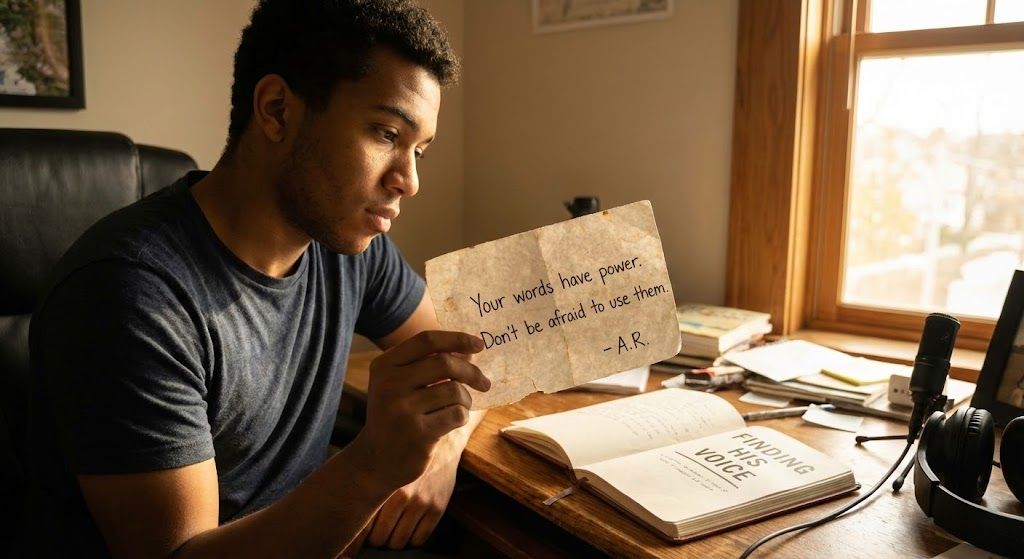
The history classroom at Lincoln High was filled with sunlight.
Students settled into their desks.
Ethan arrived early, carrying his research notes carefully.
He placed them on his desk and opened his notebook
Mr. Reynolds greeted him quietly.
“Ready to refine your essay, Ethan?”
Ethan nodded.
His hands were steady.
His eyes focused.
During class, students discussed historical figures.
Ethan listened attentively.
He added notes to his draft.
Revised sentences.
Clarified ideas.
Mr. Reynolds walked around the room.
He stopped by Ethan’s desk.
“You have strong ideas here,” he said quietly.
“Try to explain them more clearly for the reader.”
Ethan nodded.
He appreciated the guidance.
Over the next few days, Ethan worked steadily.
He researched additional sources.
Fact-checked dates and events.
Rewrote paragraphs carefully.
Step by step.
Other students noticed his diligence.
Some whispered questions about research methods.
Ethan explained calmly.
Step by step.
One day, Mr. Reynolds asked Ethan to read a paragraph aloud.
His voice was quiet at first.
He stumbled on a sentence.
He paused.
Then read again.
Clearer.
Confident.
By mid-week, the essay was nearly complete.
Ethan added conclusions and reflections.
He connected Frederick Douglass’ life to broader historical themes.
Mr. Reynolds provided one final suggestion.
“Consider adding a personal reflection at the end.
How does this story inspire you?”
Ethan thought carefully.
He wrote a few sentences.
Honest. Thoughtful.
The essay was complete.
Well-researched.
Well-written.
Reflective.
A product of guidance, persistence, and quiet effort.
During class discussion, Mr. Reynolds asked students to share their favorite historical insight.
Ethan hesitated.
Then raised his hand quietly.
He shared a key lesson from Frederick Douglass’ life.
His voice calm but confident.
The class listened attentively.
By the end of Chapter 2, Ethan had gained more than writing skills.
He had found his voice.
He had learned to express ideas clearly.
He had discovered that quiet diligence combined with mentorship could lead to confidence.
Mr. Reynolds reflected quietly.
Some students need recognition to see their potential.
Others need guidance to find their voice.
Ethan had received both.
He smiled quietly.
The mentor’s note had sparked growth.
Step by step, Ethan was learning to trust his abilities.
And his voice was becoming visible.
Chapter 3: Recognition Day
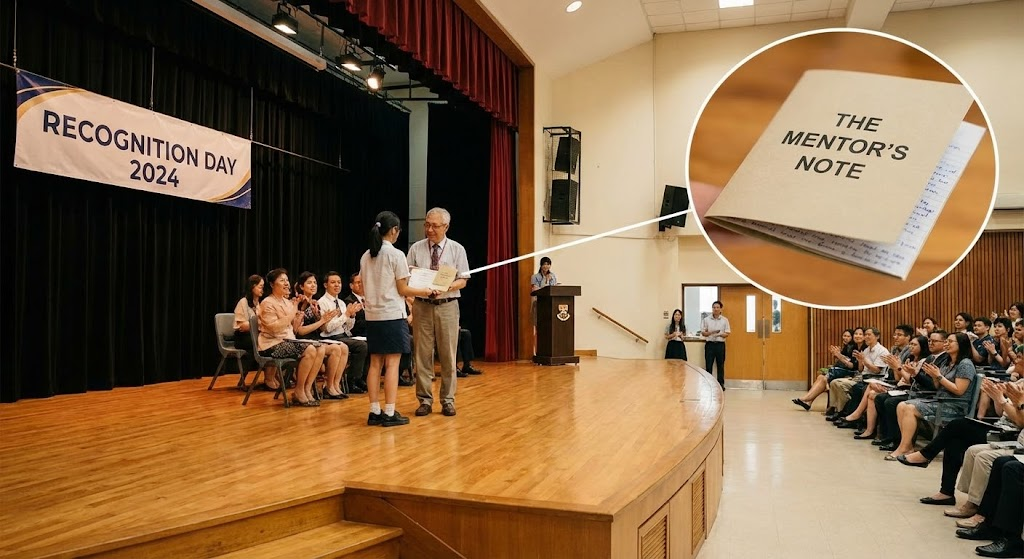
Lincoln High School buzzed with activity.
Students gathered in the auditorium.
Parents, teachers, and peers filled the seats.
The annual history essay showcase was about to begin.
Ethan arrived early.
He carried a copy of his essay carefully.
His hands were steady, but his heart raced quietly.
Mr. Reynolds greeted him.
“You’re ready, Ethan. Just share your work clearly,” he said quietly.
Ethan nodded.
Step by step, he reminded himself of the preparation he had done.
Students took turns presenting their essays.
Some read confidently.
Some stumbled slightly.
Ethan listened quietly, noting how others structured their presentations.
When it was his turn, Ethan stood.
He cleared his throat.
His voice was quiet at first.
He began to read.
Step by step.
He explained Frederick Douglass’ early life.
His struggles.
His achievements.
He highlighted the lessons learned from perseverance and self-education.
Ethan paused at key points.
He looked at the audience.
His voice grew steadier.
The essay reflected not just historical facts, but his own reflections.
The judges listened attentively.
They asked questions about Douglass’ strategies and influence.
Ethan answered thoughtfully.
Step by step.
A few classmates whispered quietly.
“Ethan explains things really well.”
He smiled faintly, appreciating the recognition.
By the end of the presentations, judges deliberated.
Students returned to their seats.
Ethan felt nervous, but quietly proud.
He had shared his work clearly.
He had expressed his ideas confidently.
The principal returned to the stage.
“Thank you all for your excellent essays.
Now, the awards.”
Students leaned forward.
Ethan’s heart beat quietly.
“Third place: Ethan Harris!”
He froze for a moment.
Then walked to the stage.
Accepted the certificate.
Quiet pride on his face.
The audience clapped.
Parents smiled.
Classmates whispered congratulations.
Mr. Reynolds smiled quietly from the back.
By the end of Chapter 3, Ethan had received recognition for his quiet effort.
He had learned that diligence, preparation, and mentorship could lead to acknowledgment.
Step by step, his quiet work had become visible.
Mr. Reynolds reflected quietly.
Some students shine quietly.
Some loudly.
Recognition is meaningful, but growth happens regardless of attention.
Ethan’s effort and diligence had now been validated publicly.
Ethan returned to his seat, certificate in hand.
He smiled quietly.
Not boastful.
Just proud of his work and growth.
He realized that recognition was valuable.
But the real achievement was the learning, preparation, and confidence he had gained.
Step by step, he had become a better student and thinker.
By the end of the day, Ethan’s quiet diligence had transformed into quiet confidence.
He had learned the value of effort, persistence, and mentorship.
And he had discovered that sometimes recognition comes unexpectedly.
Chapter 4: Reflection and Mentoring

The days after the history essay showcase were quieter at Lincoln High.
Students returned to their regular lessons.
The excitement of awards and presentations lingered, but routine resumed.
Ethan arrived early to class.
His notebook in hand.
A quiet confidence in his posture.
He reflected on the showcase.
Mr. Reynolds greeted him quietly.
“How do you feel after the showcase, Ethan?”
Ethan thought for a moment.
“I’m proud,” he said softly.
“Not just for the award, but for finishing my essay and presenting it clearly.”
Mr. Reynolds nodded.
“That’s the important part. Growth matters more than recognition.”
Ethan listened attentively.
He had learned that quiet diligence could lead to confidence.
During class, students worked on a group project about early American history.
Ethan contributed ideas clearly.
Explained steps carefully.
Helped peers organize their research.
Step by step.
Some classmates asked for guidance.
Ethan explained patiently.
Shared strategies for note-taking and essay writing.
His quiet mentorship was effective.
One student whispered, “Ethan really knows how to organize ideas.”
Ethan smiled quietly.
No words.
Just steady confidence.
Mr. Reynolds observed quietly.
The mentor’s note had sparked growth.
Ethan was learning to find his voice, mentor peers, and approach tasks with diligence.
Recognition had reinforced his effort, but the true growth was internal.
During reflection time, Ethan wrote in his journal.
“I learned that quiet effort matters.
Preparation and persistence build confidence.
Helping others also strengthens my own understanding.”
Mr. Reynolds read the entry.
He wrote a note:
“Excellent reflection. You’ve grown in diligence, confidence, and leadership.”
Ethan read it quietly.
A small smile formed on his face.
Over the next few weeks, Ethan continued exploring history projects.
He experimented with new research topics.
Applied analytical thinking and careful writing.
Step by step, he expanded his skills.
His peers began to approach him for advice.
He shared techniques and insights calmly and clearly.
He guided them without arrogance.
His mentorship was subtle but effective.
By the end of Chapter 4, Ethan had internalized important lessons.
Persistence mattered.
Effort mattered.
Confidence came from understanding and preparation.
Recognition was meaningful, but the process was invaluable.
Mr. Reynolds reflected quietly.
Some students shine loudly.
Some shine quietly.
Both achieve remarkable growth.
Mentorship helps students realize their potential.
Ethan’s quiet diligence had become visible through guidance and encouragement.
He had grown academically, socially, and personally.
Step by step, he was ready for future challenges.
Chapter 5: Lasting Lessons
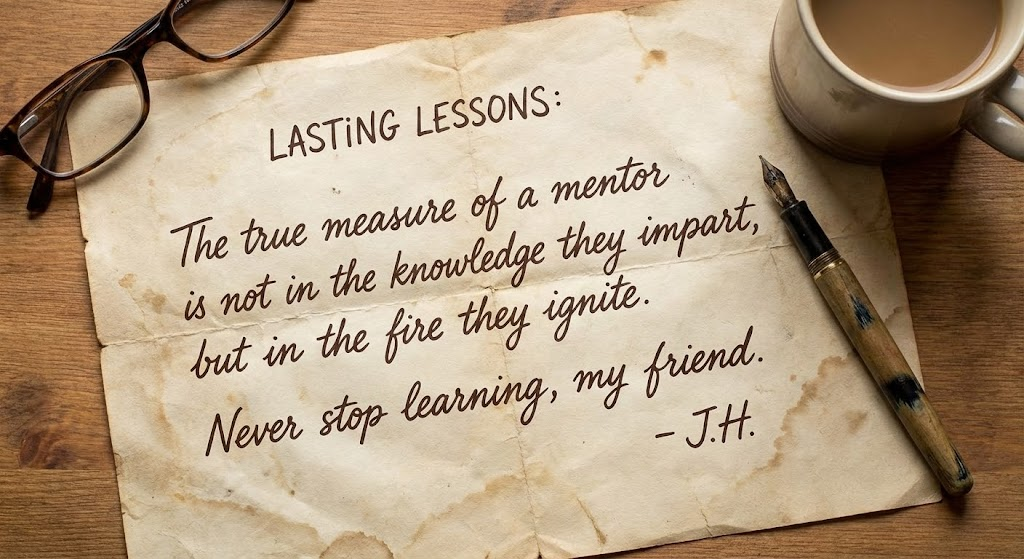
The school year at Lincoln High was drawing to a close.
Classrooms were quiet in the mornings.
The scent of textbooks and chalk lingered.
Students were completing final projects and preparing for exams.
Ethan arrived early to history class, as usual.
His notebook in hand.
A quiet confidence in his posture.
He reflected on the journey that had started with a simple mentor’s note.
Mr. Reynolds greeted him quietly.
“You’ve grown a lot this year, Ethan,” he said.
Ethan nodded.
“I’ve learned that consistent effort matters,” he replied softly.
“And that guidance helps you see your potential.”
During class labs and discussions, Ethan worked carefully and efficiently.
He organized materials.
Took detailed notes.
Explained procedures clearly when asked.
Step by step.
His classmates noticed the difference.
Some asked for guidance.
Ethan shared strategies calmly and patiently.
No arrogance.
Just subtle leadership.
He began mentoring a few students in research and essay writing.
Step by step, he guided them through organizing ideas.
Citing sources.
Structuring paragraphs.
Helping them find confidence in their own work.
One student whispered, “Ethan really helps me understand things better.”
He smiled quietly.
Step by step, he realized mentorship was also part of learning.
Mr. Reynolds observed quietly.
The mentor’s note had done more than spark a single project.
It had guided Ethan to growth, confidence, and leadership.
Recognition had been valuable.
But the deeper lesson was effort, persistence, and reflection.
During final reflections, Ethan wrote in his journal:
“I’ve learned that quiet effort matters.
Guidance and mentorship make a difference.
Recognition is nice, but growth is what truly lasts.
Helping others makes learning even more meaningful.”
Mr. Reynolds read the entry and wrote a final note:
“Ethan, you’ve shown diligence, growth, and leadership.
These lessons will carry you far beyond this classroom.”
Ethan read it quietly.
A small, genuine smile formed.
By the end of the year, Ethan had transformed.
Not loudly.
Not boastfully.
But steadily.
Step by step.
He walked the hallways with quiet confidence.
Able to contribute ideas.
Able to mentor peers.
Able to approach challenges with patience and diligence.
The mentor’s note had sparked the journey.
But the lessons were lasting:
Effort matters.
Persistence matters.
Mentorship matters.
Confidence grows quietly.
Recognition may come unexpectedly.
Ethan reflected on the year quietly.
He realized the journey was the reward.
The recognition was only a milestone.
Growth, learning, and helping others were the true achievements.
Mr. Reynolds smiled quietly as he watched Ethan leave the classroom.
Teaching is about noticing effort, nurturing potential, and guiding students.
Small gestures can have lasting impact.
Ethan’s story was proof.
A quiet student, diligent and persistent, had grown into a confident, capable learner.
Step by step.
One note.
One mentor.
One journey.
End of Story