
Greek mythology has remained one of the world’s greatest storytelling traditions for more than two thousand years. While younger children often enjoy simplified myths filled with monsters, heroes, and magical adventures, teenagers can appreciate these stories on a much deeper level. The myths explore universal themes such as courage, friendship, ambition, love, loyalty, sacrifice, justice, and the consequences of human choices.
Today, Greek mythology stories for teens are more popular than ever. They inspire bestselling novels, blockbuster movies, television series, video games, and school literature programs. Modern retellings like Percy Jackson have introduced a new generation to the ancient world of Mount Olympus, encouraging readers to discover the original myths behind the adventures.
Unlike ordinary fantasy stories, Greek myths were never intended simply to entertain. Ancient Greeks used mythology to explain the natural world, preserve their history, teach moral lessons, and explore the strengths and weaknesses of human nature. Every hero faced difficult decisions, every god possessed both admirable qualities and flaws, and every adventure left readers with something meaningful to think about.
Whether you’re a teenager looking for exciting stories, a parent searching for educational reading material, or a teacher planning classroom activities, Greek mythology offers timeless lessons that remain relevant today.
Why Greek Mythology Still Captivates Teenagers
Teenagers often connect with Greek mythology because the characters experience challenges similar to those faced by young people today. Although these stories take place in an ancient world filled with gods, heroes, and mythical creatures, the emotions and struggles feel surprisingly modern.
Relatable Characters and Real Emotions
Unlike many fairy tales, Greek myths feature characters who are far from perfect. Heroes struggle with self-doubt, make mistakes, and face difficult choices. Gods display emotions such as anger, jealousy, love, and pride, making them feel more human than many modern fictional characters.
Teen readers often connect with these emotional journeys because they reflect real-life experiences of growing up and learning from failure.
Meaningful Life Lessons
Every Greek myth contains a lesson that goes beyond adventure. Rather than simply defeating monsters, heroes learn valuable truths about courage, responsibility, humility, honesty, and perseverance.
These stories encourage teenagers to think about the consequences of their choices and understand that success often comes through wisdom, patience, and determination rather than strength alone.
Complex Stories That Encourage Critical Thinking
Greek mythology rarely presents simple heroes and villains. Characters often make difficult moral decisions where every choice has consequences.
This complexity encourages teenagers to analyze situations from different perspectives, making Greek myths valuable not only as entertaining stories but also as excellent discussion topics in schools and classrooms.
Memorable Heroes, Gods, and Mythical Creatures
One reason Greek mythology remains so exciting is its unforgettable cast of characters. Readers encounter legendary heroes such as Perseus, Hercules, and Odysseus, alongside powerful gods like Zeus, Athena, Poseidon, and Hermes.
The stories also feature fascinating mythical creatures, including Medusa, the Minotaur, Cerberus, Pegasus, the Hydra, Cyclopes, and the Sirens. Each creature adds excitement while often symbolizing deeper ideas such as fear, temptation, courage, or perseverance.
A Lasting Influence on Modern Culture
Greek mythology continues to inspire today’s books, movies, television shows, comics, and video games. Popular stories featuring gods and heroes often borrow characters, symbols, and themes from these ancient myths.
For teenagers, learning Greek mythology provides a deeper appreciation of modern storytelling while introducing them to some of the world’s oldest and most influential legends.
What Makes Greek Mythology Different From Other Legends?
Every culture has myths that explain the world, celebrate heroes, or pass down traditions. However, Greek mythology stands apart because of its richly developed characters, interconnected stories, and timeless themes that continue to influence literature and popular culture today.
The Gods Play an Active Role
Unlike many mythological traditions where gods remain distant from human affairs, the Olympian gods are deeply involved in the lives of both heroes and ordinary people. They guide, challenge, reward, and sometimes punish mortals, often shaping the outcome of major events.
For example:
- Zeus rules the sky and upholds justice and order.
- Athena encourages wisdom, strategy, and intelligent decision-making.
- Poseidon commands the seas and can either protect or endanger sailors.
- Hermes serves as the messenger of the gods and the protector of travelers.
- Apollo represents music, healing, light, and prophecy.
- Artemis watches over nature, wildlife, and the moon.
Because the gods constantly interact with humans, every story feels dynamic and unpredictable.
Heroes Are Imperfect
One of the biggest differences in Greek mythology is that its heroes are not flawless. Characters such as Hercules, Achilles, Odysseus, and Perseus possess remarkable abilities, yet they also struggle with fear, anger, pride, or poor judgment.
Their flaws make them more relatable, allowing readers to see that true heroism comes from learning, growing, and overcoming personal weaknesses rather than being perfect.
Gods Display Human Emotions
The Olympian gods may be immortal, but they often behave in very human ways. They celebrate victories, argue with one another, experience jealousy, fall in love, forgive mistakes, and sometimes let their emotions influence their decisions.
This combination of divine power and human personality creates memorable stories filled with conflict, drama, and unexpected twists.
Every Story Carries a Lesson
Greek myths are more than exciting adventures. Nearly every story teaches an important lesson about courage, honesty, wisdom, responsibility, humility, or perseverance.
Rather than simply telling readers what is right or wrong, these myths allow them to learn through the experiences and consequences faced by the characters.
An Interconnected Mythological World
Another unique feature of Greek mythology is that many stories are connected. A hero introduced in one myth may appear in another, while gods and legendary creatures frequently cross paths across different adventures.
This shared world makes Greek mythology feel like one vast collection of interconnected stories instead of separate legends, encouraging readers to explore even more myths as they discover new characters and relationships.
A Lasting Legacy
The influence of Greek mythology extends far beyond ancient Greece. Its characters, symbols, and themes continue to appear in modern books, movies, television series, comics, and video games. Many everyday expressions and famous works of literature also draw inspiration from these timeless myths.
This lasting blend of adventure, memorable characters, meaningful lessons, and relatable emotions is what makes Greek mythology especially engaging for teenage readers and one of the world’s most enduring storytelling traditions.
Lessons Hidden Within Greek Myths
One of the reasons Greek mythology has remained popular for thousands of years is that every adventure carries a meaningful lesson. While the stories are filled with powerful gods, fearless heroes, and mythical creatures, they also encourage readers to think about the choices characters make and the consequences that follow.
Rather than presenting simple rules about right and wrong, Greek myths allow readers to discover important values through memorable journeys and dramatic events.
The Importance of Courage
Many Greek heroes face impossible challenges, dangerous monsters, and overwhelming odds. Whether it is Perseus confronting Medusa or Theseus entering the Labyrinth, these stories show that courage is not the absence of fear but the willingness to move forward despite it.
The Dangers of Pride
Pride, often called arrogance or overconfidence, is one of the most common themes in Greek mythology. Characters such as Icarus, King Midas, and Bellerophon suffer because they ignore wise advice or believe they are above everyone else.
These stories remind readers that confidence should always be balanced with humility.
Wisdom Is Greater Than Strength
Although many Greek heroes possess incredible physical abilities, intelligence often proves to be their greatest weapon. Odysseus survives countless dangers through clever thinking, while Perseus defeats Medusa by relying on strategy instead of brute force.
These myths teach that wisdom and careful planning often lead to greater success than strength alone.
Honesty, Loyalty, and Responsibility
Many myths emphasize the importance of keeping promises, remaining loyal to friends and family, and accepting responsibility for one’s actions. Heroes who act with honesty and integrity often earn the respect of both mortals and gods, while those who break trust usually face serious consequences.
These lessons continue to be relevant in everyday life.
Perseverance Through Challenges
Greek mythology reminds readers that success rarely comes easily. Heroes often experience failure, setbacks, and personal loss before achieving their goals. Their determination encourages readers to stay focused, learn from mistakes, and keep moving forward even during difficult times.
Why These Lessons Still Matter Today
The lessons found in Greek mythology remain just as meaningful today as they were thousands of years ago. Although the stories are set in an ancient world, the values they teach continue to apply to modern life.
Timeless Life Skills
Greek myths encourage qualities such as courage, wisdom, honesty, humility, patience, and perseverance. These values help teenagers overcome challenges, build strong relationships, and make better decisions.
Relevant in the Modern World
The themes found in Greek mythology continue to appear in books, movies, television shows, and classrooms, proving that these ancient stories still resonate with today’s readers.
Learning Through Stories
Rather than teaching lessons directly, Greek myths use memorable adventures and unforgettable characters to show the importance of making wise choices and learning from mistakes.
These timeless messages are why Greek mythology continues to inspire readers of all ages and remains one of the world’s most influential storytelling traditions.
Best Greek Mythology Stories for Teens

The Mountain That Remembered Every Promise
In the northern reaches of ancient Greece, where snow-capped peaks touched the clouds and deep…
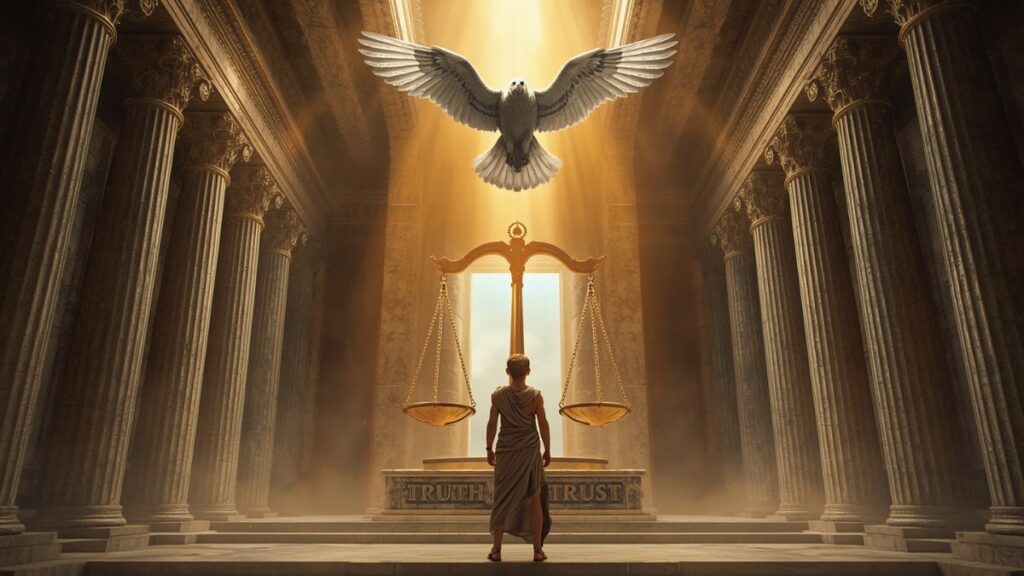
The Messenger’s Impossible Choice
In the golden age of ancient Greece, when the gods of Olympus often walked unseen…

The Whispering Forest of Artemis
Far beyond the busy ports of ancient Greece, where the mountains met endless forests of…

The Wings of the Golden Falcon
On the eastern coast of ancient Greece, where white cliffs overlooked the sparkling Aegean Sea,…

The Keeper of the Sacred Flame
Long before great marble cities covered Greece and long before heroes sailed across distant seas,…
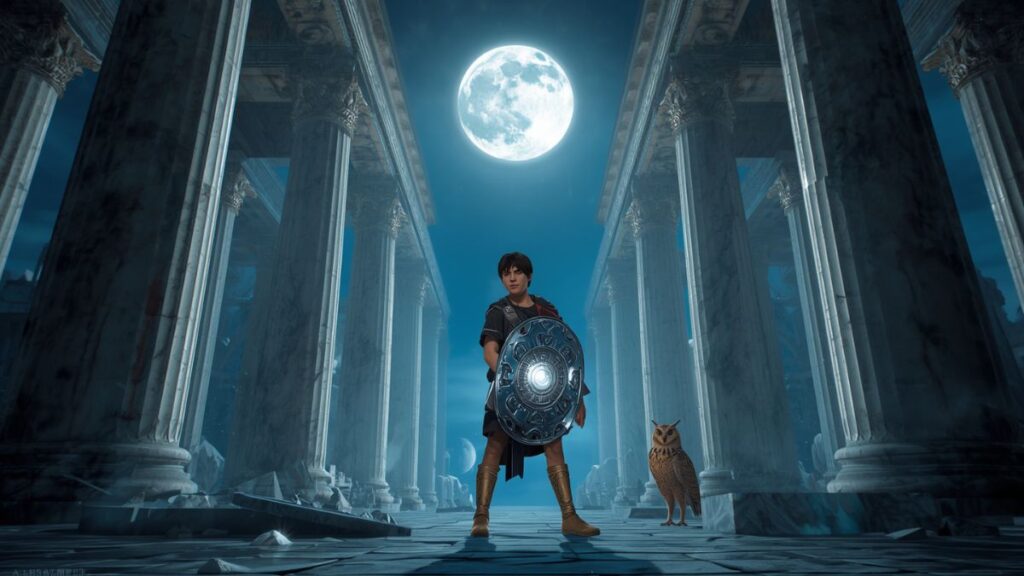
The Trial of the Moonlit Shield
In the shadow of Mount Olympus, beyond the bustling city-states and marble temples, stood the…
Greek Mythology Stories for High School Students

The River That Carried Forgotten Truths
Long before marble cities covered the hills of Greece, a quiet river flowed between the…
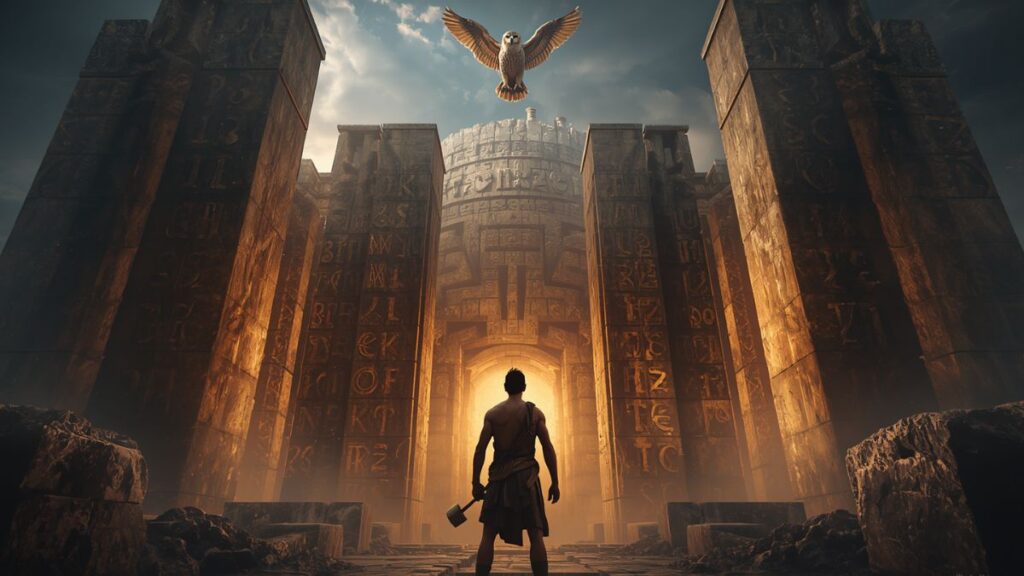
The Labyrinth of Broken Ambitions
In ancient Greece, beyond the bustling cities and peaceful olive groves, stood the forgotten Isle…
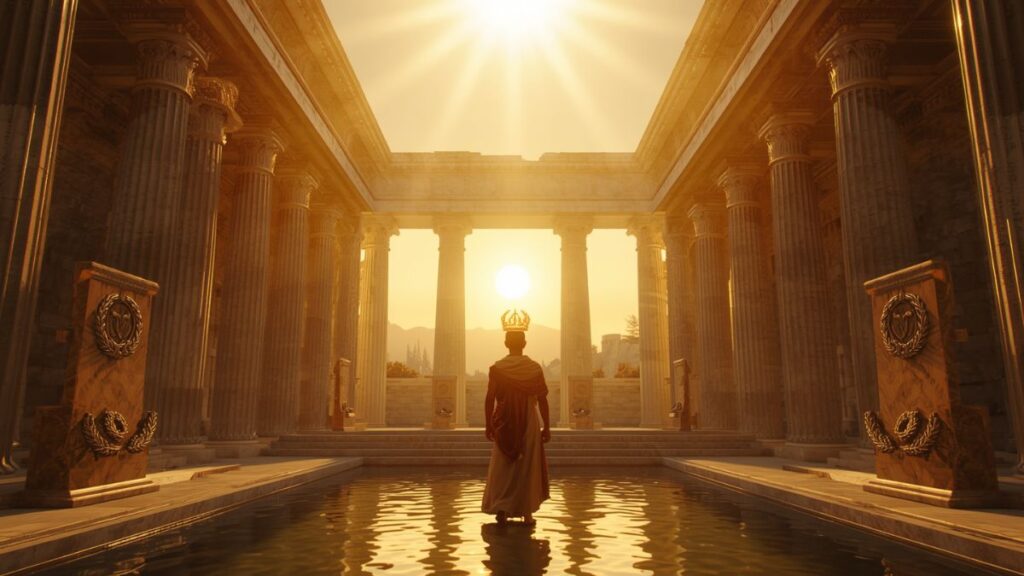
The Crown of the Silent Oracle
In the heart of ancient Greece, where towering marble temples crowned the hills and olive…
Why These Stories Are Ideal for High School Students
Greek mythology is an excellent choice for high school students because it combines exciting adventures with deeper themes that encourage learning and discussion.
Develops Literary Skills
These myths introduce students to literary elements such as symbolism, foreshadowing, irony, and character development, making them valuable for English classes.
Encourages Critical Thinking
Many stories present difficult moral choices without clear right or wrong answers, helping students analyze situations from different perspectives.
Connects History and Literature
Greek mythology helps students understand the beliefs and culture of ancient Greece while showing how these stories have influenced literature, art, philosophy, and popular culture.
Inspires Classroom Discussion
Because the myths explore timeless themes like courage, ambition, loyalty, and responsibility, they encourage meaningful discussions instead of simple memorization.
Greek Mythology Stories About Love

The Rose Garden of Aphrodite
On the sunlit island of Kythera, where gentle waves kissed white sandy shores and fragrant…

The Song That Reached Olympus
In the green valleys of ancient Greece, where vineyards climbed gentle hills and marble temples…

The Star Weaver’s Promise
Long ago, when the gods of Olympus still watched closely over the world of mortals,…
Common Themes Found in Greek Mythology
Although every Greek myth is different, many share important lessons that teenagers can relate to in everyday life. These timeless themes are one reason Greek mythology continues to inspire readers around the world.
Courage and Bravery
Many heroes overcome fear by facing challenges with determination rather than giving up.
Wisdom Over Strength
Greek myths often show that intelligence and good judgment are more valuable than physical power.
Responsibility and Consequences
Characters are frequently rewarded for making wise choices and face consequences when they act carelessly.
Pride and Humility
Many stories warn that arrogance can lead to failure, while humility often leads to success.
Loyalty and Friendship
Strong relationships and staying loyal to family and friends are common themes throughout Greek mythology.
Love and Sacrifice
Several myths explore how love, forgiveness, and selfless sacrifice can shape a person’s destiny.
Hope and Perseverance
Even during difficult times, many heroes continue moving forward, reminding readers never to lose hope.
These universal themes explain why Greek mythology remains meaningful and continues to connect with new generations of readers thousands of years after the stories were first told.
How Greek Mythology Benefits Teen Readers
Reading Greek mythology stories for teens offers much more than entertainment. These ancient tales help teenagers build reading skills, think critically, and discover valuable life lessons that remain relevant today.
Improves Reading Skills
Greek myths introduce rich vocabulary, engaging storytelling, and memorable characters, helping teens strengthen their reading comprehension and language skills.
Encourages Critical Thinking
Many myths feature heroes and gods who face difficult choices without easy answers. This encourages teenagers to think about consequences, responsibility, and different perspectives.
Builds Historical Knowledge
Greek mythology helps readers understand the beliefs, traditions, and culture of ancient Greece while showing how these stories have influenced history and literature.
Inspires Creativity
From legendary heroes to mythical creatures, Greek myths spark imagination and continue to inspire modern books, movies, comics, and video games.
Teaches Valuable Life Lessons
Stories often focus on courage, wisdom, honesty, perseverance, and humility while showing the consequences of pride, greed, and poor decisions.
Helps Young Writers
For teens interested in storytelling, Greek mythology provides excellent examples of strong characters, exciting adventures, and meaningful story structures that can inspire their own writing.
Tips for Parents and Teachers
Parents and teachers can make Greek mythology stories for teens more engaging by encouraging discussion and creative activities instead of simply asking students to memorize the myths.
Compare Heroes
Ask students to compare Greek heroes like Hercules or Perseus with modern superheroes and discuss their similarities and differences.
Discuss the Moral
After reading each myth, talk about the lesson it teaches and how it applies to everyday life.
Encourage Creative Writing
Have students rewrite a myth from another character’s perspective or imagine a different ending.
Connect to Modern Media
Explore how Greek mythology has influenced today’s books, movies, television shows, and video games.
Explore Greek History
Learn about ancient Greek temples, art, and culture to better understand the background of these myths.
Hold Classroom Discussions
Encourage debates about the decisions made by famous heroes and gods to help students develop critical thinking skills.
These simple activities help teenagers connect ancient myths with the modern world while making learning more enjoyable.
Conclusion
The enduring popularity of Greek mythology stories for teens proves that great storytelling never grows old. From Perseus facing Medusa to Odysseus navigating impossible challenges and Orpheus risking everything for love, these ancient tales continue to inspire readers with unforgettable adventures and meaningful lessons.
Whether you are exploring Greek mythology stories for high school students in the classroom or enjoying 7 Greek mythology stories about love for their emotional depth, each myth offers a new perspective on courage, ambition, friendship, sacrifice, and hope.
Thousands of years after they were first shared around ancient campfires and temples, Greek myths continue to spark curiosity and imagination. They remind us that while the world changes, the challenges of being human remain remarkably the same, making these legendary stories just as meaningful for today’s teenagers as they were for readers in ancient Greece.