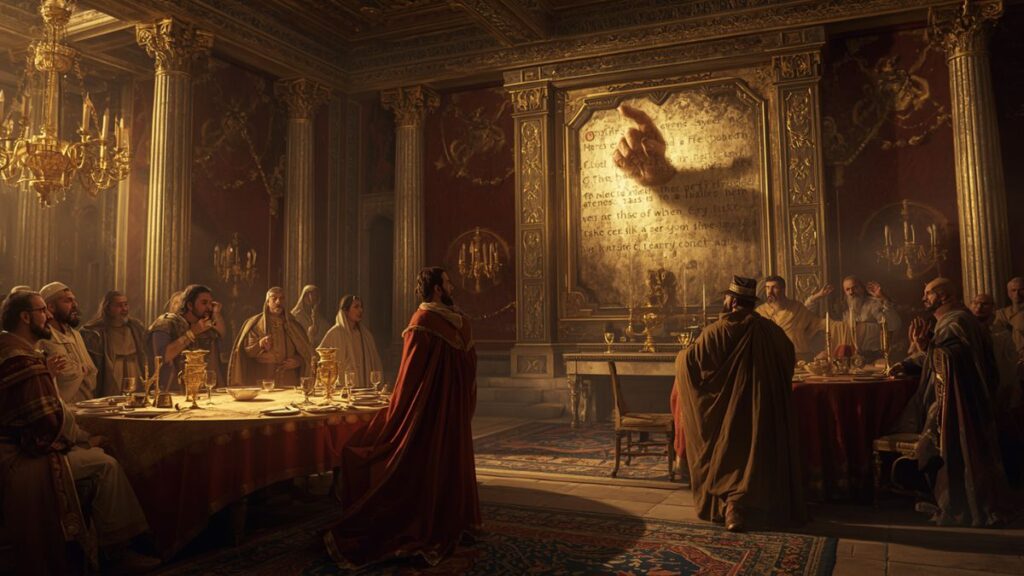
The Bible is filled with stories of kings, prophets, miracles, and great acts of faith. Some stories are widely known, such as Noah’s Ark, David and Goliath, and Daniel in the lions’ den. Others are less familiar but equally fascinating.
One of the most unusual stories in the Old Testament is the account of Ehud and King Eglon.
Found in the Book of Judges, this story combines courage, strategy, danger, and God’s deliverance in a way that few other Bible stories do. It takes place during a difficult period in Israel’s history when the nation repeatedly turned away from God, suffered oppression, cried out for help, and was rescued by leaders known as judges.
Ehud’s story stands out because he was an unlikely hero. He was not a king. He was not a famous warrior. He did not command a massive army. Yet God used him to free an entire nation from oppression.
His story reminds readers that God often works through ordinary people who are willing to act with courage and faith.
The Time of the Judges
To understand Ehud’s story, it helps to understand the period in which he lived.
After Joshua led the Israelites into the Promised Land, the nation did not have a permanent king. Instead, different leaders arose at different times to guide and rescue the people.
These leaders were called judges.
The Book of Judges follows a repeating pattern.
First, the people obeyed God and experienced peace.
Then they drifted away from God and began worshiping idols.
As a result, enemy nations gained power over them.
Life became difficult.
Eventually, the Israelites cried out to God for help.
God responded by raising up a judge who delivered them from oppression.
For a time, peace returned.
Then the cycle began again.
Ehud’s story occurs during one of these difficult periods.
Israel Falls into Trouble
The Bible says that after the death of a previous judge named Othniel, the Israelites once again did what was wrong in God’s sight.
Instead of remaining faithful, many people turned away from God’s commands.
Because of this, God allowed a neighboring nation called Moab to become powerful.
The ruler of Moab was King Eglon.
Eglon formed alliances with other groups and launched attacks against Israel.
The Moabites gained control over parts of the land.
The Israelites became subject to King Eglon.
This oppression continued for eighteen long years.
Imagine nearly two decades of hardship.
For eighteen years, families struggled.
Communities suffered.
People lived under foreign control.
Many likely wondered whether things would ever improve.
Finally, the nation cried out to God.
And God answered.
An Unlikely Deliverer
God chose a man named Ehud.
At first glance, Ehud did not seem like the obvious choice to rescue a nation.
The Bible tells us that he was from the tribe of Benjamin.
It also notes an interesting detail.
Ehud was left-handed.
This might seem unimportant today, but in ancient warfare it was unusual enough to be specifically mentioned.
Most warriors carried weapons on their left side and drew them with their right hand.
Enemies expected this.
Ehud’s left-handedness would later become a key part of God’s plan.
Like many of God’s chosen servants, Ehud did not fit people’s expectations.
Throughout Scripture, God often uses unlikely individuals to accomplish extraordinary things.
A Dangerous Mission
Ehud was selected to deliver Israel’s tribute payment to King Eglon.
The tribute was essentially a tax paid by the oppressed Israelites to their foreign ruler.
This assignment gave Ehud direct access to the king.
But Ehud had a plan.
Before beginning the journey, he made a special weapon.
The Bible describes it as a double-edged sword about a cubit long, roughly eighteen inches.
Unlike a large battlefield weapon, it was small enough to conceal beneath clothing.
Ehud strapped the sword to his right thigh.
This detail mattered.
Guards searching visitors would typically expect a weapon on the left side.
Because Ehud was left-handed, he carried the weapon in an unexpected location.
The sword remained hidden.
No one noticed it.
Meeting King Eglon
Ehud and his companions arrived to deliver the tribute.
King Eglon received them.
The Bible describes Eglon as a very large man.
He was powerful, wealthy, and confident in his position.
After presenting the tribute, Ehud and his group began their journey home.
At least, that is what everyone believed.
But Ehud was not finished.
After traveling some distance, he turned back alone.
He returned to the king with a message.
A Secret Message
When Ehud arrived, he requested a private audience.
He told the king he had a secret message.
Naturally, Eglon’s curiosity was piqued.
A secret message sounded important.
The king ordered his attendants to leave.
Soon, Ehud and Eglon were alone.
The moment was incredibly dangerous.
Ehud stood in the presence of the ruler who had oppressed his people for eighteen years.
There were no allies nearby.
No army waiting outside.
No guarantee of success.
Everything depended on what happened next.
The Critical Moment
As the two men stood together, Ehud spoke.
“I have a message from God for you.”
The statement caught Eglon’s attention.
The king rose from his seat.
At that moment, Ehud acted.
Using his left hand, he reached for the concealed sword on his right thigh.
The unexpected movement likely caught Eglon completely off guard.
Before the king could react, Ehud struck.
The attack succeeded.
The oppressive ruler who had dominated Israel for eighteen years was defeated.
A Daring Escape
Ehud’s mission was not yet complete.
He still needed to escape.
The palace servants remained nearby.
Discovery would almost certainly mean death.
With remarkable composure, Ehud left the room and secured the doors behind him.
The servants noticed the locked doors and assumed the king desired privacy.
As a result, they delayed checking on him.
This gave Ehud valuable time.
He quickly departed and escaped the area.
By the time anyone realized what had happened, he was already far away.
Rallying Israel
Ehud did not simply flee and hide.
Instead, he took immediate action.
After reaching safety, he traveled into the hill country of Ephraim.
There he sounded a trumpet.
The trumpet served as a signal.
It called the Israelites together.
People gathered to hear him.
Ehud announced that God had given them an opportunity.
The Moabite ruler was gone.
Now was the time to act.
The Israelites responded.
They followed Ehud.
A Nation Rises Up
With Ehud leading them, the Israelites moved quickly.
One of their key objectives was controlling the crossing points of the Jordan River.
These crossings were strategically important.
If the Moabite forces attempted to retreat or regroup, the crossings would become essential.
The Israelites secured them.
When Moabite soldiers tried to escape, they found their routes blocked.
The resulting conflict led to a major victory for Israel.
The Bible records that approximately ten thousand Moabite warriors were defeated.
The oppressive regime collapsed.
Israel was free once again.
Peace Returns
After years of suffering, the people experienced relief.
The Bible states that the land enjoyed peace for eighty years.
That is an extraordinary length of time.
For decades, families lived without foreign oppression.
Communities rebuilt.
Children grew up in safety.
The nation experienced stability.
God had answered the cries of His people through the courage of one man willing to act.
Why This Story Is So Unusual
Ehud’s account is one of the Bible’s most unique stories.
Several factors make it stand out.
An Unexpected Hero
Most people expect heroes to be obvious leaders.
Ehud was not a king or famous general.
He was an ordinary man chosen by God.
Strategy Instead of Strength
Many biblical battles involve large armies or dramatic miracles.
Ehud’s victory depended largely on planning, courage, and timing.
A Personal Mission
Rather than leading thousands into battle from the beginning, Ehud first carried out a dangerous mission alone.
His willingness to take risks helped create an opportunity for national deliverance.
Lesson One: God Uses Ordinary People
One of the greatest lessons from this story is that God often works through ordinary individuals.
Ehud did not appear extraordinary.
Yet God used him to accomplish something remarkable.
Throughout Scripture, God repeatedly chooses people whom others might overlook.
This encourages readers not to underestimate what God can do through willing hearts.
Lesson Two: Courage Matters
Ehud’s mission required tremendous bravery.
He willingly entered a dangerous situation.
Failure could have cost him his life.
Yet he moved forward because he believed God had called him.
Courage does not mean the absence of fear.
It means doing what is right despite fear.
Ehud’s example continues to inspire readers today.
Lesson Three: Wisdom Is Important
Ehud did not rely solely on strength.
He used wisdom.
He planned carefully.
He understood the situation.
He acted strategically.
The Bible often highlights the value of wisdom alongside faith.
God can work through thoughtful preparation as well as miraculous intervention.
Lesson Four: God Hears the Cries of His People
The story begins with suffering.
Israel endured oppression for eighteen years.
Yet when the people cried out to God, He responded.
This theme appears throughout Scripture.
God hears the prayers of those who seek Him.
The answer may not always come immediately, but God is aware of their struggles.
Ehud’s story demonstrates that truth powerfully.
Lesson Five: Deliverance Can Come from Unexpected Places
The Israelites may not have expected a left-handed man carrying tribute money to become their deliverer.
Yet that is exactly what happened.
God’s solutions often arrive in unexpected ways.
People frequently imagine one outcome while God provides another.
The story encourages trust even when circumstances seem hopeless.
Bible Stories for Adults
Although children may find the story exciting, adults often appreciate its deeper themes.
Ehud’s account addresses issues that remain relevant today:
- Leadership
- Courage
- Oppression
- Faith
- Wisdom
- Responsibility
- Trust in God
Adults facing difficult situations can draw encouragement from the fact that God often works through ordinary individuals willing to step forward.
Stories of Sacrifice in the Bible
Ehud’s story is also a story of sacrifice.
He risked his own safety for the good of others.
He could have chosen a comfortable life under foreign rule.
Instead, he accepted a dangerous assignment.
His willingness to place himself at risk helped secure freedom for an entire nation.
Throughout the Bible, many acts of faith involve personal sacrifice.
Ehud’s courage fits that pattern.
Why Readers Still Remember Ehud
Thousands of years later, the story continues to capture attention.
Part of its appeal comes from its unusual details.
A hidden sword.
A secret message.
A daring escape.
A surprising hero.
Yet the story endures because of its deeper meaning.
Readers recognize the timeless themes.
People still face challenges that require courage.
They still encounter situations that demand wisdom.
They still need reminders that God can work through ordinary lives.
Ehud’s account provides all of those lessons.
Conclusion
The story of Ehud and King Eglon is one of the Bible’s most fascinating and unusual accounts.
During a time of oppression, God raised up an unlikely deliverer.
Ehud used courage, wisdom, and faith to confront a powerful ruler and help free his people.
His actions led to victory, peace, and eighty years of stability for Israel.
More than an exciting historical account, the story teaches enduring lessons about courage, trust, obedience, and God’s ability to use ordinary people in extraordinary ways.
That is why the story of Ehud and King Eglon remains one of the Bible’s most memorable and thought-provoking narratives.
It reminds readers that difficult circumstances do not have the final word.
God can provide deliverance in ways no one expects, often through people no one would have chosen.