The Bible contains many unusual stories, but few are as surprising, emotional, and difficult to understand as the story of the prophet Hosea and his wife, Gomer.
Unlike many Bible stories that focus on battles, miracles, kings, or dramatic adventures, this story centers on a marriage. Yet it is far from an ordinary marriage story.
God instructed Hosea to marry a woman who would later be unfaithful to him. Despite her repeated failures, Hosea continued to love her, search for her, and ultimately bring her home again.
At first glance, this command seems strange. Why would God ask a faithful prophet to enter such a painful relationship?
The answer lies at the heart of one of the Bible’s most powerful messages about love, forgiveness, grace, and redemption.
Many readers consider this one of the weirdest stories in Scripture because God used a real-life marriage as a living illustration of His relationship with His people.
The story is unusual, heartbreaking, and inspiring all at the same time.
Who Was Hosea?
Hosea was a prophet who lived during a troubled period in Israel’s history.
At the time, the nation was experiencing economic success and political stability. On the surface, everything looked fine.
People were making money.
Cities were growing.
Life seemed comfortable.
Yet spiritually, Israel was in serious trouble.
Many people had abandoned God’s commands and begun worshiping idols.
Instead of trusting God, they relied on false gods, foreign alliances, and their own plans.
The nation appeared healthy from the outside but was deeply broken on the inside.
God called Hosea to deliver a message to His people.
Unlike many prophets who simply spoke God’s words, Hosea would actually live out the message through his own life.
A Strange Command
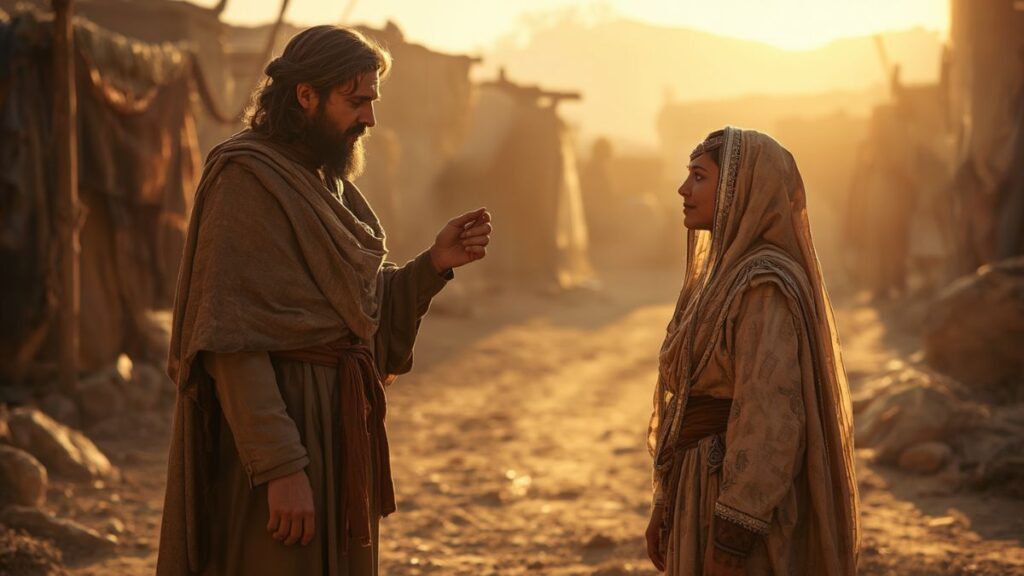
One day, God gave Hosea an unusual instruction.
He told Hosea to marry a woman named Gomer.
This command immediately sets the story apart from most others in the Bible.
God explained that Hosea’s marriage would symbolize Israel’s relationship with Him.
Just as a spouse can betray a marriage covenant, Israel had repeatedly betrayed God by turning to idols and false worship.
The command likely confused Hosea.
Marriage is normally associated with love, joy, and companionship.
Yet God was asking him to enter a relationship that would eventually involve heartbreak and disappointment.
Even so, Hosea obeyed.
He married Gomer.
The Beginning of Their Marriage
At first, Hosea and Gomer began their life together like many couples.
They established a home.
They shared daily life.
Over time, children were born.
From the outside, their family may have appeared ordinary.
But beneath the surface, trouble was growing.
The problems God had warned about eventually emerged.
Gomer became unfaithful.
She turned away from her husband and pursued relationships with other men.
Her actions deeply wounded Hosea.
The betrayal was personal.
The pain was real.
This was not merely a symbolic lesson.
It was Hosea’s actual life.
Understanding the Pain
To fully appreciate the story, it is important to understand the emotional weight of what happened.
Hosea loved his wife.
He had committed himself to her.
He had built a family with her.
When she chose to leave him, the pain would have been devastating.
Anyone who has experienced betrayal can understand the heartbreak involved.
Trust was broken.
Promises were ignored.
The relationship suffered.
Most people would naturally expect Hosea to give up.
Many would assume the marriage was beyond repair.
Yet God had a different plan.
A Picture of Israel
While Hosea experienced personal heartbreak, God was using the situation to illustrate something much larger.
Israel had repeatedly turned away from God.
Although God had rescued, protected, and blessed His people, they continually pursued idols and false gods.
They ignored His commands.
They trusted other nations instead of Him.
They acted much like an unfaithful spouse abandoning a faithful partner.
Through Hosea’s marriage, God was showing Israel what their actions looked like from His perspective.
The story transformed an abstract spiritual problem into something people could understand emotionally.
Gomer Leaves
Eventually, Gomer’s choices led her farther away from Hosea.
The Bible suggests that her life became increasingly difficult.
The relationships she pursued failed to provide the security and happiness she expected.
Instead of finding fulfillment, she experienced disappointment.
Her situation worsened.
The freedom she sought eventually led to hardship.
This pattern remains familiar even today.
People often believe that ignoring wisdom or abandoning commitments will bring happiness.
Instead, such decisions frequently create new problems.
Gomer’s life became an example of that reality.
An Unexpected Command
At this point, many readers expect the story to end.
The marriage had failed.
The betrayal was complete.
Surely Hosea would move on.
Instead, God gave Hosea another surprising instruction.
He told Hosea to go and love Gomer again.
The command is one of the most remarkable moments in the story.
God did not tell Hosea to forget what happened.
He did not pretend the betrayal was acceptable.
Rather, He instructed Hosea to demonstrate love and forgiveness.
This command reflected the way God continued loving Israel despite their repeated failures.
Searching for Gomer
Hosea obeyed once more.
He went looking for Gomer.
Imagine the emotions involved.
The woman who had broken his heart was now the person he was being asked to find and restore.
Many people would have struggled with anger.
Others might have wanted revenge.
Some would simply walk away.
Yet Hosea chose obedience.
His actions reveal extraordinary commitment.
He was willing to pursue restoration rather than resentment.
Buying Her Back
One of the most astonishing details in the story is what happened next.
When Hosea found Gomer, she was apparently living in such difficult circumstances that he had to purchase her freedom.
The Bible records that he paid a price for her.
In other words, Hosea redeemed his own wife.
The woman who had left him.
The woman who had hurt him.
The woman who had broken their marriage covenant.
He paid to bring her home.
This moment is one of the most powerful images in Scripture.
Why This Is So Unusual
The idea of a husband buying back his unfaithful wife sounds strange.
Most people would not expect such a response.
Human nature often leans toward anger, bitterness, or rejection.
Hosea chose restoration.
His actions reflected a level of grace that seems almost impossible.
This is one reason the story remains so memorable.
It challenges ordinary expectations.
It reveals a kind of love that goes beyond what many people consider reasonable.
A Picture of Redemption
The story points beyond Hosea and Gomer.
It illustrates God’s relationship with humanity.
Throughout Scripture, people repeatedly fail.
They make poor choices.
They disobey God.
They wander away from Him.
Yet God continually offers forgiveness and restoration.
Hosea’s willingness to redeem Gomer mirrors God’s willingness to redeem His people.
The story becomes a powerful picture of grace.
Lesson One: God’s Love Is Persistent
One of the most important lessons in the story is the persistence of God’s love.
Human love often depends on performance.
People tend to love others when they feel appreciated, respected, and valued.
God’s love operates differently.
Even when people fail, God continues pursuing them.
This does not mean actions have no consequences.
Rather, it means God’s desire for restoration remains strong.
Hosea’s actions provide a vivid example.
Lesson Two: Forgiveness Is Powerful
Forgiveness is rarely easy.
It requires courage, humility, and strength.
Hosea had every reason to remain angry.
Yet he chose a different path.
His example demonstrates the transformative power of forgiveness.
Forgiveness does not erase wrongdoing.
It does not pretend pain never existed.
Instead, it opens the possibility of healing and restoration.
Lesson Three: Sin Often Promises More Than It Delivers
Gomer left seeking something she believed would satisfy her.
Instead, her choices led to hardship.
The same pattern appears throughout human history.
People are often tempted by promises of happiness, freedom, or success.
Yet choices that ignore wisdom frequently create unexpected consequences.
The story warns readers not to be deceived by temporary attractions.
Lesson Four: Obedience Is Sometimes Difficult
Many Bible stories portray obedience as challenging.
Hosea’s story may be one of the clearest examples.
God asked him to do something emotionally painful.
Yet Hosea remained faithful.
His obedience became a testimony to God’s message.
Sometimes doing what is right requires sacrifice.
The story reminds readers that obedience is not always easy, but it can have profound impact.
Bible Stories for Adults
While many Bible stories are taught to children, Hosea’s story is particularly meaningful for adults.
It addresses themes that become increasingly relevant with age:
- Commitment
- Faithfulness
- Forgiveness
- Broken relationships
- Restoration
- Sacrifice
- Grace
These are real-life issues faced by countless people.
The story speaks honestly about pain while also offering hope.
It demonstrates that restoration is possible even when circumstances seem hopeless.
Stories of Sacrifice in the Bible
Hosea’s account is also one of the Bible’s most powerful stories of sacrifice.
His sacrifice was not financial alone.
It was emotional.
Relational.
Personal.
He willingly endured heartbreak in order to demonstrate God’s love.
Throughout Scripture, sacrifice often involves giving up something valuable for a greater purpose.
Hosea sacrificed pride, comfort, and emotional security to obey God’s calling.
His story joins other biblical accounts that reveal the cost of faithful obedience.
Why Readers Still Remember This Story
Thousands of years later, people continue discussing Hosea and Gomer.
Part of the reason is the story’s uniqueness.
Few biblical narratives are quite like it.
Yet the deeper reason is its emotional power.
Most people understand what it means to experience disappointment, betrayal, or broken trust.
They also understand the longing for forgiveness and second chances.
The story speaks to these universal experiences.
God’s Message to Israel
Through Hosea, God delivered a clear message to His people.
Although Israel had repeatedly turned away, God had not abandoned them.
Judgment would come because of their actions.
But restoration remained possible.
God desired repentance rather than destruction.
The story balanced justice and mercy.
Both were present.
Both mattered.
Conclusion
The story of Hosea and the unfaithful wife is one of the strangest and most moving accounts in the Bible.
A prophet marries a woman who later betrays him.
She leaves.
Her life falls apart.
Yet instead of rejecting her forever, Hosea searches for her, redeems her, and brings her home.
The story may seem unusual, but its message is timeless.
It reveals the depth of God’s love.
It demonstrates the power of forgiveness.
It illustrates redemption in a way few stories can.
More than a tale about marriage, Hosea’s story is a portrait of grace.
It reminds readers that failure does not have to be the end of the story.
Restoration is possible.
Forgiveness is available.
And God’s love remains faithful even when people fall short.
That is why this unusual Bible story continues to inspire readers thousands of years after it was first written.