Deadtime stories for kids offer a fun way to introduce young readers to the world of gentle suspense, mystery, and adventure. Unlike traditional horror stories designed for adults, these stories focus on building curiosity and excitement rather than fear. They create just enough mystery to keep children turning the pages while ending with satisfying and reassuring conclusions.
Many children enjoy experiencing a small thrill in a safe environment. A mysterious old house, a strange sound in the woods, or an unusual object discovered in an attic can spark imagination without becoming overwhelming. Well-written deadtime stories help children practice problem-solving, critical thinking, and emotional resilience as they follow brave characters through unusual situations.
These stories are especially popular during Halloween, camping trips, classroom reading sessions, and family story nights. Parents and teachers often choose age-appropriate spooky stories because they encourage reading while providing exciting adventures that remain suitable for younger audiences.
Modern deadtime stories come in many forms, including books, printable stories, digital stories, audiobooks, podcasts, and classroom reading materials. Whether children prefer reading independently or listening to stories before bedtime, there are countless ways to enjoy these lighthearted mysteries.
In this guide, you’ll discover why deadtime stories remain popular, what makes them appropriate for children, tips for choosing age-appropriate tales, and recommendations for different types of spooky stories.
What Are Deadtime Stories?
Deadtime stories are short fictional tales that combine mystery, suspense, adventure, and light scares without including graphic violence or disturbing content. They are designed to entertain children by creating a sense of curiosity and excitement rather than genuine fear.
These stories introduce mysterious situations that encourage young readers to ask questions, solve puzzles, and think critically alongside the main characters. Instead of focusing on terrifying events, they emphasize adventure, imagination, and discovering the truth behind unusual happenings.
Deadtime stories often feature:
- Mysterious houses
- Strange forests
- Forgotten treasures
- Friendly ghosts
- Curious children
- Magical objects
- Secret tunnels
- Talking animals
- Unexplained sounds
- Unexpected twists
Unlike adult horror, children’s spooky stories usually focus on solving a mystery instead of surviving terrifying situations. The main characters are often brave children who use observation, teamwork, and problem-solving to uncover secrets and help others.
For example, a child might hear footsteps in an old library only to discover a playful ghost organizing forgotten books.
Another story might begin with mysterious glowing lights in a backyard before revealing a family of magical fireflies protecting a hidden garden.
A group of campers may hear strange noises outside their tents, only to learn that curious woodland animals have been searching for food.
These stories build suspense through clues, mysterious settings, and unexpected discoveries while keeping the overall tone fun and age-appropriate.
The suspense builds excitement without becoming overwhelming, and most deadtime stories end with comfort, humor, friendship, or an important lesson. This reassuring structure allows children to enjoy the thrill of a mystery while feeling safe and confident by the story’s conclusion.
Why Kids Enjoy Gentle Scary Stories
Many adults wonder why children enjoy spooky stories.
The answer is surprisingly simple.
Children are naturally curious and love exploring the unknown. A mysterious sound, an old house, or a hidden treasure sparks their imagination and encourages them to ask questions about what might happen next.
They wonder:
- Who made that strange sound?
- What’s hidden behind the old door?
- Why does the lantern glow every full moon?
- Where does the secret tunnel lead?
- Is the ghost friendly or trying to help?
These unanswered questions keep young readers engaged from beginning to end.
Because children understand that these stories are fictional, they can safely experience suspense without facing real danger. The excitement comes from solving the mystery rather than being frightened by it.
Gentle scary stories also help children develop emotional confidence. As they watch brave characters face unfamiliar situations, they learn that feeling nervous is normal and that courage often means continuing even when something feels uncertain.
Many children’s spooky stories also encourage important life skills such as problem-solving, teamwork, observation, and critical thinking. Readers gather clues alongside the characters, make predictions, and enjoy discovering surprising but reassuring endings.
Perhaps most importantly, these stories almost always conclude with comfort, humor, friendship, or a valuable lesson. Children finish the story feeling satisfied instead of scared, making gentle spooky tales an enjoyable and confidence-building reading experience.
Benefits of Reading Deadtime Stories
Age-appropriate deadtime stories offer much more than simple entertainment. While they provide exciting adventures filled with mystery and suspense, they also support children’s cognitive, emotional, and social development.
When carefully chosen, these stories encourage children to think critically, manage emotions, and develop a lifelong love of reading.
Encourage Reading
Suspense naturally keeps children engaged.
As clues appear and mysteries unfold, readers become eager to discover what happens next. This sense of curiosity motivates even reluctant readers to keep turning the pages.
Many children who normally lose interest in books stay focused because they want to solve the mystery alongside the main characters.
Build Problem-Solving Skills
Deadtime stories often present puzzles, hidden clues, mysterious objects, or unexplained events.
As children follow the story, they begin making predictions, connecting clues, and thinking logically about possible solutions. This strengthens observation, reasoning, and critical thinking skills in an enjoyable way.
Develop Emotional Resilience
Experiencing gentle suspense in a safe fictional setting helps children understand that feeling nervous is normal.
As characters overcome challenges with courage, patience, and teamwork, young readers gain confidence in handling unfamiliar situations and learn that problems can often be solved calmly.
Spark Creativity
Mysterious castles, magical forests, hidden tunnels, talking animals, and enchanted objects inspire children’s imaginations.
These creative settings often encourage kids to invent their own stories, draw scenes from the adventure, or imagine alternative endings, helping develop storytelling and creative thinking skills.
Improve Focus and Listening Skills
Whether children read independently or listen to stories being read aloud, they must pay close attention to characters, settings, and important clues.
Following a mystery from beginning to end strengthens concentration, listening comprehension, and memory.
Promote Family Reading Time
Many parents enjoy reading spooky stories together, especially during autumn evenings, camping trips, Halloween celebrations, or family story nights.
Reading together creates opportunities to discuss the mystery, predict endings, and share laughs when the surprise is finally revealed. These shared experiences help build lasting family memories and encourage meaningful conversations.
Overall, deadtime stories combine excitement with valuable learning experiences, making them an enjoyable way for children to build confidence, imagination, and a love of reading.
Choosing Age-Appropriate Stories
Not every spooky story is suitable for every child. While some children enjoy mysterious adventures, others may be more sensitive to suspense or unexpected surprises. Choosing stories that match a child’s age, maturity, and comfort level helps ensure the experience remains fun rather than frightening.
Parents, teachers, and caregivers should look for stories that entertain while providing reassurance and positive messages. The goal is to introduce mystery in a safe and enjoyable way that builds confidence instead of fear.
Good children’s spooky stories should:
- End positively
- Avoid graphic violence or disturbing scenes
- Feature relatable child characters
- Encourage bravery instead of fear
- Focus on mystery more than horror
- Balance suspense with humor
- Include friendship, teamwork, or problem-solving
- Provide reassuring conclusions
It’s also helpful to consider the child’s previous experience with spooky stories. Younger readers may prefer gentle mysteries with friendly ghosts or magical creatures, while older children may enjoy longer adventures with more complex puzzles and surprising twists.
Reading together is another great way to introduce spooky stories. Parents can pause to discuss what’s happening, ask children what they think will happen next, and remind them that the events are fictional. This interactive approach helps children feel safe while improving reading comprehension and critical thinking.
If a child seems uncomfortable or frightened, there’s no need to continue immediately. Parents can pause the story, answer questions, offer reassurance, and remind children that the characters and events are imaginary. Every child has a different comfort level, and choosing stories that match their individual needs helps create a positive reading experience.
Best Deadtime Stories for Kids
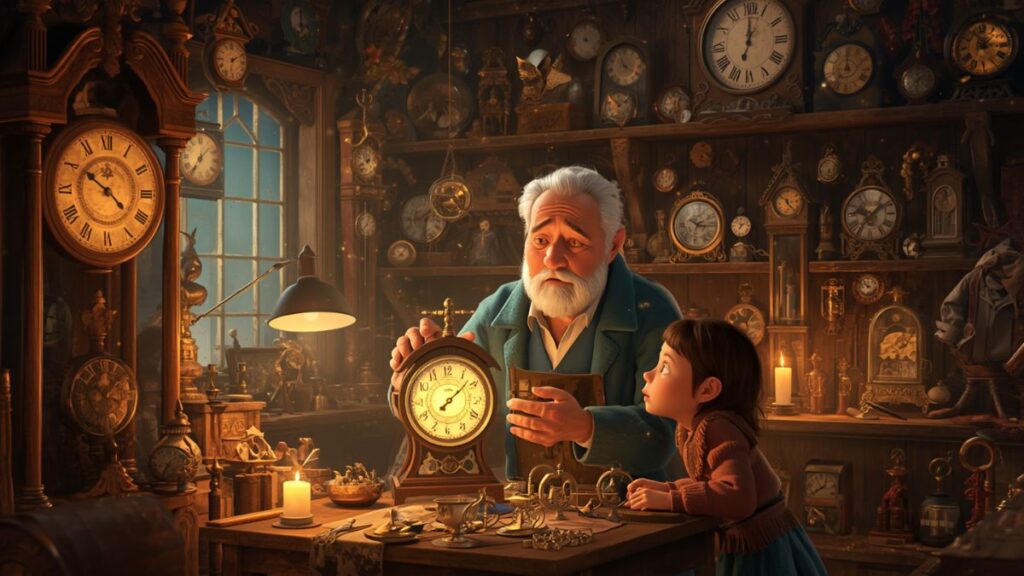
The Clockmaker’s Shop Where Time Whispered
In the quiet town of Briar Hollow, tucked between winding cobblestone streets and colorful flower…

The Hidden Bridge Beneath the Autumn Leaves
Every autumn, the Maplewood Forest transformed into a sea of gold, orange, and crimson leaves….

The Midnight Carousel That Played Without Riders
Every child in the small town of Willow Creek knew about the old carousel at…

The Lantern Keeper’s Secret Lighthouse
On the rocky coastline of Seabreeze Bay stood an old lighthouse that overlooked the endless…

The Museum Where the Dinosaur Skeleton Smiled
The children of Oakridge Elementary had been counting down the days until their annual field…

The Snow Globe That Opened Every Winter Moon
Every winter, when the first snowflakes covered the little town of Pine Hollow, people decorated…
Short Deadtime Stories for Kids
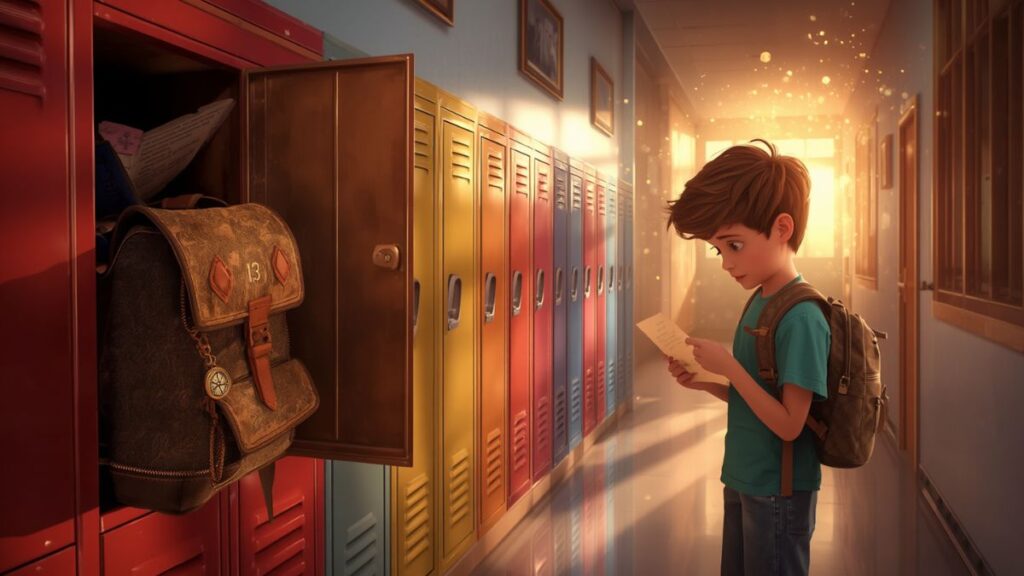
The Whispering Backpack in Locker 13
Liam Parker had attended three different schools in four years. His mother’s job often required…
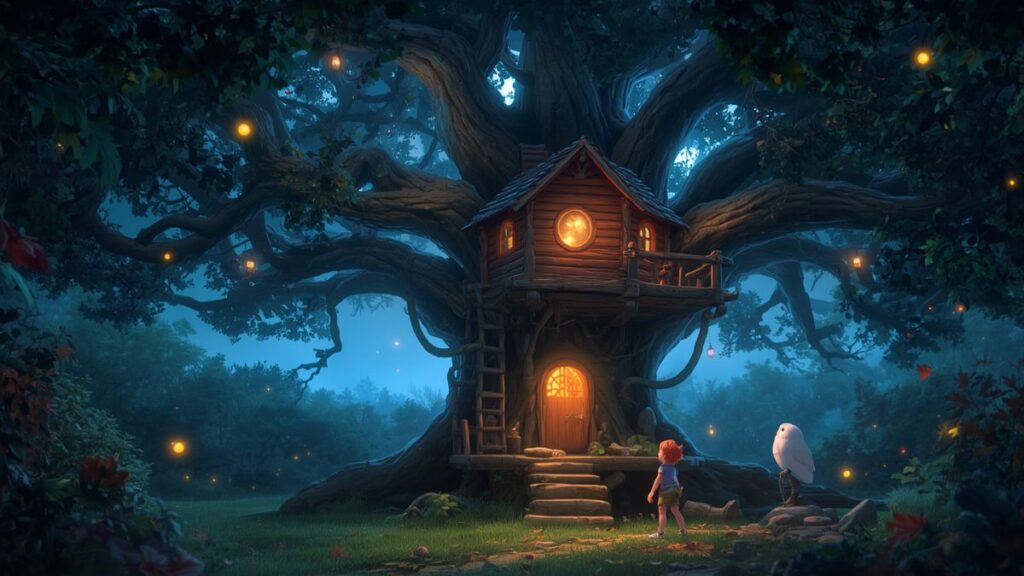
The Moonlit Treehouse with the Missing Ladder
Every child in Pine Ridge loved the forest. It was a place filled with towering…

The Old Toy Train That Never Reached Its Last Station
On the edge of the quiet town of Brookfield stood the Heritage Railway Museum, a…
Mildly Creepy Campfire Tales for Kids
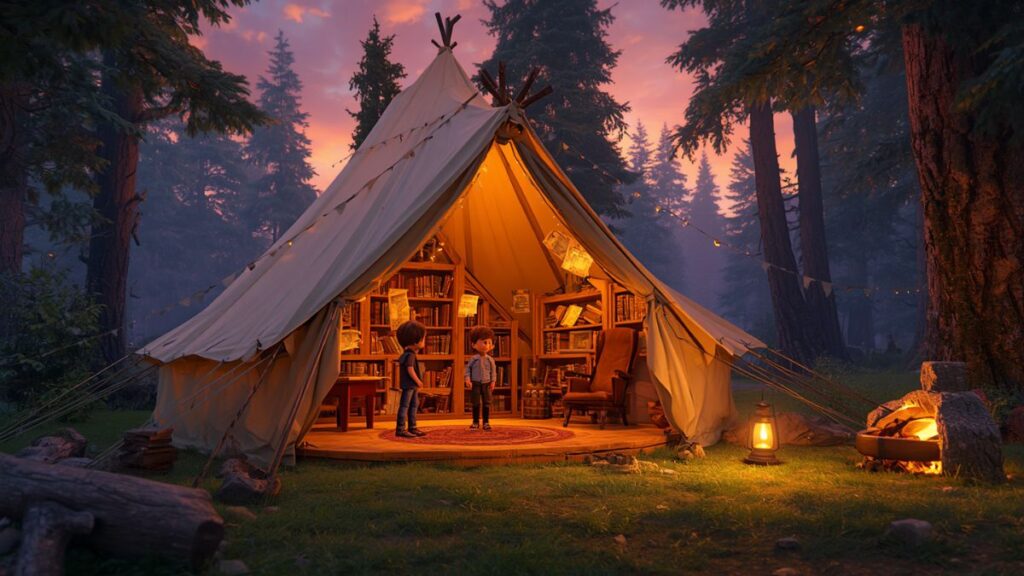
The Empty Tent That Was Never Empty
The Pine Ridge Campground was one of the most popular camping spots in the country….

The Echoes from Whispering Canyon
The first thing Chloe noticed about Whispering Canyon was how quiet it was. Not ordinary…
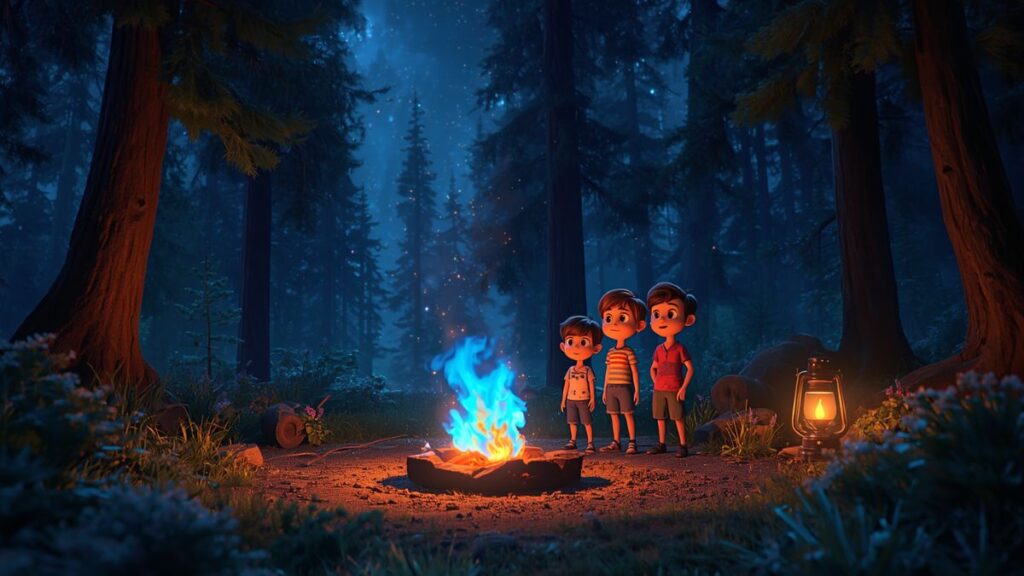
The Campfire That Burned with Blue Flames
Every summer, families from across the region visited Pine Lake National Park. The park was…
Goosebumps Style Short Stories in English

The Portrait That Blinked Only at Midnight
Emma Carter had always loved old houses. While her friends dreamed of amusement parks and…

The Forgotten Elevator to Floor Zero
Ben loved exploring old buildings. Unlike his friends, who rushed straight to the swimming pool…
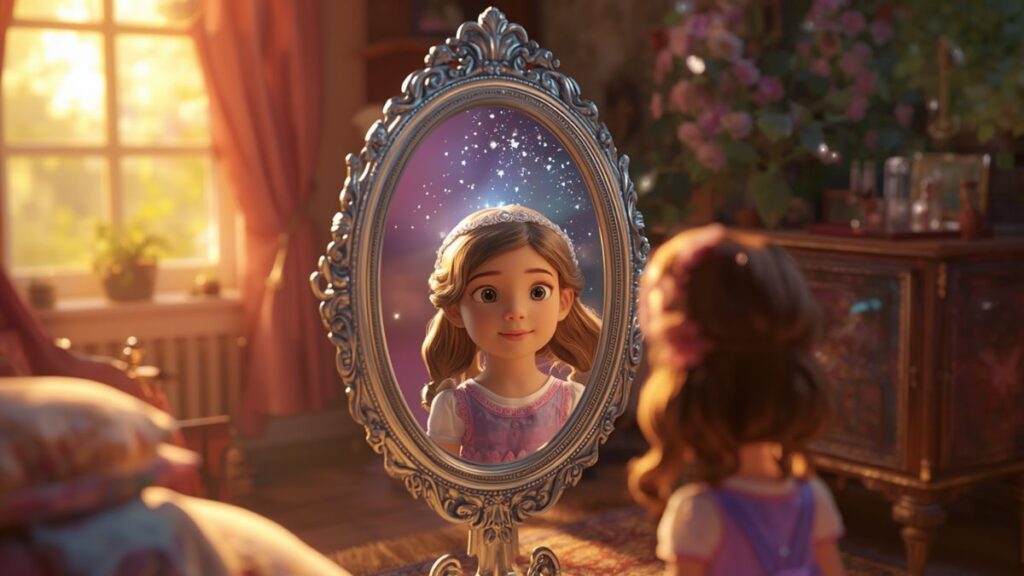
The Mirror That Borrowed Tomorrow’s Reflection
Every Saturday morning, the town of Maple Crossing came alive with its famous flea market….
Tips for Parents and Teachers
If you’re introducing spooky stories for the first time, a thoughtful approach can help children enjoy the excitement while feeling safe and confident. The goal is to make reading a positive experience that encourages curiosity rather than fear.
Here are some helpful tips for parents, teachers, and caregivers:
Choose age-appropriate stories
Select books that match the child’s age, reading level, and emotional maturity. Younger children usually enjoy gentle mysteries with happy endings, while older readers may appreciate more suspenseful adventures.
Read together before independent reading
Sharing the story aloud allows adults to answer questions, explain unfamiliar situations, and reassure children if they become nervous.
Encourage children to ask questions
Invite them to predict what might happen next, identify clues, and discuss possible solutions to the mystery. This makes reading more interactive and strengthens critical thinking skills.
Discuss how the characters solved problems
Talk about the choices the characters made, how they showed courage, worked as a team, or stayed calm during mysterious situations.
Remind children that the stories are fictional
Reinforcing that the events and characters are imaginary helps children separate fantasy from reality and enjoy the suspense without unnecessary fear.
Pay attention to the child’s reactions
If a story seems too intense, pause reading, answer any questions, and offer reassurance. Every child has a different comfort level, and it’s perfectly fine to choose a gentler story if needed.
Focus on positive themes
Highlight lessons about bravery, kindness, curiosity, friendship, teamwork, honesty, and problem-solving rather than the scary elements of the story.
After finishing the story, encourage children to talk about their favorite characters, the biggest surprise, or how they would have solved the mystery. These conversations improve reading comprehension, build confidence, and make story time even more enjoyable.
Printable and Classroom Activities
Deadtime stories can become much more than enjoyable reading experiences. With a few creative activities, parents and teachers can turn these stories into engaging lessons that build literacy, imagination, and problem-solving skills.
Whether used at home, in the classroom, or during library programs, these activities encourage children to think more deeply about the story while having fun.
Try activities such as:
- Writing a new ending. Encourage children to imagine a different conclusion or create an unexpected twist to the mystery.
- Drawing the mysterious setting. Have students illustrate the haunted house, enchanted forest, old lighthouse, or secret tunnel described in the story.
- Creating a treasure map. Let children design a map showing hidden clues, secret paths, and the location of a mysterious treasure.
- Designing a friendly ghost character. Ask students to invent a ghost with a unique personality, special abilities, and a positive role in the story.
- Acting out favorite scenes. Role-playing helps children understand characters, practice communication skills, and build confidence.
- Predicting what happens next. Pause the story before the ending and invite children to guess how the mystery will be solved using clues from the story.
- Writing clues for classmates to solve. Children can create their own mini mystery by writing a series of clues that lead to a hidden object or surprise.
You can also extend the learning with additional activities such as creating comic strips, designing book covers, making story sequencing cards, writing character diaries, or inventing a brand-new spooky adventure with a happy ending.
These hands-on activities strengthen reading comprehension, vocabulary, creative writing, and critical thinking while making deadtime stories even more memorable and enjoyable for young readers.
How to Write Your Own Deadtime Story
Creating an original deadtime story is a fun way for children to practice creative writing while using their imagination. By combining mystery, adventure, and a light spooky atmosphere, young writers can craft exciting stories that entertain without becoming too frightening.
A good children’s deadtime story follows a simple structure that keeps readers curious from beginning to end.
Start with:
- A curious main character
- An unusual setting
- A mysterious event
- Several clues
- A surprising but positive ending
For example, the main character could discover a glowing key in an old attic, hear strange whispers in a library, or notice mysterious footprints leading into a forest. As the story unfolds, each clue brings the character closer to solving the mystery.
Encourage children to ask themselves questions such as:
- What mystery needs solving?
- Who can help the main character?
- What clues appear along the way?
- What unexpected twist will surprise the reader?
- How will the mystery end happily?
Remind young writers that the best children’s spooky stories focus on curiosity and adventure rather than fear. Friendly ghosts, magical creatures, enchanted objects, and hidden treasures often make stories exciting while keeping them age-appropriate.
Once the first draft is complete, children can add illustrations, create a book cover, or read their story aloud to family members or classmates. Sharing their work helps build confidence and inspires new storytelling ideas.
Writing original deadtime stories encourages creativity, strengthens vocabulary, improves storytelling skills, and helps children discover that even the biggest mysteries can have heartwarming endings.
Final Thoughts
Deadtime stories for kids combine suspense, mystery, humor, and adventure in ways that encourage reading without overwhelming young audiences. Whether children enjoy mysterious forests, magical libraries, friendly ghosts, secret tunnels, or unusual discoveries, these stories provide exciting adventures that end with reassurance, valuable lessons, and satisfying conclusions.
Unlike traditional horror, age-appropriate deadtime stories focus on curiosity, problem-solving, and imagination. They encourage children to think critically, follow clues, and cheer for brave characters who overcome mysterious challenges through courage, teamwork, and kindness rather than fear.
From the best deadtime stories for kids to short deadtime stories for kids, from mildly creepy campfire tales for kids to gateway horror audio stories for students, and goosebumps style short stories in English, there are countless ways to introduce young readers to the exciting world of gentle suspense.
Whether you’re a parent looking for fun bedtime reading, a teacher searching for engaging classroom materials, or a librarian building a collection of age-appropriate mysteries, deadtime stories offer something for every young reader. They can be enjoyed through books, printable activities, audiobooks, podcasts, or family storytelling sessions, making them a versatile choice for both learning and entertainment.
When chosen carefully, these stories inspire curiosity, strengthen reading comprehension, expand vocabulary, spark creativity, and help children build confidence as they solve mysteries alongside memorable characters. Most importantly, they show that even the most mysterious adventures often end with friendship, hope, and valuable life lessons.
As children continue exploring these imaginative tales, they develop a love for reading while discovering that the greatest mysteries are not always the scariest. Sometimes, they lead to unexpected friendships, magical discoveries, and unforgettable adventures that stay with young readers long after the final page.