Horror often feels strongest when it says the least. 100 Two Sentence Horror Stories shows how two-sentence horror uses economy to force the reader into the story. The first sentence sets a normal scene. The second sentence turns that scene into something else. The result is immediate, intimate, and lasting.
These tiny shocks work because the reader completes the story. That completion is personal. The image you form will be different from the next reader’s image, and that private fear is what makes micro-horror so effective.
This collection of 100 Two Sentence Horror Stories explores many kinds of fear: the mind unraveling, ghosts that feel close enough to touch, the betrayal of home, modern digital dread, the body turning against itself, being truly alone, and endings that reveal everything. Read slowly. Let each ending land. Come back when you are ready.
How to Read These Stories
Two-sentence horror benefits from attention. Try the following.
- Read one story at a time.
- Pause at least five to ten seconds after the second sentence. Let the implication grow.
- Read some aloud. The cadence often adds weight.
- If a story feels triggering, skip it and come back later. Use the content guide provided below.
- Explore sections by theme to control intensity. You can stop after one section or read multiple if you prefer higher tension.
Reading in low light or at night changes perception, but only choose that if you are comfortable. The point is to give each story space to breathe.
Accessibility and Representation Note
This collection aims to include varied voices, settings, and types of fear. Stories draw on different cultures, ages, genders, abilities, and life experiences. Where sensitive themes appear, content warnings are provided so readers can choose what to read.
If you are publishing this online, include clear labels for sections that may affect readers, for example: medical triggers, child-related content, self-harm mentions, or extreme body horror. Add skip links so readers can avoid those sections easily.
Use inclusive language throughout the article, and when calling for reader submissions, invite writers from diverse backgrounds. Consider translating a selection into multiple languages or adding cultural notes for region-specific references.
100 Two Sentence Horror Stories
Fear doesn’t always need a long story. In just two sentences, these 100 horrors will sneak into your mind, twist the familiar into the terrifying, and leave you questioning what’s real long after you’ve read the last word.
Psychological Horror (Stories 1–20)
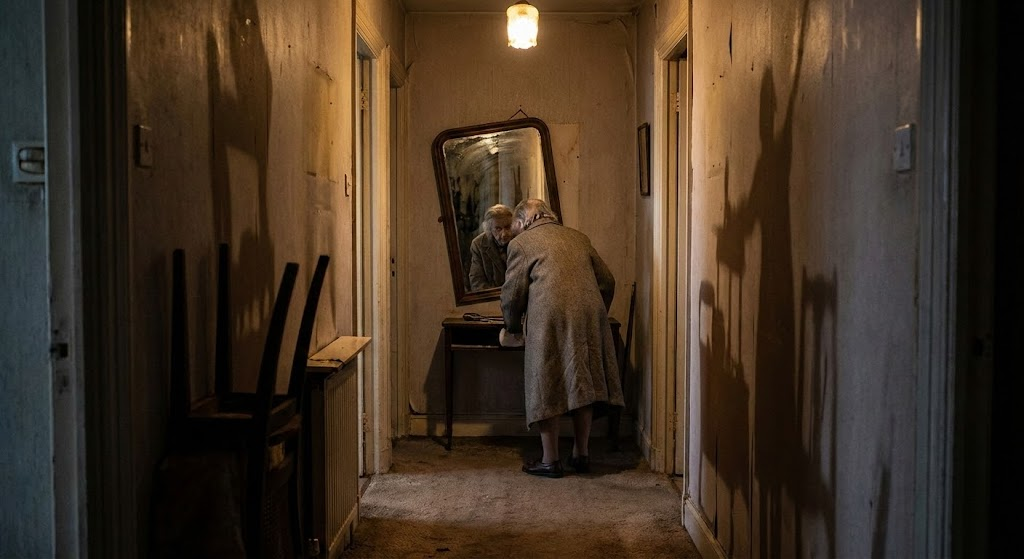
Theme: Fear rooted in the mind and perception.
What you will find: paranoia, unreliable memory, identity fractures, intrusive thoughts, the sensation of being watched.
Representative settings and voices
- An elderly person who questions whether the visitor is real.
- A commuter who remembers their stop differently each day.
- A student whose inner voice gives instructions they cannot control.
- A person with early dementia who finds a photograph that contradicts their memory.
Emotional range
- Quiet dread.
- Growing suspicion.
- Small revelations that suggest a larger collapse of reality.
Reading tip
- Focus on short, sensory words. Often psychological horror gains power by naming an ordinary detail and then changing its meaning.
Representation note
- Include characters across ages, neurotypes, and cultural backgrounds. Paranoia and memory loss affect many communities; reflecting that broad impact creates more resonant stories.
Stories
1. The Wrong Side
The old man waved at the visitor through the door chain, relieved someone had finally come. When the visitor waved back from inside the mirror behind him, he forgot which side of the door he was on.
2. Changing Stops
Every morning, the train announcement named a different stop as her destination. Each one felt familiar, and none of them matched the map in her bag.
3. Second Voice
The voice in his head told him to check the lock again, just to be safe. When he refused, the voice whispered, “Then I will.”
4. Proof of Joy
She found a photograph of herself smiling at a birthday party she did not remember attending. On the back, in her handwriting, it said, “You enjoyed this before you forgot why.”
5. The Empty Room
The nurse reassured him that the room was empty. He nodded, because the person standing behind her had asked him not to say anything.
6. Do Not Trust the Notes
He began writing reminders on sticky notes to help with his memory. One morning, he found a new note on his door that read, “Do not trust the notes.”
7. Instructions
The student followed the instructions in their head because they were always correct. The first time they were wrong was also the first time someone got hurt.
8. Careful Footsteps
She kept hearing footsteps in her apartment at night, slow and careful. When she stayed awake to catch the sound, the footsteps stopped, as if they had noticed.
9. Correcting the Story
The therapist asked him when the thoughts first began. He answered honestly, even though the thoughts were quietly correcting his story as he spoke.
10. Morning Wave
He waved to his neighbor every morning from the balcony. One day, the neighbor waved back from inside his own living room.
11. Delayed Blink
Her reflection blinked a moment after she did. She smiled, hoping it was stress, and the reflection smiled wider.
12. Two Cups
The elderly woman laid out two cups of tea, as she always had. When she drank both, she apologized aloud for forgetting someone again.
13. Familiar Tone
The voice in her head sounded like her mother, calm and patient. That was how she knew it was lying.
14. Still Warm
He remembered locking the door, checking it twice before bed. In the morning, the lock was still warm.
15. Wake Up
She set alarms on her phone to ground herself in reality. One alarm went off labeled, “Wake up,” even though she was already standing.
16. Unknown Relative
The commuter finally recognized the man who sat beside him every day. It was the same face he saw in old family photos, always labeled “unknown.”
17. Lost Minutes
He started losing time in small pieces, a few minutes here and there. The problem was that something else seemed to be using it.
18. Reassurance
Her inner voice told her she was safe, over and over. It only stopped when she asked what they were hiding from.
19. Unowned Camera
The photograph showed her asleep in her own bed, taken from the doorway. She did not own a camera.
20. Crossed Out
He wrote his name on his wrist so he would not forget it. When he woke up, the name was crossed out.
Supernatural Encounters (Stories 21–40)
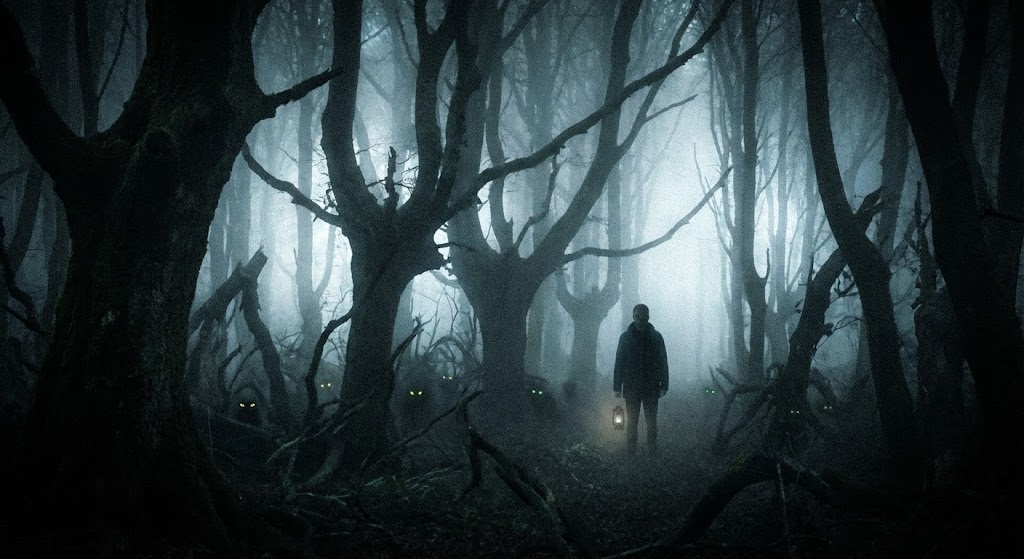
Theme: Entities and phenomena that defy everyday logic.
What you will find: ghosts, shadow figures, haunted reflections, poltergeist-like hints, whispered presences.
Representative settings and voices
- A caretaker in a colonial house in South India hearing a lullaby that is not from any current resident.
- A night-shift nurse hearing a patient call their name from across a locked ward.
- A teenager who notices their reflection slow to copy them.
Sensory focus
- Smell and sound are often more effective than visual detail. A smell that should not be present can carry enormous weight.
Reading tip
- Use minimal proper nouns and let the setting imply culture without heavy exposition. A single regional detail can give the image depth and authenticity.
Representation note
- Respect cultural beliefs about spirits. When drawing from folklore, credit the cultural source and avoid appropriation. If the story uses motifs from a particular tradition, add a short note or link to resources that explain context.
21. The Third Shadow
Two shadows followed them down the street under the single lamp. They stopped walking when they realized only two of them were holding hands.
22. Knock Pattern
Every night, three soft knocks came from the inside of the closet door. When she finally opened it, the knocks continued from behind her.
23. Borrowed Voice
Her phone rang with her own number on the screen. When she answered, her voice asked why she was standing in its house.
24. The Unused Room
The guest room stayed locked because no one needed it. One morning, the bed was warm and neatly made.
25. Night Bus
The bus picked him up at a stop that did not exist during the day. None of the passengers blinked, even when the road ended.
26. Familiar Footsteps
He heard his father’s footsteps in the hallway long after the funeral. They stopped outside his bedroom door, just as they always had.
27. Open Invitation
The ritual only worked if the door was left slightly open. In the morning, the door was wide, and the house felt smaller.
28. Reflection Without Him
He leaned toward the mirror to check his face. The reflection stayed where it was.
29. Returned Object
She buried the locket with her sister, certain it was the right thing to do. It was back on her dresser that night, still damp with soil.
30. Reserved Seat
The old theater had one chair covered with a white cloth. The usher removed it when someone invisible arrived late.
31. The Name Spoken
Something whispered his name from the dark forest. It used the voice he remembered from childhood prayers.
32. Midnight Prayer
The temple bell rang at midnight without wind or hands. Villagers woke knowing someone had finally answered.
33. The Empty Swing
The playground swing moved slowly in the still air. Each creak came at the same height as a child who was not there.
34. After the Last Step
She heard footsteps behind her on the staircase. They continued even after she reached the bottom.
35. Wrong Funeral
He stood quietly at the cremation, unsure why it felt familiar. Then he saw his own shoes near the fire.
36. House That Breathes
The walls expanded slightly at night, then relaxed by morning. It felt like the house was sleeping around them.
37. Unanswered Call
The phone rang once at exactly 3 a.m. The voicemail contained only breathing, slow and patient.
38. The Locked Well
The village sealed the well years ago and posted warnings. At night, water sounds still rose to the surface.
39. Guest Who Stayed
They lit the lamp to guide the spirit home before dawn. When the sun rose, the lamp was still warm.
40. Shared Dream
They described the same dream over breakfast without looking at each other. Both remembered waking when something else did.
Family and Home Horror (Stories 41–55)
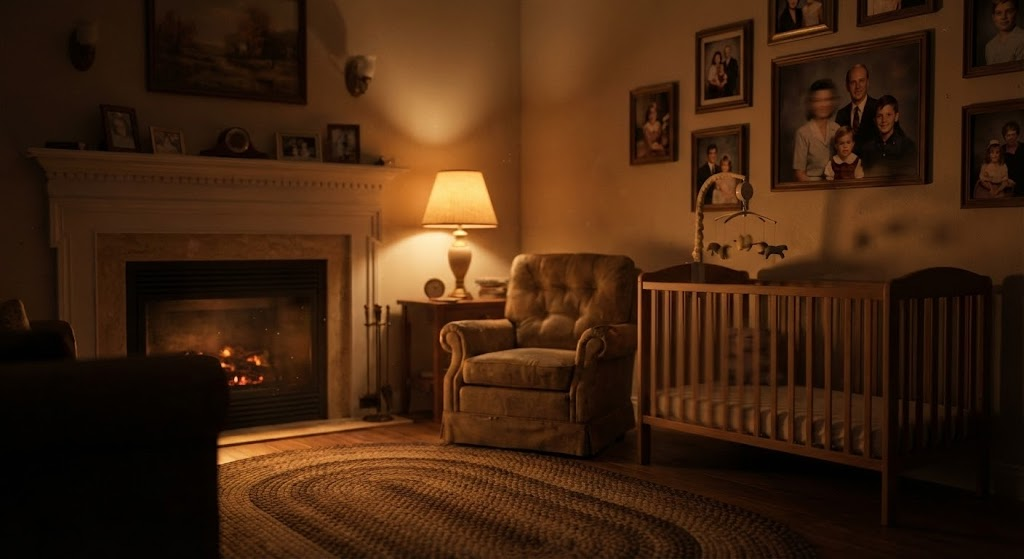
Theme: Intimacy turned threatening.
What you will find: secrets inside families, children who claim impossible knowledge, voices in the house that are eerily familiar, small acts of betrayal.
Representative settings and voices
- A parent hearing their child hum a lullaby they never taught.
- A person returning to their childhood home and not recognizing the furniture arrangement.
- A relative who says something that hints at an unseen occupant.
Emotional focus
- The violation of trust.
- The small, domestic detail that shifts from comfort to alarm.
Reading tip
- Use ordinary home details to anchor the first sentence. The second sentence should twist meaning by recontextualizing that detail.
Representation note
- Show families in many forms: single parent, multigenerational households, queer families, chosen families. Domestic horror feels more universal when it reflects real diversity.
41. Same Bedtime
Every night, her mother kissed her forehead and turned off the light. Tonight, the kiss came again after the door had already closed.
42. Family Portrait
The framed photo in the hallway changed slowly over the years. Everyone aged except her.
43. The Extra Place
They set the table for four, as they always had. Only three of them remembered why.
44. Familiar Lullaby
The tune her grandmother used to hum drifted from the empty kitchen. It stopped the moment she said her grandmother’s name.
45. Wrong Routine
Her father came home at the usual time and washed his hands at the sink. She realized something was wrong when he did it twice without drying them.
46. Locked From Inside
The child’s bedroom door was locked, just as it should be. The knocking came from inside the room, asking to be let in.
47. Shared Closet
His wife’s clothes still hung neatly beside his. The problem was that she had been buried in them.
48. Inherited Habit
He caught himself using his mother’s phrases after she died. One night, he heard her correct his tone.
49. The Crib Monitor
The baby monitor crackled softly at 2 a.m. A voice whispered, “She is still asleep,” before the crying began.
50. Sunday Visit
Grandfather’s chair rocked gently in the afternoon light. No one sat in it anymore, and no one dared to stop it.
51. Spare Key
They kept the spare key hidden under the same stone for years. One evening, the door was already unlocked.
52. Home Video
The old tape showed a birthday party they did not remember filming. Someone behind the camera told them to smile.
53. The Basement Rule
The rule was simple and never explained. No one went into the basement after dark, especially not the voices.
54. Shared Name
She named her son after her late brother. Sometimes, he answered before she called.
55. Still Here
They packed up the house carefully after the funeral. The house did not feel empty enough.
Technology and Modern Fear (Stories 56–65)
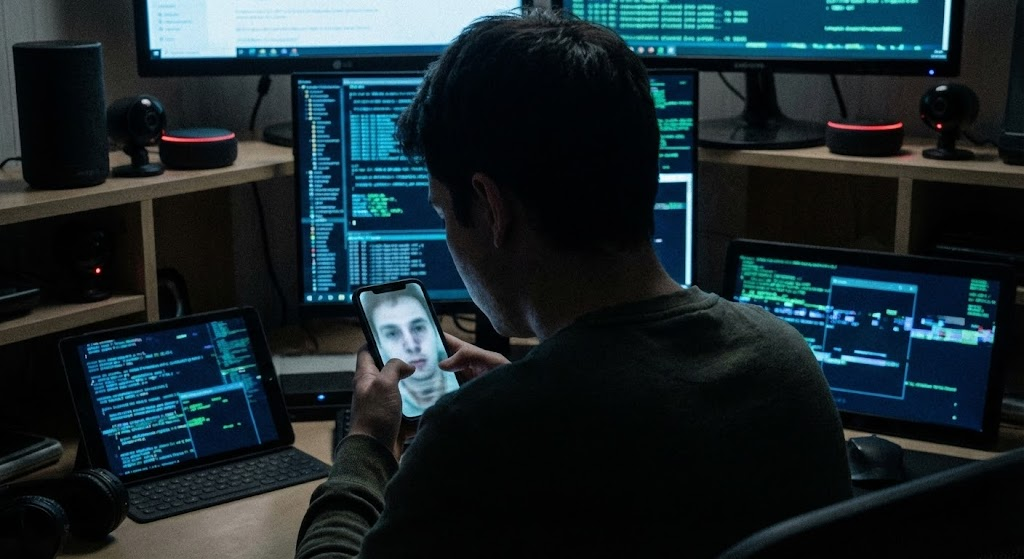
Theme: Devices and networks that blur privacy and identity.
What you will find: cameras that record what you did not know you did, smart assistants that speak on their own, messages from impossible senders, social media that mirrors your most private thoughts.
Representative settings and voices
- A researcher in a co-working space whose laptop shows a file they never opened.
- A grandmother whose smart speaker plays the voice of a deceased partner.
- A content creator receiving a comment that only they and one other person could know.
Technical details that help
- Small cyber motifs like timestamps, camera frames, read receipts, and file names give realism without technical exposition.
Reading tip
- Keep technical terms to a minimum. Use details that feel current and slightly off, such as a timestamp a minute ahead, or a selfie showing someone not present.
Representation note
- Include global digital experiences. Not all readers use the same platforms. Mention a variety of devices and contexts, including low-tech surveillance common in some regions.
56. Last Seen
Her phone showed she was online five minutes ago. She had been asleep for hours.
57. Auto Update
The smart speaker announced it was installing an update. Afterward, it knew things she had never said out loud.
58. Face Recognition
The door unlocked instantly when it saw his face. The alert read, “Match confidence: declining.”
59. Draft Message
He found a text saved in his drafts addressed to his mother. It was timestamped tomorrow.
60. Screen Glare
His laptop reflected a faint figure behind him in the dark screen. When he turned around, the screen went black.
61. Cloud Backup
She restored her old photos from the cloud. New memories appeared between them.
62. Voice Match
The bank assistant failed to verify his voice. It apologized for the inconvenience of identity loss.
63. Smart Crib
The app showed the baby sleeping peacefully. The crib was empty.
64. Location History
Her map timeline recorded a visit to her house at 3 a.m. She was still driving home then.
65. System Warning
The emergency alert sounded on every phone at once. It warned them not to look at their screens.
Medical and Body Horror (Stories 66–75)
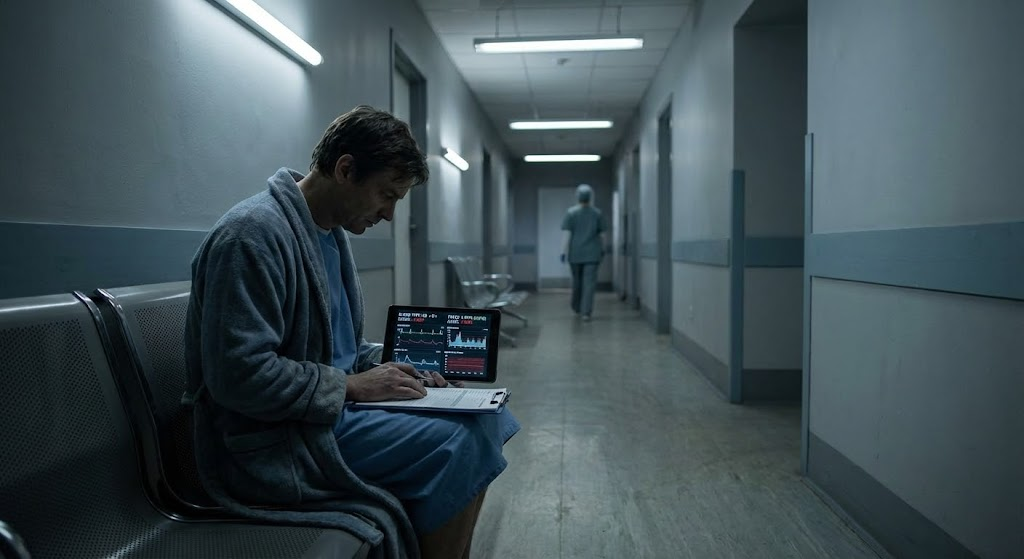
Theme: The body betraying the self.
What you will find: unexplained pain, medical test results that turn routine into dread, small changes that imply something larger.
Representative settings and voices
- A patient reading their own test result in a hospital corridor.
- A caregiver noticing small marks that multiply overnight.
- Someone discovering an object beneath their skin that should not be there.
Sensitivity and triggers
- Mark this section clearly with a content warning. Provide a skip link. Medical fear is common and often tied to trauma.
Reading tip
- Focus on tactile details and clinical language. The coldness of a hospital phrase can be more frightening than graphic description.
Representation note
- Include experiences across different healthcare systems. A clinic in a small town will feel different from a major metropolitan hospital. Show how fear intersects with access to care, class, and geography.
66. Test Results
The doctor said the results were normal and smiled. The report in her hand was addressed to someone with her name.
67. Numbness
He could not feel his left arm all morning. When sensation returned, it brought a grip that was not his.
68. After the Scan
The technician asked her to wait outside the room. The scan was still running.
69. Side Effects
The medicine listed possible hallucinations on the label. The hallucinations listed her schedule back.
70. Surgical Consent
She signed the form while still groggy from anesthesia. The signature looked practiced.
71. Recovery Room
They told him the surgery was a success. That explained why he could feel something healing inside him.
72. Vital Signs
The monitor beeped steadily through the night. It did not change after the bed was empty.
73. Organ Donor
He received a transplant and wrote a letter of thanks. The reply arrived in his handwriting.
74. Physical Therapy
The therapist guided her movements with calm precision. Her body remembered the routine before she did.
75. Diagnosis Pending
The nurse said the delay was nothing to worry about. The chart at the foot of the bed was already closed.
Survival and Isolation Horror (Stories 76–85)
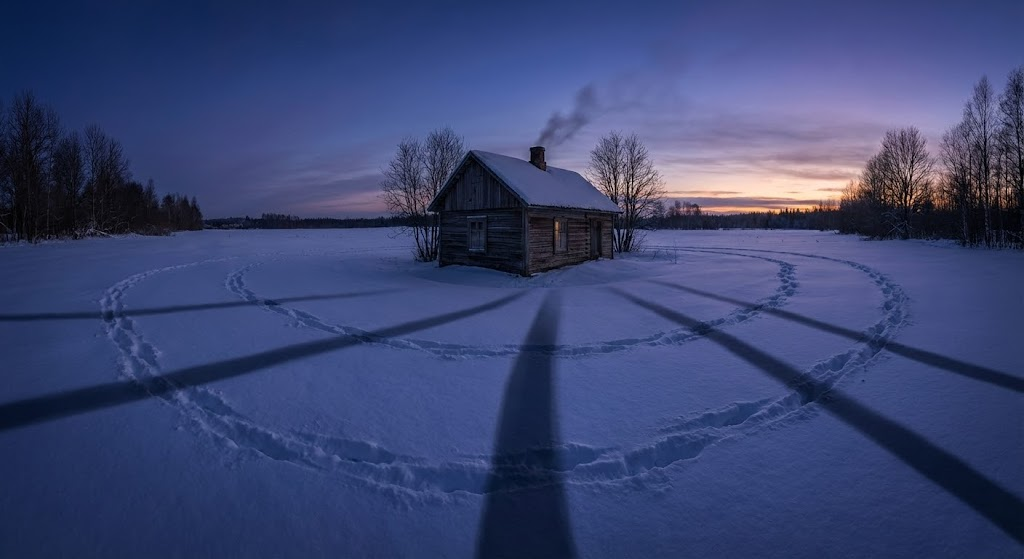
Theme: Alone and cut off from help.
What you will find: being trapped, lost on the road, stranded on water, abandoned buildings, final moments.
Representative settings and voices
- A long-distance trucker finding something in the back of the trailer.
- A mountaineer realizing their GPS is wrong and the path behind them is erased.
- A fisherman seeing lights on the horizon that do not move the way boats should.
Emotional focus
- The slow accumulation of dread.
- The mind inventing company or menace in total quiet.
Reading tip
- Build tension with environmental sounds and their absence: wind, water, footsteps that stop.
Representation note
- Off-grid experiences vary widely across cultures and climates. Include deserts, tundra, tropical islands, and urban rooftops to broaden the sense of isolation.
76. Final Supply
He counted the remaining cans for the third time that day. One was already open.
77. Radio Check
The emergency radio crackled with a clear voice. It was reading his thoughts in order.
78. Footprints
Fresh footprints circled the cabin each morning. They never led away.
79. Last Light
The generator failed just before nightfall. The dark arrived faster than it should have.
80. Rescue Flare
She fired the flare straight into the empty sky. Something answered from below the clouds.
81. Unmanned Station
The research station logs stopped six months ago. The coffee in the break room was still warm.
82. Hunger
He stopped feeling hungry after the fifth day. That was when the smell of cooking started.
83. Silent Companion
She spoke aloud to stay sane. The replies came too quickly.
84. Closed Door
The bunker door sealed automatically behind him. The countdown began without explanation.
85. Alone
He wrote “still alive” in the dust every morning. One day, someone corrected his spelling.
Dark Twists and Final Reveals (Stories 86–100)
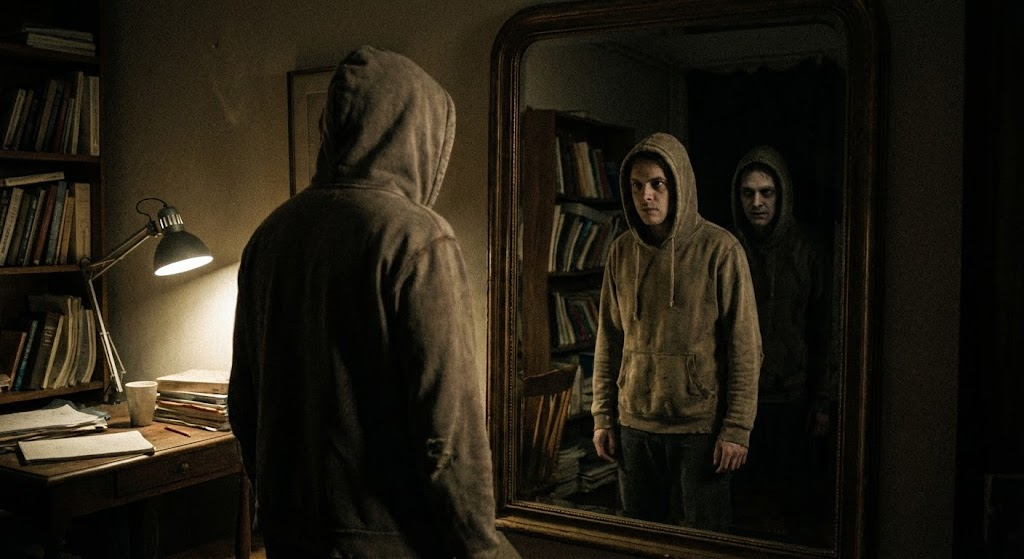
Theme: Reversals that rewrite meaning.
What you will find: endings that force the reader to rethink the opening, guilt revealed as fact, identity swapped, consequences made visible.
Representative settings and voices
- A small confession that turns a memory into a crime.
- An address that proves a narrator was never at home.
- A note left for someone who is no longer alive.
Emotional focus
- The weight of hindsight.
- The slow dawning of realization that cannot be undone.
Reading tip
- The second sentence should act like a mirror that changes what the first sentence reflected.
Representation note
- Let endings reflect varied moral and cultural frameworks. What counts as a twist in one context may read differently elsewhere. This diversity enriches the collection.
86. Wrong Funeral
He attended the funeral of his best friend. When the casket opened, it held his own face.
87. Unsent Letter
She found a letter addressed to her in her own handwriting. She had never written it.
88. Familiar Stranger
The stranger smiled and called her name. It was her own voice she hadn’t recognized in years.
89. Empty Cradle
The baby slept soundly in the crib. When she checked again, the room was empty and the crib made small movements.
90. Reversed Time
He watched the clock run backward. Every step he took also reversed, except one.
91. Missing Reflection
She touched the mirror and expected to see herself. Nothing moved behind the glass.
92. Duplicate
He met someone who knew every detail of his life. The problem was that he didn’t know them.
93. Forgotten Child
A child ran toward her yelling “Mom!” She had never had children.
94. The Locked Room
He found a door that had never been there. Inside, everything in his house was exactly the same, except for him.
95. Conflicting Memories
They argued about events they both remembered clearly. The room whispered a third version neither had lived.
96. Returned Item
The lost heirloom appeared on her desk. It bore scratches she didn’t remember making.
97. Wrong Partner
He kissed the face he had loved for years. It blinked, unrecognizable.
98. Echoed Words
She spoke into the phone, calling for help. Her own voice whispered back from the dark.
99. Identity Swap
He woke up in a stranger’s bed. The stranger was still in his own.
100. The Last Page
The diary ended with “Tomorrow, you will know.” She read it today.
Bonus: Why Two-Sentence Horror Works
Two sentences create an economy of meaning. The first sentence invites trust. The second sentence takes it away. That quick reversal forces the reader to fill in details, and those filled details are rooted in personal memory and fear. The form is an exercise in implication, and implication is where imagination lives.
When writing or editing, aim for clarity in the first sentence and implication in the second. Avoid needless adjectives. Choose one precise concrete image rather than many vague phrases.
Writing Tips and Templates for Creators
Two sentences. Endless fear. Learn the exact writing tricks behind 100 viral two-sentence horror stories and steal the templates creators actually use.
Practical mini-guide
- Start with a normal action: folding laundry, checking a message, tucking a child in.
- Add a precise sensory detail: a humming fridge, a smell of old smoke, a whispered word.
- Let the second sentence change context or reveal a fact that makes the first sentence ominous.
- Keep names and dates minimal. Names can anchor but also limit imagination.
Templates to try
- [Normal detail]. [Reveal that the normal detail belongs to someone else].
- [Domestic routine]. [Unexpected knowledge or sound].
- [Medical check]. [Result that cannot be explained].
- [Photo or video detail]. [Something in the image that should not be there].
Encourage diverse inputs
- Invite writers from different age groups, regions, languages, and abilities. Small cultural cues can shift a tale from familiar to quietly uncanny.
Conclusion
Horror can be intimate and universal. Two-sentence horror is a way of sharing short, concentrated moments that linger because they ask the reader to participate. If you enjoyed this structure, try writing five yourself. Share your favorites in the comments and credit your cultural influences.
Save the page for late-night reading. Share with someone who loves compact scares. Submit your own two-sentence horror using the guidelines above, and tell us where you are writing from so we can represent global voices.