Telugu Gay Stories have become an increasingly popular genre among readers looking for stories that explore love, identity, friendship, acceptance, and personal growth from an LGBTQ+ perspective. While mainstream literature and entertainment have traditionally focused on heterosexual relationships, Telugu Gay Stories provide representation for experiences that have often been overlooked.
These stories are not just about romance. They frequently explore emotional connections, family relationships, self-discovery, societal expectations, and the journey toward self-acceptance. As awareness and acceptance of LGBTQ+ communities continue to grow, more readers are seeking Telugu Gay Stories that offer authentic characters, meaningful narratives, and relatable experiences.
Whether based on real-life experiences or fictional journeys, Telugu Gay Stories provide a platform for voices and perspectives that deserve to be heard.
What Are Telugu Gay Stories?
Telugu Gay Stories are stories written in the Telugu language that feature gay characters, relationships, and experiences as central elements of the narrative.
These stories can take many forms, including:
- Short stories
- Novels
- Personal experiences
- Coming-of-age stories
- Romantic fiction
- Drama and emotional narratives
- Online community stories
The best Telugu Gay Stories focus on character development, emotions, and personal journeys rather than relying solely on romance.
Why Telugu Gay Stories Are Becoming More Popular
The growing popularity of Telugu Gay Stories reflects broader changes in society and literature.
Increased Representation
Readers want stories that reflect diverse experiences and identities. Telugu Gay Stories help fill this gap by providing representation that many readers have not traditionally seen in regional literature.
Relatable Emotional Journeys
Themes such as love, friendship, acceptance, fear, and personal growth are universal. Even readers who do not share the same experiences can connect with the emotions portrayed in these stories.
Community and Connection
For many readers, Telugu Gay Stories provide a sense of connection and understanding. Seeing similar experiences reflected in literature can be meaningful and reassuring.
Expanding Literary Diversity
As storytelling evolves, readers increasingly appreciate narratives that explore different perspectives and life experiences.
Common Themes in Telugu Gay Stories
Although every story is unique, several themes frequently appear in Telugu Gay Stories. These themes help readers connect with the characters and their emotional journeys.
Self-Discovery
Many Telugu Gay Stories follow characters as they learn more about themselves and come to understand their feelings, identity, and future aspirations. This journey of self-discovery often serves as the foundation of the story.
Friendship
Supportive friendships frequently play an important role in Telugu Gay Stories. Trusted friends often provide encouragement, guidance, and emotional support during difficult moments.
Acceptance
Acceptance is one of the most common themes found in Telugu Gay Stories. Characters may seek understanding from family, friends, society, or themselves as they learn to embrace who they are.
Love and Relationships
Many Telugu Gay Stories explore emotional connections, trust, companionship, and the challenges that can arise in romantic relationships. These stories often focus on the emotional side of love rather than just the relationship itself.
Personal Growth
Characters often experience significant personal growth as they overcome obstacles, face social pressures, and gain confidence in themselves. By the end of the story, they are usually stronger, more self-aware, and more comfortable with their identity.
Together, these themes give Telugu Gay Stories their emotional depth and make them relatable to readers who enjoy character-driven storytelling and meaningful personal journeys.
Telugu Gay Stories
Not every story about love begins with certainty. Some begin with questions, silence, and the courage to finally understand yourself.
1. తనను తాను తెలుసుకున్న అర్జున్ (Self-Discovery)
అర్జున్ ఎప్పుడూ ఏ వాదనలోనూ ఓడిపోయిన దాఖలాలు లేవు.
కనీసం కాలేజీలో అందరూ అలాగే అనుకునేవారు.
అతనికి ఏ విషయం ఇచ్చినా, దానిపై అనుకూలంగా లేదా ప్రతికూలంగా మాట్లాడేందుకు కొన్ని నిమిషాలే చాలు. ఎదుటివారు చెప్పే ప్రతి పాయింట్కు సమాధానం సిద్ధంగా ఉండేది. క్లిష్టమైన విషయాలను సులభంగా వివరించగలడు. ప్రశ్నలను తెలివిగా ఎదుర్కొనేవాడు. తన వాదనను నమ్మకంగా వినిపించేవాడు.
అతని ప్రొఫెసర్లు అతని తెలివితేటలను ప్రశంసించేవారు.
క్లాస్మేట్స్ అతని ఆత్మవిశ్వాసాన్ని గౌరవించేవారు.
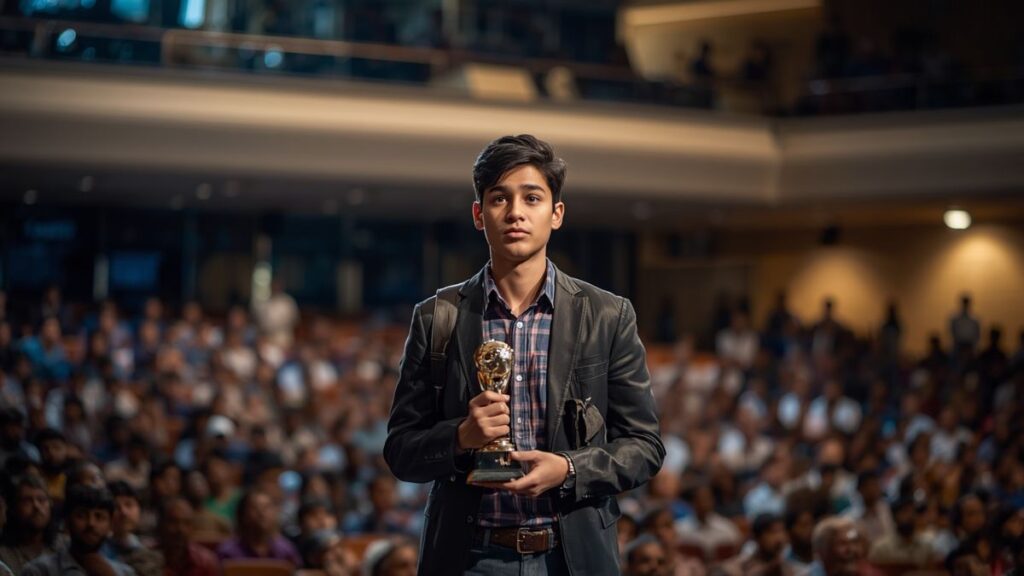
కాలేజీ డిబేట్ పోటీల్లో గెలుచుకున్న ట్రోఫీలతో అతని హాస్టల్ గదిలో ఒక పూర్తి షెల్ఫ్ నిండిపోయింది.
స్టేజ్ మీద నిలబడినప్పుడు అర్జున్ ఎప్పుడూ తనకు సమాధానం తెలుసన్నట్లుగా కనిపించేవాడు.
కానీ స్టేజ్ దిగిన తర్వాత పరిస్థితి పూర్తిగా భిన్నంగా ఉండేది.
అతని మనసులో మాత్రం ఎన్నో ప్రశ్నలు ఉండేవి.
వాటిలో ఒక ప్రశ్నను అతను సంవత్సరాలుగా తప్పించుకుంటూ వచ్చాడు.
“నేను నిజంగా ఎవరు?”
ఈ ప్రశ్నకు ఎలాంటి డిబేట్ నైపుణ్యం అతనికి సహాయం చేయలేకపోయింది.
చదువే ప్రపంచంగా మారిన బాల్యం
అర్జున్ హైదరాబాద్లో ఒక మధ్యతరగతి కుటుంబంలో పెరిగాడు.
అతని తల్లిదండ్రులకు విద్య అంటే ఎంతో గౌరవం.
“బాగా చదువు. మంచి ఉద్యోగం సంపాదించు. జీవితంలో స్థిరపడు.”
చిన్నప్పటి నుంచే అతను ఈ మాటలు వింటూ పెరిగాడు.
అతని తల్లిదండ్రులు అతనిపై ఒత్తిడి చేయాలని అనుకోలేదు. అతని భవిష్యత్తు బాగుండాలని మాత్రమే కోరుకున్నారు.
అర్జున్ కూడా వారి ఆశలను నెరవేర్చాలని ప్రయత్నించాడు.
పాఠశాలలో మంచి మార్కులు సాధించాడు.
పరీక్షల్లో ఎప్పుడూ ముందుండేవాడు.
క్విజ్ పోటీల్లో పాల్గొనేవాడు.
వ్యాసరచన పోటీల్లో బహుమతులు గెలుచుకునేవాడు.
డిబేట్ పోటీల్లో కూడా తన ప్రతిభను చూపించేవాడు.
చిన్న వయసులోనే అతనికి ఒక విషయం అర్థమైంది.
విజయం సాధించడం చాలా సులభం.
దానికి ఒక సులభమైన ఫార్ములా ఉంది.
చదువు.
కష్టపడు.
లక్ష్యాన్ని పెట్టుకో.
దాని కోసం పనిచేయి.
విజయం సాధించు.
కానీ భావోద్వేగాలకు అలాంటి ఫార్ములా లేదు.
వాటిని ఎలా అర్థం చేసుకోవాలో ఎవరూ అతనికి నేర్పలేదు.
అందుకే జీవితంలో ఏదైనా గందరగోళంగా అనిపించినప్పుడు అర్జున్ పుస్తకాలలోకి వెళ్లిపోయేవాడు.
ఎవరితోనైనా తన భావాలను మాట్లాడటం కష్టంగా అనిపిస్తే చదువులో మునిగిపోయేవాడు.
ఏదైనా ప్రశ్న తన మనసును కలవరపెడితే కొత్త లక్ష్యాన్ని పెట్టుకునేవాడు.
అలా క్రమంగా చదువు అతనికి కేవలం విద్య కాకుండా ఒక రక్షణగా మారింది.
విజయాల వెనుక దాగిన ప్రశ్నలు
కాలేజీలో చేరే సమయానికి అర్జున్ తనను తాను ఎప్పుడూ బిజీగా ఉంచుకోవడం నేర్చుకున్నాడు.
ఉదయం క్లాసులు.
మధ్యాహ్నం అసైన్మెంట్లు.
సాయంత్రం డిబేట్ ప్రాక్టీస్.
వారాంతాల్లో పోటీలు.
మధ్యలో స్నేహితులతో కొంత సమయం.
అతని క్యాలెండర్ ఎప్పుడూ ఖాళీగా ఉండేది కాదు.
బయటి ప్రపంచానికి అతని జీవితం అద్భుతంగా కనిపించేది.
అతను తెలివైన విద్యార్థి.
మంచి వక్త.
గెలిచే డిబేటర్.
అందరికీ నచ్చే వ్యక్తి.
కానీ అతని మనసులో మాత్రం ఒక ఖాళీ ఉండేది.
అతని స్నేహితులు ప్రేమ, క్రష్లు, సంబంధాలు, భవిష్యత్తులో పెళ్లి గురించి మాట్లాడుకునేవారు.
అలాంటి సమయంలో అర్జున్ ఎక్కువగా మౌనంగా ఉండేవాడు.
ఎవరైనా అతన్ని అడిగితే నవ్వుతూ మాట మార్చేవాడు.
“ఇప్పుడే ఇవన్నీ ఎందుకు? ముందు కెరీర్ చూసుకోవాలి.”
అది అతను ఇతరులకు చెప్పిన సమాధానం.
అదే సమయంలో తనకు తాను కూడా చెప్పుకునే సమాధానం.
కానీ ఆ సమాధానం పూర్తిగా నిజం కాదని అతనికి లోపల ఎక్కడో తెలుసు.
తనకు సంబంధాలు అవసరం లేదా?
తాను ఇంకా సిద్ధంగా లేడా?
లేక తన గురించి తనకే తెలియని ఏదైనా విషయం ఉందా?
ఈ ప్రశ్నలు అతనిని కొన్నిసార్లు రాత్రిళ్లు నిద్రపోనివ్వవు.
అయితే మరుసటి రోజు ఉదయం లేచిన వెంటనే వాటిని మళ్లీ మనసులోని ఒక మూలకు తోసేసేవాడు.
“ఇది తాత్కాలిక గందరగోళం మాత్రమే.”
అతను తనను తాను ఓదార్చుకునేవాడు.
“కొంతకాలం తర్వాత అన్నీ క్లియర్ అవుతాయి.”
కానీ కాలం గడిచింది.
ప్రశ్నలు మాత్రం అలాగే ఉన్నాయి.
రాహుల్తో పరిచయం
అర్జున్ జీవితంలో నిజమైన మార్పు అతని రెండో సంవత్సరం కాలేజీలో మొదలైంది.
ఒకరోజు జరిగిన పెద్ద డిబేట్ పోటీలో అర్జున్ మళ్లీ గెలిచాడు.
పోటీ ముగిసిన తర్వాత అతని కొంతమంది క్లాస్మేట్స్ దగ్గరలోని టీ షాప్కు వెళ్లాలని నిర్ణయించుకున్నారు.
వారిలో రాహుల్ కూడా ఉన్నాడు.
రాహుల్ అర్జున్కు అప్పటికే పరిచయం ఉన్న వ్యక్తే.
కానీ అప్పటివరకు వారిద్దరూ పెద్దగా మాట్లాడుకోలేదు.
రాహుల్ ఇతరులకంటే కొంచెం భిన్నంగా కనిపించేవాడు.
అతను అందరినీ మెప్పించడానికి ప్రయత్నించేవాడు కాదు.
ఎవరైనా తనను ఇష్టపడకపోయినా పెద్దగా పట్టించుకునేవాడు కాదు.
తనకు నచ్చిన విషయాల గురించి స్వేచ్ఛగా మాట్లాడేవాడు.
తన అభిప్రాయాలను చెప్పేటప్పుడు ఇతరులు ఏమనుకుంటారో ఎక్కువగా ఆలోచించేవాడు కాదు.
అతనిలో ఒక సహజమైన ప్రశాంతత ఉండేది.
అది అర్జున్ను ఆకర్షించింది.
ఆ రోజు టీ తాగుతూ రాహుల్ అర్జున్తో అన్నాడు.
“నువ్వు డిబేట్లో గెలవడం నీకు చాలా ఇష్టమా?”
అర్జున్ నవ్వాడు.
“అవును. బహుశా.”
“బహుశా?”
“గెలవడం ఇష్టం. కానీ ఎప్పుడూ గెలవాలనే ఒత్తిడి కూడా ఉంటుంది.”
రాహుల్ కాసేపు అతన్ని చూసి నవ్వాడు.
“అయితే నువ్వు గెలవడాన్ని ఇష్టపడుతున్నావా? లేక ఓడిపోవడాన్ని భయపడుతున్నావా?”
అర్జున్ వెంటనే సమాధానం చెప్పలేకపోయాడు.
అది ఒక చిన్న ప్రశ్న.
కానీ అది అతని మనసులో చాలా లోతుగా వెళ్లింది.
చివరకు నవ్వుతూ అన్నాడు.
“నువ్వు కూడా డిబేట్ మొదలుపెట్టావా?”
రాహుల్ నవ్వాడు.
“కాదు. నీకు నిజంగా ఏది ఇష్టమో తెలుసుకోవాలని అడిగాను.”
ఆ రోజు జరిగిన ఆ చిన్న సంభాషణను అర్జున్ పెద్దగా పట్టించుకోలేదు.
కానీ ఆ తర్వాత వారిద్దరి స్నేహం క్రమంగా పెరిగింది.
ఒక నిజమైన స్నేహం
రాహుల్తో అర్జున్ మాట్లాడే విషయాలు క్రమంగా మారాయి.
మొదట క్లాసులు.
తర్వాత పుస్తకాలు.
ఆ తర్వాత సినిమాలు.
తర్వాత భవిష్యత్తు.
కొంతకాలానికి వారు భయాల గురించి కూడా మాట్లాడుకున్నారు.
విఫలమవడం గురించి.
తల్లిదండ్రుల అంచనాల గురించి.
జీవితంలో ఏం కావాలో తెలియకపోవడం గురించి.
ఒకరోజు రాహుల్ తన చిన్ననాటి గురించి చెప్పాడు.
“నేను ఎప్పుడూ అందరికీ నచ్చేలా ఉండాలని ప్రయత్నించేవాడిని,” అన్నాడు. “ఒకరోజు అలా ఉండటం వల్ల నేను ఎవరో నేనే మర్చిపోతున్నానని అనిపించింది.”
అర్జున్ ఆశ్చర్యపోయాడు.
“అయితే ఏం చేశావు?”
“నన్ను నేను అర్థం చేసుకోవడం మొదలుపెట్టాను.”
“అది ఎలా చేస్తారు?”
రాహుల్ భుజాలు ఎగరేశాడు.
“నాకు కూడా పూర్తిగా తెలియదు. కానీ కనీసం ప్రశ్నల నుంచి పారిపోవడం ఆపేశాను.”
ఆ మాట అర్జున్ మనసులో నిలిచిపోయింది.
ప్రశ్నల నుంచి పారిపోవడం.
తాను అదే చేస్తున్నాడేమో?
అతను తన జీవితంలో ఎన్నో ప్రశ్నలకు సమాధానాలు చెప్పాడు.
కానీ తన గురించి వచ్చిన ప్రశ్నలకు మాత్రం ఎప్పుడూ తప్పించుకున్నాడు.
ఆ ఒక్క ప్రశ్న
ఒక సాయంత్రం కాలేజీలో జరిగిన కార్యక్రమం ముగిసిన తర్వాత అర్జున్, రాహుల్ ఇద్దరూ క్యాంపస్లో నడుస్తున్నారు.
చుట్టూ విద్యార్థులు నవ్వుకుంటూ మాట్లాడుకుంటూ వెళ్తున్నారు.
చెట్ల మధ్య నుంచి సాయంత్రపు వెలుతురు పడుతోంది.
అప్పుడు రాహుల్ అకస్మాత్తుగా అడిగాడు.
“నువ్వు ఎప్పుడైనా ఇలా అనిపించుకున్నావా?”
“ఎలా?”
“అందరూ నీ నుంచి ఏమి ఆశిస్తున్నారో, నువ్వు అదే వ్యక్తిగా మారడానికి ప్రయత్నిస్తున్నావని?”
అర్జున్ అడుగులు కొద్దిగా నెమ్మదించాయి.
అతను వెంటనే నవ్వాడు.
“కొన్నిసార్లు.”
రాహుల్ తల ఊపాడు.
“నాకూ అలాగే అనిపించేది.”
కొద్దిసేపు ఇద్దరూ మౌనంగా నడిచారు.
ఆ తర్వాత రాహుల్ మరో విషయం మాట్లాడటం ప్రారంభించాడు.
కానీ అర్జున్ మనసు మాత్రం అక్కడే ఆగిపోయింది.
నేను ఎంతవరకు నా కోసం జీవిస్తున్నాను?
ఎంతవరకు ఇతరుల అంచనాల కోసం?
నేను ఎంచుకున్న దారిలో ఎంత భాగం నిజంగా నాదే?
ఆ రాత్రి అతనికి నిద్ర పట్టలేదు.
మొదటిసారి అతను తనను తాను మోసం చేయకుండా ఆలోచించడానికి ప్రయత్నించాడు.
సమాధానాల కోసం కాదు, అర్థం చేసుకోవడానికి
ఇంతకాలం అర్జున్ ఏ ప్రశ్నకైనా వెంటనే సమాధానం వెతికేవాడు.
ఇప్పుడు మాత్రం అతను ఒక కొత్త పద్ధతిని ఎంచుకున్నాడు.
వెంటనే సమాధానం చెప్పకూడదు.
ముందుగా ప్రశ్నను అర్థం చేసుకోవాలి.
తన గురించి రాయడం మొదలుపెట్టాడు.
ఏ విషయాలు తనను నిజంగా సంతోషపరుస్తాయి?
ఏ విషయాలు తనకు ఒత్తిడిని కలిగిస్తాయి?
ఇతరులు తన గురించి ఏమనుకుంటారనే భయం తన నిర్ణయాలను ఎంతవరకు ప్రభావితం చేస్తోంది?
తనకు నిజంగా ఏ రకమైన సంబంధాలు కావాలి?
తన భావాలను ఎవరితో స్వేచ్ఛగా పంచుకోగలడు?
తనకు తాను ఎప్పుడు నిజాయితీగా ఉంటాడు?
ఈ ప్రశ్నలకు మొదట సమాధానాలు రావడం కష్టం.
కొన్ని పేజీలు ఖాళీగానే ఉండేవి.
కొన్ని సమాధానాలు మధ్యలో ఆగిపోయేవి.
కొన్ని ప్రశ్నలకు సమాధానం రాసి మరుసటి రోజు దాన్ని మళ్లీ మార్చేవాడు.
అయినా అతను ఆ ప్రక్రియను ఆపలేదు.
పుస్తకాలు చదివాడు.
వివిధ వ్యక్తుల అనుభవాలు విన్నాడు.
తన గతాన్ని గుర్తు చేసుకున్నాడు.
తనకు వచ్చిన భావాలను తీర్పు ఇవ్వకుండా గమనించడం నేర్చుకున్నాడు.
అతను ఒక ముఖ్యమైన విషయం గ్రహించాడు.
తనను తాను అర్థం చేసుకోవడానికి తొందర అవసరం లేదు.
నెమ్మదిగా మారుతున్న మనసు
కొన్ని నెలలు గడిచాయి.
అర్జున్లో పెద్దగా కనిపించే మార్పులు లేవు.
అతను ఇంకా డిబేట్ పోటీల్లో పాల్గొంటున్నాడు.
ఇంకా మంచి మార్కులు సాధిస్తున్నాడు.
ఇంకా తన తల్లిదండ్రులను గౌరవిస్తున్నాడు.
ఇంకా భవిష్యత్తు కోసం కష్టపడుతున్నాడు.
బయటి ప్రపంచానికి అతను దాదాపు అదే వ్యక్తి.
కానీ లోపల మాత్రం చాలా మారిపోయాడు.
ముందు తనలో ఏదైనా గందరగోళంగా అనిపిస్తే దాన్ని వెంటనే దాచిపెట్టేవాడు.
ఇప్పుడు దాన్ని అంగీకరించేవాడు.
ముందు ఇతరుల అంచనాలకు సరిపోకపోతే తాను తప్పు చేస్తున్నానని అనుకునేవాడు.
ఇప్పుడు ప్రతి వ్యక్తి జీవితం ఒకే విధంగా ఉండాల్సిన అవసరం లేదని అర్థం చేసుకున్నాడు.
ముందు తనకు అన్ని సమాధానాలు తెలియకపోవడం బలహీనతగా భావించేవాడు.
ఇప్పుడు తెలియకపోవడం కూడా జీవితంలో ఒక భాగమేనని అంగీకరించాడు.
అతని ఆత్మవిశ్వాసం కూడా మారింది.
ఇంతకు ముందు అతని ఆత్మవిశ్వాసం తన విజయాలపై ఆధారపడి ఉండేది.
ఇప్పుడు అది తనను తాను అంగీకరించుకోవడం నుంచి వచ్చింది.
అతను ఇంకా తన గురించి తెలుసుకుంటూనే ఉన్నాడు.
కానీ ఇప్పుడు ఆ ప్రయాణం అతనికి భయంగా అనిపించలేదు.
చివరి డిబేట్
కాలేజీ చివరి సంవత్సరం ముగిసే సమయంలో అర్జున్ మరోసారి ఒక పెద్ద జాతీయ స్థాయి డిబేట్ పోటీలో పాల్గొన్నాడు.
ఈసారి పోటీ చాలా కఠినంగా ఉంది.
దేశంలోని వివిధ కాలేజీల నుంచి ప్రతిభావంతులైన విద్యార్థులు వచ్చారు.
ఫైనల్ రౌండ్లో అర్జున్ స్టేజ్పై నిలబడ్డాడు.
ఆడిటోరియం విద్యార్థులతో నిండిపోయింది.
జడ్జీలు ఎదురుగా కూర్చున్నారు.
అతని ప్రత్యర్థి తన వాదనను బలంగా ప్రారంభించాడు.
కొన్ని నెలల క్రితం అయితే అర్జున్ ప్రత్యర్థి ప్రతి మాటను ఓడించాలనే ఆలోచనతో ఉండేవాడు.
కానీ ఇప్పుడు అతను ప్రశాంతంగా విన్నాడు.
ప్రశ్నలు అడిగాడు.
అవసరమైన చోట మాత్రమే తన వాదనను బలంగా వినిపించాడు.
వాదనలో గెలవడం మాత్రమే తన లక్ష్యం కాదని అతనికి తెలుసు.
తన అభిప్రాయాన్ని నిజాయితీగా చెప్పడం కూడా ముఖ్యమే.
చివరికి ఫలితాలు ప్రకటించారు.
అర్జున్ విజేత.
ఆడిటోరియం చప్పట్లతో మార్మోగిపోయింది.
అతని స్నేహితులు అతన్ని అభినందించారు.
అతని ప్రొఫెసర్లు గర్వంగా చూశారు.
అతను చేతిలో ట్రోఫీ పట్టుకుని స్టేజ్పై నిలబడ్డాడు.
అదే సమయంలో అతనికి ఒక విచిత్రమైన ప్రశాంతత అనిపించింది.
కొన్ని సంవత్సరాల క్రితం ఇలాంటి విజయం అతని జీవితంలో అత్యంత ముఖ్యమైన విషయం అయ్యేది.
ఇప్పుడు కూడా ఆ విజయం అతనికి ఆనందం ఇచ్చింది.
కానీ అది అతని మొత్తం జీవితానికి నిర్వచనం కాదు.
అసలైన విజయం
ఆ రోజు రాత్రి హాస్టల్ గదిలో తన ట్రోఫీలను చూస్తూ అర్జున్ చాలా సేపు కూర్చున్నాడు.
ఒక షెల్ఫ్ మొత్తం విజయాలతో నిండిపోయింది.
కప్పులు.
మెడల్స్.
సర్టిఫికెట్లు.
అవార్డులు.
అతను నవ్వుకున్నాడు.
ఇవన్నీ సాధించడానికి తాను ఎన్నో సంవత్సరాలు కష్టపడ్డాడు.
కానీ ఇప్పుడు అతనికి ఒక విషయం స్పష్టంగా అర్థమైంది.
తన కాలేజీ జీవితంలో అత్యంత గొప్ప విజయం ఏ ట్రోఫీ కాదు.
ఏ సర్టిఫికేట్ కాదు.
ఏ అవార్డు కాదు.
తనను తాను అర్థం చేసుకోవడం.
తన భావాలను అంగీకరించడం.
తన ప్రశ్నల నుంచి పారిపోకుండా వాటిని ఎదుర్కోవడం.
ఇతరులు తన కోసం నిర్ణయించిన వ్యక్తిగా కాకుండా, తాను ఎవరో తెలుసుకోవడానికి ప్రయత్నించడం.
అదే అతని నిజమైన విజయం.
అర్జున్ నేర్చుకున్న పాఠం
తిరిగి చూసుకుంటే అర్జున్కు ఒక విషయం చాలా స్పష్టంగా కనిపించింది.
తాను ఎన్నో సంవత్సరాలు కష్టమైన విషయాలపై డిబేట్ చేశాడు.
రాజకీయాలు.
ఆర్థిక వ్యవస్థ.
సామాజిక సమస్యలు.
తత్వశాస్త్రం.
విద్య.
సాంకేతికత.
ప్రతి విషయంపైనా అతను తన వాదనను నిర్మించగలిగాడు.
కానీ తన జీవితంలో అతను ఎదుర్కొన్న అత్యంత కష్టమైన ప్రశ్న మాత్రం చాలా వ్యక్తిగతమైనది.
“నేను ఎవరు?”
దానికి సమాధానం ఒకే రోజులో రాలేదు.
ఏదైనా అద్భుతమైన సంఘటన వల్ల రాలేదు.
ఎవరూ అతని ముందు నిలబడి సమాధానం చెప్పలేదు.
ఆ సమాధానం నెమ్మదిగా ఏర్పడింది.
స్నేహాల ద్వారా.
ఆలోచనల ద్వారా.
నిజాయితీ ద్వారా.
తనను తాను ప్రశ్నించుకోవడం ద్వారా.
తన భావాలను అంగీకరించడం ద్వారా.
ముఖ్యంగా, ఇతరులు తనను ఎలా చూడాలని కోరుకుంటున్నారో అనే ఆలోచన నుంచి కొంత దూరం రావడం ద్వారా.
అర్జున్ చివరకు ఒక ముఖ్యమైన నిజాన్ని తెలుసుకున్నాడు.
మన జీవితంలో ప్రతి ప్రశ్నకు వెంటనే సమాధానం అవసరం లేదు. కొన్ని ప్రశ్నలు మనల్ని మనం తెలుసుకునే ప్రయాణంలో భాగం.
తన గురించి ప్రతిదీ తనకు ఇంకా తెలియకపోవచ్చు.
అతని భవిష్యత్తు కూడా పూర్తిగా నిర్ణయించబడలేదు.
కానీ ఇప్పుడు అతనికి ఒక తేడా ఉంది.
తన గురించి తెలియని విషయాలను చూసి అతను భయపడటం లేదు.
అవి తెలుసుకోవడానికి సిద్ధంగా ఉన్నాడు.
అతను ఇక అందరూ ఆశించే వ్యక్తిగా మారడానికి మాత్రమే ప్రయత్నించడం లేదు.
తాను నిజంగా ఎవరో తెలుసుకుంటూ జీవించడానికి ప్రయత్నిస్తున్నాడు.
అతని జీవితంలో ఎన్నో విజయాలు రావచ్చు.
మరెన్నో ట్రోఫీలు రావచ్చు.
కొన్ని ఓటములు కూడా రావచ్చు.
కానీ అతనికి ఇప్పుడు తెలుసు.
జీవితంలో అత్యంత ముఖ్యమైన పోటీ ఇతరులతో కాదు.
మనతో మనమే.
ఇతరులను ఓడించడం ద్వారా లభించే విజయానికి ఒక పరిమితి ఉంటుంది.
కానీ తనను తాను అర్థం చేసుకోవడం ద్వారా లభించే ప్రశాంతతకు పరిమితి ఉండదు.
అర్జున్ ఎన్నో డిబేట్లలో గెలిచాడు.
కానీ చివరికి అతను గెలిచింది ఒక ట్రోఫీని కాదు.
తనను తాను.
అదే అతని జీవితంలో అత్యంత అర్థవంతమైన విజయం.
2. కెమెరా వెనుక దాక్కున్న కార్తిక్ (Confidence Building)
ఆత్మవిశ్వాసాన్ని పెంచుకున్న ఒక ఫోటోగ్రాఫర్ కథ
కార్తిక్కు ఫోటోగ్రఫీ అంటే చాలా ఇష్టం.
చాలామంది ఎక్కడికి వెళ్లినా తమతో నోట్బుక్ తీసుకెళ్లేవారు.
కొంతమంది హెడ్ఫోన్స్ పెట్టుకుని సంగీతం వింటూ తిరిగేవారు.
కానీ కార్తిక్ మాత్రం ఎక్కడికి వెళ్లినా తన కెమెరాను వెంట తీసుకెళ్లేవాడు.
అతనికి పదహారేళ్ల వయసు వచ్చినప్పటి నుంచి ఇది అలవాటుగా మారిపోయింది.
జీవితం భారంగా అనిపించినప్పుడు, మనసులో ఎన్నో ఆలోచనలు తిరుగుతున్నప్పుడు, కార్తిక్ తన కెమెరాను తీసుకుని విశాఖపట్నం వీధుల్లోకి వెళ్లేవాడు.
అక్కడ ఇతరులు గమనించని చిన్న చిన్న క్షణాలను వెతికేవాడు.
సూర్యోదయానికి ముందే తన పడవను సిద్ధం చేసుకుంటున్న ఒక మత్స్యకారుడు.
ఇరుకైన వీధిలో ఉత్సాహంగా క్రికెట్ ఆడుతున్న పిల్లలు.
ఇంటి ముందు కూర్చుని ఒకే గ్లాసు టీని పంచుకుంటూ మాట్లాడుకుంటున్న వృద్ధ దంపతులు.
వర్షం తర్వాత రోడ్డుపై ప్రతిబింబిస్తున్న నగర దీపాలు.
బస్సు కోసం ఎదురు చూస్తూ కిటికీలోంచి బయటికి చూస్తున్న ఒక చిన్నారి.
కార్తిక్కు ప్రతి ఫోటోలో ఒక కథ కనిపించేది.
ఒక భావన కనిపించేది.
ఒక జ్ఞాపకం కనిపించేది.
మరికొన్ని సార్లు, ఒక ఫోటోలో ఒక మనిషి మొత్తం జీవితమే కనిపించేది.
కెమెరా చేతిలో ఉన్నప్పుడు కార్తిక్ చాలా సౌకర్యంగా అనిపించుకునేవాడు.
అక్కడ అతను ప్రశాంతంగా ఉండేవాడు.
సురక్షితంగా ఉన్నట్లు అనిపించేది.
అతను ప్రపంచాన్ని గమనించగలిగేవాడు.
కానీ ప్రపంచం తనను గమనించడం అతనికి ఇష్టం ఉండేది కాదు.
అదే అతని పెద్ద సమస్య.
కెమెరా వెనుక ధైర్యం
కెమెరా పట్టుకున్నప్పుడు కార్తిక్కు భయం ఉండేది కాదు.
ఎవరినైనా ఫోటో తీయాలంటే వారి దగ్గరకు వెళ్లగలిగేవాడు.
ఒక తెలియని వ్యక్తితో మాట్లాడాల్సి వచ్చినా ఫోటో కోసం ధైర్యంగా ప్రశ్నించేవాడు.
కానీ అదే కార్తిక్ను ఎవరైనా అందరి ముందు నిలబెట్టి మాట్లాడమంటే అతని గొంతు బిగుసుకుపోయేది.
అతను పెద్దగా జనసమూహాలను ఇష్టపడేవాడు కాదు.
గ్రూప్ డిస్కషన్లో తన అభిప్రాయం చెప్పడానికి కూడా చాలాసార్లు వెనుకాడేవాడు.
ఎవరైనా అతని పనిని ప్రశంసిస్తే వెంటనే విషయాన్ని మార్చేవాడు.
“నీ ఫోటోలు చాలా బాగున్నాయి.”
“అయ్యో, అంతేమీ కాదు. ఇంకా నేర్చుకోవాలి.”
అది అతని సాధారణ సమాధానం.
ఎవరైనా మరింతగా ప్రశంసిస్తే అతను నవ్వుతూ తప్పించుకునేవాడు.
తన ప్రతిభ గురించి మాట్లాడటం అతనికి ఇబ్బందిగా అనిపించేది.
ఎందుకంటే తన పనిని ఇతరులు ప్రశంసించడం కంటే, ఇతరులు తనను గమనించడం అతనికి ఎక్కువ భయాన్ని కలిగించేది.
కెమెరా అతనికి ఒక ప్రత్యేకమైన స్వేచ్ఛ ఇచ్చింది.
అతను ప్రపంచాన్ని చూడగలిగేవాడు.
కానీ ప్రపంచం అతన్ని చూడాల్సిన అవసరం లేదు.
అతనికి అది చాలా సౌకర్యంగా ఉండేది.
ఒక అభిరుచి… ఒక దాచుకునే ప్రదేశం
కాలం గడిచేకొద్దీ ఫోటోగ్రఫీ కార్తిక్కు కేవలం ఒక హాబీగా మిగలలేదు.
అది అతని జీవితంలో ఒక ముఖ్యమైన భాగంగా మారింది.
అతను కాలేజీలో చదువుతున్నప్పుడే వందలాది ఫోటోలు తీశాడు.
ప్రకృతి.
మనుషులు.
వీధులు.
పాత భవనాలు.
సముద్రం.
మార్కెట్లు.
వర్షం.
సూర్యాస్తమయాలు.
ప్రతిరోజూ కనిపించే సాధారణ జీవితంలో అందాన్ని వెతకడం అతనికి అలవాటైంది.
అతను ఫోటోలను ఎడిట్ చేయడం కూడా నేర్చుకున్నాడు.
లైటింగ్ గురించి చదివాడు.
కెమెరా సెట్టింగ్స్ గురించి తెలుసుకున్నాడు.
వివిధ లెన్స్లను ప్రయత్నించాడు.
ప్రపంచంలోని గొప్ప ఫోటోగ్రాఫర్ల పనిని పరిశీలించాడు.
అతని సాంకేతిక నైపుణ్యం పెరిగింది.
అతని చూపు మరింత పదునైంది.
కానీ ఒక విషయం మాత్రం మారలేదు.
తన పనిని ఇతరులకు చూపించాలనే భయం.
కాలేజీ పూర్తి చేసిన తర్వాత కార్తిక్ ఒక చిన్న డిజైన్ స్టూడియోలో ఉద్యోగం సంపాదించాడు.
ఆ ఉద్యోగం అతని అవసరాలను తీర్చేది.
నెలకు జీతం వచ్చేది.
సాధారణ జీవితం కొనసాగేది.
కానీ అతని అసలు ఆసక్తి మాత్రం ఫోటోగ్రఫీ.
ప్రతి వారాంతంలో కొత్త ప్రదేశాలకు వెళ్లి ఫోటోలు తీసేవాడు.
కొత్త కథలను తన కెమెరాలో బంధించేవాడు.
క్రమంగా అతని దగ్గర ఒక పెద్ద ఫోటో కలెక్షన్ ఏర్పడింది.
అతని స్నేహితులు ఆ ఫోటోలు చూసి ఆశ్చర్యపోయేవారు.
“నువ్వు ఇవన్నీ ఎందుకు ఆన్లైన్లో పెట్టవు?”
“ఒక ఇన్స్టాగ్రామ్ పేజీ పెట్టు.”
“నీకు మంచి పోర్ట్ఫోలియో తయారవుతుంది.”
“ఏదో ఒకరోజు ఎగ్జిబిషన్ పెట్టాలి.”
కార్తిక్ ప్రతి సారి నవ్వేవాడు.
“ఎగ్జిబిషన్కు ఎవరు వస్తారు?”
అది అతని సాధారణ సమాధానంగా మారిపోయింది.
కానీ నిజం వేరే.
అతనికి ఎవరూ రారని భయం కాదు.
ఎవరైనా వస్తే తన పనిని విమర్శిస్తారేమో అన్న భయం.
అసలు సమస్య ఫోటోగ్రఫీ కాదు
ఒక రాత్రి తన కంప్యూటర్ ముందు కూర్చుని కార్తిక్ తన ఫోటోలను చూస్తున్నాడు.
అతను ఒక ఫోటోను పెద్దగా తెరిచాడు.
సూర్యోదయం సమయంలో సముద్రం దగ్గర నిలబడి ఉన్న ఒక మత్స్యకారుడి చిత్రం.
ఆ ఫోటో అద్భుతంగా వచ్చింది.
లైటింగ్ చాలా బాగుంది.
కంపోజిషన్ సహజంగా ఉంది.
ఆ మనిషి ముఖంలో కనిపిస్తున్న అలసట, ఆశ, జీవిత పోరాటం అన్నీ ఒకే ఫ్రేమ్లో కనిపిస్తున్నాయి.
కార్తిక్ ఆ ఫోటోను చూసి తనలో తానే అనుకున్నాడు.
“ఇది నిజంగా బాగుంది.”
తర్వాత వెంటనే మరో ఆలోచన వచ్చింది.
“కానీ ఇతరులు ఏమనుకుంటారు?”
అతను ఆ ఫోటోను ఆన్లైన్లో పోస్ట్ చేయకుండా మూసివేశాడు.
ఆ రోజు అతనికి మొదటిసారి ఒక విషయం స్పష్టంగా అర్థమైంది.
తన సమస్య తన ఫోటోగ్రఫీ కాదు.
తన సమస్య తనపై తనకున్న నమ్మకం.
అతను విమర్శలకు భయపడుతున్నాడు.
విఫలమవుతానేమోనని భయపడుతున్నాడు.
ఇతరులు నవ్వుతారేమోనని భయపడుతున్నాడు.
కానీ అన్నింటికంటే ఎక్కువగా ఒక విషయం భయపెడుతోంది.
తాను నిజంగా ఎవరో ఇతరులు చూడటం.
ఫోటోగ్రాఫర్గా మాత్రమే కాదు.
ఒక వ్యక్తిగా.
దాక్కోవడం ఎందుకు సులభంగా అనిపించింది?
కార్తిక్ తన జీవితాన్ని వెనక్కి తిరిగి చూసుకున్నాడు.
ఎప్పుడైనా తన గురించి ఎక్కువగా మాట్లాడాల్సి వస్తే అతను విషయం మార్చేవాడు.
ఎవరైనా వ్యక్తిగత ప్రశ్న అడిగితే నవ్వి తప్పించుకునేవాడు.
తన భావాలను బయటపెట్టాల్సి వస్తే మౌనంగా ఉండేవాడు.
ఎవరైనా తనను ప్రశంసిస్తే ఆ ప్రశంసను అంగీకరించకుండా తిరస్కరించేవాడు.
ఎందుకంటే అలా చేయడం సురక్షితంగా అనిపించేది.
ఎవరూ తనను విమర్శించరు.
ఎవరూ తనను తిరస్కరించరు.
ఎవరూ తన బలహీనతలను చూడరు.
కానీ దానికి ఒక ధర కూడా ఉంది.
ఎవరూ తన నిజమైన ప్రతిభను కూడా చూడలేరు.
క్రమంగా అతను ఒక ముఖ్యమైన విషయం గ్రహించాడు.
మనల్ని మనం రక్షించుకోవడానికి నిర్మించుకున్న గోడలు, కొన్నిసార్లు మనల్ని మనమే బంధిస్తాయి.
అతని గోడ కూడా అలాంటిదే.
మీరాతో పరిచయం
ఒక సాయంత్రం కార్తిక్ స్థానికంగా నిర్వహించిన ఒక ఫోటోగ్రఫీ కార్యక్రమానికి వెళ్లాడు.
అక్కడ అనేక మంది యువ ఫోటోగ్రాఫర్లు, కళాకారులు, డిజైనర్లు పాల్గొన్నారు.
అక్కడే అతనికి మీరా పరిచయమైంది.
మీరా ఒక అనుభవజ్ఞురాలైన ఫోటోగ్రాఫర్.
ఆమె ఎన్నో సంవత్సరాలుగా ఫోటోగ్రఫీ రంగంలో పనిచేస్తోంది.
ఆమె పనిలో అనుభవం కనిపించేది.
కానీ ఆమె ప్రవర్తన మాత్రం చాలా సాధారణంగా ఉండేది.
ఆమె ఇతరులను చిన్నచూపు చూడలేదు.
ప్రారంభ దశలో ఉన్న ఫోటోగ్రాఫర్లతో కూడా ఓపికగా మాట్లాడేది.
కార్తిక్తో మాట్లాడుతున్నప్పుడు అతను తీసిన కొన్ని ఫోటోలు ఆమె చూసింది.
కొద్దిసేపు ఫోటోలను పరిశీలించిన తర్వాత ఆమె అంది.
“నీకు మంచి చూపు ఉంది.”
కార్తిక్ అలవాటుగా నవ్వాడు.
“థాంక్యూ.”
“నేను నిజంగానే చెబుతున్నాను.”
కార్తిక్ తల వంచాడు.
“ఇంకా చాలా నేర్చుకోవాలి.”
మీరా నవ్వింది.
“అది నిజమే. ప్రతి ఒక్కరికీ ఇంకా చాలా నేర్చుకోవాలి.”
ఆమె కొద్దిసేపు ఆగి చెప్పింది.
“కానీ నేర్చుకోవాల్సింది చాలా ఉందనే కారణంతో దాక్కోవడం సరైంది కాదు.”
ఆ మాట కార్తిక్ను ఆలోచింపజేసింది.
మీరా చెప్పింది సాధారణమైన మాటే.
కానీ అది అతని జీవితానికే వర్తించినట్లు అనిపించింది.
ఒక అవకాశం
కొన్ని వారాల తర్వాత మీరా కార్తిక్కు ఫోన్ చేసింది.
“ఒక కమ్యూనిటీ ఫోటోగ్రఫీ ఎగ్జిబిషన్ జరుగుతోంది. నీ ఫోటోలు పంపు.”
కార్తిక్ కొద్దిసేపు మౌనంగా ఉన్నాడు.
“నేనా?”
“అవును. నువ్వే.”
“కానీ… నేను ప్రొఫెషనల్ కాదు.”
“అందులో ఏముంది?”
“నా ఫోటోలు అంత గొప్పగా ఉండకపోవచ్చు.”
“అది జడ్జీలు నిర్ణయిస్తారు. నువ్వు కాదు.”
కార్తిక్ నవ్వాడు.
కానీ అతని మనసులో అప్పటికే భయం మొదలైంది.
ఎగ్జిబిషన్లో తన ఫోటోలు పెట్టడం అంటే వాటిని వందలాది మంది చూడడం.
వాళ్లు తన ఫోటోలను విమర్శించవచ్చు.
నవ్వవచ్చు.
పట్టించుకోకపోవచ్చు.
ఎవరూ ఇష్టపడకపోవచ్చు.
అతని మొదటి ఆలోచన స్పష్టంగా ఉంది.
“వద్దు.”
కానీ మరో ఆలోచన కూడా ఉంది.
“ఒక్కసారి ప్రయత్నిస్తే?”
ఈ రెండు ఆలోచనలు కొన్ని రోజుల పాటు అతని మనసులో పోరాడాయి.
చివరకు అతను ఐదు ఫోటోలను ఎంపిక చేశాడు.
ఒక్కొక్క ఫోటోను ఎన్నిసార్లు చూసాడో అతనికే తెలియదు.
ఒకదాన్ని పంపి మళ్లీ మార్చాలని అనిపించింది.
మరోదాన్ని పంపి తప్పు చేశానేమో అనిపించింది.
చివరికి ఐదు ఫోటోలను ఎగ్జిబిషన్కు పంపించాడు.
సబ్మిట్ బటన్ నొక్కిన వెంటనే అతని గుండె వేగంగా కొట్టుకుంది.
“నేను ఎందుకు చేశాను?”
అతను తనను తాను ప్రశ్నించుకున్నాడు.
ఎదురుచూపుల రోజులు
ఎగ్జిబిషన్ దగ్గరపడుతున్న కొద్దీ అతని ఆందోళన పెరిగింది.
రాత్రిళ్లు తన ఫోటోల గురించి ఆలోచించేవాడు.
“ఎవరూ నా ఫోటో దగ్గర ఆగకపోతే?”
“ఎవరూ ఇష్టపడకపోతే?”
“ఎవరైనా చాలా చెత్తగా ఉందని చెబితే?”
“నా స్నేహితులు చూసి నవ్వితే?”
ప్రతి ప్రశ్నకు మరో భయం వచ్చేది.
ఒక రోజు అతను తన ఫోటోలను తిరిగి తీసుకోవాలని కూడా అనుకున్నాడు.
కానీ అప్పటికే అవి ఎగ్జిబిషన్ కోసం ఎంపికయ్యాయి.
ఇప్పుడు వెనక్కి తగ్గడం సులభం.
కానీ వెనక్కి తగ్గితే తనలోని భయం మరింత బలపడుతుందని అతనికి అర్థమైంది.
అందుకే ఒక చిన్న నిర్ణయం తీసుకున్నాడు.
“భయంగా ఉన్నా నేను వెళ్తాను.”
అది పెద్ద నిర్ణయం కాదు.
కానీ అతని జీవితంలో చాలా ముఖ్యమైన నిర్ణయం.
ఎగ్జిబిషన్ రోజు
ఎగ్జిబిషన్ రోజు ఉదయం కార్తిక్ చాలా సేపు అద్దం ముందు నిలబడ్డాడు.
వెళ్లాలా?
వెళ్లకూడదా?
ఒకసారి ఇంటి నుంచి బయలుదేరాడు.
మళ్లీ తిరిగి రావాలనిపించింది.
చివరకు తన కెమెరా బ్యాగ్ తీసుకుని బయటికి నడిచాడు.
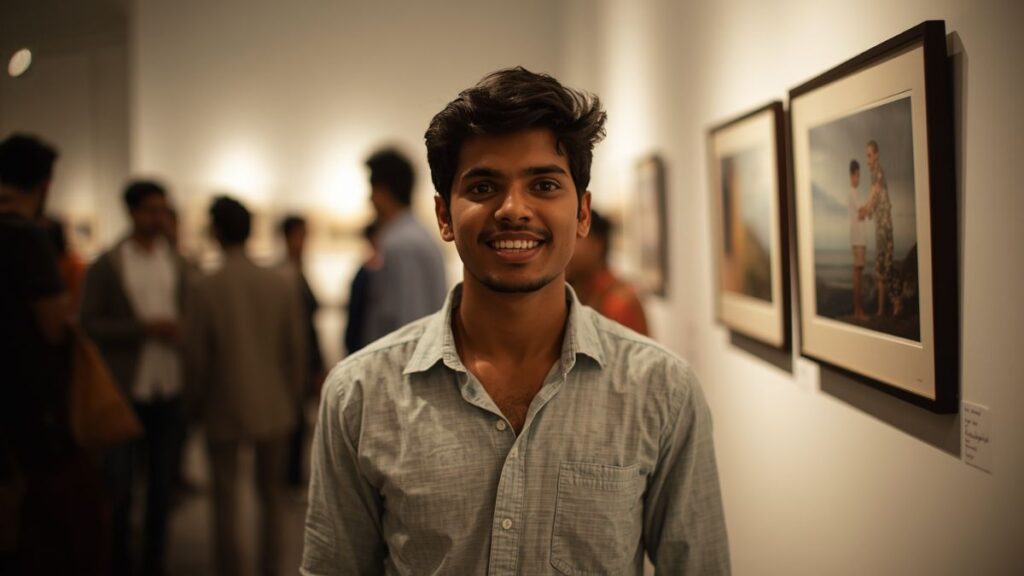
గ్యాలరీలోకి అడుగుపెట్టినప్పుడు అతనికి అది డైవింగ్ బోర్డు అంచున నిలబడినట్లు అనిపించింది.
ముందుకు ఒక అడుగు వేస్తే కొత్త ప్రపంచం.
వెనక్కి వెళ్తే పరిచయమైన భద్రత.
కొంతసేపు అతను తలుపు దగ్గరే నిలబడ్డాడు.
తర్వాత నెమ్మదిగా లోపలికి వెళ్లాడు.
తన ఫోటోలు ఎక్కడున్నాయో చూసుకున్నాడు.
ఒక్కొక్క ఫ్రేమ్ గోడపై వేలాడుతోంది.
ఇంతకాలం తన కంప్యూటర్ స్క్రీన్లో మాత్రమే కనిపించిన ఫోటోలు ఇప్పుడు ఇతరుల ముందున్నాయి.
కార్తిక్ కొంచెం దూరంగా నిలబడ్డాడు.
అతను తన ఫోటోల దగ్గరకు వెళ్లకుండా ఇతర సందర్శకులను గమనించడం మొదలుపెట్టాడు.
మొదటి స్పందన
ఒక వ్యక్తి అతని ఫోటో ముందు ఆగాడు.
కొన్ని సెకన్లు చూశాడు.
తర్వాత తనతో వచ్చిన వ్యక్తితో ఏదో మాట్లాడాడు.
కార్తిక్కు గుండె వేగంగా కొట్టుకుంది.
“విమర్శిస్తున్నారా?”
మరో వ్యక్తి వచ్చాడు.
ఆ ఫోటోను దగ్గరగా చూసాడు.
మళ్లీ వెనక్కి వెళ్లి చూశాడు.
తర్వాత తన ఫోన్లో దాని ఫోటో తీశాడు.
కార్తిక్ ఆశ్చర్యపోయాడు.
కొద్దిసేపటికి మరో ముగ్గురు వ్యక్తులు అదే ఫోటో ముందు నిలబడ్డారు.
వాళ్లు మాట్లాడుకున్నారు.
ఒకరు ఫోటోలోని చిన్న వివరాన్ని చూపించాడు.
మరొకరు నవ్వుతూ తల ఊపాడు.
కార్తిక్కు అప్పుడు అర్థమైంది.
వాళ్లు నిజంగా అతని ఫోటోలను చూస్తున్నారు.
వాటిని గమనిస్తున్నారు.
అవి వాళ్లలో ఏదో భావన కలిగిస్తున్నాయి.
కొన్ని గంటలు గడిచాయి.
అతను అనుకున్నట్లుగా ఎవరూ అతని పనిని ఎగతాళి చేయలేదు.
దానికి బదులుగా చాలామంది అతని ఫోటోలను ప్రశంసించారు.
ఒక వ్యక్తి అతని ఫోటోల్లో కథ చెప్పే విధానం బాగుందని అన్నాడు.
మరొకరు అతను మనుషుల భావాలను సహజంగా బంధించగలడని చెప్పారు.
ఒక వృద్ధుడు అతని ఫోటోను చూసి కొంతసేపు మౌనంగా నిలబడ్డాడు.
తర్వాత కార్తిక్ దగ్గరకు వచ్చి అన్నాడు.
“ఈ ఫోటో నాకు నా చిన్ననాటి రోజులను గుర్తు చేసింది.”
ఆ ఒక్క మాట కార్తిక్ను లోపల నుంచి తాకింది.
అతను కేవలం ఒక ఫోటో తీయలేదు.
ఒక మనిషి జ్ఞాపకాన్ని తాకాడు.
“ఇవి మీ ఫోటోలేనా?”
మధ్యాహ్నం సమయంలో ఒక యువ విద్యార్థిని కార్తిక్ దగ్గరకు వచ్చింది.
ఆమె చేతిలో ఒక చిన్న నోట్బుక్ ఉంది.
“ఇవి మీ ఫోటోలేనా?” అని అడిగింది.
కార్తిక్ కొద్దిగా సంకోచించి తల ఊపాడు.
“అవును.”
ఆమె అతని వైపు చూసి నవ్వింది.
“చాలా అద్భుతంగా ఉన్నాయి.”
కార్తిక్ సాధారణంగా అయితే ఏమనేవాడు?
“అంతేమీ కాదు.”
“ఇంకా నేర్చుకోవాలి.”
“అవి అదృష్టంగా బాగా వచ్చాయి.”
కానీ ఈసారి అతను అలా చెప్పలేదు.
అతను చిరునవ్వుతో అన్నాడు.
“థాంక్యూ.”
ఈసారి ఆ మాటను నిజంగా అనుభవిస్తూ చెప్పాడు.
ఆ చిన్న మార్పు అతనికి చాలా పెద్దదిగా అనిపించింది.
ఎందుకంటే మొదటిసారి అతను తన ప్రతిభను తగ్గించకుండా ఒక ప్రశంసను స్వీకరించాడు.
భయం పూర్తిగా పోయిందా?
లేదు.
ఎగ్జిబిషన్ ముగిసిన మరుసటి రోజే కార్తిక్ పూర్తిగా ఆత్మవిశ్వాసం కలిగిన వ్యక్తిగా మారిపోలేదు.
ఇప్పటికీ విమర్శలంటే అతనికి భయమే.
ఇప్పటికీ కొత్త వ్యక్తులతో మాట్లాడేటప్పుడు కొంచెం సంకోచించేవాడు.
ఇప్పటికీ తన పనిని ఆన్లైన్లో పోస్ట్ చేసే ముందు చాలాసార్లు ఆలోచించేవాడు.
కానీ ఒక ముఖ్యమైన విషయం మారింది.
అతను తనకు తాను ఒక సాక్ష్యాన్ని ఇచ్చాడు.
భయంగా ఉన్నా ముందుకు వెళ్లగలనని.
ఇంతకుముందు అతను ఇలా అనుకునేవాడు.
“ముందు నాకు ఆత్మవిశ్వాసం వస్తుంది. ఆ తర్వాత నేను ప్రయత్నిస్తాను.”
ఇప్పుడు అతనికి నిజం అర్థమైంది.
ముందు ప్రయత్నించాలి. తర్వాత ఆత్మవిశ్వాసం పెరుగుతుంది.
ఆత్మవిశ్వాసం చర్యకు ముందు రావాల్సిన అవసరం లేదు.
చాలాసార్లు చర్య చేసిన తర్వాతే అది ఏర్పడుతుంది.
కొత్త అడుగులు
ఆ ఎగ్జిబిషన్ తర్వాత కార్తిక్ తన ఫోటోగ్రఫీని మరింత సీరియస్గా తీసుకున్నాడు.
ఆన్లైన్ పోర్ట్ఫోలియో తయారు చేశాడు.
తనకు నచ్చిన ఫోటోలను సోషల్ మీడియాలో పంచుకోవడం ప్రారంభించాడు.
కొత్త ఫోటోగ్రాఫర్లతో పరిచయం పెంచుకున్నాడు.
వర్క్షాప్లకు వెళ్లాడు.
ఇతరుల ముందు తన పని గురించి మాట్లాడటం ప్రారంభించాడు.
కొన్ని ఫోటోలు బాగా ప్రశంసించబడ్డాయి.
కొన్ని ఫోటోలకు పెద్దగా స్పందన రాలేదు.
ఒకసారి ఒక వ్యక్తి అతని ఫోటోగ్రఫీని విమర్శించాడు.
ఆ విమర్శ అతనికి బాధ కలిగించింది.
కానీ ఈసారి అతను తన ఫోటోలను తొలగించలేదు.
వెంటనే నిరాశ చెందలేదు.
అతను ఆ విమర్శను చదివి తనను తాను ప్రశ్నించుకున్నాడు.
“ఇందులో నేర్చుకోవాల్సిన విషయం ఏదైనా ఉందా?”
ఉంటే తీసుకున్నాడు.
లేకపోతే వదిలేశాడు.
అదే నిజమైన ఆత్మవిశ్వాసం అని అతనికి అర్థమైంది.
ప్రతి ఒక్కరి ప్రశంస అవసరం లేకపోవడం.
ప్రతి విమర్శతో కూలిపోకపోవడం.
తన విలువను ఇతరుల అభిప్రాయాలతో మాత్రమే నిర్ణయించుకోకపోవడం.
ఫోటోగ్రఫీకి మించిన మార్పు
కార్తిక్లో పెరిగిన ఆత్మవిశ్వాసం కేవలం ఫోటోగ్రఫీకి పరిమితం కాలేదు.
ముందు ఆఫీసులో మీటింగ్లో మాట్లాడటానికి కూడా వెనుకాడేవాడు.
ఇప్పుడు తన అభిప్రాయాన్ని చెప్పడం ప్రారంభించాడు.
ముందు ఎవరికైనా తన ఆలోచన నచ్చకపోతే చాలా బాధపడేవాడు.
ఇప్పుడు ప్రతి ఒక్కరూ తనను అంగీకరించాల్సిన అవసరం లేదని అర్థం చేసుకున్నాడు.
ముందు తనకు నచ్చిన విషయాల గురించి కూడా మాట్లాడేటప్పుడు జాగ్రత్తపడేవాడు.
ఇప్పుడు తన అభిప్రాయాన్ని స్పష్టంగా చెప్పగలిగాడు.
ముఖ్యంగా, తనను తాను దాచుకోవాల్సిన అవసరం తగ్గిపోయింది.
కెమెరా ఇక అతనికి దాక్కునే ప్రదేశం కాదు.
అది తనను ప్రపంచంతో కలిపే సాధనంగా మారింది.
తన కథలోకి అడుగుపెట్టిన రోజు
కొన్ని సంవత్సరాల తర్వాత కార్తిక్ తన పాత ఫోటోలను చూస్తూ కూర్చున్నాడు.
అతనికి తన మొదటి ఎగ్జిబిషన్ గుర్తుకొచ్చింది.
ఆ రోజు గ్యాలరీలోకి అడుగుపెట్టడానికి ఎంత భయపడ్డాడో గుర్తుకొచ్చింది.
ఎవరూ తన ఫోటోలను ఇష్టపడరని అనుకున్నాడు.
ఎవరైనా విమర్శిస్తే తట్టుకోలేనని అనుకున్నాడు.
అందరూ తనను గమనిస్తారని భయపడ్డాడు.
కానీ చివరకు ఏం జరిగింది?
అతని ప్రపంచం కూలిపోలేదు.
అతని జీవితం నాశనం కాలేదు.
దానికి బదులుగా అతను ఒక కొత్త విషయాన్ని తెలుసుకున్నాడు.
తాను అనుకున్నదానికంటే తాను బలమైన వ్యక్తి.
తనను తాను సంవత్సరాలుగా కెమెరా వెనుక దాచుకున్నాడు.
కానీ ఆ రోజు మొదటిసారి కెమెరాను మాత్రమే ముందుకు పెట్టకుండా, తనను తాను కూడా ప్రపంచం ముందు నిలబెట్టాడు.
అక్కడి నుంచే అతని నిజమైన ప్రయాణం మొదలైంది.
ఆత్మవిశ్వాసం గురించి కార్తిక్ నేర్చుకున్న పాఠం
కార్తిక్ ఒకప్పుడు ఆత్మవిశ్వాసం అంటే భయం లేకపోవడం అనుకునేవాడు.
ఇప్పుడు అతని అభిప్రాయం మారింది.
ఆత్మవిశ్వాసం అంటే భయం లేకపోవడం కాదు.
భయం ఉన్నప్పటికీ ముందుకు అడుగు వేయడం.
ఆత్మవిశ్వాసం అంటే ప్రతి ఒక్కరూ మనల్ని ప్రశంసించడం కాదు.
ఎవరైనా విమర్శించినా మన విలువను మనం మర్చిపోకపోవడం.
ఆత్మవిశ్వాసం అంటే మనకు ప్రతి సమాధానం తెలుసు అని కాదు.
తెలియని విషయాలను నేర్చుకోవడానికి సిద్ధంగా ఉండటం.
ముఖ్యంగా, ఆత్మవిశ్వాసం ఒక్కసారిగా మన జీవితంలోకి రాదు.
అది చిన్న చిన్న చర్యలతో నిర్మించబడుతుంది.
ఒకసారి ప్రయత్నించడం.
మళ్లీ ప్రయత్నించడం.
విఫలమవడం.
విమర్శలను ఎదుర్కోవడం.
తిరిగి లేవడం.
మనపై మనకు నమ్మకం పెంచుకోవడం.
కార్తిక్ ఎన్నో సంవత్సరాలు ఒక విషయం కోసం ఎదురుచూశాడు.
“ఒకరోజు నాకు ఆత్మవిశ్వాసం వస్తుంది. ఆ రోజు నేను ముందుకు వెళ్తాను.”
కానీ చివరకు అతనికి అర్థమైన నిజం పూర్తిగా భిన్నంగా ఉంది.
ముందుగా ముందుకు వెళ్లాలి. ఆ తర్వాతే ఆత్మవిశ్వాసం వస్తుంది.
అతని జీవితాన్ని మార్చింది కెమెరా కాదు.
అతను తీసిన గొప్ప ఫోటో కూడా కాదు.
అతని జీవితాన్ని మార్చినది ఒక చిన్న నిర్ణయం.
దాక్కోవడం ఆపి, తన కథలోకి తానే అడుగుపెట్టడం.
అప్పటి నుంచి కార్తిక్ కేవలం ఇతరుల జీవితంలోని అందమైన క్షణాలను ఫోటో తీయలేదు.
తన జీవితంలోని ప్రతి కొత్త అవకాశాన్ని కూడా ఒక ఫ్రేమ్లా చూడటం ప్రారంభించాడు.
కొన్ని ఫ్రేమ్లు అందంగా వచ్చాయి.
కొన్ని అసంపూర్ణంగా ఉన్నాయి.
కొన్ని పూర్తిగా ఊహించని విధంగా మారాయి.
కానీ అతను ఇక వాటిని చూసి భయపడలేదు.
ఎందుకంటే అతనికి ఒక విషయం తెలుసు.
జీవితంలో మనం ఎప్పుడూ పరిపూర్ణమైన ఫోటో కోసం ఎదురుచూడాల్సిన అవసరం లేదు.
కొన్నిసార్లు కెమెరాను ఎత్తి,
ఒక అడుగు ముందుకు వేసి,
మన కథను మనమే ప్రారంభించాలి.
3. కుటుంబ వేడుకలో ఒక నిజం (Acceptance)

అంగీకారం వైపు ఆనంద్ ప్రయాణం
ఆనంద్కు కుటుంబ వేడుకలు అంటే భయం.
చాలామంది కుటుంబ సభ్యులు పెళ్లిళ్లు, పుట్టినరోజులు, పండుగలు, శుభకార్యాల కోసం ఎంతో ఆసక్తిగా ఎదురుచూసేవారు.
కానీ ఆనంద్కు మాత్రం ప్రతి కుటుంబ వేడుక ఒక పరీక్షలా అనిపించేది.
అక్కడికి వెళ్లిన ప్రతిసారీ ఒకే రకమైన ప్రశ్నలు ఎదురయ్యేవి.
“ఇంకెప్పుడు పెళ్లి చేసుకుంటావు?”
“ఎవరైనా నచ్చారా?”
“ఏమైనా సంబంధం చూస్తున్నారా?”
“మీ అమ్మానాన్నలు నీ పెళ్లి కోసం ఎదురుచూస్తుంటారు కదా?”
“నీతో చదువుకున్న వాళ్లందరికీ పెళ్లిళ్లు అయిపోయాయి.”
“నువ్వు ఇంకా ఎందుకు ఆలోచిస్తున్నావు?”
చాలామంది ఆ ప్రశ్నలు అడిగేది మంచి ఉద్దేశంతోనే.
వాళ్లకు ఆనంద్ జీవితం బాగుండాలని అనిపించేది.
అతను సంతోషంగా ఉండాలని కోరుకునేవారు.
కానీ మంచి ఉద్దేశంతో అడిగిన ప్రశ్న అయినా, సమాధానం చెప్పాల్సిన వ్యక్తికి అది సులభంగా ఉండాల్సిన అవసరం లేదు.
ప్రతి ప్రశ్న వెనుక ఆనంద్కు ఒక పెద్ద ఒత్తిడి కనిపించేది.
ఎందుకంటే అతను తన జీవితంలో ఒక ముఖ్యమైన విషయాన్ని ఇంకా తన కుటుంబంతో పూర్తిగా పంచుకోలేదు.
ఆ విషయం గురించి మాట్లాడటానికి అతను సిద్ధంగా లేడు.
అందుకే అతను ఒక పద్ధతి నేర్చుకున్నాడు.
నవ్వాలి.
సమాధానం తప్పించుకోవాలి.
విషయం మార్చాలి.
అవసరమైతే ఫోన్ చూసుకుంటున్నట్లు నటించాలి.
అది కొంతకాలం పనిచేసింది.
కానీ ప్రతి కుటుంబ వేడుక ముగిసిన తర్వాత అతను మానసికంగా చాలా అలసిపోయేవాడు.
బయటకు విజయవంతమైన జీవితం
ఇరవై ఎనిమిదేళ్ల ఆనంద్ హైదరాబాద్లో సాఫ్ట్వేర్ ప్రొఫెషనల్గా పనిచేస్తున్నాడు.
అతని ఉద్యోగం స్థిరంగా ఉంది.
మంచి జీతం వస్తోంది.
తనకు నచ్చిన జీవితం గడిపే స్వేచ్ఛ ఉంది.
అతనికి మంచి స్నేహితులు ఉన్నారు.
తనకు నచ్చిన సినిమాలు చూస్తాడు.
వీకెండ్స్లో బయటికి వెళ్తాడు.
కొత్త ప్రదేశాలు సందర్శిస్తాడు.
తన కెరీర్పై దృష్టి పెడతాడు.
మొత్తం మీద అతని జీవితం బాగానే ఉంది.
బయటి ప్రపంచం నుంచి చూస్తే అతనికి కావాల్సిన దాదాపు అన్నీ ఉన్నాయి.
కానీ కొంతమంది బంధువుల దృష్టిలో మాత్రం అతని జీవితంలో ఒక పెద్ద లోటు ఉంది.
పెళ్లి.
“ఉద్యోగం ఉంది.”
“మంచి జీతం ఉంది.”
“ఇల్లు చూసుకుంటున్నాడు.”
“ఇక పెళ్లి చేసుకుంటే జీవితం పూర్తవుతుంది.”
ఇలాంటి మాటలు తరచూ వినిపించేవి.
ఆనంద్ మొదట్లో వాటిని నవ్వుతూ వదిలేసేవాడు.
తర్వాత కొంచెం అసౌకర్యంగా అనిపించేది.
క్రమంగా ఆ మాటలు అతనిలో భయాన్ని పెంచాయి.
ఎందుకంటే ప్రతి కుటుంబ వేడుకలో తనను తాను దాచుకోవాల్సిన పరిస్థితి వస్తోంది.
అతను సిద్ధంగా లేని ఒక సంభాషణ ఎప్పుడు మొదలవుతుందో తెలియదు.
ప్రతి వేడుక ఒక పరీక్షలా
ఒకసారి ఇంటికి వెళ్లినప్పుడు అతని తల్లి సాధారణంగా అడిగింది.
“ఆఫీసులో ఎవరైనా మంచి అమ్మాయి ఉందా?”
ఆనంద్ నవ్వాడు.
“అమ్మా, ఇప్పుడు పని చాలా ఉంది.”
“పని ఎప్పుడూ ఉంటుంది. జీవితంలో కొన్ని విషయాలకు సమయం కేటాయించాలి.”
అతను వెంటనే విషయం మార్చాడు.
“నాన్న ఎక్కడ?”
అమ్మ మరో విషయం మాట్లాడటం మొదలుపెట్టింది.
కానీ ఆ ప్రశ్న అతని మనసులో మిగిలిపోయింది.
తన తల్లిదండ్రులకు తన గురించి కొన్ని విషయాలు ఎప్పుడైనా చెప్పగలనా?
వాళ్లు అర్థం చేసుకుంటారా?
వాళ్లు బాధపడతారా?
తనపై కోపపడతారా?
తనను మార్చడానికి ప్రయత్నిస్తారా?
లేక తనను అలాగే అంగీకరిస్తారా?
ఈ ప్రశ్నలకు ఆనంద్ దగ్గర సమాధానం లేదు.
అందుకే మౌనం అతనికి సురక్షితంగా అనిపించింది.
విజయవాడలో జరిగిన వేడుక
ఒక వేసవిలో ఆనంద్కు అత్యంత సన్నిహితమైన బంధువులలో ఒకరైన అతని కజిన్ నిశ్చితార్థం జరిగింది.
విజయవాడలో పెద్దగా వేడుక నిర్వహించాలని కుటుంబం నిర్ణయించింది.
దూర ప్రాంతాల నుంచి బంధువులు రావాల్సి ఉంది.
వందలాది మంది అతిథులు వస్తారని అందరూ మాట్లాడుకున్నారు.
కుటుంబంలో ఉత్సాహం మొదలైంది.
వాట్సాప్ గ్రూపుల్లో మెసేజ్లు వెల్లువెత్తాయి.
ఎవరు ఎప్పుడు వస్తారు?
ఎక్కడ ఉంటారు?
ఏం ధరించాలి?
ఏ కార్యక్రమం ఎప్పుడు జరుగుతుంది?
అందరూ ఉత్సాహంగా ఉన్నారు.
కానీ ఆనంద్ మాత్రం ఆ వార్త విన్న వెంటనే ఉత్సాహం కంటే ఆందోళనకు గురయ్యాడు.
అతనికి ముందే తెలుసు.
ఆ ప్రశ్నలు మళ్లీ వస్తాయి.
అదే పెళ్లి ప్రశ్నలు.
అదే ఊహాగానాలు.
అదే సలహాలు.
అదే నవ్వులు.
అదే ఒత్తిడి.
అతను తనలో తానే అనుకున్నాడు.
“నేను వెళ్లకుండా ఉంటే?”
ఆ ఆలోచన కొన్ని రోజులు అతని మనసులో తిరిగింది.
ఆఫీస్లో పని ఉందని చెప్పవచ్చు.
ఎవరూ పెద్దగా ప్రశ్నించకపోవచ్చు.
ఒక ప్రొఫెషనల్ కారణం చెప్పి తప్పించుకోవడం సులభమే.
కానీ అతని కజిన్ అతనికి చాలా సన్నిహితమైన వ్యక్తి.
ఆమె జీవితంలోని ముఖ్యమైన రోజున తాను లేకపోవడం అతనికి సరైనదిగా అనిపించలేదు.
చివరకు వెళ్లాలని నిర్ణయించుకున్నాడు.
ప్రశ్నలు మళ్లీ మొదలయ్యాయి
విజయవాడలోని ఫంక్షన్ హాల్ జనాలతో కిక్కిరిసిపోయింది.
ప్రతి మూలలో బంధువులు.
పిల్లలు ఒకచోట నుంచి మరోచోటికి పరుగులు.
పెద్దలు గుంపులుగా కూర్చుని మాట్లాడుకుంటున్నారు.
ఎక్కడ చూసినా నవ్వులు.
సెల్ఫీలు.
శుభాకాంక్షలు.
ఫోటోలు.
ఆనంద్కు మొదట్లో అన్నీ బాగానే అనిపించాయి.
తన కజిన్ను అభినందించాడు.
కుటుంబ సభ్యులతో మాట్లాడాడు.
కొంతసేపు ఫోటోలు కూడా దిగాడు.
కానీ అతను ఊహించినట్లుగానే అరగంటలో మొదటి ప్రశ్న వచ్చింది.
ఒక ఆంటీ దగ్గరకు వచ్చి అడిగింది.
“మరి నీ పెళ్లి ఎప్పుడు?”
ఆనంద్ నవ్వాడు.
“చూస్తున్నాం ఆంటీ.”
“చూస్తున్నామంటే?”
“ఏదో… సరైన సమయం వచ్చినప్పుడు.”
ఆమె నవ్వింది.
“సరైన సమయం ఎప్పుడు వస్తుంది? మేమే ఒక మంచి సంబంధం చూస్తాం.”
ఆనంద్ మళ్లీ నవ్వాడు.
“చూద్దాం ఆంటీ.”
అతను అక్కడి నుంచి నెమ్మదిగా వెళ్లిపోయాడు.
కొద్దిసేపటికి మరో బంధువు.
“ఏమయ్యా, నువ్వు చాలా సెలెక్టివ్గా ఉన్నావా?”
మరొకరు.
“నీకు ఎవరైనా నచ్చితే చెప్పు. మేమంతా కలిసి మాట్లాడతాం.”
మరో కుటుంబ స్నేహితుడు సరదాగా అన్నాడు.
“ఇంకా పెళ్లి గురించి ఆలోచించకపోతే చివరికి మేమే నిర్ణయించాల్సి వస్తుంది!”
అందరూ నవ్వారు.
ఆనంద్ కూడా నవ్వాడు.
కానీ అతని లోపల మాత్రం చిరాకు, బాధ, భయం అన్నీ కలిసి పెరుగుతున్నాయి.
కొద్దిసేపు ఒంటరిగా
ఆ రాత్రి భోజనం తర్వాత అతనికి ఆ జనసందోహం భరించలేనంతగా అనిపించింది.
అతను నెమ్మదిగా హాల్ బయటకు వచ్చాడు.
బయట రాత్రి గాలి చల్లగా ఉంది.
లోపల వినిపిస్తున్న శబ్దాల కంటే బయట నిశ్శబ్దం అతనికి ఎంతో సౌకర్యంగా అనిపించింది.
అతను ఒక మూలలో నిలబడి లోతుగా ఊపిరి పీల్చుకున్నాడు.
“ఇంకా ఎంతకాలం ఇలా?”
అతను తనలో తానే అనుకున్నాడు.
అప్పుడే వెనుక నుంచి ఒక పరిచితమైన స్వరం వినిపించింది.
“పారిపోవడానికి వచ్చావా?”
ఆనంద్ వెనక్కి తిరిగి చూశాడు.
అతని పెద్ద కజిన్ రమేష్.
ఆనంద్ నవ్వాడు.
“అలాంటిదే అనుకో.”
రమేష్ కూడా నవ్వుతూ అతని పక్కన నిలబడ్డాడు.
కొంతసేపు ఇద్దరూ ఏమీ మాట్లాడలేదు.
లోపల జరుగుతున్న వేడుకను బయట నుంచి చూస్తూ నిలబడ్డారు.
రమేష్ తొందరపడలేదు.
కొద్దిసేపటి తర్వాత మాత్రమే అన్నాడు.
“ఈరోజు నువ్వు కొంచెం అసౌకర్యంగా కనిపిస్తున్నావు.”
ఆనంద్ వెంటనే అలవాటైన సమాధానం ఇచ్చాడు.
“నేను బాగానే ఉన్నాను.”
రమేష్ అతని వైపు చూసి మెల్లగా నవ్వాడు.
“లేదు. నువ్వు బాగోలేవు.”
ఆ మాటలో విమర్శ లేదు.
తీర్పు లేదు.
బలవంతం లేదు.
కేవలం అర్థం చేసుకోవాలనే ప్రయత్నం ఉంది.
అదే కారణంగా ఆనంద్కు తనను తాను దాచుకోవడం మరింత కష్టంగా అనిపించింది.
మొదటి నిజాయితీ
రమేష్ అడిగాడు.
“నువ్వు ఏదైనా టెన్షన్లో ఉన్నావా?”
ఆనంద్ కొద్దిసేపు మౌనంగా ఉన్నాడు.
“కుటుంబ వేడుకలు నాకు కొంచెం కష్టంగా అనిపిస్తాయి.”
“ఎందుకు?”
“అందరూ ఒకే ప్రశ్నలు అడుగుతారు.”
రమేష్కు అర్థమైంది.
“పెళ్లి గురించా?”
ఆనంద్ తల ఊపాడు.
“అవును.”
“అది అంత పెద్ద విషయం కాదు కదా.”
ఆనంద్ కొద్దిసేపు అతని వైపు చూశాడు.
“నీకు అలా అనిపించొచ్చు.”
రమేష్ మౌనంగా ఉన్నాడు.
ఆనంద్ మొదటిసారి తన మనసులోని విషయాలను కొంచెం కొంచెంగా బయటకు చెప్పడం ప్రారంభించాడు.
తనకు కుటుంబ అంచనాలు ఎంత ఒత్తిడిగా అనిపిస్తున్నాయో చెప్పాడు.
ప్రతి వేడుకలో తాను ఎందుకు భయపడుతున్నాడో చెప్పాడు.
ఎందుకు ప్రతి ప్రశ్నకు ఒకే రకమైన సమాధానం ఇస్తున్నాడో చెప్పాడు.
తాను ఎప్పుడూ అందరినీ నిరాశపరచకూడదనే ప్రయత్నం చేస్తున్నానని చెప్పాడు.
అతను ప్రతి విషయం పూర్తిగా చెప్పలేదు.
ఇంకా కొన్ని విషయాలను తనలోనే ఉంచుకున్నాడు.
కానీ అది కూడా అతనికి చాలా పెద్ద అడుగు.
ఎందుకంటే ఇంతకాలం అతను తన కుటుంబంలో ఎవరితోనూ ఇంత నిజాయితీగా మాట్లాడలేదు.
రమేష్ మధ్యలో అడ్డుకోలేదు.
తీర్పు చెప్పలేదు.
ఉపదేశం చేయలేదు.
కేవలం విన్నాడు.
చివరికి అన్నాడు.
“నువ్వు ఎవరినీ నిరాశపరచాలని అనుకోకపోవడం నాకు అర్థమవుతోంది. కానీ నీ జీవితాన్ని కూడా నువ్వు జీవించాలి.”
ఆనంద్ కళ్లలో నీళ్లు తిరిగాయి.
ఎన్నో సంవత్సరాలుగా తన మనసులో ఉన్న మాటను ఎవరో తనకు బదులుగా చెప్పినట్లు అనిపించింది.
ఒక ఊహ క్రమంగా కరుగుతుంది
ఆ రాత్రి జరిగిన సంభాషణ ఆనంద్ జీవితాన్ని ఒక్కసారిగా మార్చలేదు.
రమేష్తో మాట్లాడిన వెంటనే అతని కుటుంబంలోని ప్రతి ఒక్కరికి తన గురించి చెప్పలేదు.
అతని భయాలన్నీ కూడా వెంటనే పోయలేదు.
కానీ ఒక ఆలోచన మాత్రం మారింది.
ఇంతకాలం ఆనంద్ ఒక విషయాన్ని నిజమని నమ్మాడు.
“నా గురించి నిజం చెబితే వాళ్లు నన్ను అంగీకరించరు.”
కానీ రమేష్తో జరిగిన సంభాషణ మరో అవకాశాన్ని చూపించింది.
“అందరూ అలా స్పందించకపోవచ్చు.”
బహుశా కొంతమంది అర్థం చేసుకోవడానికి సమయం తీసుకుంటారు.
బహుశా కొంతమంది ఆశ్చర్యపోతారు.
బహుశా కొంతమందికి మొదట్లో ప్రశ్నలు ఉంటాయి.
కానీ అందరూ తిరస్కరించాల్సిన అవసరం లేదు.
ఈ చిన్న ఆలోచన ఆనంద్కు కొత్త ధైర్యాన్ని ఇచ్చింది.
చిన్న చిన్న సంభాషణలు
తర్వాతి కొన్ని నెలల్లో ఆనంద్ ఒక్కసారిగా అందరికీ తన జీవితంలోని ప్రతి విషయాన్ని చెప్పలేదు.
అతను తొందరపడలేదు.
ముందుగా తనకు అత్యంత నమ్మకమైన కుటుంబ సభ్యులతో మాట్లాడటం ప్రారంభించాడు.
ఒకరితో ఒకసారి.
మరో వ్యక్తితో మరోసారి.
కొన్ని సంభాషణలు చాలా చిన్నవిగా ఉండేవి.
కొన్ని గంటల పాటు సాగేవి.
కొన్ని సందర్భాల్లో అతనికి ప్రశ్నలు ఎదురయ్యాయి.
“నువ్వు ఎప్పటి నుంచి ఇలా అనుకుంటున్నావు?”
“ముందే ఎందుకు చెప్పలేదు?”
“నువ్వు సంతోషంగా ఉన్నావా?”
కొన్ని ప్రశ్నలు అతనికి కష్టంగా అనిపించాయి.
కానీ ఈసారి అతను పారిపోలేదు.
విన్నాడు.
తనకు తెలిసినంతవరకు సమాధానం చెప్పాడు.
తనకు తెలియని విషయాల్లో నిజాయితీగా చెప్పాడు.
“నాకు కూడా ఇంకా అన్నీ అర్థం కాలేదు.”
ఈ మాట చెప్పగలిగినప్పుడు అతనికి ఒక విచిత్రమైన తేలిక అనిపించింది.
తనకు అన్ని సమాధానాలు ఉండాల్సిన అవసరం లేదని అర్థమైంది.
అతను ఊహించిన దానికంటే భిన్నమైన స్పందన
అతనికి ఎదురైన స్పందనలు కూడా అతను ఊహించినట్లుగా లేవు.
అందరూ వెంటనే అర్థం చేసుకోలేదు.
కొంతమందికి సమయం పట్టింది.
కొంతమందికి మొదట ఆశ్చర్యంగా అనిపించింది.
కానీ ఆనంద్ను నిజంగా ప్రేమించే కుటుంబ సభ్యులు ఒక పని చేశారు.
వారు వినడానికి ప్రయత్నించారు.
వెంటనే తీర్పు ఇవ్వలేదు.
తనతో మాట్లాడటం ఆపలేదు.
తనను కుటుంబం నుంచి దూరం చేయలేదు.
తన జీవితాన్ని తనకు బదులుగా నిర్ణయించడానికి ప్రయత్నించలేదు.
అది ఆనంద్కు ఎంతో విలువైన విషయం.
అతను తెలుసుకున్నాడు.
అంగీకారం అంటే అందరూ మనల్ని వెంటనే పూర్తిగా అర్థం చేసుకోవడం కాదు.
కొన్నిసార్లు అంగీకారం అంటే…
“నాకు ఇంకా పూర్తిగా అర్థం కాలేదు. కానీ నిన్ను అర్థం చేసుకోవడానికి నేను ప్రయత్నిస్తాను.”
అనే మాట.
కుటుంబం మారడానికి సమయం పడుతుంది
ఆనంద్ కుటుంబంలోని ప్రతి ఒక్కరి ఆలోచనలు ఒక్క రాత్రిలో మారిపోలేదు.
కొన్ని పాత ప్రశ్నలు కొంతకాలం కొనసాగాయి.
కొంతమంది బంధువులకు ఇంకా పాత అలవాటే.
“పెళ్లి గురించి ఏమనుకుంటున్నావు?”
అని అడిగేవారు.
కానీ ఇప్పుడు ఆనంద్కు పరిస్థితి భిన్నంగా అనిపించింది.
ఇంతకుముందు అలాంటి ప్రశ్న అతన్ని ఒంటరిగా అనిపించేది.
ఇప్పుడు అతనికి తన వెనుక నిలబడే కొంతమంది ఉన్నారు.
అతను ప్రతిసారీ తనను తాను వివరించాల్సిన అవసరం లేదని తెలుసుకున్నాడు.
అవసరమైనప్పుడు ప్రశాంతంగా సమాధానం చెప్పేవాడు.
అవసరం లేనప్పుడు విషయం మార్చేవాడు.
కానీ ఇప్పుడు ఆ మౌనం భయంతో వచ్చినది కాదు.
తన హక్కును తెలుసుకున్న వ్యక్తి యొక్క ప్రశాంతతతో వచ్చినది.
కుటుంబ వేడుకలు మళ్లీ వచ్చాయి
కొన్ని సంవత్సరాల తర్వాత మరో కుటుంబ వేడుక జరిగింది.
అదే రకమైన హాల్.
అదే రకమైన జనసందోహం.
పిల్లలు పరుగులు.
పెద్దలు గుంపులుగా మాట్లాడుకోవడం.
ఫోటోలు.
భోజనం.
నవ్వులు.
ఆనంద్ అక్కడ కూర్చుని అందరినీ చూస్తున్నాడు.
ఒక బంధువు మళ్లీ అతని దగ్గరకు వచ్చి అడిగాడు.
“మరి నీ పెళ్లి సంగతేంటి?”
కొన్ని సంవత్సరాల క్రితం అయితే ఆనంద్ గుండెలో ఆందోళన మొదలయ్యేది.
కానీ ఇప్పుడు అతను ప్రశాంతంగా నవ్వాడు.
“నా జీవితంలో నేను సంతోషంగా ఉండటమే నాకు ముఖ్యం.”
ఆ బంధువు కొద్దిసేపు మౌనంగా ఉన్నాడు.
తర్వాత మరో విషయం మాట్లాడటం ప్రారంభించాడు.
ఆనంద్ కూడా సహజంగా మాట్లాడాడు.
ఆ చిన్న సంఘటన అతనికి ఒక పెద్ద విజయంలా అనిపించింది.
ఎందుకంటే ప్రశ్న మారలేదు.
కుటుంబం కూడా పూర్తిగా మారలేదు.
కానీ అతను మారిపోయాడు.
అంగీకారం అంటే ఏమిటి?
ఆనంద్ తన ప్రయాణం ద్వారా ఒక ముఖ్యమైన విషయం నేర్చుకున్నాడు.
అంగీకారం ఎప్పుడూ ఒక పెద్ద ప్రకటనలా రాదు.
కొన్నిసార్లు అది ఒక చిన్న సంభాషణతో మొదలవుతుంది.
ఒక వ్యక్తి మన మాట వినడం ద్వారా మొదలవుతుంది.
ఒక ప్రశ్నను తీర్పు లేకుండా అడగడం ద్వారా మొదలవుతుంది.
ఒక కుటుంబ సభ్యుడు “నేను నీకు తోడుగా ఉన్నాను” అని చెప్పడం ద్వారా మొదలవుతుంది.
కొన్నిసార్లు అంగీకారం నెమ్మదిగా పెరుగుతుంది.
ఒకరోజులో కాదు.
ఒక నెలలో కాదు.
కొన్ని సంవత్సరాలు కూడా పట్టవచ్చు.
కానీ నిజమైన సంబంధాల్లో ఒక విషయం చాలా ముఖ్యమైనది.
అర్థం చేసుకోవడానికి ప్రయత్నం.
అందరూ మనలాగే ఆలోచించాల్సిన అవసరం లేదు.
అందరూ మన జీవితాన్ని పూర్తిగా అర్థం చేసుకోవాల్సిన అవసరం లేదు.
కానీ మనల్ని ప్రేమించే వ్యక్తులు మన మాట వినడానికి సిద్ధంగా ఉంటే, అక్కడ నుంచి అంగీకారం మొదలవుతుంది.
దాదాపు తప్పించుకున్న ఒక రోజు
ఆనంద్ కొన్నిసార్లు ఆలోచించేవాడు.
ఆ రోజు విజయవాడ వేడుకకు తాను వెళ్లకపోయి ఉంటే?
రమేష్తో బయట నిలబడి మాట్లాడకపోయి ఉంటే?
“నేను బాగున్నాను” అని చెప్పి లోపలికి వెళ్లిపోయి ఉంటే?
బహుశా అతని జీవితం మరికొంతకాలం అదే విధంగా ఉండేది.
ప్రతి కుటుంబ వేడుకకు ముందు భయపడేవాడు.
ప్రతి ప్రశ్నకు సమాధానం దాచేవాడు.
తనను తాను ఒంటరిగా భావించేవాడు.
కానీ ఒక చిన్న సంభాషణ అతని జీవితంలో ఒక తలుపు తెరిచింది.
ఆ తలుపు వెనుక వెంటనే సులభమైన జీవితం లేదు.
కానీ అక్కడ ఒక విషయం ఉంది.
ఆశ.
తనను అర్థం చేసుకునే వ్యక్తులు ఉండవచ్చనే ఆశ.
తన కుటుంబం తనను పూర్తిగా తిరస్కరించకపోవచ్చనే ఆశ.
తన జీవితం గురించి నిజాయితీగా ఉండే అవకాశం.
నిజమైన സമ്മാനം
సంవత్సరాలు గడిచాయి.
కుటుంబ వేడుకలు ఇంకా జరుగుతూనే ఉన్నాయి.
పెళ్లిళ్లు.
పుట్టినరోజులు.
పండుగలు.
వార్షికోత్సవాలు.
కుటుంబ సమావేశాలు.
కానీ ఇప్పుడు ఆనంద్ వాటిని చూసే విధానం పూర్తిగా మారిపోయింది.
ఇంతకుముందు అతనికి ప్రతి వేడుక ఒక పరీక్ష.
ఇప్పుడు అది తన కుటుంబంతో గడిపే సమయం.
ప్రశ్నలు ఇంకా వస్తాయి.
కుటుంబాలు ఒక్కరోజులో మారవు.
కానీ ఇప్పుడు అతను ఆ ప్రశ్నలను ఒంటరిగా మోసుకోవడం లేదు.
తనను తాను దాచుకోవాల్సిన అవసరం లేదని తెలుసుకున్నాడు.
తన విలువ ఇతరుల అంచనాలపై ఆధారపడదని తెలుసుకున్నాడు.
ముఖ్యంగా, తనను ప్రేమించే వ్యక్తులకు తనను అర్థం చేసుకునే అవకాశం ఇవ్వడం కూడా ఒక రకమైన ధైర్యమేనని తెలుసుకున్నాడు.
విజయవాడలో జరిగిన ఆ నిశ్చితార్థ వేడుకను ఆనంద్ ఎప్పటికీ మర్చిపోలేదు.
అతను ఆ వేడుకకు వెళ్లకూడదని అనుకున్నాడు.
కానీ చివరికి అదే రోజు అతని జీవితంలో ఒక కొత్త అధ్యాయానికి ప్రారంభమైంది.
ఆ రోజు అతను ఒక వేడుకలో పాల్గొనడానికి మాత్రమే వెళ్లలేదు.
తన జీవితంలో నిజాయితీకి ఒక అడుగు ముందుకు వేశాడు.
అతను తెలుసుకున్నాడు…
తనను నిజంగా ప్రేమించే వ్యక్తులకు తన సంతోషం, వారి అంచనాల కంటే ముఖ్యమైనది.
ప్రతి ఒక్కరూ వెంటనే అర్థం చేసుకోకపోవచ్చు.
ప్రతి ఒక్కరూ వెంటనే అంగీకరించకపోవచ్చు.
కానీ మనం నిజాయితీగా ఉండటానికి వారికి అవకాశం ఇచ్చినప్పుడు, మనం ఊహించిన దానికంటే ఎక్కువ ప్రేమను, అర్థాన్ని, మద్దతును కనుగొనే అవకాశం ఉంటుంది.
ఆనంద్కు అదే అతని జీవితంలో లభించిన గొప్ప బహుమతిగా మారింది.
అంగీకారం కోసం సంవత్సరాలుగా బయట వెతికిన అతను, చివరకు ఒక నిజం తెలుసుకున్నాడు.
అంగీకారం మొదట ఇతరుల నుంచి రావాల్సిన అవసరం లేదు.
కొన్నిసార్లు అది మనలోనే మొదలవుతుంది.
మనల్ని మనం అంగీకరించుకున్నప్పుడు, ఇతరులకు కూడా మన నిజమైన రూపాన్ని చూపించే ధైర్యం వస్తుంది.
అక్కడి నుంచే నిజమైన అర్థం మొదలవుతుంది.
అక్కడి నుంచే నిజమైన సంబంధాలు మొదలవుతాయి.
మరియు అక్కడి నుంచే మనం ఒంటరిగా మోస్తున్న భారాన్ని క్రమంగా దించుకోవడం ప్రారంభిస్తాం.
4. అనుకోకుండా వచ్చిన రూమ్మేట్ (Friendship and Support)
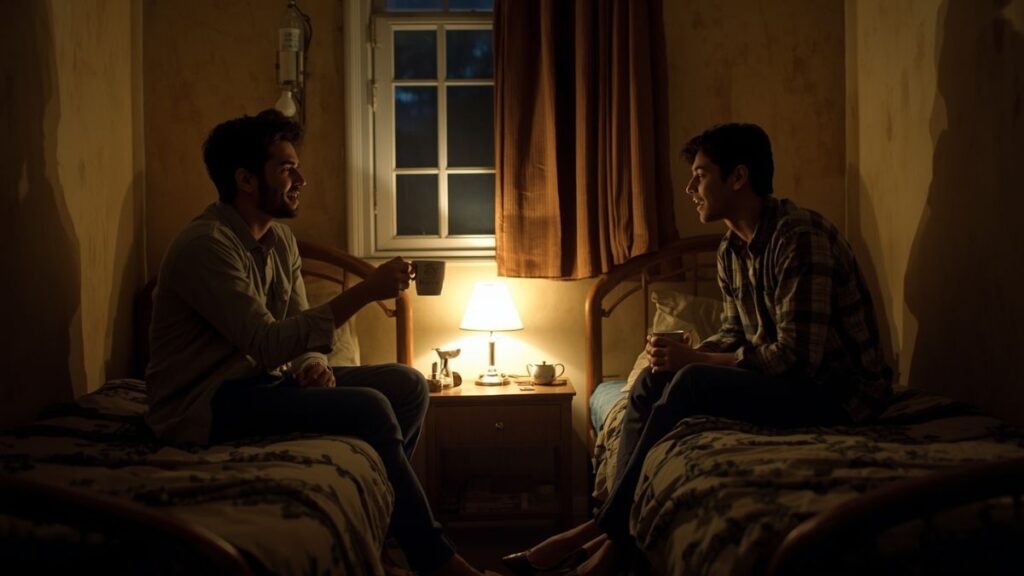
స్నేహం మరియు తోడ్పాటు
హాస్టల్ రూమ్ అలాట్మెంట్ వచ్చిన రోజు నవీన్ ఒకటే విషయం కోరుకున్నాడు.
“రూమ్మేట్ ప్రశాంతంగా ఉంటే చాలు.”
అంతకంటే ఎక్కువ ఏమీ అవసరం లేదు.
అంతకంటే తక్కువ కూడా వద్దు.
కాలేజీ జీవితం గురించి అతనికి అప్పటికే చాలా ఆందోళన ఉంది.
అది అతని జీవితంలో మొదటిసారి ఇంటికి దూరంగా ఉండబోతున్న సమయం.
ఆంధ్రప్రదేశ్లోని ఒక చిన్న పట్టణం నుంచి హైదరాబాద్లోని పెద్ద యూనివర్సిటీలో చదువుకోవడానికి వచ్చాడు.
చుట్టూ వేలాది మంది కొత్త వ్యక్తులు.
కొత్త క్యాంపస్.
కొత్త పాఠాలు.
కొత్త నియమాలు.
కొత్త జీవితం.
అలాంటి సమయంలో సమస్యలు సృష్టించే రూమ్మేట్ తనకు అసలు వద్దని నవీన్ అనుకున్నాడు.
కానీ అతనికి తెలియదు.
తనకు కేటాయించబడిన రూమ్మేట్ అతని జీవితాన్ని ఊహించని విధంగా మార్చబోతున్నాడని.
మొదటి పరిచయం
హాస్టల్ రూమ్ చిన్నదే.
కానీ సౌకర్యంగా ఉంది.
రెండు బెడ్లు.
రెండు స్టడీ టేబుల్స్.
రెండు కుర్చీలు.
రెండు వార్డ్రోబ్లు.
గోడకు ఆనుకుని ఒక చిన్న షెల్ఫ్.
కిటికీ బయట పెద్ద క్యాంపస్ కనిపించేది.
నవీన్ ముందుగానే హాస్టల్కు చేరుకున్నాడు.
మధ్యాహ్నం మొత్తం తన వస్తువులను సర్దుకోవడంలో గడిపాడు.
పుస్తకాలను టేబుల్పై అందంగా అమర్చాడు.
బట్టలను వార్డ్రోబ్లో పెట్టాడు.
తన కుటుంబం ఇచ్చిన చిన్న ఫోటోను టేబుల్ పక్కన ఉంచాడు.
సాయంత్రం అయ్యే సమయానికి రూమ్ దాదాపు సిద్ధమైంది.
అతను మంచంపై కూర్చుని ఫోన్ చూస్తుండగా తలుపు తెరుచుకుంది.
ఒక పొడవైన విద్యార్థి రెండు పెద్ద బ్యాగులు మోసుకుంటూ లోపలికి వచ్చాడు.
అతని ముఖంలో పెద్ద చిరునవ్వు.
“హాయ్! నేను వరుణ్.”
నవీన్ లేచి నిలబడ్డాడు.
“హాయ్. నేను నవీన్.”
“అయితే మనిద్దరం రూమ్మేట్స్ అన్నమాట!”
వరుణ్ తన బ్యాగులను మంచం పక్కన పెట్టాడు.
“ఎక్కడి నుంచి వచ్చావు?”
“ఆంధ్రప్రదేశ్లోని ఒక చిన్న టౌన్ నుంచి.”
“సూపర్! నేను బెంగళూరు దగ్గర నుంచి.”
ఆ తర్వాత ప్రశ్నల వరద మొదలైంది.
ఏ బ్రాంచ్?
ఏ కాలేజీ?
ఏ సినిమాలు ఇష్టం?
క్రికెట్ చూస్తావా?
హైదరాబాద్లో ఇంతకుముందు ఉన్నావా?
హాస్టల్ ఫుడ్ గురించి ఏం అనుకుంటున్నావు?
నవీన్ ఆశ్చర్యపోయాడు.
ఐదు నిమిషాల క్రితమే పరిచయమైన వ్యక్తి తనతో ఎన్నో సంవత్సరాలుగా తెలిసిన స్నేహితుడిలా మాట్లాడుతున్నాడు.
నవీన్ సహజంగా చాలా నిశ్శబ్దంగా ఉండే వ్యక్తి.
వరుణ్ మాత్రం పూర్తిగా భిన్నం.
ఎవరితోనైనా మాట్లాడగలడు.
తెలియని వ్యక్తితో కూడా నిమిషాల్లో స్నేహం చేయగలడు.
ఏ పరిస్థితిలోనైనా ఏదో ఒక మంచి విషయం వెతుక్కోగలడు.
మొదట్లో వరుణ్ ఉత్సాహం నవీన్కు కొంచెం ఎక్కువగా అనిపించింది.
కానీ తర్వాత అదే ఉత్సాహం తన జీవితంలో ఎంత ముఖ్యమవుతుందో అతనికి అర్థమైంది.
కొత్త కాలేజీ… ఒంటరి జీవితం
కాలేజీలో మొదటి కొన్ని నెలలు నవీన్కు చాలా కష్టంగా గడిచాయి.
క్లాసులు కఠినంగా ఉన్నాయి.
అసైన్మెంట్లు ఎక్కువ.
క్యాంపస్ అతనికి చాలా పెద్దగా అనిపించింది.
ఎక్కడ చూసినా కొత్త ముఖాలే.
విద్యార్థులు చిన్న చిన్న గ్రూపులుగా చేరి మాట్లాడుకుంటున్నారు.
కొంతమంది మొదటి వారంలోనే కొత్త స్నేహితులను సంపాదించారు.
కొంతమంది ఇప్పటికే తమ గ్రూపులను ఏర్పరచుకున్నారు.
నవీన్ మాత్రం తనకు తానే ఉండిపోయాడు.
క్లాసుకు వెళ్లేవాడు.
లెక్చర్ వినేవాడు.
అసైన్మెంట్ పూర్తి చేసేవాడు.
హాస్టల్కు తిరిగి వచ్చేవాడు.
భోజనం చేసేవాడు.
పుస్తకం తెరిచేవాడు.
మళ్లీ మరుసటి రోజు అదే.
మొదట్లో అతనికి అది సాధారణంగానే అనిపించింది.
“నేను చదువుకోవడానికి వచ్చాను. స్నేహాలు తర్వాత చేసుకోవచ్చు.”
అని తనకు తానే చెప్పుకున్నాడు.
కానీ రోజులు గడిచేకొద్దీ ఒంటరితనం అతని జీవితంలో భాగమైంది.
కొన్నిసార్లు క్లాస్ ముగిసిన తర్వాత అందరూ కలిసి బయటికి వెళ్తుంటే అతను ఒంటరిగా హాస్టల్కు వచ్చేవాడు.
క్యాంటీన్లో ఒక మూలలో కూర్చుని భోజనం చేసేవాడు.
వీకెండ్ వచ్చినప్పుడు అందరూ బయటికి వెళ్తుంటే అతను రూమ్లోనే ఉండేవాడు.
అతను తనకు తానే చెప్పుకునేవాడు.
“నాకు ఒంటరిగా ఉండటం ఇష్టం.”
కానీ లోపల మాత్రం ఒక చిన్న ప్రశ్న ఉండేది.
“నిజంగానే ఇష్టమా?”
వరుణ్ గమనించాడు
ఒక సాయంత్రం నవీన్ తన టేబుల్ వద్ద పుస్తకం చదువుతున్నాడు.
వరుణ్ బయట నుంచి వచ్చాడు.
అతని చేతిలో రెండు టీ కప్పులు ఉన్నాయి.
ఒక కప్పును నవీన్ టేబుల్పై పెట్టాడు.
“ఇది నీ కోసం.”
నవీన్ పుస్తకం నుంచి తలెత్తి చూశాడు.
“థాంక్స్.”
వరుణ్ కుర్చీలో కూర్చున్నాడు.
కొద్దిసేపు నవీన్ను గమనించాడు.
“నువ్వు చాలా సమయం ఒంటరిగా గడుపుతున్నావు.”
నవీన్ వెంటనే అన్నాడు.
“నేను బాగానే ఉన్నాను.”
వరుణ్ నవ్వాడు.
“బాగోలేని వాళ్లు ఎక్కువగా చెప్పే మాట అదే.”
నవీన్ కొంచెం చిరాకుగా చూశాడు.
“నేను నిజంగానే బాగున్నాను.”
“సరే.”
వరుణ్ మరేమీ చెప్పలేదు.
కానీ ఆ మాట నవీన్ మనసులో మాత్రం మిగిలిపోయింది.
ఎందుకంటే లోపల ఎక్కడో అది నిజమేనని అతనికి తెలుసు.
“రా… ఒక్కసారి”
తర్వాతి కొన్ని వారాల్లో వరుణ్ ఒక అలవాటు చేసుకున్నాడు.
నవీన్ను ప్రతి కార్యక్రమానికి పిలవడం.
“ఈరోజు స్టూడెంట్ ఈవెంట్ ఉంది. వస్తావా?”
“వద్దు.”
“సరే. నేను వెళ్తాను.”
మరుసటి రోజు.
“స్టడీ గ్రూప్ ఉంది. వస్తావా?”
“నాకు ఒంటరిగా చదవడం ఇష్టం.”
“అది నాకు తెలుసు. అయినా ఒక గంట రా.”
మరోసారి.
“వీకెండ్లో సినిమా వెళ్తున్నాం.”
“నాకు పని ఉంది.”
“నీ పని ఎప్పుడూ ఉంటుంది.”
నవీన్ నవ్వాడు.
“నిజమే.”
“అయితే ఈసారి పని కంటే ముందు సినిమా.”
నవీన్ మొదట ప్రతిసారీ నిరాకరించేవాడు.
కానీ వరుణ్ అతనిపై ఒత్తిడి చేయలేదు.
అతన్ని బలవంతం చేయలేదు.
కేవలం మళ్లీ మళ్లీ ఆహ్వానించాడు.
చివరకు ఒకరోజు నవీన్ అన్నాడు.
“సరే. వస్తాను.”
అది చిన్న మాట.
కానీ నవీన్ జీవితంలో అది ఒక పెద్ద మార్పుకు మొదటి అడుగు.
స్నేహం మొదలైన రోజు
ఆ రోజు వారు కొంతమంది విద్యార్థులతో కలిసి క్యాంపస్లోని ఒక కార్యక్రమానికి వెళ్లారు.
మొదట నవీన్ నిశ్శబ్దంగా ఒక మూలన నిలబడ్డాడు.
వరుణ్ మాత్రం అందరితో మాట్లాడుతున్నాడు.
కొద్దిసేపటి తర్వాత ఒక విద్యార్థిని నవీన్ను కూడా సంభాషణలోకి తీసుకొచ్చింది.
మొదట అతను చిన్న సమాధానాలే ఇచ్చాడు.
తర్వాత మరికొన్ని మాటలు మాట్లాడాడు.
ఆ తర్వాత నవ్వాడు.
కార్యక్రమం ముగిసే సమయానికి అతను ఊహించిన దానికంటే ఎక్కువగా ఆనందించాడు.
తిరిగి రూమ్కు వస్తూ వరుణ్ అడిగాడు.
“ఎలా అనిపించింది?”
నవీన్ చిరునవ్వుతో అన్నాడు.
“బాగుంది.”
వరుణ్ నవ్వాడు.
“అంతేనా?”
“చాలా బాగుంది.”
“అదిగో!”
ఆ రోజు తర్వాత నవీన్ క్రమంగా బయటికి రావడం ప్రారంభించాడు.
స్టడీ గ్రూపుల్లో చేరాడు.
క్యాంపస్ కార్యక్రమాలకు వెళ్లాడు.
కొత్త స్నేహితులను చేసుకున్నాడు.
తనకు తెలియని ప్రపంచాన్ని కొంచెం కొంచెంగా అనుభవించడం మొదలుపెట్టాడు.
రూమ్ ఒక ఇంటిగా మారింది
కాలం గడిచేకొద్దీ నవీన్, వరుణ్ మధ్య స్నేహం మరింత బలపడింది.
వారు కలిసి భోజనం చేసేవారు.
పరీక్షలకు కలిసి చదివేవారు.
ఒకరికొకరు నోట్స్ ఇచ్చుకునేవారు.
ఎవరికి అసైన్మెంట్ అర్థం కాకపోతే మరొకరు వివరించేవారు.
రాత్రిళ్లు లైట్లు ఆఫ్ చేసిన తర్వాత కూడా గంటల తరబడి మాట్లాడుకునేవారు.
సినిమాల గురించి.
క్రికెట్ గురించి.
కెరీర్ గురించి.
భవిష్యత్తు గురించి.
తల్లిదండ్రుల గురించి.
వాళ్ల చిన్ననాటి జ్ఞాపకాల గురించి.
కొన్నిసార్లు అసలు అర్థం లేని విషయాల గురించి కూడా.
ఒకరోజు రాత్రి వరుణ్ అడిగాడు.
“నువ్వు చిన్నప్పుడు ఏం కావాలని అనుకునేవాడివి?”
నవీన్ నవ్వాడు.
“ఒకప్పుడు పైలట్ అవ్వాలని అనుకునేవాడిని.”
“మరి?”
“తర్వాత మ్యాథ్స్ చూసి ఆ కల మానేశాను.”
ఇద్దరూ పెద్దగా నవ్వుకున్నారు.
ఇలాంటి చిన్న సంభాషణలే వారి స్నేహాన్ని బలపరిచాయి.
హాస్టల్ రూమ్ క్రమంగా నిద్రించడానికి మాత్రమే ఉపయోగించే ప్రదేశం కాకుండా మారిపోయింది.
అది నవీన్కు ఒక భద్రమైన ప్రదేశంగా మారింది.
అక్కడ అతను నటించాల్సిన అవసరం లేదు.
ఎవరినీ మెప్పించాల్సిన అవసరం లేదు.
తాను ఎలా ఉన్నాడో అలా ఉండగలిగాడు.
ఇంకా చెప్పని విషయాలు
అయినా నవీన్ మనసులో కొన్ని విషయాలు ఇంకా దాచిపెట్టే ఉన్నాడు.
అతను తన గురించి ఇంకా ఎన్నో విషయాలను అర్థం చేసుకునే దశలోనే ఉన్నాడు.
తన భవిష్యత్తు గురించి ప్రశ్నలు ఉన్నాయి.
తన వ్యక్తిత్వం గురించి సందేహాలు ఉన్నాయి.
తన జీవితాన్ని ఏ దిశలో తీసుకెళ్లాలో కొన్నిసార్లు తెలియదు.
కానీ ఈ విషయాలను ఎవరితోనూ మాట్లాడేవాడు కాదు.
వరుణ్తో కూడా కాదు.
ఎందుకంటే భయం ఇంకా ఉంది.
“అతను నన్ను తప్పుగా అర్థం చేసుకుంటే?”
“మా స్నేహం మారిపోతే?”
“నేను చెప్పిన తర్వాత అతను నన్ను వేరేలా చూస్తే?”
అలాంటి ప్రశ్నలు అతన్ని మౌనంగా ఉంచాయి.
కొన్నిసార్లు మనకు అత్యంత దగ్గరైన వ్యక్తితోనే మనలోని కొన్ని విషయాలు చెప్పడం కష్టంగా ఉంటుంది.
ఎందుకంటే ఆ సంబంధాన్ని కోల్పోతామేమో అన్న భయం ఉంటుంది.
రెండో సంవత్సరం… కష్టమైన కాలం
కాలేజీ రెండో సంవత్సరం ప్రారంభమయ్యే సమయానికి చదువు ఒత్తిడి పెరిగింది.
క్లాసులు మరింత కఠినంగా మారాయి.
అసైన్మెంట్లు ఎక్కువయ్యాయి.
పరీక్షలు దగ్గరపడుతున్నాయి.
ఇంట్లో నుంచి కూడా అంచనాలు పెరిగాయి.
“మార్కులు బాగా రావాలి.”
“ఇంటర్న్షిప్ చూసుకో.”
“భవిష్యత్తు గురించి ఇప్పుడే ఆలోచించాలి.”
ఇలాంటి మాటలు వరుసగా వినిపించాయి.
అదే సమయంలో నవీన్ తన వ్యక్తిగత జీవితంలోని కొన్ని ప్రశ్నలను కూడా ఇక దాచలేకపోయాడు.
ఎంత దూరం పారిపోయినా అవి మళ్లీ మళ్లీ అతని ముందుకు వచ్చాయి.
ఒకటి తర్వాత ఒకటి ఆలోచనలు పెరిగాయి.
చివరకు ఒత్తిడి అతన్ని పూర్తిగా అలసిపోయేలా చేసింది.
కొన్ని రోజులు అతను సరిగ్గా మాట్లాడలేదు.
భోజనం చేయడం కూడా మానేశాడు.
స్నేహితుల మెసేజ్లకు స్పందించలేదు.
పుస్తకం తెరిచి గంటల తరబడి దానినే చూస్తూ కూర్చునేవాడు.
కానీ ఒక్క పేజీ కూడా చదవలేకపోయేవాడు.
వరుణ్ మళ్లీ గమనించాడు
వరుణ్కు ఏదో తప్పుగా ఉందని వెంటనే అర్థమైంది.
అతను మొదట అడగలేదు.
“ఏమైంది?”
అని పదేపదే ప్రశ్నించలేదు.
“ఎందుకు ఇలా ఉన్నావు?”
అని ఒత్తిడి చేయలేదు.
ఒక రాత్రి అతను నవీన్ పక్కన కూర్చున్నాడు.
అంతే.
ఏ సలహా లేదు.
ఏ ఉపన్యాసం లేదు.
ఏ ప్రశ్న లేదు.
కొద్దిసేపు ఇద్దరూ మౌనంగా కూర్చున్నారు.
నవీన్ పుస్తకాన్ని చూస్తూనే ఉన్నాడు.
వరుణ్ కిటికీ బయటికి చూస్తున్నాడు.
ఆ నిశ్శబ్దంలోనే ఒక సందేశం ఉంది.
“నువ్వు ఒంటరిగా లేవు.”
కొన్నిసార్లు స్నేహం అంటే సలహా ఇవ్వడం.
కొన్నిసార్లు పరిష్కారం చెప్పడం.
కానీ మరికొన్ని సందర్భాల్లో స్నేహం అంటే ఏమీ చేయకుండా పక్కన కూర్చోవడం.
నవీన్కు ఆ నిశ్శబ్ద సహవాసమే చాలా అవసరం.
ఒక నడక… ఒక నిజాయితీ
కొన్ని రోజుల తర్వాత వరుణ్ అన్నాడు.
“రా, బయటికి నడవడానికి వెళ్దాం.”
నవీన్ మొదట ఏమీ అనలేదు.
తర్వాత లేచాడు.
ఇద్దరూ క్యాంపస్లో నడవడం ప్రారంభించారు.
చుట్టూ విద్యార్థులు.
చెట్ల మధ్య నుంచి వచ్చే గాలి.
దూరంగా వినిపిస్తున్న నవ్వులు.
కొంతసేపు ఇద్దరూ మౌనంగా నడిచారు.
చివరకు నవీన్ మాట్లాడటం ప్రారంభించాడు.
అన్నీ ఒకేసారి చెప్పలేదు.
చాలా విషయాలను సరిగ్గా ఎలా చెప్పాలో కూడా అతనికి తెలియదు.
కానీ మొదటిసారి తన మనసులోని భారాన్ని కొంత బయటపెట్టాడు.
“నాకు ఈ మధ్య ఏమీ అర్థం కావడం లేదు.”
వరుణ్ ఏమీ మాట్లాడలేదు.
నవీన్ కొనసాగించాడు.
“చదువు ఒత్తిడి ఉంది. ఇంట్లో వాళ్ల అంచనాలు ఉన్నాయి. ఇంకా… నా గురించి నేనే కొన్ని విషయాలు అర్థం చేసుకోలేకపోతున్నాను.”
అతని గొంతు కొద్దిగా వణికింది.
“అన్నీ కలిపి చాలా ఎక్కువగా అనిపిస్తున్నాయి.”
అంతే.
అతను మళ్లీ మౌనంగా నడిచాడు.
వరుణ్ అతని మాట మధ్యలో అడ్డుకోలేదు.
ఏ ప్రశ్నా అడగలేదు.
ఏ తీర్పూ ఇవ్వలేదు.
అతను పూర్తిగా విన్నాడు.
నవీన్ తన మనసులోని భారాన్ని బయటకు చెప్పడం పూర్తయ్యే వరకు ఓపికగా పక్కనే నడిచాడు.
అతను ఊహించిన సమాధానం రాలేదు
నవీన్ మాట్లాడటం పూర్తయ్యాక అతనికి ఒక భయం వచ్చింది.
“ఇప్పుడు వరుణ్ ఏం అనుకుంటాడు?”
కొద్దిసేపు నిశ్శబ్దం.
తర్వాత వరుణ్ మెల్లగా అన్నాడు.
“నువ్వు ఇన్ని రోజులు ఇవన్నీ ఒంటరిగా మోస్తున్నావా?”
నవీన్ తల ఊపాడు.
“ఎవరితోనైనా చెప్పాలనిపించలేదు.”
“ఎందుకు?”
“తెలియదు. అర్థం చేసుకోరేమో అనిపించింది.”
వరుణ్ కొద్దిసేపు ఆగి అన్నాడు.
“నువ్వు నన్ను నమ్మి చెప్పావు. అది నాకు ముఖ్యం.”
నవీన్ అతని వైపు చూశాడు.
వరుణ్ కొనసాగించాడు.
“ప్రతి సమస్యకు నా దగ్గర పరిష్కారం ఉండకపోవచ్చు. కానీ నీ మాట వినడానికి నేను ఉంటాను.”
ఆ మాటలు నవీన్కు ఊహించని ఉపశమనాన్ని ఇచ్చాయి.
అతని సమస్యలు ఒక్కసారిగా మాయమవ్వలేదు.
కానీ ఒక పెద్ద మార్పు జరిగింది.
ఇక వాటిని ఒంటరిగా మోసుకోవాల్సిన అవసరం లేదని అతనికి అర్థమైంది.
సహాయం అడగడం బలహీనత కాదు
ఆ రోజు తర్వాత నవీన్ ఒక విషయం గురించి తన అభిప్రాయాన్ని మార్చుకున్నాడు.
ఇంతకాలం అతను సహాయం అడగడం బలహీనత అని అనుకున్నాడు.
ఎవరితోనైనా తన సమస్యలు చెప్పడం అంటే తాను వాటిని ఎదుర్కోలేనని ఒప్పుకోవడం అనుకున్నాడు.
కానీ వరుణ్ అతనికి మరో నిజం చూపించాడు.
సహాయం అంగీకరించడం కూడా ఒక బలం.
మనసులో ఉన్న భారాన్ని నమ్మకమైన వ్యక్తితో పంచుకోవడం బలహీనత కాదు.
“నాకు కష్టం” అని చెప్పడం ఓటమి కాదు.
“నాకు ఇప్పుడు నువ్వు కావాలి” అని చెప్పగలగడం కూడా ధైర్యమే.
ముఖ్యంగా, మన బలహీనతలను ఎవరో ఒకరి ముందు నిజాయితీగా అంగీకరించడం మన సంబంధాలను మరింత బలంగా మార్చగలదు.
కలిసి ఎదిగిన ఇద్దరు స్నేహితులు
కాలేజీ మిగిలిన సంవత్సరాల్లో నవీన్, వరుణ్ స్నేహం మరింత బలపడింది.
విజయాలను కలిసి జరుపుకున్నారు.
పరీక్షల్లో మంచి మార్కులు వచ్చినప్పుడు ఒకరినొకరు అభినందించుకున్నారు.
ఒకరికి ఇంటర్వ్యూ ఉంటే మరొకరు ప్రాక్టీస్ చేయించారు.
విఫలమైనప్పుడు ఓదార్చుకున్నారు.
తప్పులు చేసినప్పుడు నవ్వుకున్నారు.
భవిష్యత్తు గురించి భయపడినప్పుడు మాట్లాడుకున్నారు.
కాలేజీ జీవితం వారికి పాఠ్యపుస్తకాల కంటే ఎక్కువ నేర్పింది.
వాళ్లు ఒకరికొకరు ఒక ముఖ్యమైన విషయం నేర్పుకున్నారు.
జీవితంలో ప్రతిదీ మనమే ఒంటరిగా ఎదుర్కోవాల్సిన అవసరం లేదు.
కొన్నిసార్లు మన ప్రయాణంలో ఒక వ్యక్తి పక్కన ఉండటం చాలు.
అతను సమస్యను పరిష్కరించకపోయినా.
అతను సమాధానం చెప్పకపోయినా.
అతను కేవలం పక్కన ఉండటం కూడా ఒక గొప్ప సహాయం.
కాలేజీ ముగిసిన రోజు
చివరకు గ్రాడ్యుయేషన్ రోజు వచ్చింది.
హాస్టల్ గదిలోని రెండు బెడ్లు.
రెండు టేబుల్స్.
గోడపై అంటించిన నోట్స్.
కిటికీ పక్కన పెట్టిన కుర్చీ.
అన్నీ ఇప్పుడు జ్ఞాపకాలుగా మారబోతున్నాయి.
నవీన్ తన వస్తువులు సర్దుకుంటూ రూమ్ను చూస్తున్నాడు.
అతనికి మొదటి రోజు గుర్తుకొచ్చింది.
అప్పుడు తనకు కావాల్సింది ఒక ప్రశాంతమైన రూమ్మేట్ మాత్రమే.
కానీ తనకు లభించింది ఒక స్నేహితుడు.
అతను రూమ్లోకి మొదటిసారి అడుగుపెట్టిన రోజు “హాయ్, నేను వరుణ్” అని చెప్పాడు.
ఆ సాధారణ పరిచయం తన జీవితంలో ఇంత పెద్ద పాత్ర పోషిస్తుందని నవీన్ ఊహించలేదు.
వరుణ్ బెంగళూరులో ఉద్యోగం పొందాడు.
నవీన్ హైదరాబాద్లోనే ఉండిపోయాడు.
వాళ్ల దారులు వేర్వేరయ్యాయి.
దూరం వచ్చినా స్నేహం మారలేదు
కాలేజీ తర్వాత రోజువారీ జీవితం మారిపోయింది.
ప్రతిరోజూ కలిసి భోజనం చేయడం లేదు.
రాత్రిళ్లు గంటల తరబడి మాట్లాడటం లేదు.
ఒకే రూమ్లో నిద్రించడం లేదు.
ప్రతిరోజూ కలుసుకోవడం లేదు.
మొదట్లో ఫోన్ కాల్స్ కూడా తరచుగా జరిగేవి.
తర్వాత వారానికి ఒకసారి.
కొన్నిసార్లు రెండు వారాలకు ఒకసారి.
కొన్నిసార్లు నెలకు ఒకసారి.
కానీ వారి స్నేహం మాత్రం తగ్గలేదు.
ఎందుకంటే నిజమైన స్నేహం ఎప్పుడూ రోజువారీ సంభాషణల సంఖ్యతో కొలవబడదు.
దూరం వారి రొటీన్ను మార్చింది.
వారి బంధాన్ని కాదు.
ఎన్నో సంవత్సరాల తర్వాత
కొన్ని సంవత్సరాల తర్వాత ఒక సందర్భంలో ఎవరో నవీన్ను అడిగారు.
“కాలేజీలో నీ బెస్ట్ మెమరీ ఏది?”
అతను మొదట ఆలోచించాడు.
తన మార్కులు గుర్తుకు రాలేదు.
ఏ పరీక్షలో ఎంత స్కోర్ చేశాడో కూడా గుర్తుకు రాలేదు.
ఎన్ని అసైన్మెంట్లు చేశాడో గుర్తులేదు.
కానీ ఒక చిన్న హాస్టల్ రూమ్ గుర్తుకు వచ్చింది.
రెండు బెడ్లు.
రెండు టేబుల్స్.
రెండు యువకులు.
ఒకరు చాలా నిశ్శబ్దం.
మరొకరు ఎప్పుడూ మాట్లాడేవాడు.
అతను నవ్వుతూ అన్నాడు.
“నా బెస్ట్ మెమరీ నా రూమ్మేట్.”
“వరుణ్?”
“అవును.”
అతను తర్వాత చెప్పాడు.
“అతను నా జీవితంలోకి వచ్చినప్పుడు అతను కేవలం నా రూమ్మేట్. కానీ తర్వాత నా బెస్ట్ ఫ్రెండ్ అయ్యాడు.”
అతను తనకు కష్టమైన సమయంలో వరుణ్ తన పక్కన ఎలా ఉన్నాడో చెప్పాడు.
సలహాలు ఇవ్వకుండా.
తీర్పులు ఇవ్వకుండా.
బలవంతం చేయకుండా.
కేవలం పక్కన ఉండటం ద్వారా.
ఊహించని స్నేహం
తిరిగి ఆలోచించినప్పుడు నవీన్ ఒక విషయాన్ని గ్రహించాడు.
మన జీవితాన్ని మార్చే వ్యక్తులు ఎప్పుడూ ముందుగానే మనకు పరిచయం ఉండరు.
కొన్నిసార్లు వాళ్లు ఒక ర్యాండమ్ రూమ్ అలాట్మెంట్ ద్వారా మన జీవితంలోకి వస్తారు.
ఒక సాధారణ పరిచయం ద్వారా.
ఒక “హాయ్” ద్వారా.
ఒక కప్పు టీ ద్వారా.
ఒక “రా, బయటికి వెళ్దాం” అనే మాట ద్వారా.
మరికొన్ని సార్లు, మనం జీవితంలో అత్యంత కష్టమైన సమయంలో ఉన్నప్పుడు వాళ్లు మన పక్కన మౌనంగా కూర్చోవడం ద్వారా.
నవీన్కు వరుణ్ అలాంటి వ్యక్తి.
అతను నవీన్ సమస్యలన్నింటినీ పరిష్కరించలేదు.
అతను నవీన్ తరపున నిర్ణయాలు తీసుకోలేదు.
అతను నవీన్ జీవితాన్ని మార్చడానికి ప్రయత్నించలేదు.
అతను కేవలం ఒక విషయం చేశాడు.
నవీన్ ఒంటరిగా లేడని అతనికి గుర్తు చేశాడు.
నిజమైన స్నేహం యొక్క అర్థం
నవీన్ తర్వాత జీవితంలో ఎన్నో కొత్త వ్యక్తులను కలిశాడు.
కొంతమంది సహోద్యోగులు అయ్యారు.
కొంతమంది మంచి పరిచయాలు అయ్యారు.
కొంతమంది కొంతకాలం స్నేహితులుగా ఉన్నారు.
కానీ వరుణ్తో ఉన్న బంధం ప్రత్యేకమైనది.
ఎందుకంటే ఆ స్నేహంలో నటించాల్సిన అవసరం లేదు.
విజయాలను దాచాల్సిన అవసరం లేదు.
విఫలాలను దాచాల్సిన అవసరం లేదు.
భయాలను దాచాల్సిన అవసరం లేదు.
గందరగోళాన్ని దాచాల్సిన అవసరం లేదు.
అతను ఎలా ఉన్నాడో అలా ఉండగలిగాడు.
అదే నిజమైన స్నేహం.
మన బలమైన రూపాన్ని మాత్రమే కాదు, మన బలహీనమైన రూపాన్ని కూడా అంగీకరించే వ్యక్తి.
మన సమస్యలన్నింటికీ సమాధానం చెప్పకపోయినా, వాటిని వినడానికి సిద్ధంగా ఉండే వ్యక్తి.
మన జీవితాన్ని మన కోసం నడపకపోయినా, మనం తడబడుతున్నప్పుడు పక్కన నిలబడే వ్యక్తి.
చివరి పాఠం
కాలేజీ ముగిసిన చాలా సంవత్సరాల తర్వాత కూడా నవీన్ ఆ చిన్న హాస్టల్ రూమ్ను మర్చిపోలేదు.
ఎందుకంటే అది అతనికి ఒక విషయం నేర్పింది.
స్నేహం అనేది ఎప్పుడూ పెద్ద మాటల్లో కనిపించదు.
కొన్నిసార్లు అది ఒక కప్పు టీ రూపంలో ఉంటుంది.
కొన్నిసార్లు ఒక చిన్న ఆహ్వానం.
“రా, మాతో కూర్చో.”
“రా, బయటికి వెళ్దాం.”
“నీకు ఏమైనా అయితే చెప్పు.”
కొన్నిసార్లు అది మాటలు లేకుండా పక్కన కూర్చోవడం.
మరికొన్నిసార్లు మనం భయపడుతున్న విషయాన్ని చెప్పినప్పుడు, ఎదుటి వ్యక్తి మనల్ని మార్చడానికి ప్రయత్నించకుండా కేవలం వినడం.
నవీన్ మొదట హాస్టల్ రూమ్ అలాట్మెంట్ చూసినప్పుడు తనకు ప్రశాంతమైన రూమ్మేట్ కావాలని మాత్రమే కోరుకున్నాడు.
కానీ జీవితానికి అతని కోసం వేరే ప్రణాళిక ఉంది.
అతనికి ఒక స్నేహితుడు దొరికాడు.
ఒక నమ్మకమైన వ్యక్తి దొరికాడు.
తనను తాను అర్థం చేసుకోవడానికి ధైర్యం ఇచ్చిన ఒక మనిషి దొరికాడు.
ముఖ్యంగా, జీవితంలో ఎంత కష్టమైన ప్రయాణం అయినా దాన్ని ఒంటరిగా చేయాల్సిన అవసరం లేదని తెలుసుకున్నాడు.
కొన్నిసార్లు మన జీవితంలోకి వచ్చే ఒక వ్యక్తి మన సమస్యలను తొలగించడు.
కానీ మనం వాటిని ఎదుర్కొనే విధానాన్ని మార్చగలడు.
అదే నిజమైన స్నేహం.
అదే నిజమైన తోడ్పాటు.
మరియు నవీన్ జీవితంలో, ఒక సాధారణ హాస్టల్ రూమ్మేట్గా ప్రారంభమైన పరిచయం చివరకు అతను ఎప్పటికీ మర్చిపోలేని స్నేహంగా మారింది.
కొన్ని స్నేహాలు మనం వెతుక్కుని కనుగొనేవి కావు.
అవి అనుకోకుండా మన జీవితంలోకి వస్తాయి.
కానీ వచ్చిన తర్వాత మన జీవితాన్ని పూర్తిగా మార్చేస్తాయి.
5. నా సొంత మార్గాన్ని వెతుక్కోవడం (Personal Growth)

వ్యక్తిగత ఎదుగుదల
ముప్పై ఏళ్ల వయసు వచ్చేసరికి ప్రదీప్ తన కుటుంబం, బంధువులు, సమాజం తన నుంచి ఆశించిన దాదాపు ప్రతిదీ సాధించాడు.
పాఠశాలలో మంచి మార్కులు సాధించాడు.
ఇంజినీరింగ్ డిగ్రీ పూర్తి చేశాడు.
హైదరాబాద్లో మంచి, స్థిరమైన ఉద్యోగం సంపాదించాడు.
కుటుంబానికి అవసరమైనప్పుడు ఆర్థికంగా సహాయం చేశాడు.
బయటి నుంచి చూస్తే అతని జీవితం విజయవంతంగా కనిపించేది.
అతని బంధువులు చిన్నవాళ్లతో మాట్లాడేటప్పుడు తరచూ అతన్ని ఉదాహరణగా చూపించేవారు.
“ప్రదీప్లా బాధ్యతగా ఉండాలి.”
“ప్రదీప్లా కష్టపడి పనిచేయాలి.”
“అతన్ని చూడు. ఎంత బాగా ఎదిగాడో!”
ఈ మాటలు విన్నప్పుడు ప్రదీప్ సంతోషించాలి.
కనీసం అందరూ అదే అనుకునేవారు.
కానీ అతని మనసులో మాత్రం ఒక విచిత్రమైన ఖాళీ ఉండేది.
అన్నీ ఉన్నట్టే ఉన్నాయి.
కానీ ఏదో ఒకటి లేదు.
అది ఏమిటో అతనికి కూడా స్పష్టంగా తెలియదు.
అందరూ చెప్పిన దారిలోనే ప్రయాణం
చిన్నప్పటి నుంచే ప్రదీప్కు ఒక సులభమైన మార్గం కనిపించింది.
చదువుకోవాలి.
మంచి మార్కులు సాధించాలి.
మంచి కాలేజీలో చేరాలి.
మంచి ఉద్యోగం సంపాదించాలి.
స్థిరమైన కెరీర్ నిర్మించుకోవాలి.
తర్వాత కుటుంబానికి అండగా నిలవాలి.
అతను అదే చేశాడు.
అతని జీవితంలోని ప్రతి దశ ఒక ముందే తయారుచేసిన ప్రణాళికలా సాగింది.
పాఠశాల.
కాలేజీ.
ఇంజినీరింగ్.
ఉద్యోగం.
ప్రమోషన్.
జీతం పెరగడం.
కుటుంబ బాధ్యతలు.
ఒక్కో లక్ష్యం పూర్తవుతూ వచ్చింది.
కానీ ప్రతి లక్ష్యాన్ని చేరుకున్న తర్వాత అతని మనసులో మరో ప్రశ్న పుట్టేది.
“ఇప్పుడు ఏంటి?”
మొదట్లో ఆ ప్రశ్నను అతను పెద్దగా పట్టించుకోలేదు.
“ఇంకొంచెం ఎదగాలి.”
అని అనుకున్నాడు.
తర్వాత మరో లక్ష్యం పెట్టుకున్నాడు.
కానీ ఆ లక్ష్యాన్ని చేరుకున్న తర్వాత కూడా అదే ఖాళీ.
మళ్లీ మరో ప్రశ్న.
“తర్వాత?”
అతనికి అర్థమైంది.
తాను ఎంత ముందుకు వెళ్తున్నా గమ్యం మాత్రం మరింత దూరంగా వెళ్తున్నట్టుంది.
తన కోసం తీసుకున్న నిర్ణయాలు చాలా తక్కువ
ప్రదీప్ను ఎవరూ బలవంతంగా ఏదైనా చేయమని చెప్పలేదు.
అతని తల్లిదండ్రులు కూడా అతని జీవితాన్ని పూర్తిగా నియంత్రించలేదు.
అయినా అతని నిర్ణయాల్లో ఇతరుల అభిప్రాయాల ప్రభావం చాలా ఎక్కువగా ఉండేది.
కాలేజీలో ఏ బ్రాంచ్ తీసుకోవాలని నిర్ణయించుకున్నప్పుడు అతను తనకు నిజంగా ఏది ఇష్టమో చూడలేదు.
“ఇది మంచి ఉద్యోగ అవకాశాలు ఇస్తుంది.”
అనే కారణంతో ఒక ప్రాక్టికల్ ఎంపిక చేసుకున్నాడు.
ఉద్యోగం ఎంచుకునేటప్పుడు కూడా అదే.
తనకు ఏ పని ఆసక్తికరంగా ఉంటుందో కంటే,
“ఏ ఉద్యోగం స్థిరంగా ఉంటుంది?”
అని ఆలోచించాడు.
కొత్త అవకాశాలు వచ్చినప్పుడు కూడా రిస్క్ తీసుకోవడానికి వెనుకాడేవాడు.
“ఇది సేఫ్ కాదు.”
అని తనను తాను ఆపుకునేవాడు.
కొత్తది ప్రయత్నించాలనే కోరిక వచ్చినా,
“ఇది అందరికీ నచ్చకపోతే?”
అనే ఆలోచన ముందుకు వచ్చేది.
మెల్లగా ఒక అలవాటు ఏర్పడింది.
ఇతరులకు సంతోషం కలిగించే నిర్ణయాలనే తీసుకోవడం.
మొదట అది బాధ్యతగా అనిపించింది.
తర్వాత అది అలవాటైంది.
చివరకు అది తన జీవితాన్ని నడిపించే పద్ధతిగా మారిపోయింది.
ఒక సాధారణ సాయంత్రం… ఒక అసాధారణ ప్రశ్న
ఒకరోజు పని ముగించుకుని ఇంటికి వెళ్తుండగా ప్రదీప్ తన కాలేజీ స్నేహితుడు సాయికి ఫోన్ చేశాడు.
చాలా నెలలుగా వాళ్లు కలుసుకోలేదు.
ఆ రోజు ఇద్దరూ కలిసి డిన్నర్ చేయాలని నిర్ణయించుకున్నారు.
రెస్టారెంట్లో కూర్చున్న తర్వాత పాత జ్ఞాపకాలు మాట్లాడుకున్నారు.
కాలేజీ రోజులు.
స్నేహితులు.
పరీక్షలు.
మొదటి ఉద్యోగాలు.
ఎవరెక్కడ ఉన్నారు.
ఎవరు పెళ్లి చేసుకున్నారు.
ఎవరు విదేశాలకు వెళ్లారు.
మాట్లాడుతుండగా సాయి ఒక విషయం చెప్పాడు.
“నేను ఉద్యోగం వదిలేశాను.”
ప్రదీప్ ఆశ్చర్యపోయాడు.
“ఏంటి?”
“ఉద్యోగం వదిలేశాను. నా సొంత బిజినెస్ ప్రారంభిస్తున్నాను.”
ప్రదీప్ కొద్దిసేపు అతన్ని చూశాడు.
సాయి మంచి ఉద్యోగంలో ఉన్నాడు.
మంచి జీతం.
మంచి కంపెనీ.
స్థిరమైన కెరీర్.
అలాంటి ఉద్యోగాన్ని వదిలేయడం ప్రదీప్కు అర్థం కాలేదు.
“ఫెయిల్ అవుతానేమో అని భయంగా అనిపించలేదా?”
అని అడిగాడు.
సాయి నవ్వాడు.
“ఎందుకు అనిపించదు? చాలా భయంగా ఉంది.”
“మరి రిస్క్ ఎందుకు తీసుకున్నావు?”
సాయి కొద్దిసేపు ఆలోచించాడు.
తర్వాత నెమ్మదిగా అన్నాడు.
“ఎందుకంటే నేను అందరూ నా నుంచి ఆశించిన జీవితాన్ని జీవిస్తున్నానని అర్థమైంది. కానీ నాకు కావాల్సిన జీవితాన్ని జీవించడం లేదు.”
ఆ మాటలు సాధారణంగా వినిపించాయి.
కానీ ప్రదీప్ మనసులో మాత్రం బలంగా నిలిచిపోయాయి.
“నేను చివరిసారి నా కోసం ఎప్పుడు నిర్ణయం తీసుకున్నాను?”
ఆ రోజు ఇంటికి తిరిగి వచ్చిన తర్వాత కూడా సాయి చెప్పిన మాటలు ప్రదీప్ మనసులో తిరుగుతూనే ఉన్నాయి.
అతను తన జీవితాన్ని మొదటిసారి బయట నుంచి చూసే ప్రయత్నం చేశాడు.
తనను తాను ఒక ప్రశ్న అడిగాడు.
“నేను చివరిసారి ఏ నిర్ణయం పూర్తిగా నా కోసం తీసుకున్నాను?”
సమాధానం వెంటనే రాలేదు.
అతను తన గతాన్ని గుర్తు చేసుకున్నాడు.
కాలేజీ ఎంపిక.
ఉద్యోగ ఎంపిక.
నగరం ఎంపిక.
కెరీర్ నిర్ణయాలు.
డబ్బు గురించి తీసుకున్న నిర్ణయాలు.
సామాజిక సంబంధాలు.
ప్రతి నిర్ణయం సరైనదిగానే కనిపించింది.
చాలా నిర్ణయాలు అతనికి మంచి ఫలితాలే ఇచ్చాయి.
అయినా వాటిలో చాలా తక్కువ నిర్ణయాలు మాత్రమే నిజంగా అతని మనసు నుంచి వచ్చాయి.
అతను తనను తాను అడిగాడు.
“నేను ఏం కోరుకుంటున్నాను?”
ఈసారి ప్రశ్న చాలా పెద్దదిగా అనిపించింది.
ఎందుకంటే సంవత్సరాలుగా అతను “ఏది సరైనది?” అని మాత్రమే ఆలోచించాడు.
“నాకు ఏది కావాలి?” అని చాలా అరుదుగా ఆలోచించాడు.
తనలోని నిజాన్ని అర్థం చేసుకునే ప్రయత్నం
అదే సమయంలో ప్రదీప్ తన వ్యక్తిత్వం, తనకు నిజంగా కావాల్సిన జీవితం, తనలోని భావాలను కూడా మరింత లోతుగా అర్థం చేసుకోవడం ప్రారంభించాడు.
చాలా సంవత్సరాలుగా అతను తన గురించి ఇతరులు ఏమనుకుంటారో ఎక్కువగా ఆలోచించేవాడు.
ఎవరికి ఏం చెప్పాలి?
ఏం చెప్పకూడదు?
ఎలాంటి విషయాలు బయటపెట్టాలి?
ఎలాంటి విషయాలను తనలోనే ఉంచుకోవాలి?
ఎవరైనా తనను తప్పుగా అర్థం చేసుకుంటే?
తన గురించి కొన్ని నిజాలు తెలిసిన తర్వాత వాళ్ల అభిప్రాయం మారితే?
ఈ ఆలోచనలు అతని నిర్ణయాలను ప్రభావితం చేశాయి.
బయటకు అతను చాలా నమ్మకంగా కనిపించినా, లోపల మాత్రం ఎన్నో విషయాల్లో తనను తాను దాచుకునేవాడు.
ఇతరుల అంచనాలకు సరిపోయే ప్రయత్నంలో తన అసలైన వ్యక్తిత్వానికి తక్కువ స్థలం ఇచ్చాడు.
చివరకు ఆ భారాన్ని మోసేందుకు అతను అలసిపోయాడు.
మార్పు ఒక్కరోజులో రాలేదు
ప్రదీప్ జీవితంలో ఒక్కసారిగా ఏదైనా అద్భుతమైన సంఘటన జరగలేదు.
అతను ఒక ఉదయం నిద్రలేచి,
“ఇక నుంచి నా జీవితాన్ని నా ఇష్టం ప్రకారం జీవిస్తాను.”
అని నిర్ణయించుకోలేదు.
వ్యక్తిగత ఎదుగుదల అలా జరగదు.
అది చాలా చిన్న మార్పులతో మొదలవుతుంది.
ప్రదీప్ కూడా చిన్న విషయాల నుంచే ప్రారంభించాడు.
ఎన్నో సంవత్సరాలుగా పట్టించుకోని తన ఆసక్తులను మళ్లీ పరిశీలించాడు.
కొత్త పుస్తకాలు చదవడం మొదలుపెట్టాడు.
కొత్త ప్రదేశాలకు ప్రయాణించాడు.
కొత్త వ్యక్తులను కలిశాడు.
తనకు నచ్చిన విషయాల గురించి నేర్చుకున్నాడు.
వీకెండ్లలో కేవలం పని లేదా కుటుంబ బాధ్యతలతో కాకుండా తన కోసం కూడా సమయం కేటాయించాడు.
ముఖ్యంగా ఒక విషయం మార్చుకున్నాడు.
ప్రతి నిర్ణయానికి ముందు,
“ఇతరులు ఏమనుకుంటారు?”
అని అడగడం తగ్గించాడు.
దాని బదులు,
“నాకు ఇది నిజంగా కావాలా?”
అని తనను తాను అడగడం ప్రారంభించాడు.
చిన్న మార్పులు పెద్ద ప్రభావాన్ని చూపించాయి
మొదట్లో ఈ మార్పులు చాలా చిన్నవిగా అనిపించాయి.
ఒక పుస్తకం చదవడం.
ఒంటరిగా ఒక ప్రదేశానికి ప్రయాణించడం.
తనకు నచ్చిన క్లాస్లో చేరడం.
ఎవరినైనా సంతోషపెట్టడానికి కాకుండా తనకు నచ్చిన పని చేయడం.
ఒక అవకాశం వచ్చినప్పుడు భయంతో వెంటనే తిరస్కరించకుండా ఆలోచించడం.
ప్రతి చిన్న నిర్ణయం అతనికి తన గురించి కొత్త విషయాన్ని నేర్పింది.
తనకు ఏం ఇష్టమో అర్థమైంది.
ఏం ఇష్టం లేదో కూడా అర్థమైంది.
ఏ పరిస్థితుల్లో తాను సంతోషంగా ఉంటాడో తెలుసుకున్నాడు.
ఎలాంటి వ్యక్తులతో ఉంటే తాను సహజంగా ఉండగలడో గుర్తించాడు.
ఇది కేవలం బయట ప్రపంచాన్ని మార్చడం కాదు.
తనను తాను అర్థం చేసుకోవడం.
అదే అతని వ్యక్తిగత ఎదుగుదలకు అసలు ప్రారంభం.
ఇతరులతో పోల్చుకోవడం ఆపిన రోజు
ప్రదీప్ జీవితంలో వచ్చిన అతిపెద్ద మార్పుల్లో ఒకటి ఇతరులతో పోల్చుకోవడం తగ్గించడం.
చిన్నప్పటి నుంచి అతను విజయాన్ని ఇతరుల ప్రమాణాలతో కొలిచేవాడు.
ఎవరి జీతం ఎంత?
ఎవరికి ఏ ఉద్యోగం?
ఎవరికి ఎంత మంచి కారు?
ఎవరు ఎక్కడికి వెళ్లారు?
ఎవరు ఎంత త్వరగా ప్రమోషన్ పొందారు?
ఎవరు విదేశాలకు వెళ్లారు?
ఎవరు ఎంత సంపాదిస్తున్నారు?
ఈ పోలికలకు అంతం లేదు.
ఎంత సాధించినా మరొకరు ముందే ఉంటారు.
ఒకప్పుడు అతను ఒక మంచి జీతం సంపాదిస్తే సంతోషించేవాడు.
తర్వాత తనకంటే ఎక్కువ సంపాదించే వ్యక్తిని చూసేవాడు.
ఒక ప్రమోషన్ వస్తే ఆనందించేవాడు.
తర్వాత తన వయసులోనే మేనేజర్ అయిన వ్యక్తిని చూసేవాడు.
ఒక మంచి ఇల్లు కొంటే సంతోషించేవాడు.
తర్వాత మరింత పెద్ద ఇల్లు ఉన్న వ్యక్తిని చూసేవాడు.
ఒక రోజు అతనికి అర్థమైంది.
ఈ ఆటలో గెలవడం అసాధ్యం.
సమస్య తన పురోగతిలో లేదు.
సమస్య తాను ఉపయోగిస్తున్న కొలమానంలో ఉంది.
విజయానికి కొత్త అర్థం
ఆ రోజు తర్వాత ప్రదీప్ విజయాన్ని మరో విధంగా చూడటం ప్రారంభించాడు.
కెరీర్ ముఖ్యం.
డబ్బు ముఖ్యం.
కుటుంబ బాధ్యతలు ముఖ్యం.
కానీ అవే జీవితంలోని ప్రతిదీ కావు.
సంతోషం కూడా ముఖ్యం.
సంబంధాలు కూడా ముఖ్యం.
తన కోసం సమయం కేటాయించడం కూడా ముఖ్యం.
మనశ్శాంతి కూడా ముఖ్యం.
తనకు నిజమైన జీవితం జీవించడం కూడా ముఖ్యం.
ఇంతకాలం అతని జీవితంలో “సాధించడం” ఎక్కువగా ఉండేది.
ఇప్పుడు “జీవించడం” కూడా చోటు సంపాదించింది.
అతని జీవితం పరిపూర్ణంగా మారలేదు.
సమస్యలు ఇంకా ఉన్నాయి.
పని ఒత్తిడి ఇంకా ఉంది.
కుటుంబ బాధ్యతలు ఇంకా ఉన్నాయి.
భవిష్యత్తుపై సందేహాలు కూడా ఉన్నాయి.
కానీ ఒక ముఖ్యమైన మార్పు జరిగింది.
అతను జీవిస్తున్న జీవితం తనదిగా అనిపించడం ప్రారంభించింది.
ప్రతి మార్పు సులభం కాదు
తన కోసం జీవించడం మొదలుపెట్టడం అంటే ప్రతి నిర్ణయం సులభంగా మారిపోవడం కాదు.
కొన్ని నిర్ణయాలు చాలా కఠినంగా ఉన్నాయి.
కొన్ని విషయాల్లో కుటుంబ సభ్యులతో మాట్లాడాల్సి వచ్చింది.
కొన్ని సందర్భాల్లో స్నేహితుల అభిప్రాయాలు వేరుగా ఉన్నాయి.
కొన్నిసార్లు తానే తీసుకున్న నిర్ణయం సరైనదా కాదా అని అనుమానం వచ్చింది.
“నేను తప్పు చేస్తున్నానా?”
“ఇంతకాలం నేను నడిచిన మార్గాన్ని మార్చడం అవసరమా?”
“నేను స్వార్థపూరితంగా మారుతున్నానా?”
అలాంటి ప్రశ్నలు కూడా వచ్చాయి.
కానీ అతను ఒక విషయం అర్థం చేసుకున్నాడు.
ఎదుగుదల అంటే ఎప్పుడూ సౌకర్యంగా ఉండటం కాదు.
కొత్త దారిలో నడవాలంటే పాత సౌకర్యాన్ని వదులుకోవాలి.
మనకు ఇబ్బందిగా అనిపించినా, పరిచయమైన జీవితం ఎప్పుడూ సురక్షితంగా అనిపిస్తుంది.
కానీ పరిచయం అంటే అది మనకు సరైనదని కాదు.
సంవత్సరాల తర్వాత ఒక రీయూనియన్
కొన్ని సంవత్సరాల తర్వాత ప్రదీప్ తన స్కూల్ రీయూనియన్కు వెళ్లాడు.
చాలా సంవత్సరాల తర్వాత పాత క్లాస్మేట్స్ అందరినీ కలిశాడు.
ఎవరో పెద్ద కంపెనీలో ఉన్నారు.
ఎవరో విదేశాల్లో ఉన్నారు.
ఎవరో బిజినెస్ చేస్తున్నారు.
ఎవరో ప్రభుత్వ ఉద్యోగంలో ఉన్నారు.
ఎవరో కుటుంబంతో బిజీగా ఉన్నారు.
సహజంగానే అందరూ తమ జీవితాల గురించి మాట్లాడుకున్నారు.
ఉద్యోగాలు.
జీతాలు.
ఇళ్లు.
పిల్లలు.
ప్రయాణాలు.
విజయాలు.
మొదట ప్రదీప్ కూడా ఆ సంభాషణలను సాధారణంగానే విన్నాడు.
కానీ కొంతసేపటి తర్వాత అతను ఒక ఆసక్తికరమైన విషయం గమనించాడు.
అక్కడ ఉన్న అత్యంత సంతోషంగా కనిపించిన వ్యక్తులు తప్పనిసరిగా అత్యధికంగా సంపాదిస్తున్నవారు కాదు.
అత్యంత పెద్ద పదవుల్లో ఉన్నవారు కూడా కాదు.
వారి జీవితాలు సమాజం చెప్పే అర్థంలో “అత్యంత విజయవంతమైనవి” కాకపోవచ్చు.
కానీ వాళ్లకు తమ జీవితం మీద స్పష్టత ఉంది.
తమకు ఏది ముఖ్యమో తెలుసు.
తాము ఎంచుకున్న జీవితంతో సంతృప్తిగా ఉన్నారు.
అది ప్రదీప్కు ఒక గొప్ప నిజాన్ని గుర్తుచేసింది.
సంతోషానికి ఒకే ఒక నిర్వచనం లేదు.
నిజమైన వ్యక్తిగత ఎదుగుదల
ఆ రీయూనియన్ తర్వాత ప్రదీప్ తన గతాన్ని మరోసారి చూసుకున్నాడు.
అతను అర్థం చేసుకున్నాడు.
వ్యక్తిగత ఎదుగుదల అంటే ఒక గమ్యాన్ని చేరుకోవడం కాదు.
అది నిరంతర ప్రయాణం.
ఈరోజు మనకు సరైనదిగా అనిపించినది రేపు మారవచ్చు.
ఈరోజు మనకు తెలియని విషయం రేపు అర్థం కావచ్చు.
మన అభిప్రాయాలు మారవచ్చు.
మన ప్రాధాన్యతలు మారవచ్చు.
మన కలలు కూడా మారవచ్చు.
అది వైఫల్యం కాదు.
అది ఎదుగుదలలో భాగం.
తన గురించి మరింత తెలుసుకోవడానికి సిద్ధంగా ఉండటం.
తప్పులను అంగీకరించడం.
కొత్త విషయాలు నేర్చుకోవడం.
అవసరమైతే దిశ మార్చుకోవడం.
ముఖ్యంగా, ఇతరుల కోసం కాకుండా తనకు నిజమైన జీవితాన్ని నిర్మించుకోవడం.
తన జీవితానికి యజమానిగా మారడం
ప్రదీప్ పూర్తిగా మారిపోయిన వ్యక్తి కాదు.
అతను ఇప్పటికీ అదే వ్యక్తి.
అదే బాధ్యత.
అదే కుటుంబ ప్రేమ.
అదే కెరీర్పై శ్రద్ధ.
కానీ ఇప్పుడు ఒక తేడా ఉంది.
ఇంతకుముందు అతను తన జీవితాన్ని ఇతరుల అంచనాలకు అనుగుణంగా నిర్మించేవాడు.
ఇప్పుడు తన విలువలు, తన అవసరాలు, తన లక్ష్యాలకు అనుగుణంగా నిర్మించుకుంటున్నాడు.
ఇంతకుముందు ఇతరులు సంతోషంగా ఉన్నారా అని ఆలోచించేవాడు.
ఇప్పుడు తాను కూడా సంతోషంగా ఉన్నానా అని ఆలోచిస్తున్నాడు.
ఇంతకుముందు విజయం అంటే ఇతరుల కళ్లలో గొప్పగా కనిపించడం.
ఇప్పుడు విజయం అంటే రాత్రి నిద్రపోయే ముందు,
“నేను జీవిస్తున్న జీవితం నాకు నిజంగా నచ్చుతోంది.”
అని తనకు తానే చెప్పుకోగలగడం.
చివరి పాఠం
ప్రదీప్ తన సొంత మార్గాన్ని ఒకే రోజులో కనుగొనలేదు.
అది సంవత్సరాల ప్రయాణం.
అందరి అంచనాల మధ్య తన స్వరాన్ని వినడం నేర్చుకోవాల్సి వచ్చింది.
భయాన్ని అంగీకరించాల్సి వచ్చింది.
కొన్ని పాత అలవాట్లను వదులుకోవాల్సి వచ్చింది.
ఇతరులతో పోల్చుకోవడం ఆపాల్సి వచ్చింది.
తనకు తాను నిజాయితీగా ఉండటం నేర్చుకోవాల్సి వచ్చింది.
ముఖ్యంగా, తన జీవితానికి సంబంధించిన నిర్ణయాల్లో తన స్వరానికి కూడా విలువ ఉందని అర్థం చేసుకున్నాడు.
అతని ప్రయాణం అతనికి ఒక అమూల్యమైన నిజాన్ని నేర్పింది.
విజయం అంటే అందరూ మనం ఎలా ఉండాలని కోరుకుంటారో అలా మారడం కాదు.
మనకు నిజంగా కావాల్సిన వ్యక్తిగా ఎదగడం.
ఇతరుల అంచనాలను గౌరవించడం తప్పు కాదు.
కుటుంబాన్ని ప్రేమించడం తప్పు కాదు.
బాధ్యతగా ఉండటం కూడా తప్పు కాదు.
కానీ ఆ బాధ్యతల మధ్య మనల్ని మనం కోల్పోవడం మాత్రం అవసరం లేదు.
ఎందుకంటే చివరికి జీవితం మనం ఇతరులకు ఎంత నచ్చామనే దానితో మాత్రమే కొలవబడదు.
మనమే నిర్మించుకున్న జీవితంతో మనం ఎంత నిజాయితీగా, సంతృప్తిగా ఉన్నామన్నదీ అంతే ముఖ్యం.
ప్రదీప్ తన సొంత మార్గాన్ని వెతుక్కోవడానికి చాలా సంవత్సరాలు పట్టింది.
కానీ చివరకు అతను గ్రహించాడు.
మనకు సరైన దారి ఎప్పుడూ ముందే కనిపించదు.
కొన్నిసార్లు మనం నడుస్తూ దాన్ని నిర్మించుకోవాలి.
ఒక్కో నిర్ణయంతో.
ఒక్కో అనుభవంతో.
ఒక్కో తప్పుతో.
ఒక్కో విజయంతో.
ఒక్కో నిజాయితీతో.
అలా, చివరకు ప్రదీప్ తెలుసుకున్నాడు.
తన జీవితంలో అతిపెద్ద విజయం మంచి ఉద్యోగం సంపాదించడం కాదు.
అందరి ప్రశంసలు పొందడం కాదు.
అందరి అంచనాలను నెరవేర్చడం కూడా కాదు.
తాను ఎవరో తెలుసుకోవడం.
తనకు ఏం కావాలో అర్థం చేసుకోవడం.
మరియు తన సొంత జీవితాన్ని తన విలువలకు అనుగుణంగా జీవించే ధైర్యం సంపాదించడం.
అదే అతని నిజమైన ఎదుగుదల.
అదే అతని సొంత మార్గం.
అదే అతని జీవితంలో అతిపెద్ద విజయం.
Why Readers Connect With Telugu Gay Stories
Readers are often drawn to Telugu Gay Stories because they focus on human experiences that go beyond labels and identities. At their core, these stories are about relationships, emotions, challenges, and personal growth.
Emotional Vulnerability
Many Telugu Gay Stories portray characters navigating uncertainty, fear, and self-discovery. This emotional honesty helps readers connect with their journeys.
Family Dynamics
Family often plays a significant role in Telugu storytelling. These stories frequently explore family expectations, relationships, and the desire for understanding and acceptance.
Identity and Belonging
Characters often struggle to understand where they fit in and how they can be true to themselves. This search for identity and belonging is a theme that resonates with many readers.
Friendship and Support
Supportive friends often become an important source of encouragement and guidance. These relationships add warmth and emotional depth to the story.
Personal Resilience
Many characters face obstacles and setbacks but continue moving forward. Their resilience and determination make their journeys inspiring and relatable.
Hope and Self-Acceptance
At the heart of many Telugu Gay Stories is the message that self-acceptance and happiness are possible. These hopeful narratives often leave a lasting impression on readers.
The emotional depth found in many Telugu Gay Stories helps create meaningful connections between characters and readers, making the stories both engaging and memorable.
Writing Authentic Telugu Gay Stories
For writers, authenticity is essential when creating Telugu Gay Stories. Readers are more likely to connect with stories that feel genuine, relatable, and emotionally honest.
Realistic Characters
Strong Telugu Gay Stories feature characters with unique personalities, goals, strengths, and challenges. Well-developed characters help readers become invested in the story and its outcome.
Meaningful Relationships
Relationships should feel natural and contribute to character growth. Whether they involve friends, family members, or romantic partners, genuine relationships add emotional depth to the narrative.
Emotional Depth
Readers connect with stories that honestly portray emotions and personal experiences. Themes such as self-discovery, acceptance, fear, hope, and happiness often make Telugu Gay Stories more engaging and memorable.
Cultural Context
Including authentic Telugu settings, traditions, family values, and social environments can make stories more immersive and relatable. Cultural details help create a stronger connection between the characters and readers.
Respectful Representation
Thoughtful and respectful storytelling is important when writing Telugu Gay Stories. Avoiding stereotypes and focusing on realistic experiences helps create meaningful narratives that resonate with a wider audience.
By combining authentic characters, emotional storytelling, and cultural relevance, writers can create Telugu Gay Stories that are both engaging and impactful for readers.
The Importance of Representation
Representation matters because stories help people understand different perspectives, experiences, and ways of life. When readers see diverse characters and journeys in literature, it creates opportunities for greater awareness and meaningful connections.
Greater Visibility
Telugu Gay Stories help bring experiences and perspectives into the spotlight that have often been underrepresented in traditional storytelling.
Increased Understanding
By exploring different life experiences, these stories encourage readers to better understand the challenges, emotions, and journeys of others.
More Inclusive Storytelling
Diverse stories contribute to a richer literary landscape where a wider range of voices and experiences can be shared and appreciated.
Stronger Emotional Connections
Readers often connect with characters through universal themes such as friendship, love, family, acceptance, and personal growth, regardless of their background.
Diverse Literary Voices
Telugu Gay Stories provide opportunities for writers to share unique perspectives, helping expand the diversity of modern Telugu literature.
By sharing different experiences and viewpoints, Telugu Gay Stories help broaden conversations about identity, acceptance, relationships, and the many ways people navigate life’s challenges and opportunities.
The Future of Telugu Gay Stories
As digital platforms continue to grow, Telugu Gay Stories are reaching wider audiences than ever before. Readers can now discover stories from independent writers, online communities, and digital publishing platforms with just a few clicks.
Writers have more opportunities to share their work through:
- Blogs
- Online communities
- Digital publishing platforms
- Social media
- Independent storytelling websites
This increased accessibility allows new voices to emerge and helps readers explore a broader range of experiences and perspectives. It also gives writers the freedom to create stories that may not have found space in traditional publishing channels.
As interest in diverse and inclusive storytelling continues to grow, Telugu Gay Stories are likely to become an even more visible part of modern Telugu literature. Their focus on authentic characters, emotional journeys, and meaningful relationships ensures they will continue to attract readers looking for relatable and engaging stories.
Conclusion
Telugu Gay Stories are an important part of modern storytelling because they explore universal themes through unique perspectives. Whether focusing on friendship, self-discovery, acceptance, love, or personal growth, these stories offer meaningful narratives that resonate with readers from many backgrounds.
As interest in diverse and inclusive storytelling continues to grow, Telugu Gay Stories will likely play an increasingly important role in regional literature. Their ability to combine emotional depth, authentic characters, and relatable experiences ensures that they remain valuable and engaging for readers seeking meaningful stories.